Your local Wellington rodent control team

Rodent Control and Rat Removal in Wellington, FL

Scratching in the attic or droppings in the feed room? Florida Rodent Control Pros removes rats and mice from Wellington homes, barns and businesses, from the canal-front lots near Wellington Green to the horse farms around Wellington International. We find how they got in, seal it, and remove the rodents already inside.

12 yearsIn businessServing Florida since 2014
24/7Emergency serviceNights, weekends, holidays
EPA & FDACSCertified teamFL Dept. of Agriculture

Rodent problem right now? Our team is taking calls in Wellington.

Call (561) 562-7607
Why Wellington

Why Rodents Like Wellington

Wellington was incorporated in 1995 on land that was drained Everglades wetland until a levee system went in during 1952 and 1953. The village is still managed today through an extensive network of canals and swales, and that low, water-crossed landscape gives rats an easy route from the water’s edge into garages, barns and attics.

Wellington is also the Winter Equestrian Capital of the World, home to Wellington International and its Winter Equestrian Festival and Global Dressage Festival every January through April. Hundreds of horse farms around Palm Beach Point and the equestrian preserve store hay, grain and feed, which is exactly the kind of food source that draws rats and mice into barns, feed rooms and grooms quarters.

Away from the farms, Wellington’s single-family neighborhoods run from 1970s and 1980s homes near the village core to newer gated communities like Olympia and the Isles at Wellington. Older roofs and canal-front yards are the most common way in on the older side of town, while garage doors and AC line openings are the usual entry point on newer block homes.

Who we serve in Wellington

Homes, Barns and Businesses in Wellington

For homes

Residential Rodent Control in Wellington

Wellington homes range from 1970s and 1980s single-family lots near the original village core to newer gated communities like Olympia and the Isles at Wellington. Canal banks and drainage swales that run behind many lots give rats a path from the water to the yard, so we check fence lines and canal-adjacent structures along with the roofline and attic.

Roofline and attic inspection

We check soffits, vents and roof edges, then walk you through what we found.

Canal-line and yard check

We look at drainage banks, sheds and fence lines that border canals and swales.

Rodent-proof sealing

Openings are closed with metal flashing and hardware cloth, not foam or steel wool.

Follow-up visits

We come back to check traps and confirm activity has stopped.

  • Single-family homes
  • Canal-front lots
  • Gated communities
  • Rentals and condos
Book a home inspection →
For businesses and farms

Commercial and Equestrian Rodent Control in Wellington

Wellington’s commercial base includes retail and restaurants around the Mall at Wellington Green, plus hundreds of horse farms and boarding stables around Wellington International, Palm Beach Point and the equestrian preserve. Hay lofts, grain rooms and grooms quarters are a food and shelter source rats look for, and property managers who lease farms to seasonal show families for the Winter Equestrian Festival need those units cleared and sealed between tenants.

  • Restaurants and retail
  • Horse farms and stables
  • Feed and tack rooms
  • Property managers
  • Warehouses
Barn and feed room service

We treat hay storage, feed rooms and grooms quarters without disrupting horses on the property.

Seasonal turnover inspections

Farms leased to show-season tenants get checked and sealed between leases.

Minimal disruption scheduling

We work around feeding and turnout schedules on active horse properties.

Health code compliance

Retail and dining locations get documented service to help meet Florida DBPR inspection standards.

Discuss a farm or commercial contract →
Warning signs

Signs of Rats and Mice in a Wellington Home or Barn

Rodents move at night, so most Wellington residents find these clues before they ever see one. If you notice 2 or more, it is time for an inspection.

Running in the ceiling

Quick footsteps or scratching above the ceiling after dark. Roof rats are most active a few hours after sunset.

Droppings near feed and hay

Dark, rice-sized droppings in feed rooms, grain bins and hay storage are one of the most common signs on Wellington horse properties.

Gnaw marks on wiring

Chewed wires in the garage, attic or barn electrical panel, sometimes the first sign of a problem that has been going on for weeks.

Burrows along canal banks

Small holes along the canal or swale bank behind a property, often where rats travel between the water and the yard.

Grease marks and rub spots

Dark, greasy smudges along baseboards, garage door tracks and rafters where rats travel the same path repeatedly.

A smell that will not go away

A stale, ammonia-like odor from a wall, ceiling or feed room usually means an active nest or a dead rodent nearby.

How Wellington properties are built

Where Rats Get In, by Type of Wellington Property

Wellington has everything from horse farms to gated block homes, since a barn and a 2015 block house have very different weak spots.

Horse farms, barns and equestrian estates

  • Hay lofts and grain rooms with food that draws rats and mice
  • Gaps under barn doors and around feed room walls
  • Grooms quarters and tack rooms left unsealed between show seasons
  • Fence lines and irrigation ditches along Palm Beach Point and the equestrian preserve
  • Wiring in barn electrical panels for chew damage

Single-family and gated community homes

  • Soffit and roofline gaps on homes built in the 1970s through 1990s near the village core
  • Garage door corners and bottom seals
  • Canal and swale banks behind lots in canal-front neighborhoods
  • AC line and dryer vent openings on newer block homes in Olympia and the Isles at Wellington
  • Sheds, pool equipment and screened enclosures
Our process

How We Handle a Rat or Mouse Problem in Wellington

Guessing wastes time. We follow the same 5 steps on every job so the rodents do not come back.

  1. 1

    Inspect

    We walk the property, check the attic or barn and mark every entry point and sign of activity.

  2. 2

    Seal

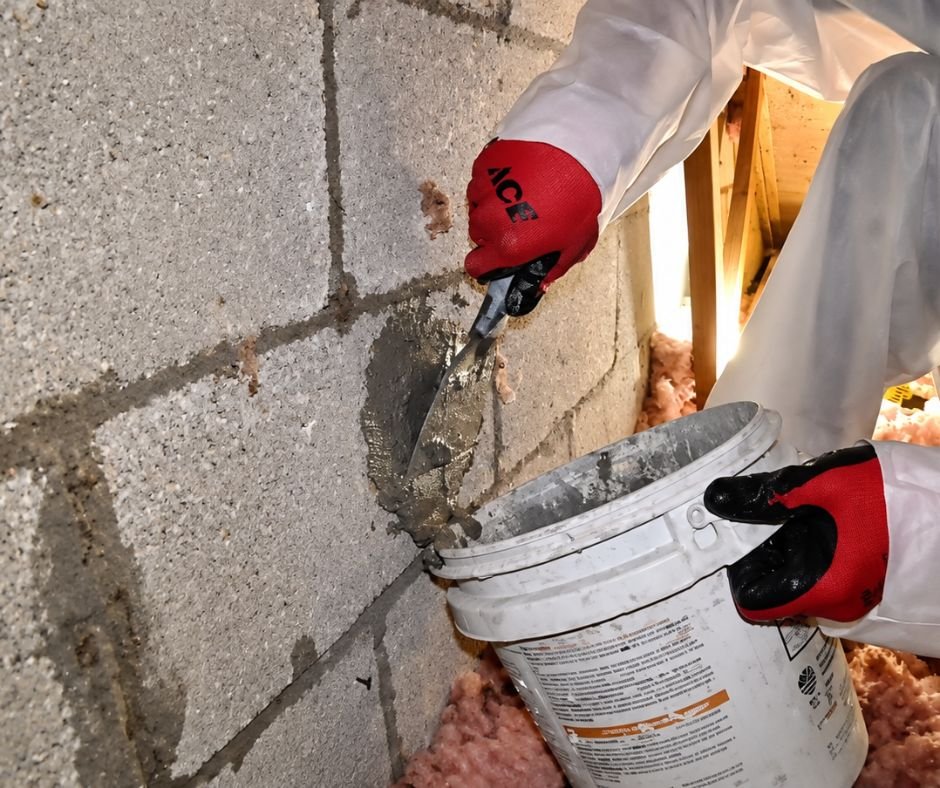
    Openings are closed with metal flashing, 1/4 inch hardware cloth, mesh and mortar. We do not rely on foam.

  3. 3

    Trap

    Traps go on the paths rats use, including feed rooms and hay storage on farm properties. We check them on return visits.

  4. 4

    Clean

    Droppings and nests are removed and the area is disinfected. We tell you if insulation needs replacing.

  5. 5

    Confirm

    We come back until there are no new signs, then give you simple tips to keep it that way.

Health and safety

Why Rodents in a Wellington Home or Barn Are a Health Risk

According to the CDC, rats and mice can spread disease through their droppings, urine, saliva and bites. These are the main concerns in Wellington.

Hantavirus

Can spread when dust from dried droppings or urine is stirred up and breathed in, which is a real risk in barns and feed rooms. Never sweep droppings.

Leptospirosis

Spread through water or soil carrying rodent urine, a concern along Wellington’s canals and swales after heavy rain.

Salmonella and food contamination

Droppings in feed rooms and pantries can contaminate grain and human food alike, a special concern on working farms.

Allergies and asthma

Shed hair, droppings and nesting material can trigger allergy and asthma symptoms, especially in enclosed attics.

Fire hazard from chewed wires

Gnawed insulation on household or barn wiring is a common cause of electrical fires traced back to rodent activity.

Rat-bite fever

A bacterial illness spread through bites or scratches, or contact with rodent droppings and contaminated food or water.

Myths vs facts

Rat and Mouse Myths We Hear From Wellington Residents

A lot of common advice makes a rodent problem last longer, especially on farms. Here is what actually works.

Myth: Horses on the property keep rats away
Fact: Horses do not deter rodents. Hay and grain actually attract them, which is why farms need the same sealing and trapping as houses.
Myth: Poison in the barn or attic is the fastest fix
Fact: Poisoned rodents often die inside walls, ceilings or hay stacks, causing a strong smell for weeks. We trap instead.
Myth: Only older homes near the village core get rats
Fact: Newer gated homes in Olympia and the Isles at Wellington get them too, usually through garage doors and AC lines, not just old construction.
Myth: Steel wool or foam will seal the hole
Fact: Rats can pull out steel wool and chew through foam. Openings need metal, hardware cloth or mortar.
Myth: A barn cat will handle it
Fact: Barn cats can catch a few rodents, but they do not reach wall voids, hay lofts or feed room walls and do not close entry points.
Myth: The noise stopped, so they are gone
Fact: Rats often move to a different part of the attic or barn. Until the openings are sealed, they can return any night.
DIY or pro

Should You Try DIY Rat Control First in Wellington?

A single mouse in the kitchen can sometimes be handled with a few snap traps. Rats in a barn or attic are a different job.

The problem with DIY: most store-bought fixes catch a rodent but leave the openings in place, so new rats move in from the canal bank or the next farm over.

Ask a technician →
SituationDIYProfessional
One mouse seen onceSnap traps may be enoughCall if it comes back
Noise in the attic or barnHard to reach and seal safelyRoofline or barn sealing plus trapping
Droppings in the feed roomUsually means an active nest nearbyFull inspection and treatment plan
Chewed wires in a barn panelRisk of fireFind the source and seal it
Farm leased between show seasonsEasy to miss signs during turnoverTurnover inspection and sealing
By property type

How We Handle Common Rodent Problems in Wellington

What we do at a horse farm near Wellington International is different from what we do at a canal-front home near Olympia.

Equestrian farms (Palm Beach Point, the equestrian preserve)

Rodents in Hay Lofts and Feed Rooms

Hay, grain and horse feed stored in barns give rats and mice a steady food source, and grooms quarters left unsealed between show seasons give them a place to nest.

Our approach: we inspect feed rooms, hay storage and grooms quarters, seal gaps around barn doors and walls, then trap around the property while working around feeding and turnout schedules.

Canal-front and older single-family homes near the village core

Rats Traveling the Canal Bank

Homes backing onto Wellington’s canals and swales give rats a direct path from the water’s edge into sheds, garages and attics, especially on lots built in the 1970s and 1980s.

Our approach: we check the canal bank, fence line and shed for burrows and entry points, then seal the roofline and garage before trapping indoors.

Newer gated communities (Olympia, the Isles at Wellington)

Garage and Roofline Gaps

Newer block-and-stucco homes still get rats through garage door corners, AC line openings and roof vents, often carried in by trees near the property line.

Our approach: we seal garage doors, vents and roofline gaps, then set traps in the attic and garage until activity stops.

Found droppings?

Found Droppings? Do This Before We Arrive

These steps follow CDC cleanup guidance and help keep your family or your barn staff safe.

Call (561) 562-7607
  1. Do not sweep or vacuum the droppings
  2. Open windows or barn doors and let the area air out for 30 minutes
  3. Wear rubber or plastic gloves
  4. Spray with disinfectant or a bleach solution and let it soak 5 minutes
  5. Wipe up with paper towels and bag the trash
  6. For attics, barns or large amounts, call us instead
Area by area

Rodent Problems Across Wellington, Area by Area

Wellington covers everything from private airpark lots to horse farms. Here is what we usually check first in each one.

Palm Beach Point and the equestrian preserve

Working horse farms with barns, hay storage and grooms quarters. We focus on feed rooms and barn perimeters.

Wellington Aero Club

A private airpark community with hangars and large lots backing up to open land. We check hangars and outbuildings along with the house.

Binks Forest

A golf course community where mature landscaping and lakes give rodents cover close to homes. We check attic access points near tree lines.

Near the Mall at Wellington Green

Retail and restaurant properties along the commercial corridor. Shared dumpsters and loading docks are the first thing we check.

Canal-front lots near the village core

Older single-family homes built in the 1970s and 1980s backing onto Wellington’s canal and swale system. We check the canal bank first.

Olympia and the Isles at Wellington

Newer gated block-home communities. Garage doors and AC line openings are the most common entry points here.

Wellington through the year

How the Wellington Calendar Changes Rodent Activity

Wellington has a humid subtropical climate, and its equestrian calendar adds a second seasonal pattern on top of the weather.

Winter Equestrian Festival, January to April

Wellington’s population swells as show families arrive for the Winter Equestrian Festival and Global Dressage Festival at Wellington International. Extra hay and feed brought in for the season is a draw for rodents on and around show properties.

Rainy summer months

Afternoon storms from June through September raise water levels in Wellington’s canals and swales, pushing rats and mice out of burrows and toward higher, drier ground near homes and barns.

Hurricane season and storm damage

An EF3 tornado struck Wellington on October 9, 2024, during the outbreak tied to Hurricane Milton, causing significant damage. Storm damage to roofs, soffits and barns opens new gaps that need to be checked and sealed, even months after repairs are made.

Primary Wellington response zone
Wellington service coverage

Is your ZIP on the route?

Wellington is covered by 4 ZIP codes. We serve all of them, plus the rest of central Palm Beach County. Call if you do not see yours.

33411334143344933467
Reviews from Wellington customers

Customer Reviews from Wellington

4.9★★★★★Based on 327 reviews
★★★★★
“We had rats getting into the feed room on our farm near Palm Beach Point. The team sealed the barn and set traps without disturbing the horses.”
RH

R. H.Wellington, FL

Verified
★★★★★
“Quick response and they explained exactly where the rats were getting in along our canal line. Haven’t had a problem since.”
KP

K. P.Wellington, FL

Verified
★★★★★
“Professional and on time. They checked the attic and garage and sealed everything up properly.”
DM

D. M.Wellington, FL

Verified
Wellington rodent control FAQ

Rat and Mouse Questions From Wellington Customers

Have a question that is not listed? Call and a team member will help.

Call (561) 562-7607 →

Yes. We regularly treat feed rooms, hay storage and grooms quarters on Wellington’s equestrian properties, and we schedule around feeding and turnout times.

Wellington’s canal and swale system runs behind many neighborhoods that have nothing to do with horse property. Rats travel the water’s edge looking for shelter and will use a canal bank to reach a nearby yard or attic.

We do not recommend it. Poisoned rodents often die inside walls, ceilings or hay stacks where you cannot reach them, which causes a strong smell. Trapping and sealing the openings works better.

For homes and barns that had roof or soffit damage from the October 2024 EF3 tornado, yes. Storm repairs sometimes leave small gaps that were not there before, so it is worth having the roofline checked if your property was affected.

Most homes need a first visit for the inspection and sealing, then follow-up visits over the next few weeks to check traps. Farms with more outbuildings sometimes take longer. We tell you what to expect after the first inspection.

Pest control businesses in Florida are licensed by the Florida Department of Agriculture and Consumer Services (FDACS). You can look up a license on the FDACS website before you hire anyone.

Yes. We also serve Royal Palm Beach, West Palm Beach, Greenacres and Palm Beach Gardens. Call (561) 562-7607 to check your address.

Certified team

Trust and Compliance in Wellington

Certifications

EPA Certified
U.S. Environmental Protection Agency
FDACS Certified
Florida Department of Agriculture and Consumer Services

Service in Wellington

Available 24/7
Call (561) 562-7607
Follow-up visits
We check back until rodent activity stops
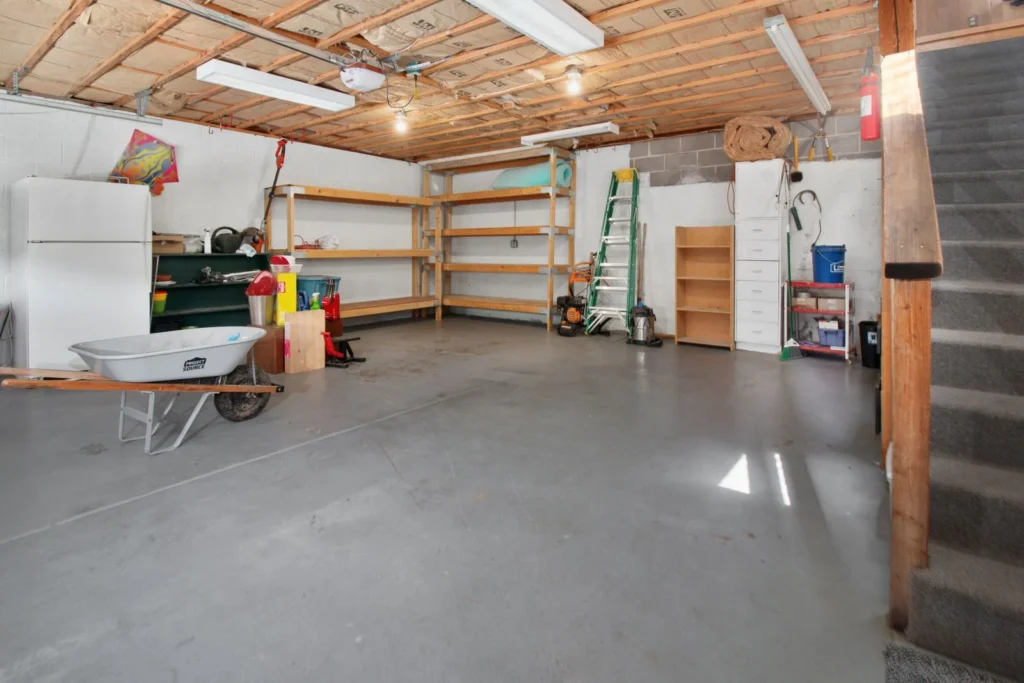
Garage with storage shelves
Wellington dispatch is ready

Rats in Your Wellington Home, Barn or Business?

Call now. We will inspect the property, show you where rodents are getting in, and seal it so they stay out.

Request Wellington service

Give us a call. We’ll handle the next step.

Call us, tell us what you are seeing and where you are located, and our team will confirm the right appointment type and timing.

Serving WellingtonWellington, Florida(561) 562-7607Open 24 hours · 7 days a week
Our work

Real Photos From Our Rodent Jobs

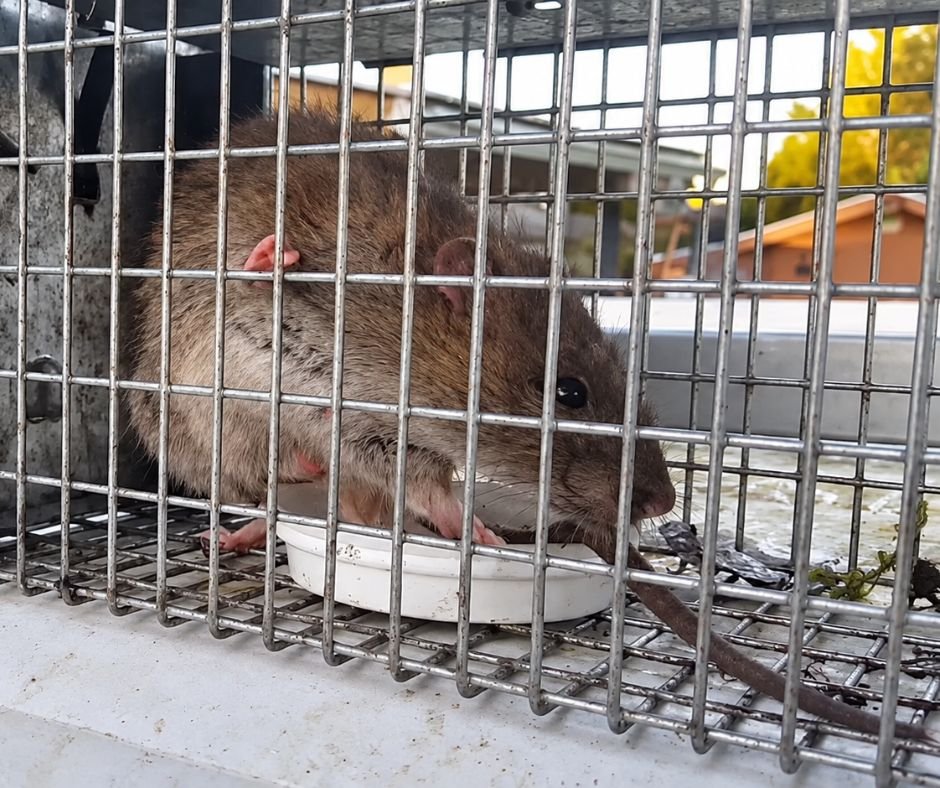
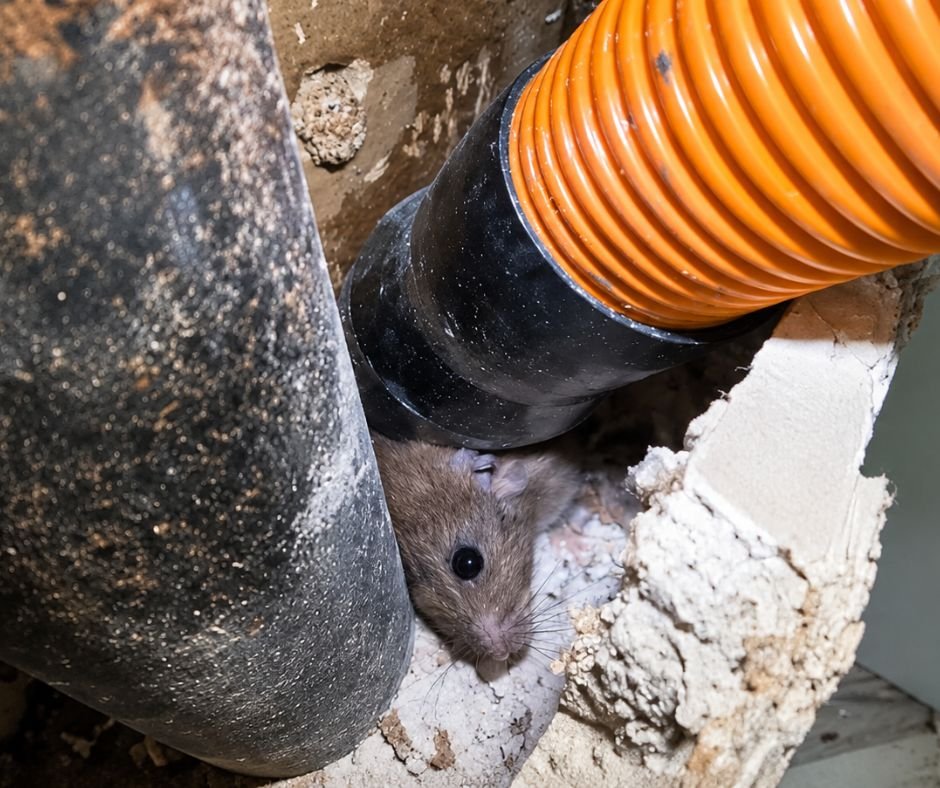
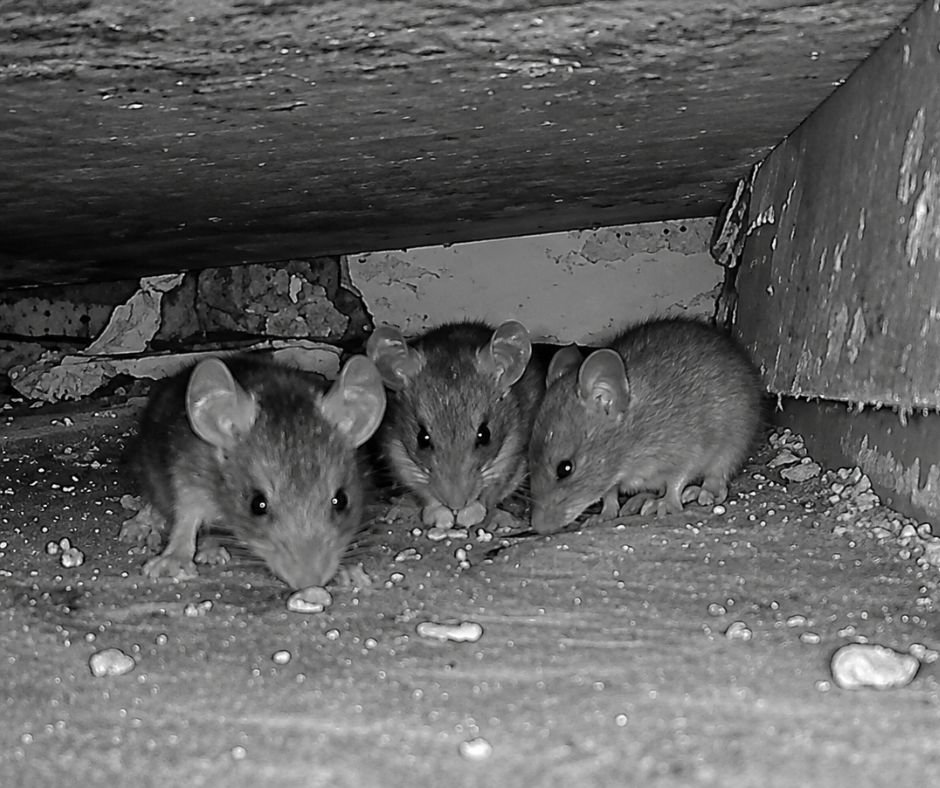
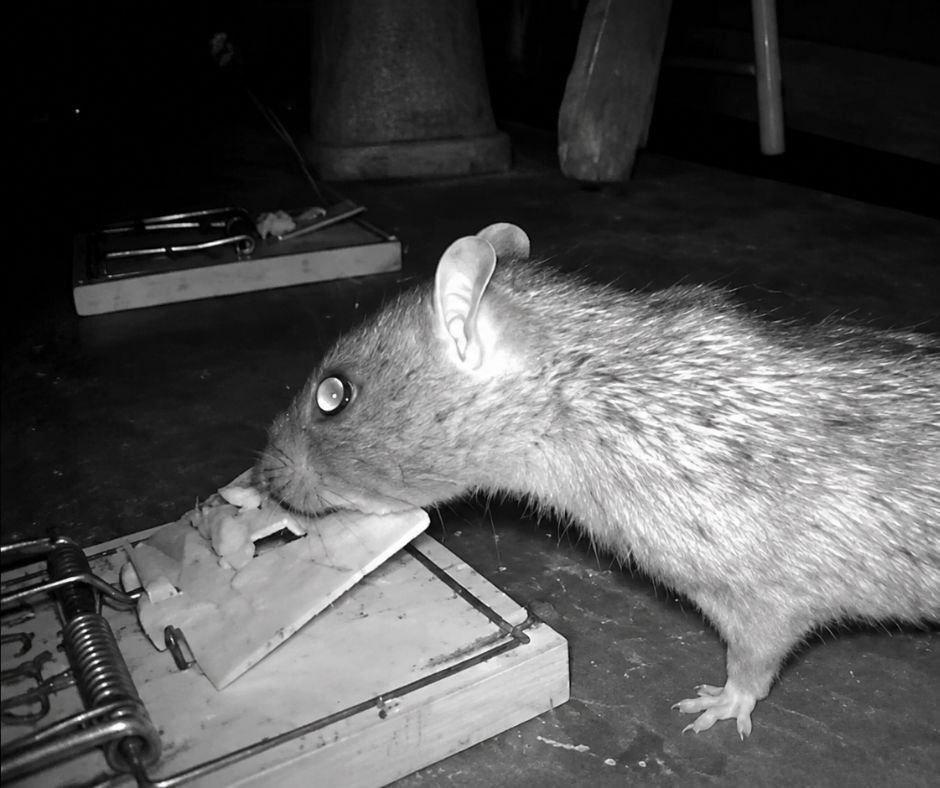
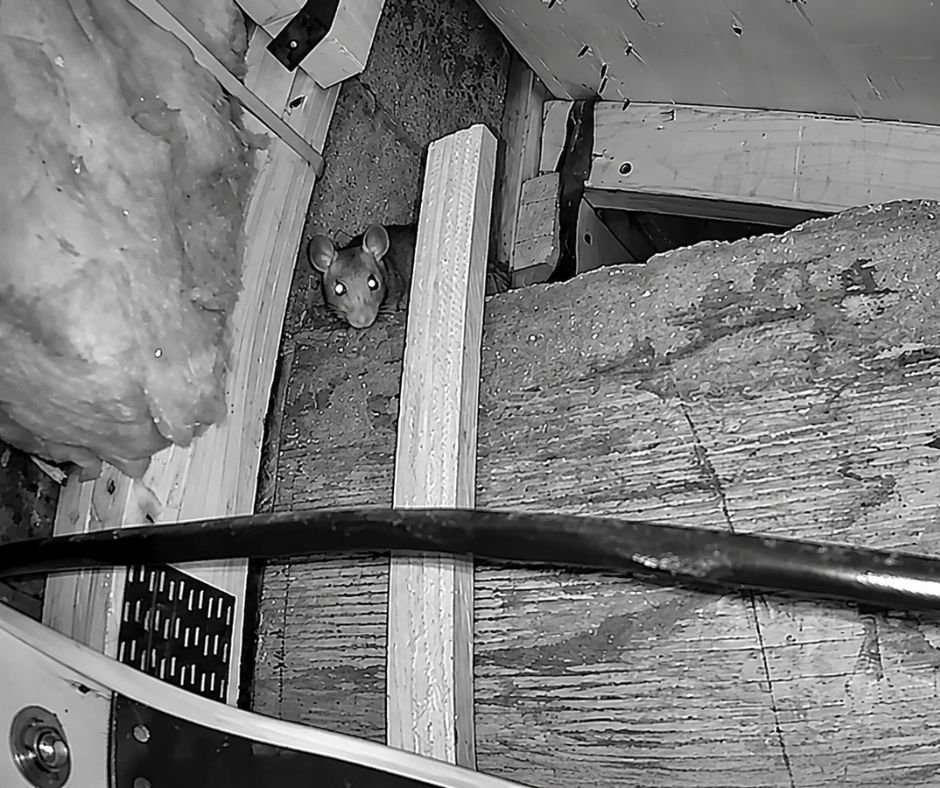
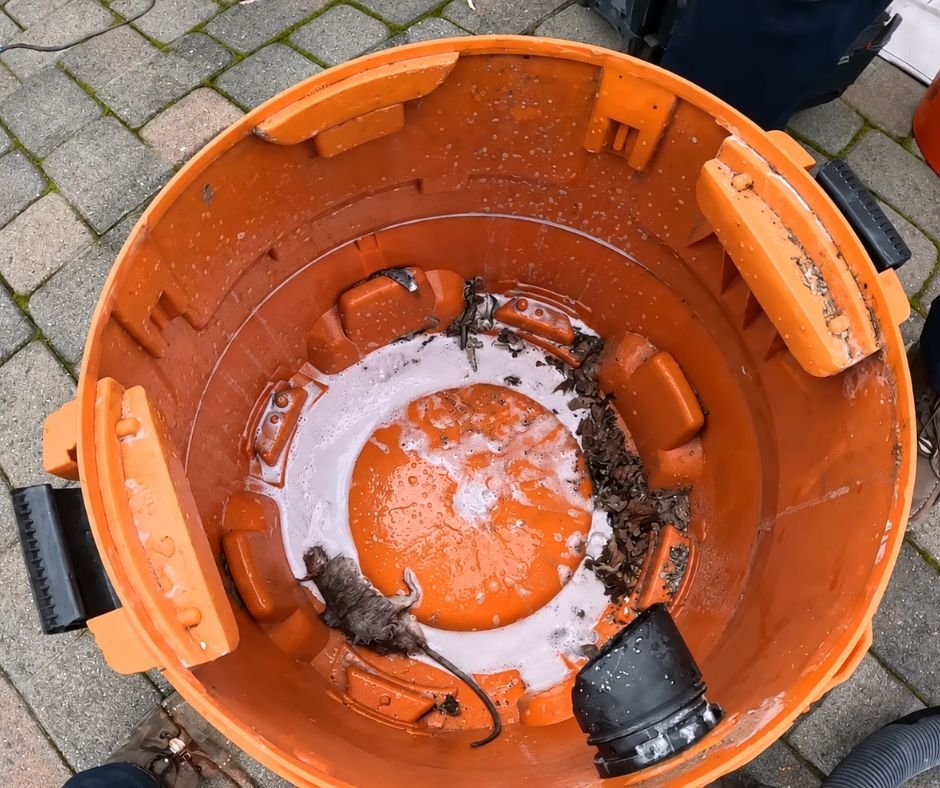
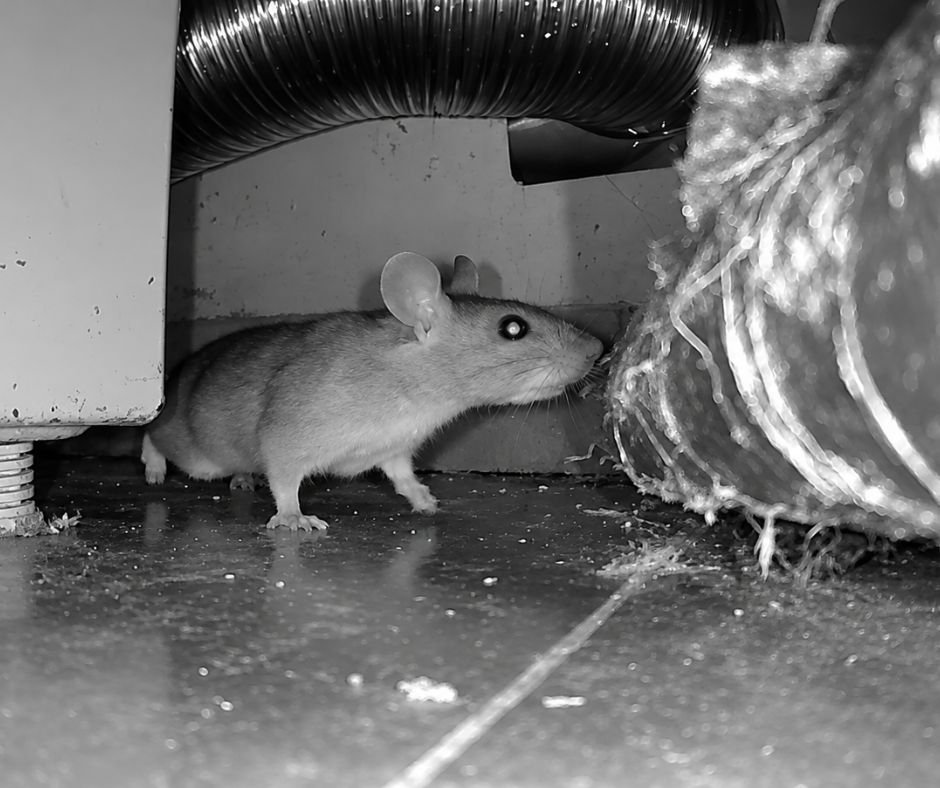
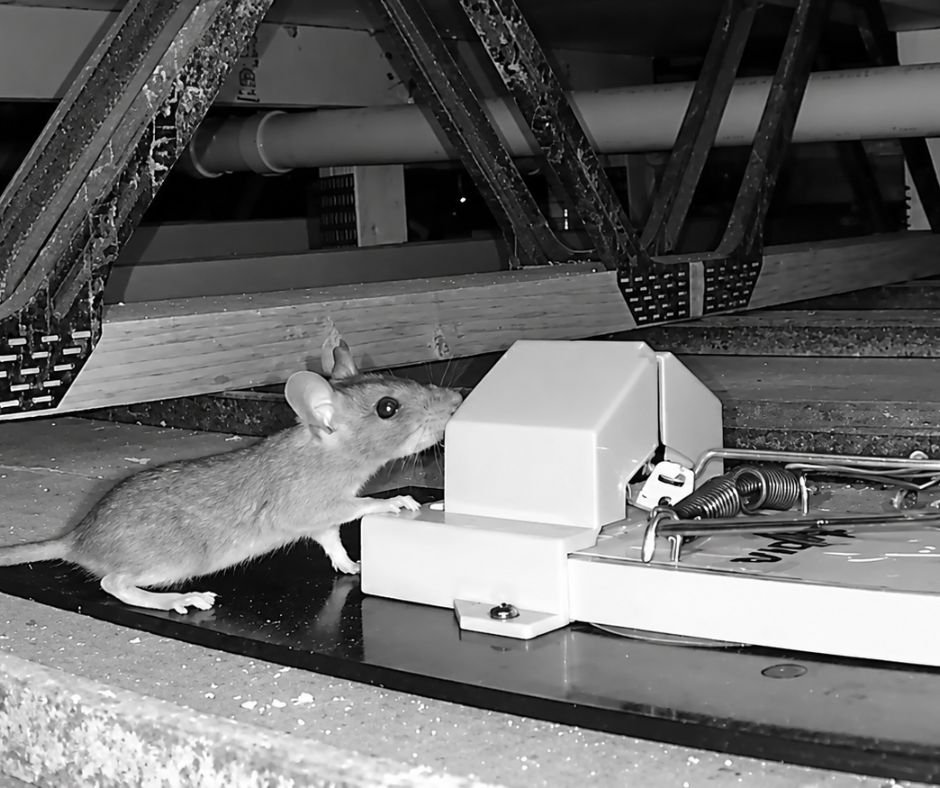
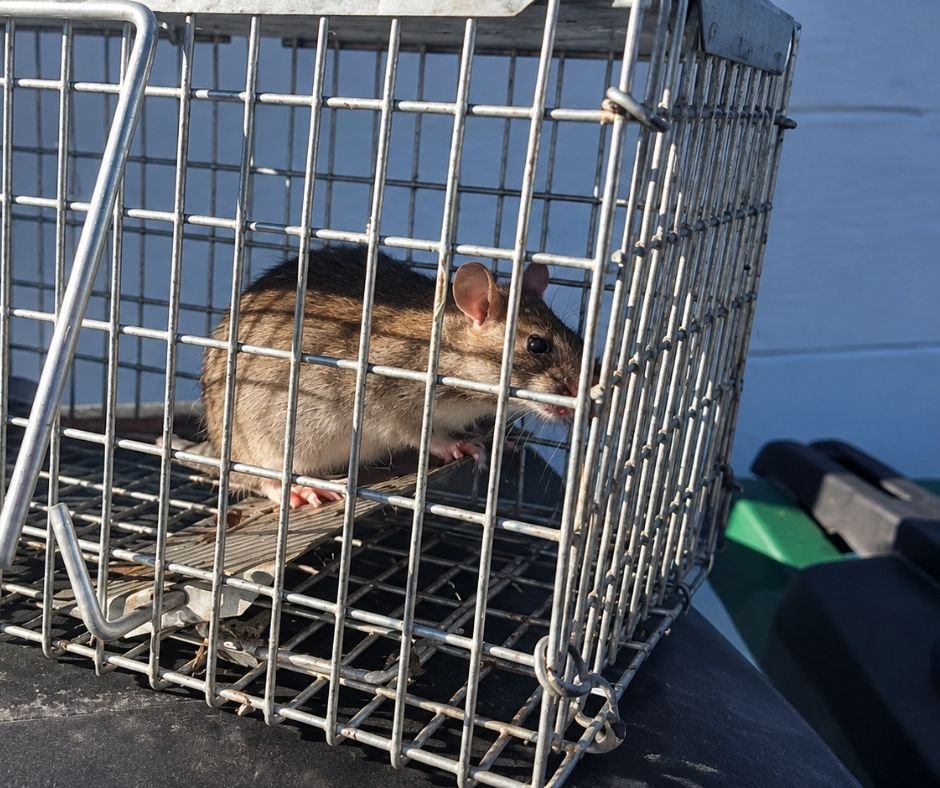
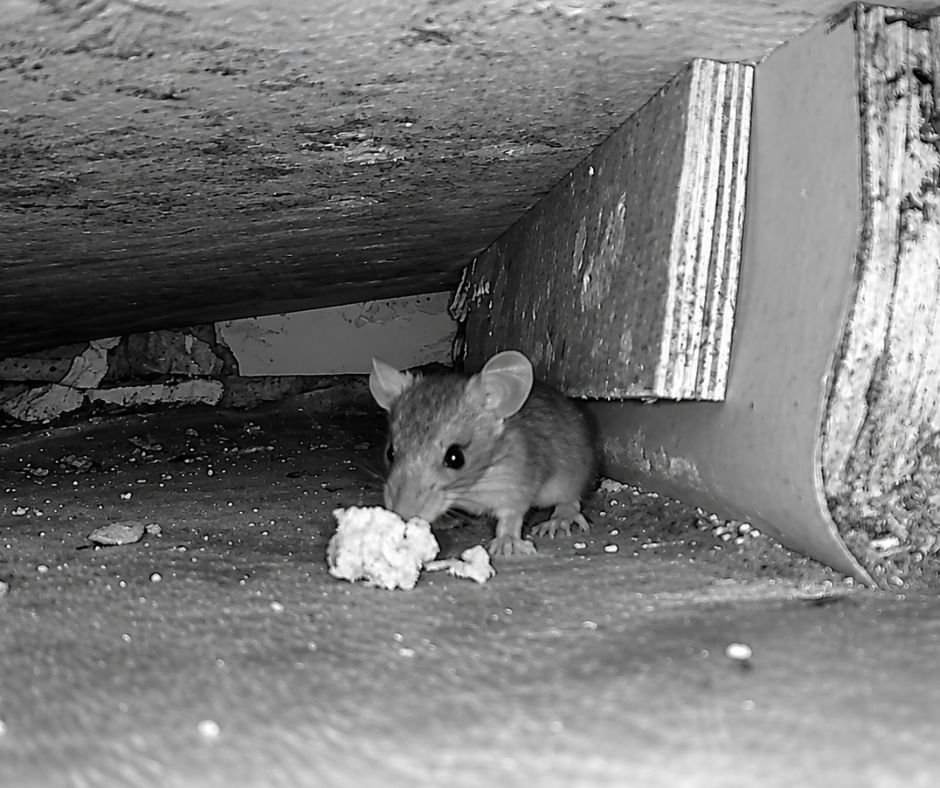
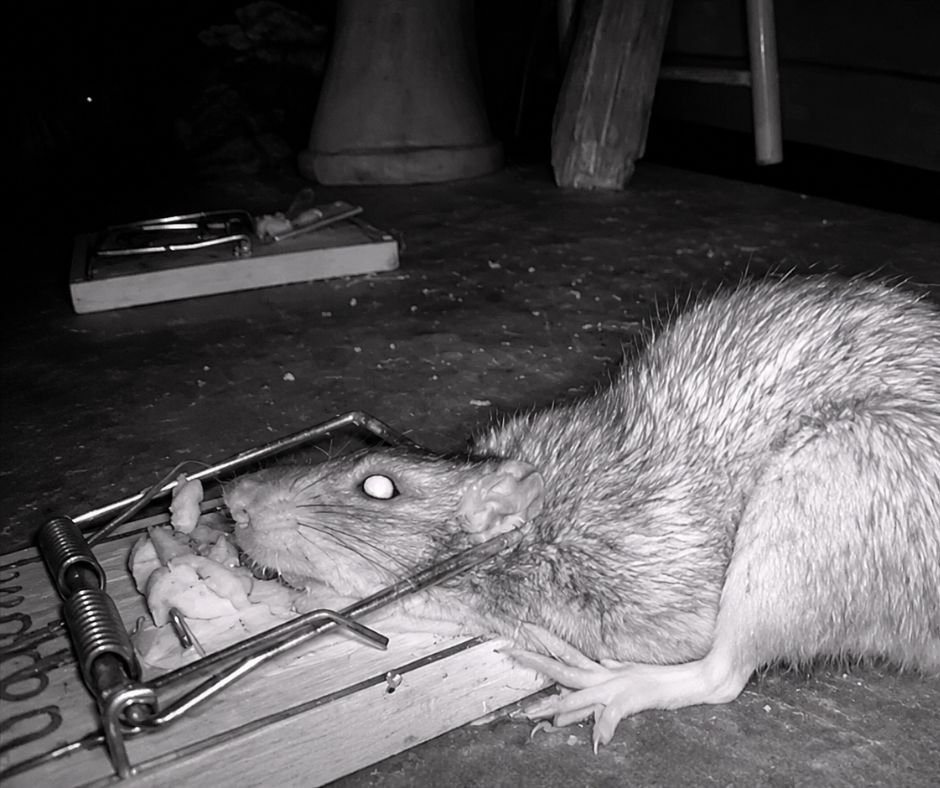
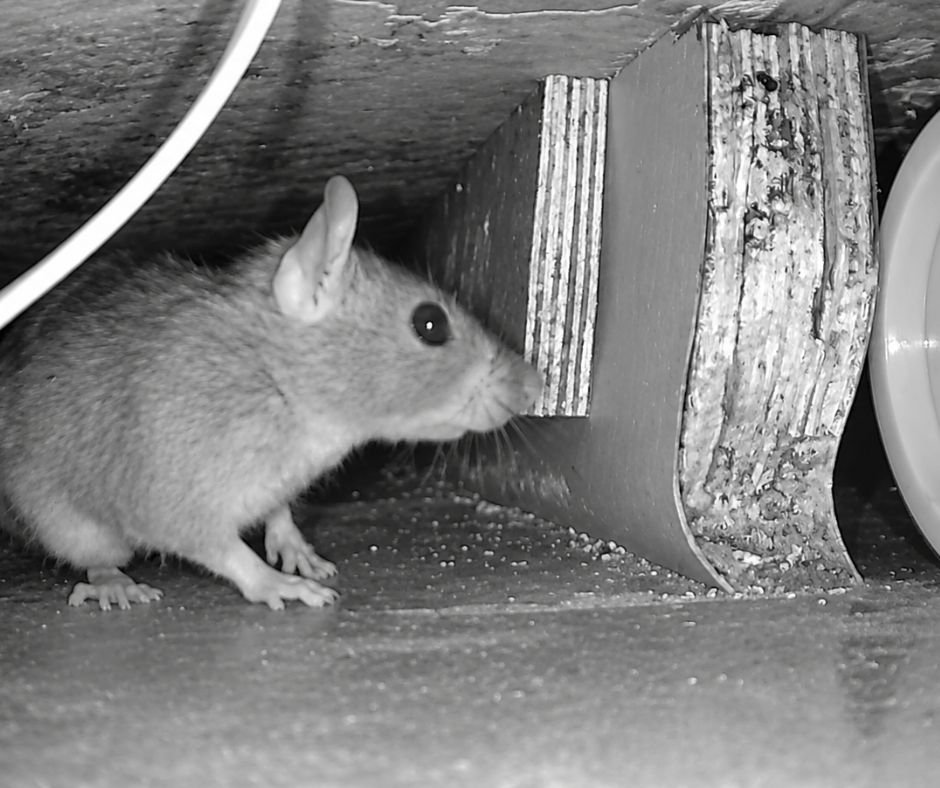
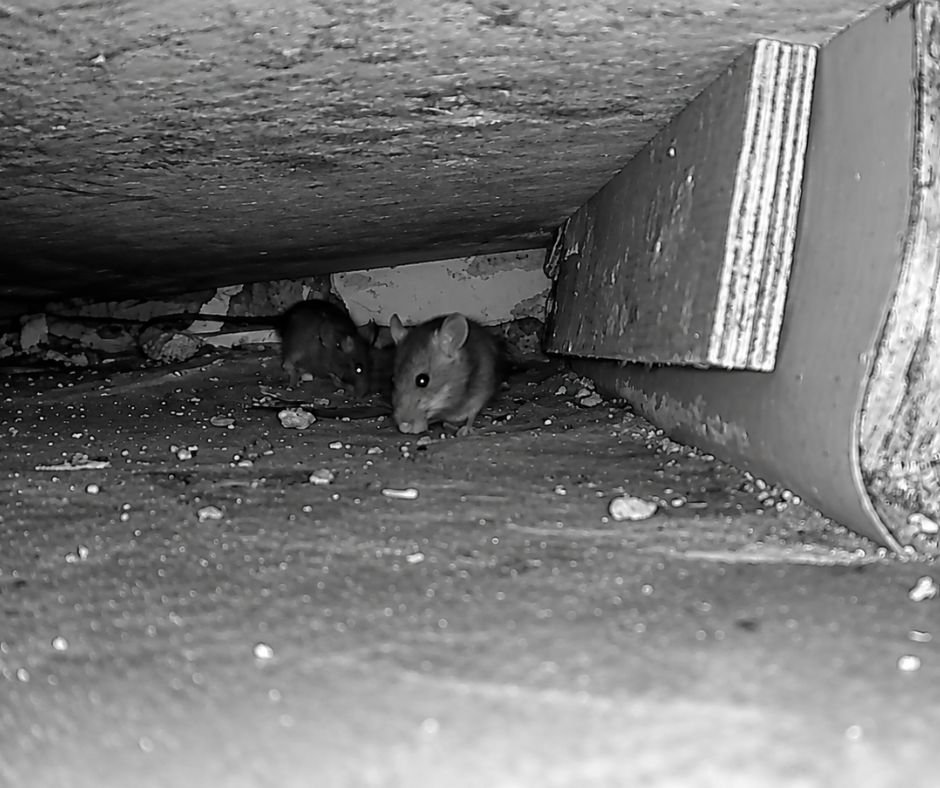
These pictures come from our own inspection cameras and job sites: rats caught in traps, mice under cabinets, the entry points we find, and the sealing work that keeps them out.

Book an inspection →
Rodent problem? Call now, 24/7(561) 562-7607