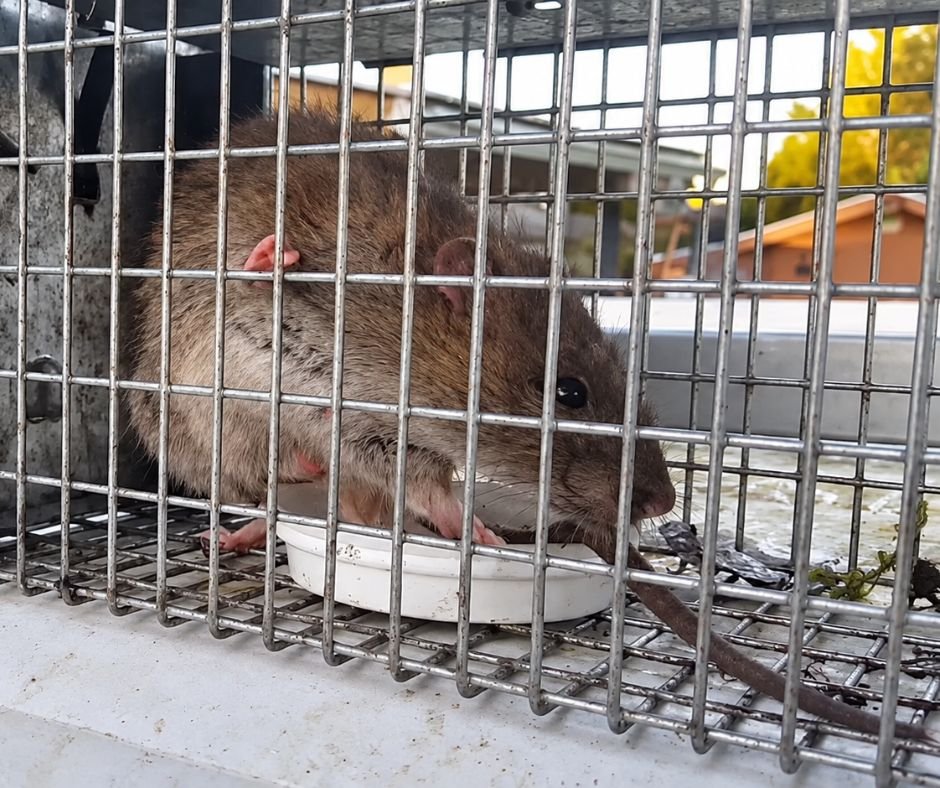
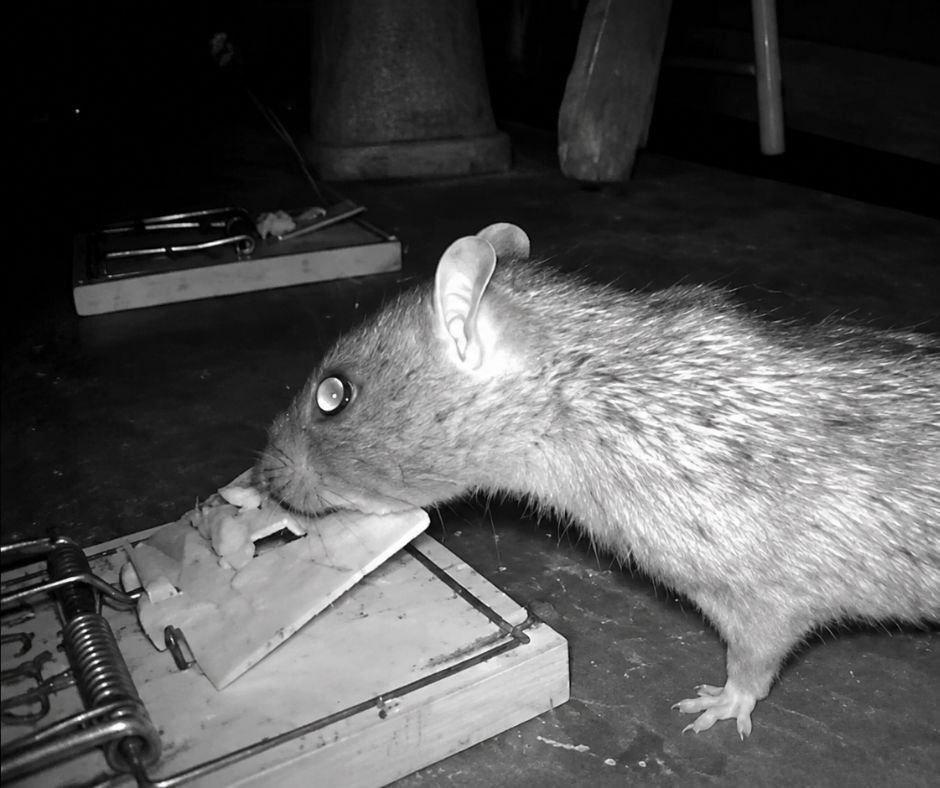
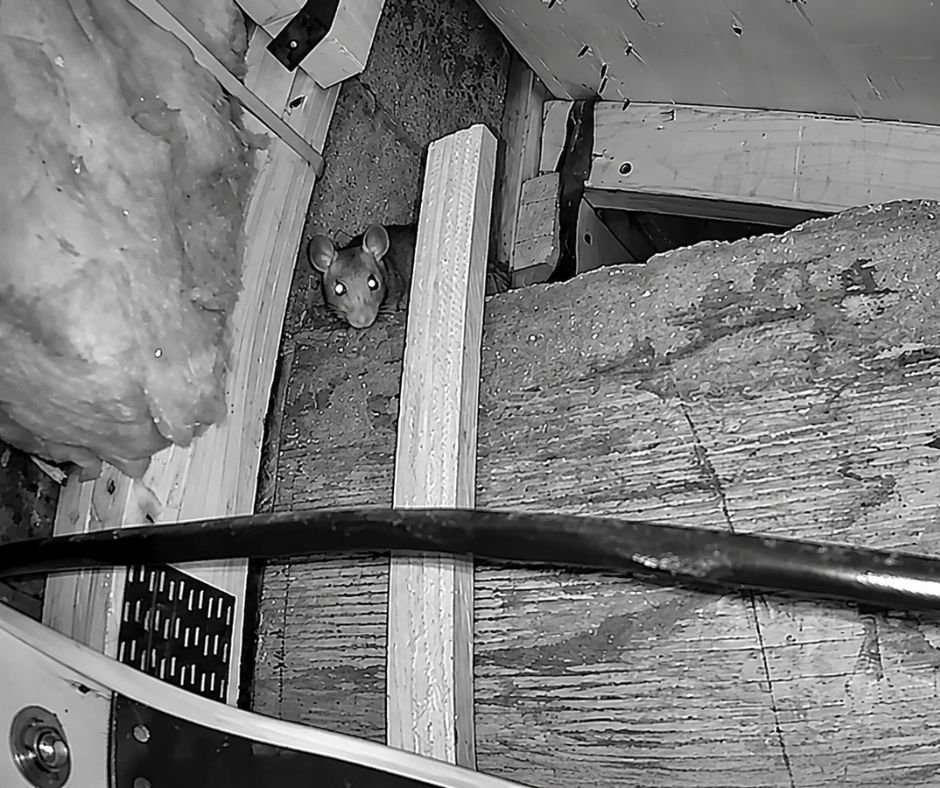
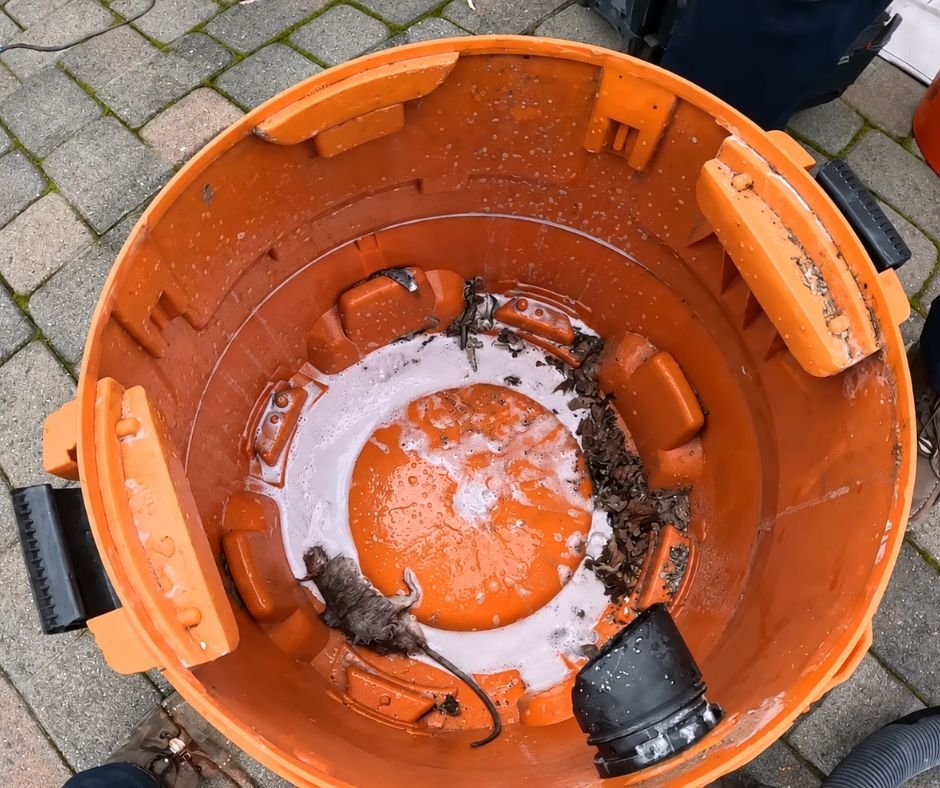
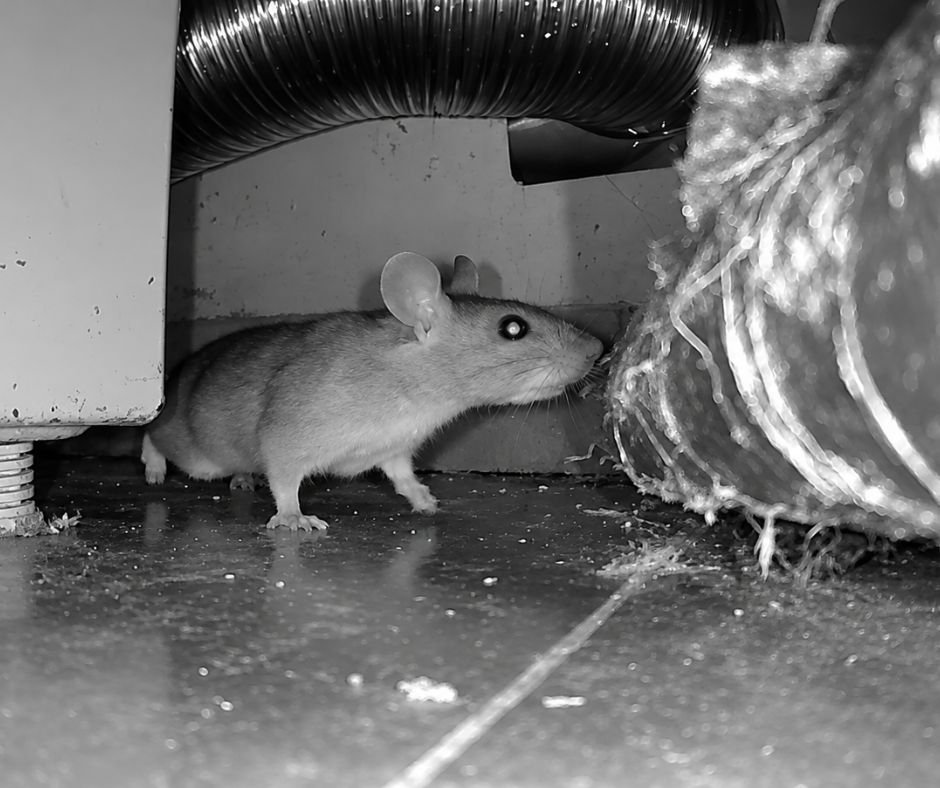
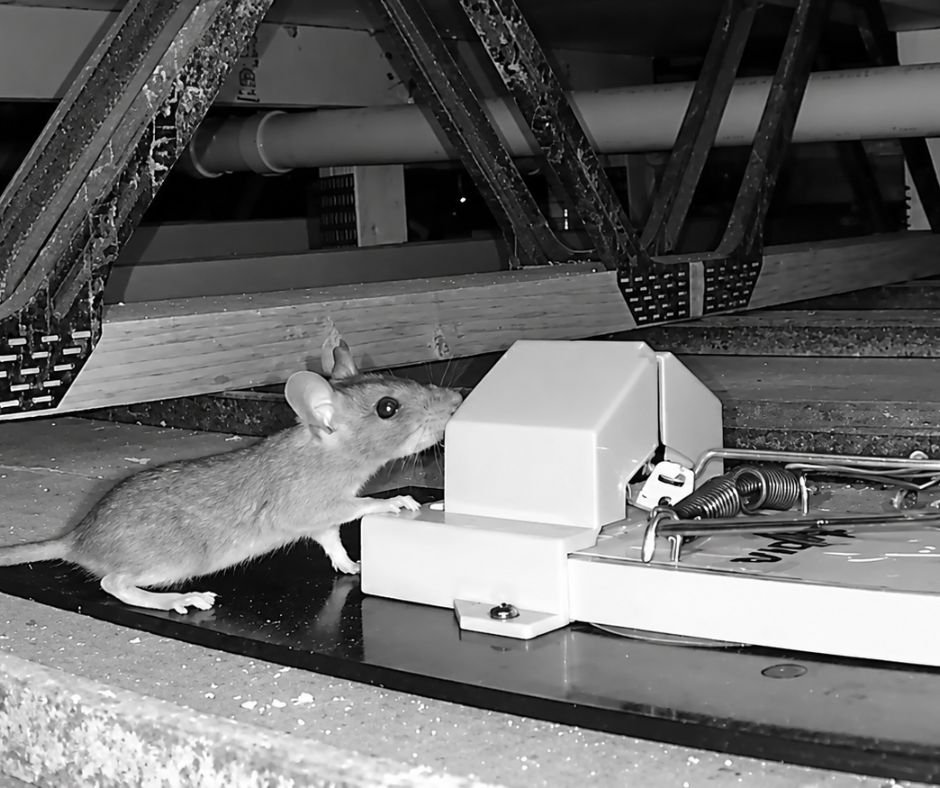
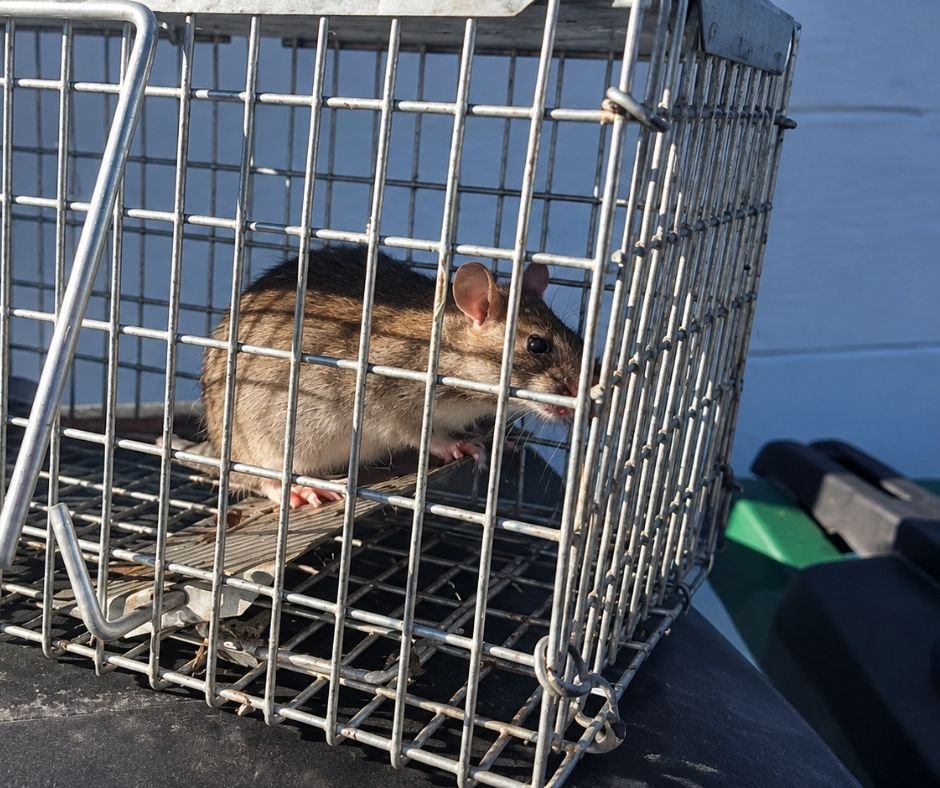
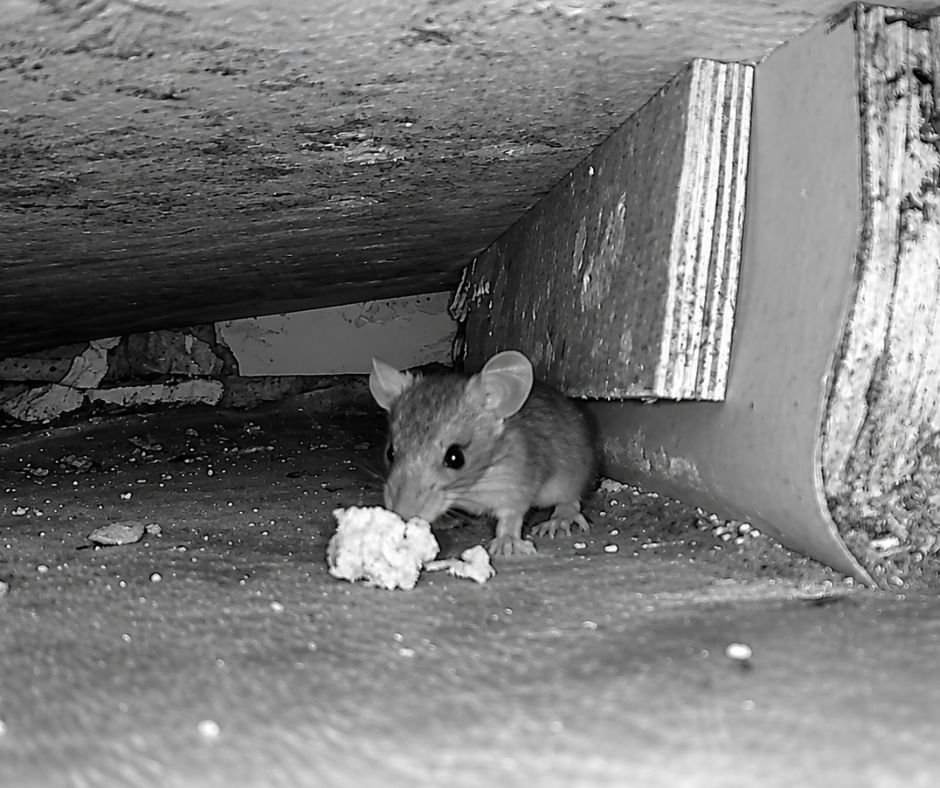
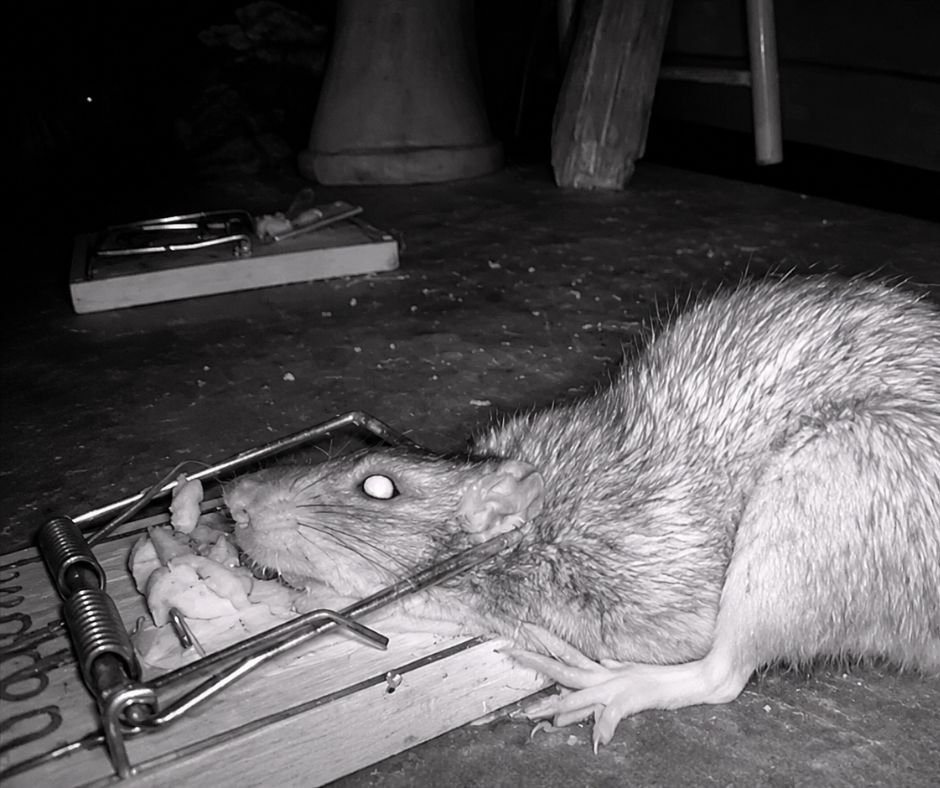
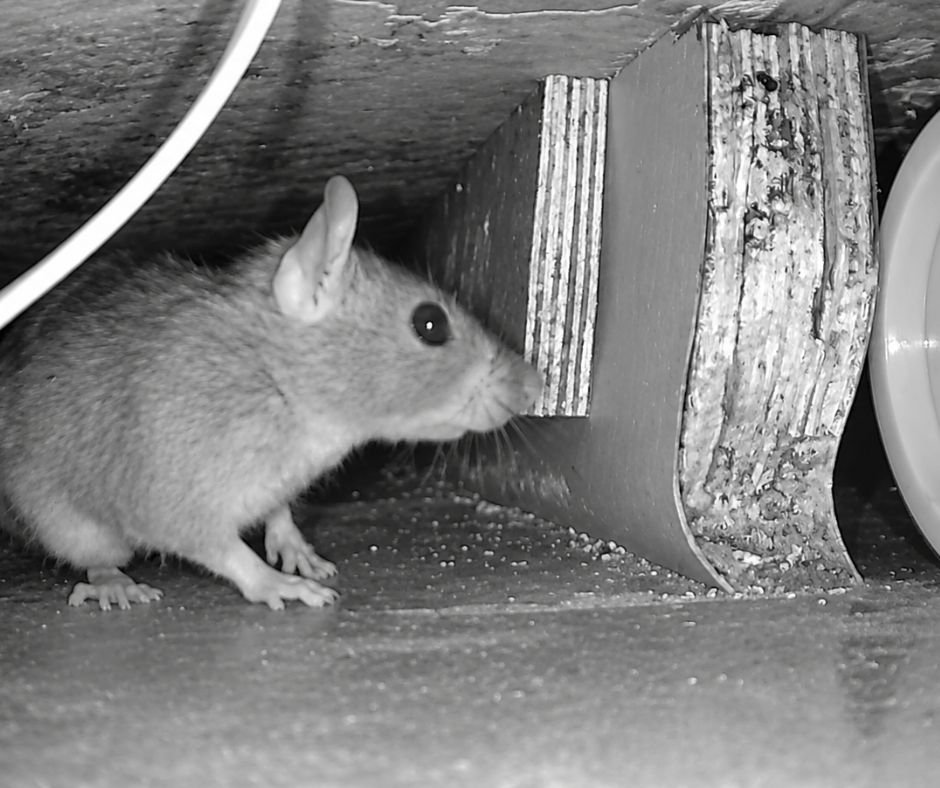
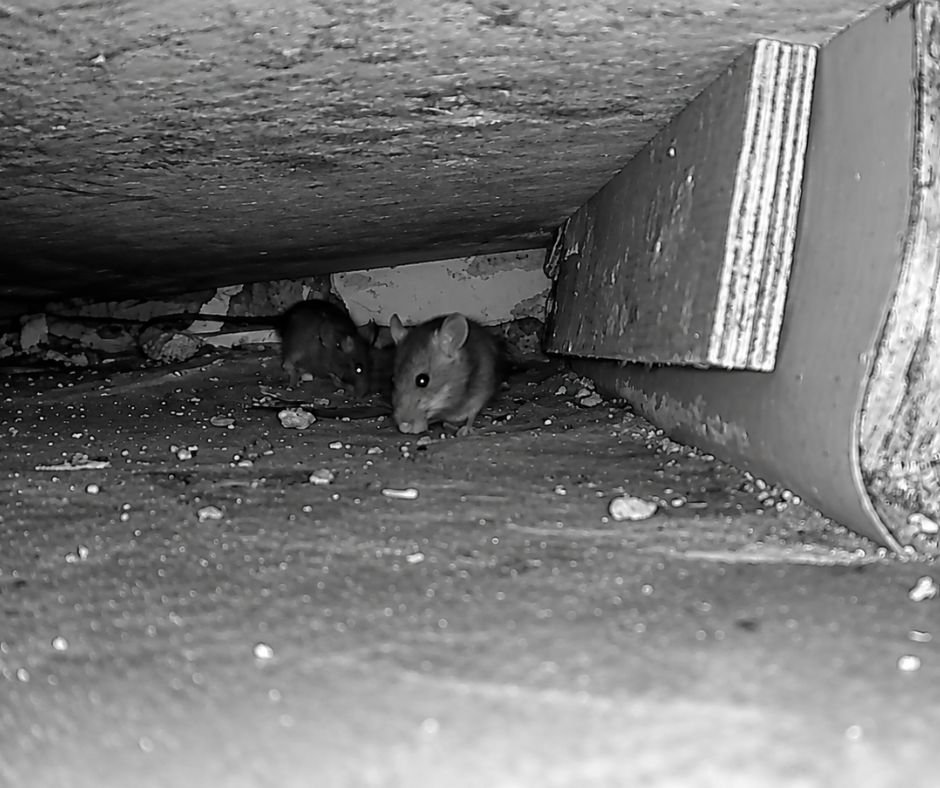
Roof rats swim well and travel up to 150 yards for food and water. Seawalls, docks, boat lifts and palm trees along the canals give them cover, and the water is always close. A canal home has more openings to check than an inland house.
Cape Coral and Lee County
Rodent Control and Rat Removal in Cape Coral, FL
Cape Coral has more canals than any city in the world, and roof rats use every mile of them. They run the seawalls, climb the palms and slip into lanais, garages and tile roofs. We seal the way in, trap what is inside and do it in a way that keeps the city’s burrowing owls safe.
Why the Cape has rats
Water, Palms and Open Lots on Every Street
Rodent control in Cape Coral is different from most Florida cities because of how the Cape was built. Brothers Jack and Leonard Rosen laid it out in 1957 as a planned community, cut through with canals. Today the city covers close to 120 square miles in Lee County, between the Caloosahatchee River and Matlacha Pass.
That layout gives rats 3 things they need. Water is never far away. Palm trees and landscaping give cover and food. And thousands of open lots sit between finished homes, so rodents always have a place to live next door.
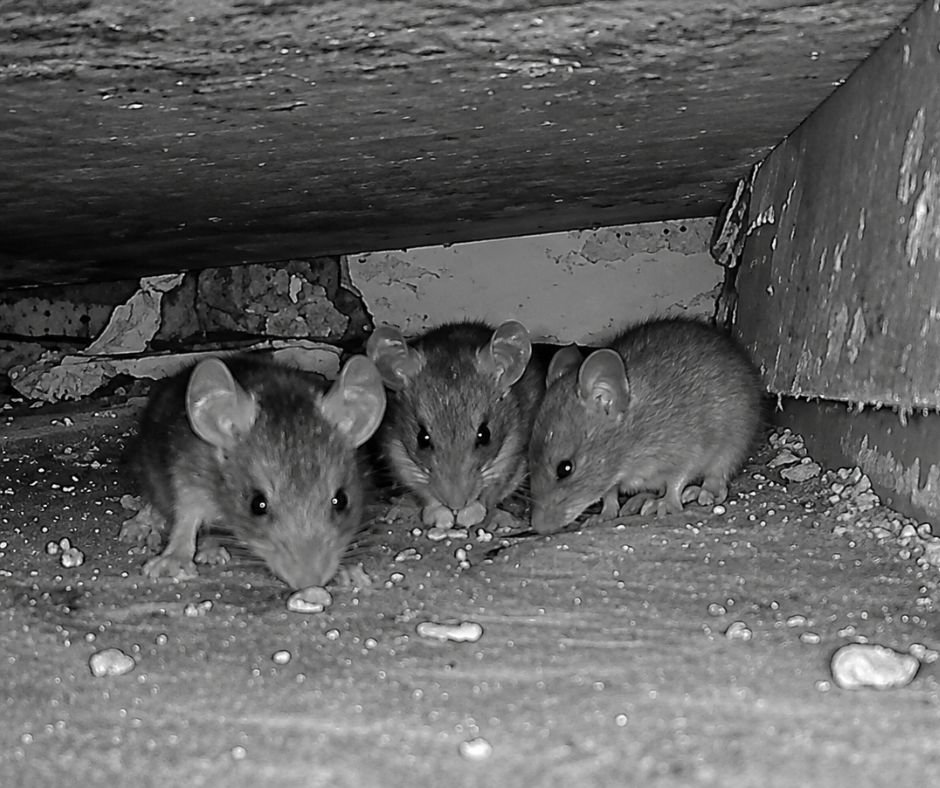
The most common rodent pest in Florida is the roof rat (Rattus rattus). The University of Florida notes it nests in attics, soffits and the dead fronds of palm trees, and will even burrow into canal banks. House mice (Mus musculus) show up in garages and kitchens too.
Nothing starts until you see the plan and the price and say yes.
Cape Coral at a glance
- County
- Lee County
- Population
- 194,016 (2020 census)
- Waterways
- Over 400 miles of canals
- Main rodent
- Roof rat, in palms, attics and seawalls
- Rain
- About 56 inches a year, mostly June to September
- Protected neighbor
- Florida burrowing owl, state threatened
- Call
- (561) 562-7607, 24/7
Sources: City of Cape Coral, Cape History; U.S. Census 2020 via Wikipedia; UF/IFAS UW120; FWC.
Canal country
Cape Coral Canal Numbers and What They Mean for Rats
Roof rats are strong swimmers and travel a long way for food and water. In a city laced with canals, almost every backyard sits on a rat highway.
400+
Miles of canals
More navigable waterways than any other city in the world, according to the City of Cape Coral.
222mi
Saltwater canals
Lined with seawalls, docks and boat lifts that give rats cover right at the water line.
156mi
Freshwater canals
Inland canals with grassy banks, where roof rats can dig in when they need to.
150yd
Rat travel range
A roof rat will go up to 150 yards from its nest to eat and drink. That is several canal lots.
Sources: City of Cape Coral, Cape History; USA Today Network canal report via AOL (222 saltwater, 156 freshwater, 31 miles of shoreline); UF/IFAS Extension UW120.
Waterfront home check
Seawalls, Docks and Pool Cages: Where We Look First
A canal home has more ways in than an inland house. This is the order we walk a waterfront property, from the water up to the roof.
| Spot | What we look for | How we fix it |
|---|---|---|
| Seawall cap and canal bank | Burrows behind the cap, cracked joints, piled rocks and debris | Clear harborage, close gaps where the yard meets the wall, set trap boxes along the run |
| Dock, boat lift and boathouse | Droppings on decking, gnawed lines and cushions, nests in stored gear | Store gear in sealed bins, remove nesting material, trap along beams and rails |
| Pool cage and lanai | Torn screen panels, gaps at the kick plate, a door that does not close tight | Point out screen repairs, seal the base where the cage meets the deck |
| Palm trees and landscaping | Dead fronds and seed pods close to the roof, vines on the walls | Advise trimming so no limb or frond touches the roof or screen cage |
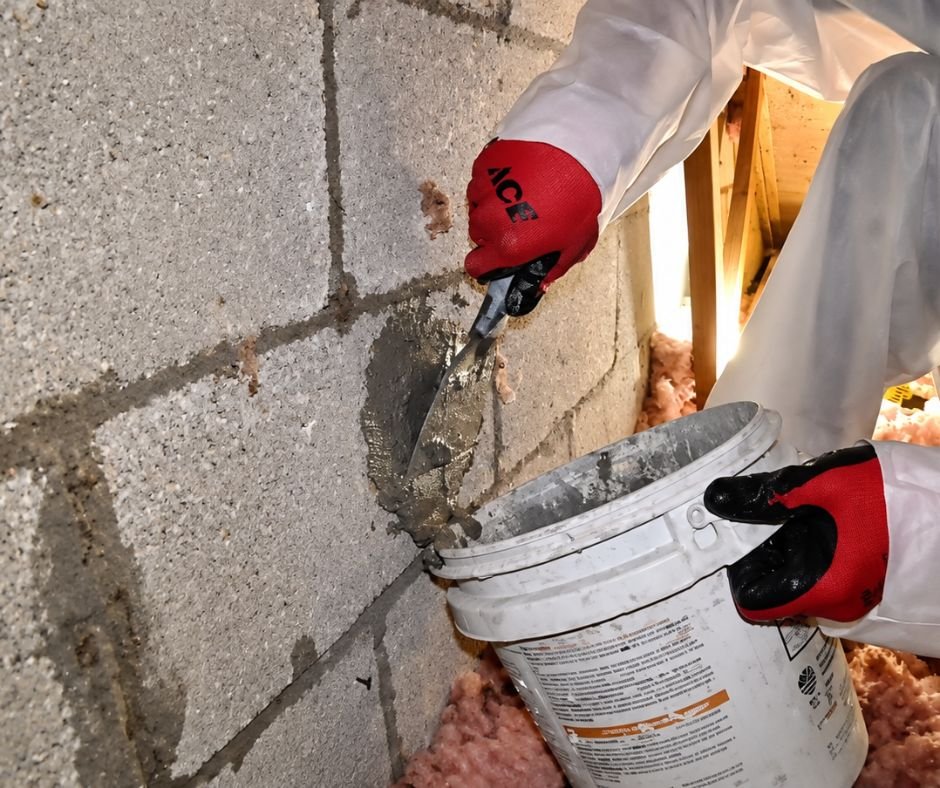
| Concrete tile roof and soffit | Open tile ends, gaps at the ridge and at the soffit line, damaged vents | Seal with sheet metal and 1/4 inch hardware cloth, not foam |
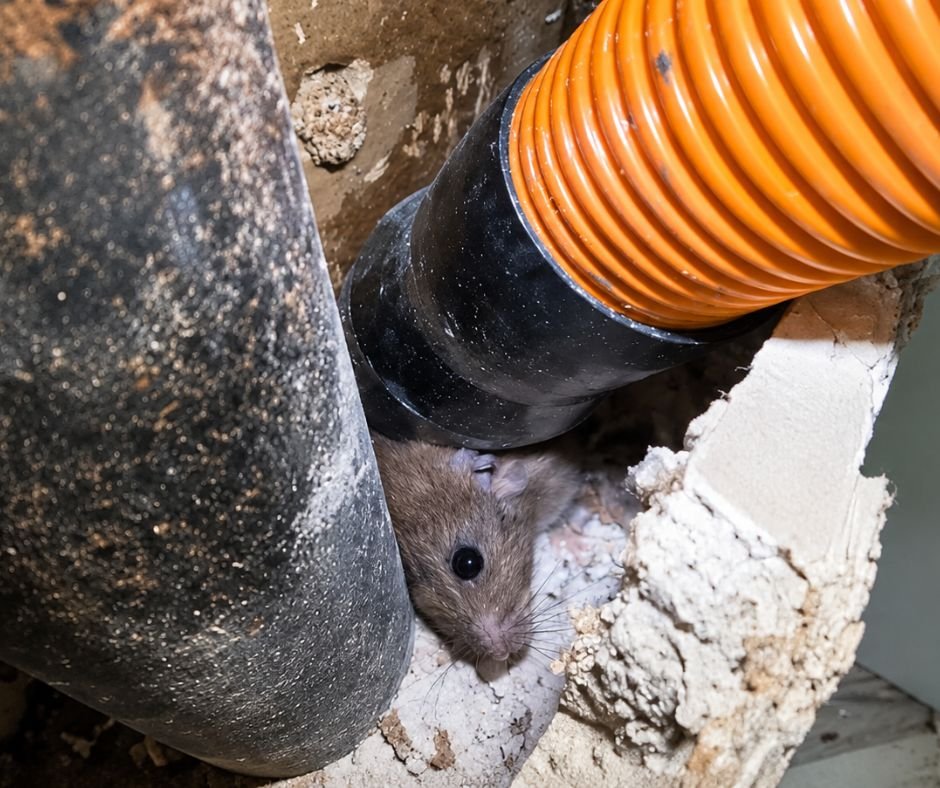
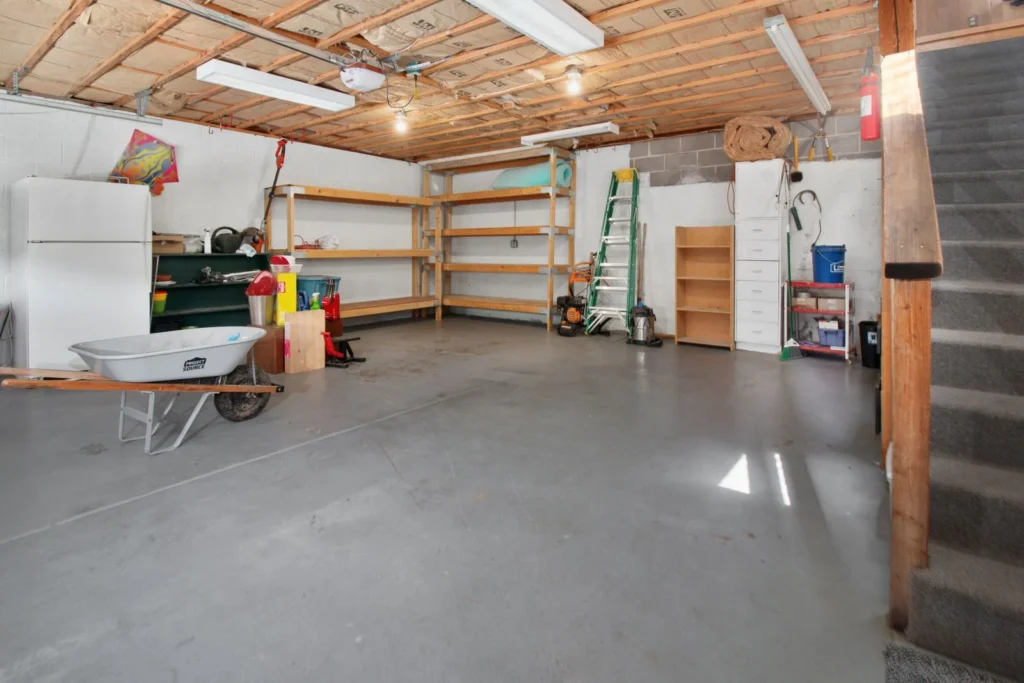
| Garage and AC lines | Worn door seals, open pipe and line chases, chewed insulation | Door sweeps, metal collars and mesh at every line that enters the house |
Based on the waterfront homes we inspect. UF/IFAS notes roof rats nest in palm frond skirts and can burrow in canal banks. Every property is checked in full, not just these spots.
Owl-safe rodent control
Getting Rid of Rats Without Hurting Cape Coral’s Burrowing Owls
Cape Coral has the largest population of Florida burrowing owls (Athene cunicularia floridana) in the state, and the owl is the official city bird. Owls eat rodents. When they eat a poisoned rat, they can die too, and so can the chicks they feed.
The law
What the rules say
- The burrowing owl is listed as State Threatened by FWC and is also covered by the federal Migratory Bird Treaty Act.
- The city says harming owls or damaging, filling or destroying a burrow is a crime.
- Nesting season runs February 15 to July 10.
- City permit rules call for a 33 foot buffer around a burrow during nesting season and 10 feet the rest of the year for construction work.
- The city counts more than 3,500 owl burrows.
Our approach
How we work near burrows
- Exclusion first. Sealing the house is the part that lasts and puts nothing in the food chain.
- Snap traps inside covered, locked boxes, so owls, pets and kids cannot reach them.
- No loose bait, ever, and no bait tied to trees, which UF/IFAS says is illegal.
- We map any burrow on your lot or the lot next door before we place anything outside.
- We never disturb, fill or block a burrow or its stakes and perch.
Sources: City of Cape Coral, Burrowing Owls page and Burrowing Owl Building Permit Procedures; FWC burrowing owl profile; WINK News, April 2023 (Cape Coral Friends of Wildlife reported at least 11 owl deaths in 2 weeks tied to poisoned rats); UF/IFAS UW120. To report harm to an owl, call the FWC hotline at 1-888-404-3922.
Services available in Cape Coral
Rat and Mouse Removal Services in Cape Coral
Most Cape Coral jobs combine a few of these: an inspection, sealing, trapping and cleanup. Choose a service to learn more, or call and we will tell you what your property needs.
Residential Rodent ControlCanal-front and inland home rat removal in Cape Coral, from older Pelican and Savona homes to newer Burnt Store and Trafalgar construction.Learn More →
Commercial Rodent ControlScheduled service with written visit logs for restaurants, marinas and shops along Del Prado Boulevard and Cape Coral Parkway.Learn More →
Rodent RemovalTraps placed on the paths rats use along seawalls, garages and canal banks, checked on return visits.Learn More →
Dead Rodent RemovalBad smell in a wall, garage or seawall area? We find and remove the dead rodent, then clean and deodorize.Learn More →
Rodent CleanupRemoval of droppings, urine and nests from attics and garages, with advice on insulation replacement.Learn More →
Rodent ExterminatorEPA and FDACS certified technicians who use traps outdoors and indoors and follow product labels around kids and pets.Learn More →
Rodent ExclusionWe seal seawall gaps, soffits, garage corners and pipe openings with metal and hardware cloth so rats cannot get back in.Learn More →
Rodent Feces RemovalCareful cleanup of droppings with disinfectant, never sweeping or vacuuming, which can spread germs.Learn More →
Rodent ProofingDoor sweeps, vent screens, seawall gap sealing and landscaping advice for Cape Coral homes.Learn More →
After Hurricane Ian
Storm Damage Opened New Doors for Rats
Hurricane Ian made landfall near Cape Coral on September 28, 2022, and caused major damage across the city. Roofs, soffits, lanai screens and garage doors were torn open. Canals filled with debris. The city has pulled 745,410 cubic yards of storm debris from its waterways since the storm.
Local wildlife groups said rat problems grew after Ian. Many homes were patched fast, and a quick patch often leaves a gap a rat can use. A new roof can also miss old openings at the soffit, the AC lines or the garage.
If your home was repaired after Ian and you now hear noise in the ceiling, we check every repair line, not just the original openings.
Post-storm trouble spots
- Soffit panels that were replaced or bent back into place
- New roof edges and ridge lines that left small gaps
- Rebuilt pool cages with loose screen at the base
- Garage doors that no longer seal at the bottom corners
- Debris piles, downed palms and stored materials in the yard
- Vacant or still damaged homes on your street
Sources: Wikipedia, Cape Coral (Hurricane Ian landfall date); USA Today Network canal report via AOL (745,410 cubic yards); WINK News, April 2023.
Start to finish
How a Cape Coral Rat Job Runs
A typical home takes a few weeks from the first visit to the final check. Waterfront lots, big attics and storm-damaged homes can take longer.
- Visit 1
Walk the lot
Seawall, dock, cage, palms, roof, attic and garage. We note any owl burrows nearby and show you photos of every opening.
- You decide
Plan and price
You get a written plan and price. Nothing happens until you approve it.
- Next visit
Exclusion
Openings closed with sheet metal, hardware cloth, mesh or mortar. Rodent exclusion is what keeps rats out for good.
- Weeks 1 to 2
Trapping
Traps set on rat paths inside and in locked boxes outside, checked and moved on return visits.
- Final visit
Clean and confirm
Droppings and nests removed with disinfectant. We check for new activity before we close the job.
Vacant lots and neighbors
When the Rats Come From the Lot Next Door
Cape Coral still has many empty lots between homes. A lot that is kept up is not much of a problem. An overgrown lot full of fronds and debris is a rat nursery. These city and state rules help.
City code
Grass under 12 inches
Cape Coral requires grass, weeds and other growth to stay under 12 inches high, including along fences and poles. You can report a problem lot through the city’s code complaint page or the EnerGov Citizen Self Service portal.
City code
No debris or junk
Trash, tires, plant trimmings, fallen limbs, palm fronds and fruit may not be left in the yard. Indoor items like appliances, furniture and building materials cannot be stored outside.
State license
Ask for the FDACS license
Florida licenses pest control companies through the Department of Agriculture and Consumer Services under Chapter 482, Florida Statutes. Our team is EPA and FDACS certified.
Sources: City of Cape Coral, Code Compliance, Common Code Violations; Chapter 482, Florida Statutes. City Hall: (239) 574-0401, 1015 Cultural Park Blvd.
Clues to watch for
Signs of Rats at a Cape Coral Home
Cape Coral homes also get squirrels, iguanas, raccoons and opossums. These clues point to rats or mice.
Lanai
Droppings on the deck
Dark, pointed pellets about 1/2 inch long near the cage base, grill or outdoor kitchen.
Dock
Chewed boat gear
Gnawed lines, seat cushions, covers and bait bags on the dock or in the boathouse.
Ceiling
Running at night
Quick scratching over the bedrooms or garage after dark, when roof rats are most active.
Yard
Hollowed fruit
Citrus, mango or papaya with a round hole and the inside eaten out, a classic roof rat sign.
Cleaning up droppings? The CDC says not to sweep or vacuum them. Spray with disinfectant or a bleach and water mix, wait 5 minutes and wipe up with paper towels. Or let us handle rodent cleanup.
Primary Cape Coral response zone
Cape Coral service coverage
Is your ZIP on the route?
Cape Coral has 6 main ZIP codes across the city. We serve all of them and the rest of Lee County. Call if you do not see yours.
339043390933914339903399133993
Areas we serve
Check my address →
Pelican · Yacht Club · Savona · Southeast Cape Coral · Tarpon Point · Cape Harbour · Eight Lakes · Sandoval · Burnt Store · Rose Garden · Gator Circle
Cape Coral rat removal FAQ
What Cape Coral Homeowners Want to Know
Have a question about your canal home, lanai or the lot next door? Call and talk to our team.
Call (561) 562-7607 →We do not put loose bait anywhere owls can reach it. Owls eat rats, and poisoned rats have been linked to owl deaths in Cape Coral. Near burrows we rely on exclusion and snap traps inside locked boxes. Harming an owl or its burrow is a crime in Florida.
Yes. Torn screen panels, gaps at the kick plate and doors that do not close tight are common ways in. Once inside the cage, rats look for gaps into the house, the outdoor kitchen or the pool equipment area.
A new roof does not always close the soffit, gable vents, AC line openings or garage gaps. Fast repairs after the storm also left small openings in many homes. We check every repair line as well as the original weak spots.
Cape Coral code requires grass and weeds to stay under 12 inches and bans debris like fallen limbs and palm fronds in yards. You can file a complaint with the city’s Code Compliance Division. Meanwhile, sealing your home keeps rats from the lot out of your attic.
It depends on how many openings need sealing, how big the home is and whether there is a dock, cage or storm damage to deal with. We give you a written price after the inspection, before any work starts.
Yes. UF/IFAS says roof rats nest in the skirt of old fronds on palm trees. Removing dead fronds and keeping palms and other limbs off the roof and screen cage takes away both a nest and a bridge to your house.
Yes. We work across Cape Coral, from the Yacht Club area and the southeast Cape to Pelican, Tarpon Point and the northwest Cape, plus nearby Lee County communities. We also handle commercial rodent control for businesses along Pine Island Road.
Cape Coral dispatch is ready
Rats in Your Cape Coral Home or Business?
Call now. We will inspect the property, show you where rodents are getting in, and seal it so they stay out.
Request Cape Coral service
Give us a call. We’ll handle the next step.
Call us, tell us what you are seeing and where you are located, and our team will confirm the right appointment type and timing.
Serving Cape CoralCape Coral, Florida(561) 562-7607Open 24 hours · 7 days a week