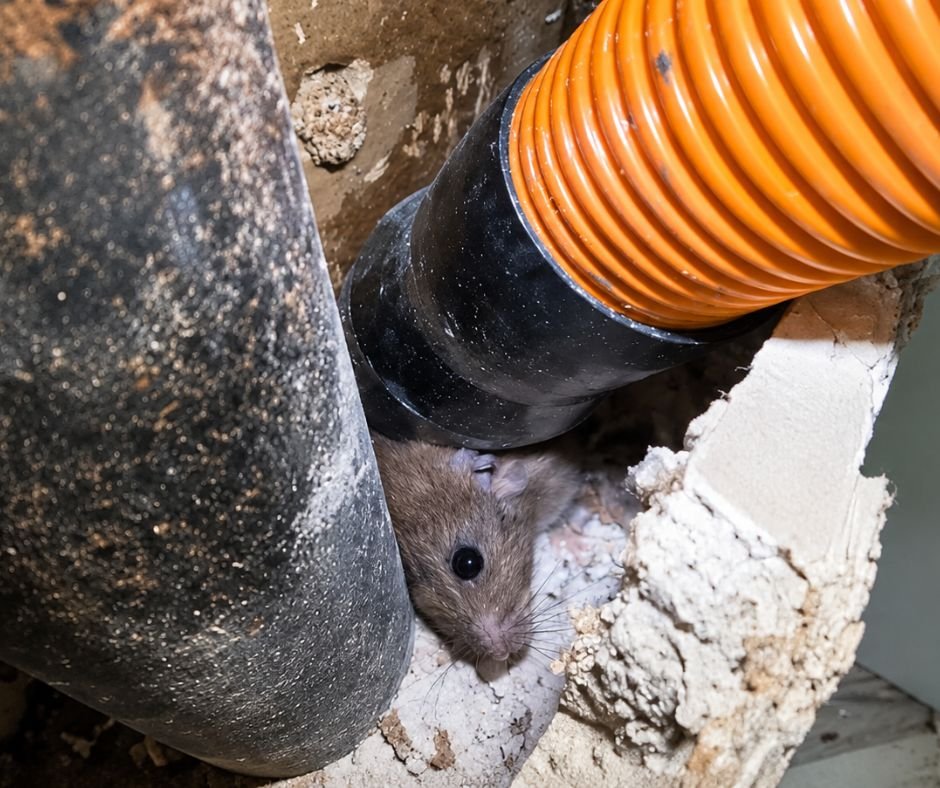
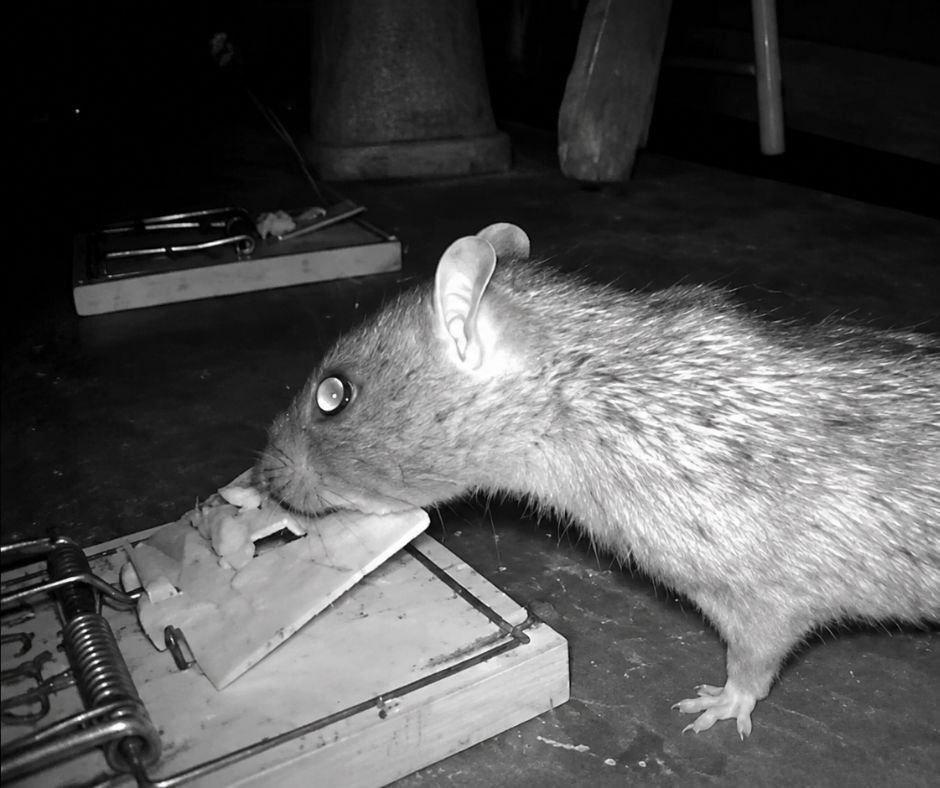
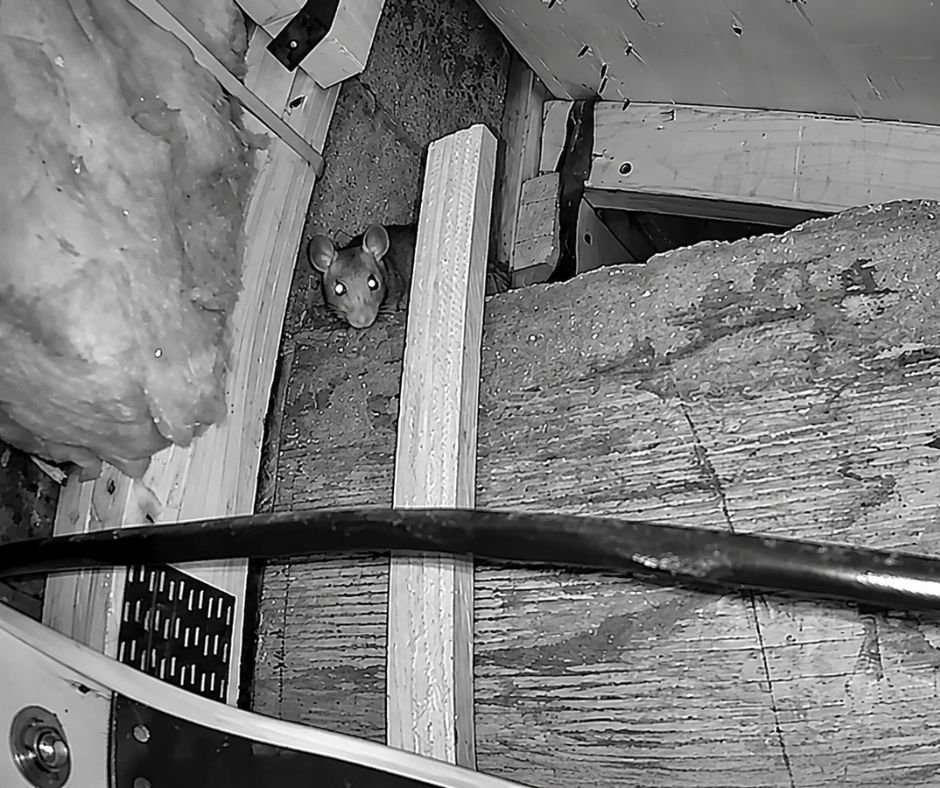
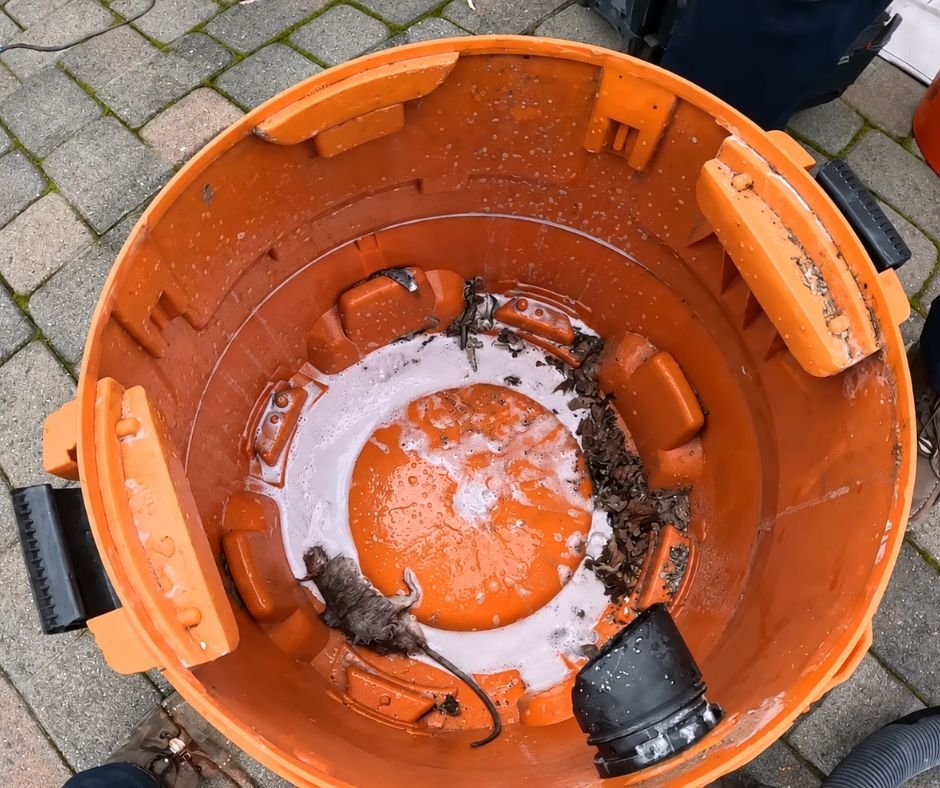
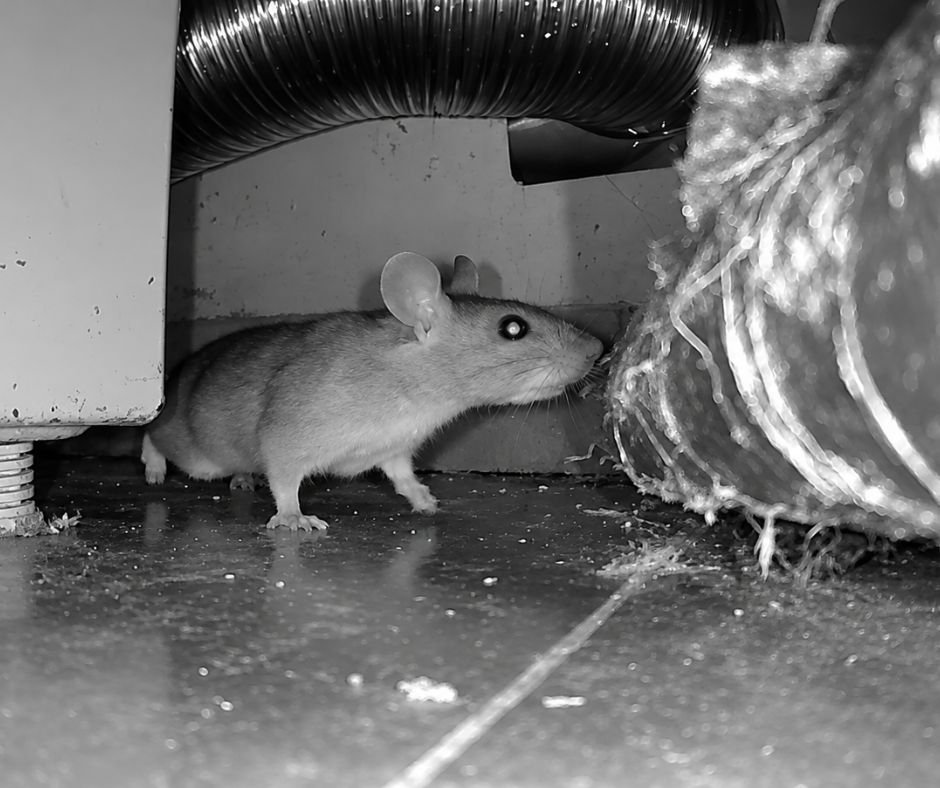
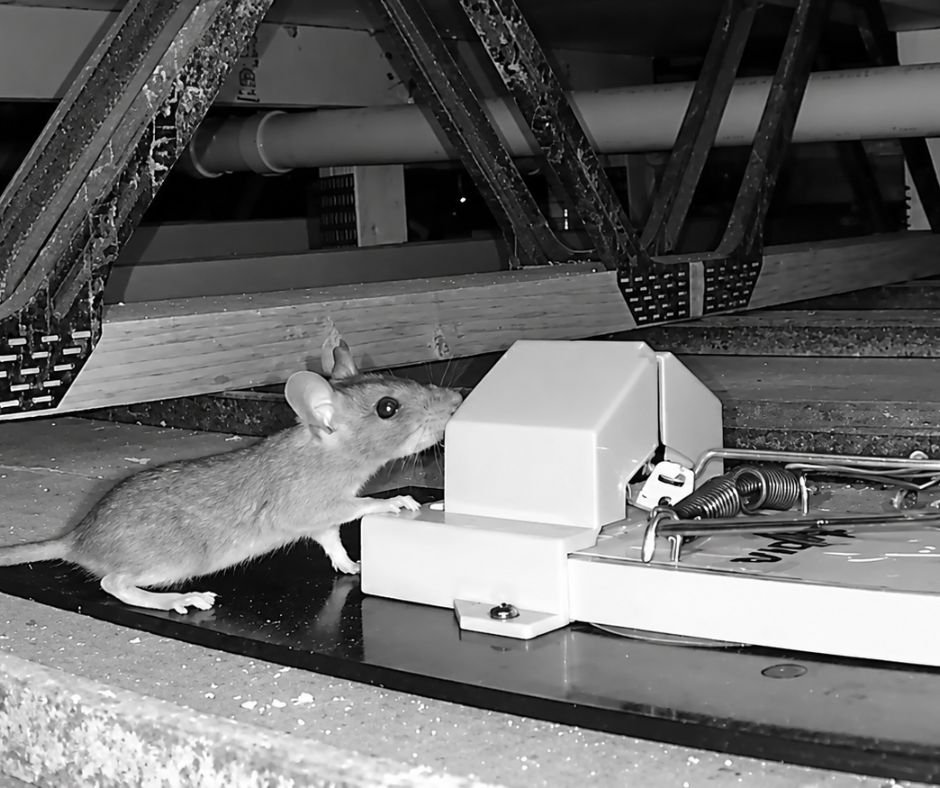
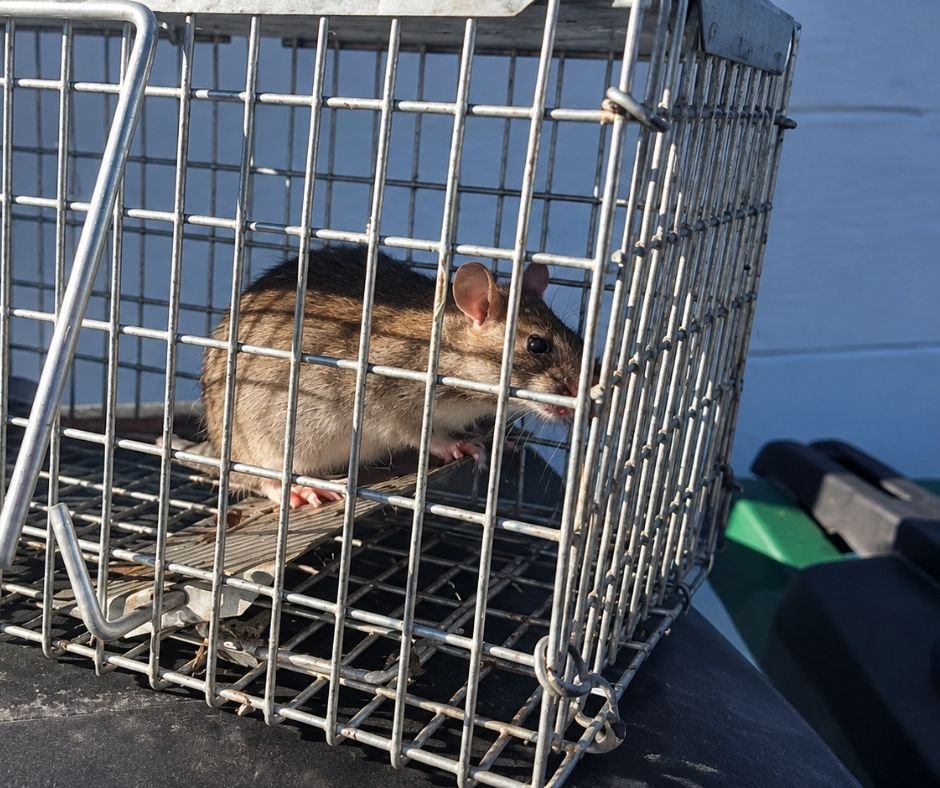
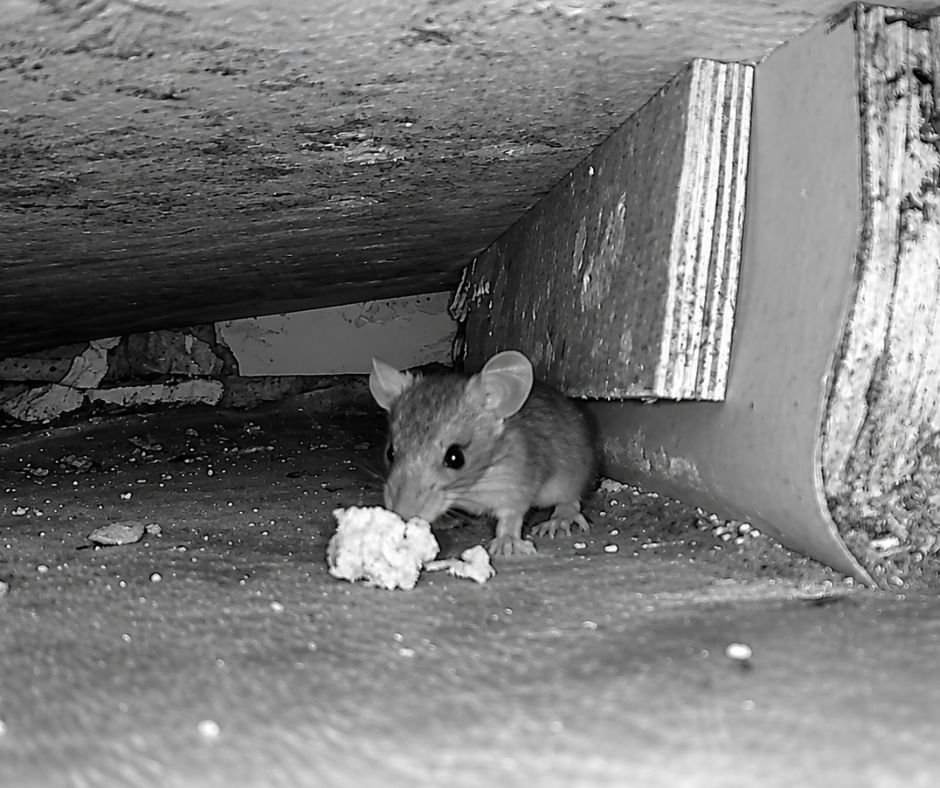
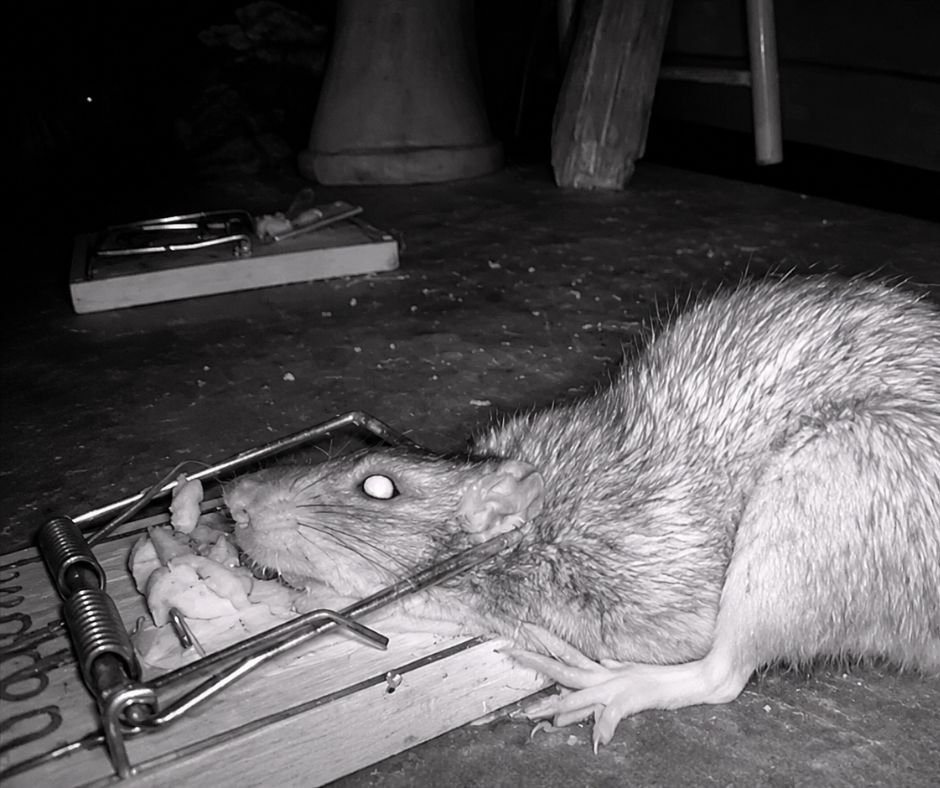
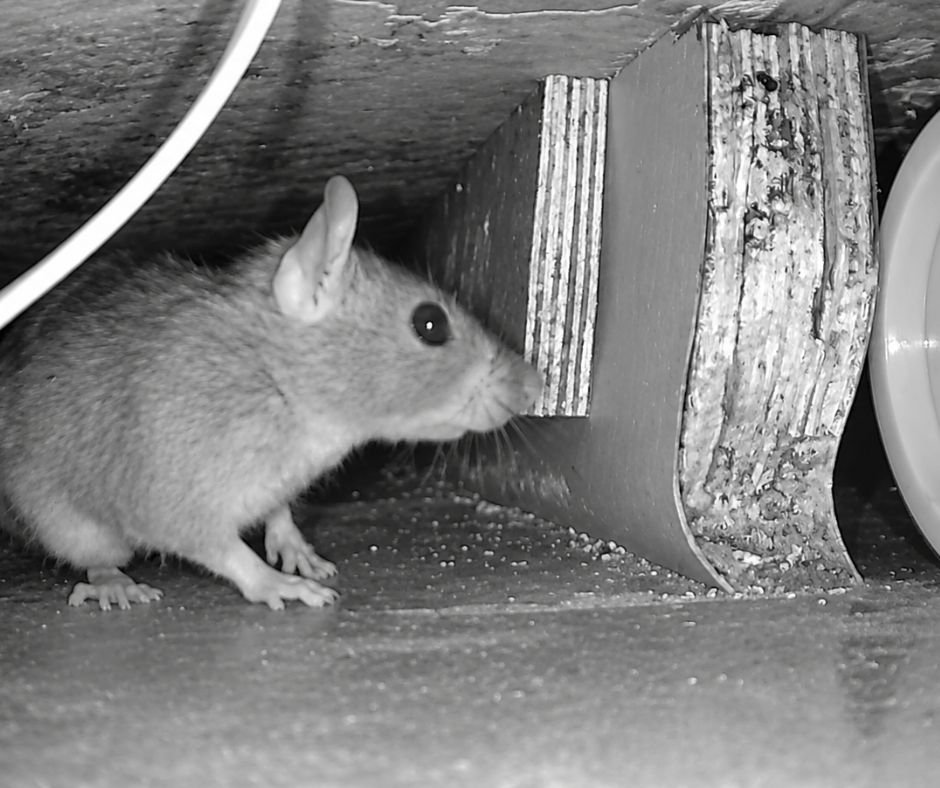
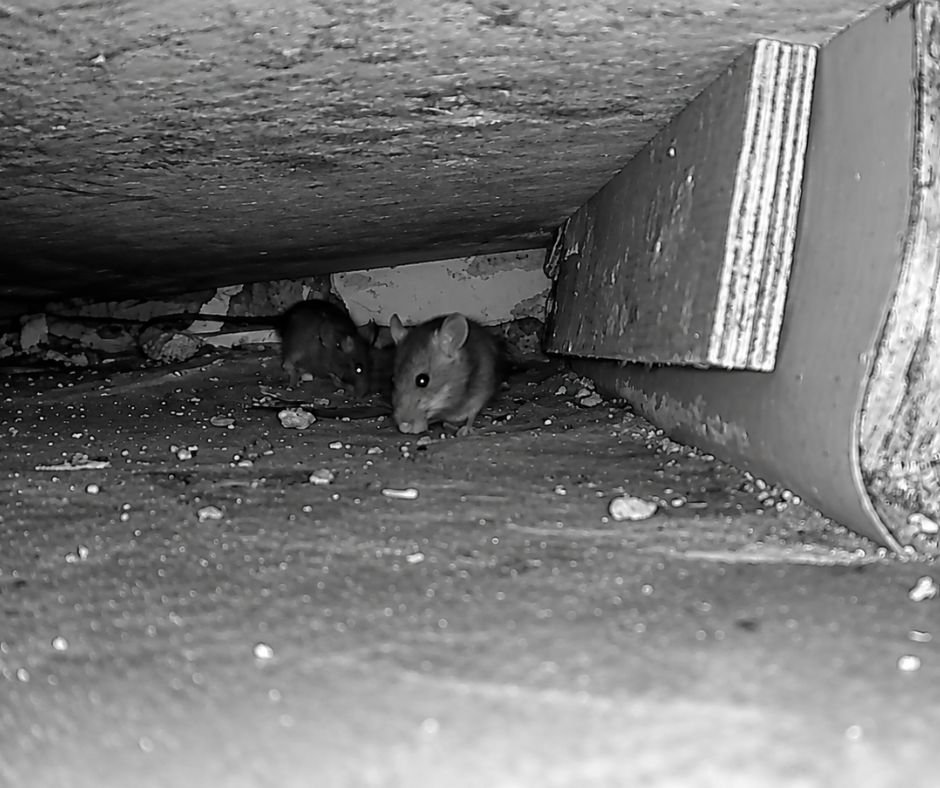
Mice travel inside the building through pipe chases, electrical risers and gaps around plumbing under sinks. They often start near the trash room or garage and move up. Sealing your unit helps, but the building also needs a plan for its shared spaces.
Miami and Miami-Dade County
Rodent Control and Rat Removal in Miami, FL
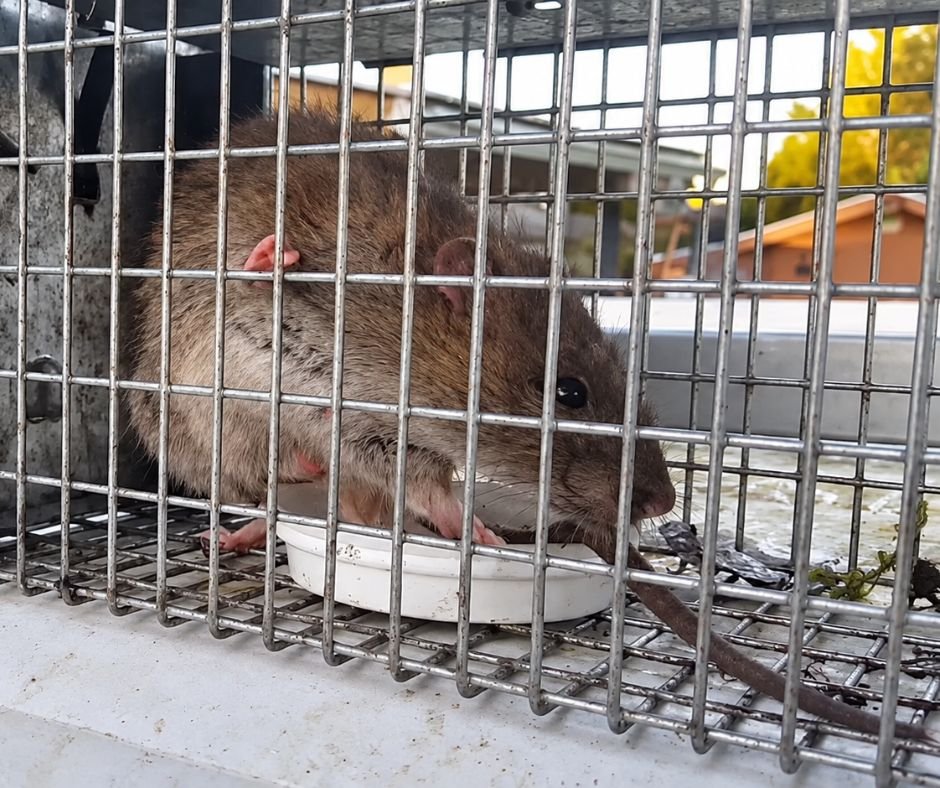
In Miami, rats live in palm fronds, mango trees, seawalls and the trash rooms of high-rise towers. We find how they reach your home or unit, close it with metal, trap the rodents already inside and come back to confirm the activity has stopped.
Why Miami is different
A City of Towers, Bungalows and Waterfront
Miami packs 442,241 people into about 36 square miles of land, between the Everglades and Biscayne Bay. Brickell and Edgewater are rows of condo towers. Little Havana, Coral Way and Coconut Grove are full of older homes under heavy tree canopy. The Miami River cuts through the middle with shipyards and cargo docks.
That mix means rodent control in Miami is really 2 jobs. In a house, it is about the roofline, the soffit, the palms and the fruit trees. In a high-rise, it is about the trash chute, the garage and the pipe chases that connect every floor.
Either way, the fix starts the same: find every entry point, seal it, then trap. You see the plan and the price first, and nothing starts until you approve it.
We handle homes, condo units and whole buildings, plus restaurants and businesses.
Miami at a glance
- City
- Miami, county seat of Miami-Dade County
- Population
- 442,241 (2020 census)
- Climate
- Tropical monsoon, wet season May to October
- Main rodent
- Roof rat (Rattus rattus)
- Skyline
- More than 300 high-rises
- Hurricane season
- June 1 to November 30
- Call
- (561) 562-7607, 24/7
Source: Wikipedia, Miami (2020 census, climate, skyline).
Condos, apartments and towers
Rats and Mice in Miami High-Rise Buildings
Miami has the third-largest skyline in the country. Living 30 floors up does not keep rodents out. Mice and rats ride the building’s own systems from the ground floor upward, so one unit cannot fix the problem alone.
Trash
Chutes and trash rooms
The trash chute is a vertical food line. Spills at the bottom, loose chute doors and dumpsters left open give rodents a reason to move in and climb.
Utilities
Pipe and wire chases
Plumbing stacks, electrical risers and the gaps where pipes pass through walls under sinks let mice move from floor to floor and unit to unit.
Garage
Parking levels
Open garage gates, storage cages and the gap under service doors are easy ways in from the street.
Retail
Ground-floor restaurants
Many Brickell and Downtown towers have cafes and restaurants at street level. Their grease, deliveries and back doors draw rodents right to the building.
Landscape
Palms and planters
Pool decks, amenity terraces and planters full of palms and dense shrubs give roof rats cover close to the walls.
Your unit
Signs inside a condo
Droppings under the kitchen sink or behind the fridge, chewed food boxes and scratching inside walls or the ceiling at night.
For condo boards and managers
- Building-wide inspection: trash rooms, garage, roof, mechanical rooms
- Sealing plan for chases, chute doors and service entrances
- Locked bait stations around the outside of the building
- Written logs after every visit for the board and residents
Renting an apartment?
Under Florida law, unless the lease says otherwise in writing, the landlord of a unit other than a single-family home or duplex must provide extermination of rats and mice. If the work requires you to leave, it is up to 4 days, with 7 days’ written notice, and the landlord must reduce the rent for that time.
Sources: Wikipedia, Miami (skyline). Florida Statutes, Section 83.51(2)(a).
Know your rodent
Which Rodent Is in Your Miami Home?
The right fix depends on the animal. A roof rat in the attic and a mouse in a condo kitchen get in very different ways.
| Rodent | What it looks like | Where we find it in Miami | How it gets in |
|---|---|---|---|
| Roof rat (Rattus rattus) | 12 to 14 inches long with the tail, slim, tail longer than the body. In Florida the back can be black, gray or brownish gray. | Attics, palm fronds, fruit trees, soffits and roof voids across the city | Climbs palms, wires and fences, then enters at the roofline, vents and soffit gaps |
| Norway rat (Rattus norvegicus) | Heavier rat with a shorter tail that lives and burrows on the ground | Less common in Florida, but seen near seawalls, docks, dumpsters and loading areas | Burrows under slabs and seawalls, gaps under doors and around pipes at ground level |
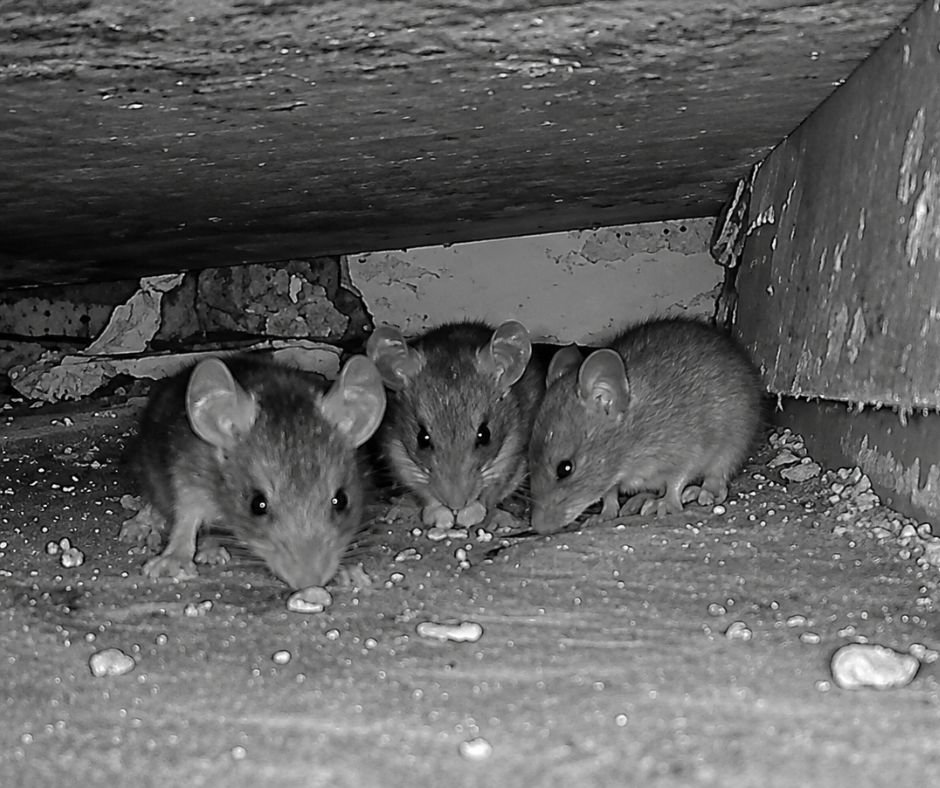
| House mouse (Mus musculus) | Small, gray brown, much smaller droppings than a rat | Condo kitchens, pantries, garages and storage rooms | Tiny gaps around pipes, cables, door sweeps and shared walls |
Source: UF/IFAS Extension, Roof Rats publication UW120 (size, colors, roof rat as Florida’s most abundant rodent pest, Norway rat rare in Florida).
Miami River and Biscayne Bay
Living on the Water Brings Rodents Close
The Miami River runs 5.5 miles from the Miami Canal near Miami International Airport to Biscayne Bay at Brickell Point. Its banks hold shipyards, dry docks, small cargo terminals and riverfront towers. Rats use the same water and food that people do.
5.5mi
Miami River
A working river with ship repair yards and cargo docks along Allapattah and Downtown.
150yd
Roof rat range
Roof rats travel up to 150 yards from the nest to find food or water.
5-8
Pups per litter
Roof rats breed all year in Florida, with up to 4 or 5 litters a year.
40%
Homes in floodplains
About 40% of Miami homes sit in flood risk zones. Flooding can push rodents into buildings.
Waterfront homes and docks
On the bay in Coconut Grove and along the river, we check seawall edges, boat lifts, dock boxes, sheds and the space under decks for burrows and nests.
Riverfront condos and marinas
Towers along the river share the shoreline with marinas and boatyards. We focus on the ground floor, garage and trash areas facing the water.
Sources: Wikipedia, Miami River (Florida) and Miami (floodplain share). UF/IFAS Extension, UW120 (roof rat breeding and range).
Services available in Miami
Rat and Mouse Removal Services in Miami
Most Miami jobs combine a few of these: an inspection, sealing, trapping and cleanup. Choose a service to learn more, or call and we will tell you what your property needs.
Residential Rodent ControlAttic and crawl space rat removal for Miami homes, from frame houses in Little Havana to condos in Brickell.Learn More →
Commercial Rodent ControlScheduled service with written visit logs for restaurants and shops in Brickell, Downtown and Wynwood.Learn More →
Rodent RemovalTraps placed on the paths rats use and checked on return visits until the activity stops.Learn More →
Dead Rodent RemovalBad smell in a wall or ceiling? We find and remove the dead rodent, then clean and deodorize the area.Learn More →
Rodent CleanupRemoval of droppings, urine and nests from attics and garages, with advice on insulation replacement.Learn More →
Rodent ExterminatorEPA and FDACS certified technicians who use traps indoors and follow product labels around kids and pets.Learn More →
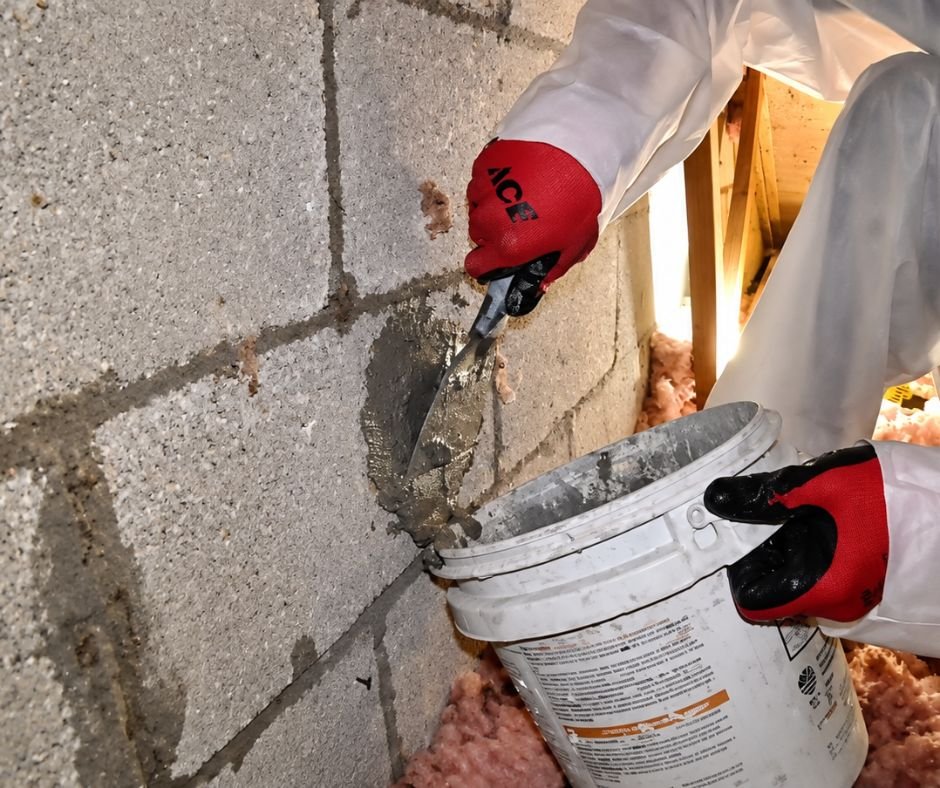
Rodent ExclusionWe seal soffits, roof vents, pipe gaps and garage corners with metal and mortar so rats cannot get back in.Learn More →
Rodent Feces RemovalCareful cleanup of droppings with disinfectant, never sweeping or vacuuming, which can spread germs.Learn More →
Rodent ProofingDoor sweeps, vent screens, roofline sealing and tree trimming advice for Miami homes.Learn More →
Neighborhood by neighborhood
Rat Control in Miami Neighborhoods
Each part of Miami has its own building types and its own weak spots. This is where we look first.
Brickell and Edgewater
Condo towers
Brickell is Miami’s densest neighborhood. Mice in units, rats in garages, trash rooms and around street-level restaurants.
Little Havana
Older wood-frame homes
Some of the city’s oldest wood-frame buildings sit near the river, along with bungalows and small apartment buildings. Old vents and roof gaps let roof rats in.
Coconut Grove
Deep tree canopy
One of Miami’s greenest areas, on Biscayne Bay. Thick trees touching roofs give roof rats a direct path to the attic.
Coral Way
1920s bungalows under banyans
Mission Revival homes and 1920s bungalows along a corridor once planted with 1,200 banyan trees. Low branches and old soffits are the usual entry points.
Wynwood
Old warehouses, new restaurants
Former garment warehouses are now galleries, breweries and restaurants. Rodents follow the food waste and use gaps in old masonry.
Allapattah and Little Haiti
Markets, shops and homes
Allapattah has the Produce Market and riverside shipyards. Little Haiti mixes homes with shops near the Caribbean Marketplace. We check yards, sheds and food storage.
Sources: Wikipedia articles for Brickell, Little Havana, Coconut Grove, Coral Way, Wynwood, Allapattah and Little Haiti.
Hurricane season
Storms and Rodents: A Miami Season Plan
Hurricane season runs from June 1 to November 30, and Miami’s most likely time for a hit is mid-August to the end of September. Storms and flooding push rats and mice into homes and buildings. Here is how to stay ahead of it.
- May
Seal before the rain
The wet season starts in May. Close roofline gaps, vent openings and pipe holes while the weather is still dry.
- June to July
Trim and store
Cut palms and branches back from the roof. Store food, pet food and bird seed in thick plastic, glass or metal bins with tight lids.
- Aug to Sept
Peak storm weeks
Keep storm supplies sealed. Rodents can squeeze through holes as small as a dime, so check doors and shutters after each storm.
- After a storm
Watch for new damage
Torn soffits, lifted roof tiles and broken screens are new doors for rats. Air out a building that sat closed for 2 to 3 days before going in.
- Cleanup
Clear debris fast
Piles of branches and storm debris become rat shelter. Get them to the curb and picked up, and do not sweep or vacuum droppings you find.
Sources: Wikipedia, Miami (hurricane season and wet season). CDC, What to Do to Protect Yourself From Animals After a Disaster.
Mangoes, palms and fruit
Is Your Yard Feeding Roof Rats?
Miami yards are full of food for rats. UF/IFAS lists mangos, bananas, carambolas, lychees, papaya and citrus among the fruits roof rats eat. They chew large pieces out of a mango or hollow out a citrus fruit through a hole about the size of a quarter.
Palms are the other big draw. Roof rats nest in the skirt of old, dead fronds that hangs under the crown of many palms. From there it is a short jump to the roof.
Keeping the yard clean helps, but it does not replace sealing. If a rat can reach the roof, it will look for a way in. See our rodent exclusion work.
Yard steps that help
- Pick up fallen mangos and fruit every day during the season.
- Trim dead fronds off palms and keep branches away from the roof, fences and wires.
- Prune lower branches so the ground under fruit trees is open.
- Wrap isolated tree trunks with a sheet metal band 18 to 24 inches wide as a rat guard.
- Set traps from dusk to dawn, and leave them in place at least a week. Roof rats are wary of new objects.
- Any outdoor bait goes in tamper-resistant stations. In Miami’s humidity, paraffin baits hold up best.
Source: UF/IFAS Extension, Roof Rats publication UW120.
Restaurants and businesses
Commercial Rodent Control in Miami
From cafes on Calle Ocho to breweries in Wynwood and produce sellers in Allapattah, Miami businesses handle a lot of food. Florida restaurants are inspected by state inspectors from the Department of Business and Professional Regulation, and rodent activity can lead to a closure. We set up service that keeps records ready for an inspection.
| Business | Where rodents get in | What we set up |
|---|---|---|
| Restaurants and cafes | Back doors, grease areas, dumpster pads, gaps around kitchen pipes | Door sweeps, sealed pipe gaps, traps inside, written logs after each visit |
| Food warehouses and markets | Loading docks, pallets, roll-up doors, stored produce | Locked bait stations outside, numbered and mapped, dock door seals |
| Condo and apartment buildings | Trash rooms, chutes, garages, utility chases | Building-wide sealing plan and scheduled visits |
| Marinas and riverfront businesses | Seawalls, docks, boat storage, sheds | Exterior stations and checks along the waterline |
Source: Local 10 News, Dirty Dining coverage of Miami-Dade restaurant inspections by the Florida Department of Business and Professional Regulation.
Miami-Dade 311, trash rules and safety
Local Help, Trash Rules and Florida Law
Rodents follow trash, dumping and overgrowth. These City of Miami and Miami-Dade County services help you fix the cause, not just the rats.
311
Report it to 311
Miami-Dade 311 takes non-emergency requests for the County and the City of Miami. Dial 311, or 305-468-5900 from outside the county. It runs Monday to Friday 7 a.m. to 7 p.m. and Saturday 8 a.m. to 5 p.m., in English, Spanish and Haitian Creole, and through the 311 Direct app.
Dumping
Illegal dumping next door
Report illegal dumping or litter in the City of Miami through 311. City of Miami Code Compliance assigns an inspector within 7 business days.
Trash
Garbage and bulky trash
City of Miami garbage pickup is twice a week. Put carts out 12 to 24 hours before pickup and bring them in within 24 hours. Bulky trash goes out the evening before your weekly day, in pieces no longer than 3 feet and no heavier than 50 pounds.
License
Check the FDACS license
Pest control companies in Florida are licensed by the Florida Department of Agriculture and Consumer Services under Chapter 482, Florida Statutes. Our team is EPA and FDACS certified.
Health
Clean droppings the CDC way
Do not sweep or vacuum droppings. Wear gloves, spray with 1 part bleach to 9 parts water, let it soak 5 minutes and wipe up with paper towels. Or let us handle rodent cleanup.
Odor
Smell in the wall?
A strong smell that grows over a few days usually means a rodent died inside a wall, ceiling or AC chase. We find it and remove it. See dead rodent removal.
Sources: Miami-Dade County 311 Contact Center. City of Miami, Report Illegal Dumping and Garbage, Recycling and Bulky Trash Schedules. CDC, How to Clean Up After Rodents.
Primary Miami response zone
Miami service coverage
Is your ZIP on the route?
These ZIP codes cover the City of Miami. We also serve nearby cities like Miami Beach, Coral Gables and Hialeah. Call if you do not see yours.
331253312633127331283312933130331313313333135331363313733142331443314533150
Areas we serve
Check my address →
Brickell · Downtown · Little Havana · Coconut Grove · Wynwood · Allapattah · Little Haiti · Edgewater · Flagami
Miami rodent control FAQ
Miami Rat and Mouse Questions, Answered
From Brickell condos to Coral Way bungalows, these are the questions Miami residents ask most. Need a real answer for your property? Call us.
Call (561) 562-7607 →Under Section 83.51 of the Florida Statutes, unless the lease says otherwise in writing, the landlord of a unit other than a single-family home or duplex must provide extermination of rats and mice. In a condo you own, the inside of your unit is usually your job and shared areas belong to the association, so check your condo documents.
Yes. UF/IFAS notes that roof rats nest in the skirt of old fronds on palm trees. Trimming dead fronds and keeping palms from touching the roof cuts off both the nest and the path to your attic.
Very likely. Roof rats eat large sections out of mangos, bananas and carambolas and hollow out citrus. Pick up fallen fruit daily, harvest early and keep the tree’s branches away from the house, fences and wires.
The CDC warns that rats and mice can get into homes and buildings after a disaster like a hurricane. Storm damage opens new gaps in roofs and soffits, and debris piles give rodents shelter. Have your home checked after a storm, before a few rats become a colony.
We did not find a published Miami average. National figures from HomeAdvisor put the average rodent removal job at about $395, with most between $189 and $655, and sealing entry points at $200 to $600. These are national market averages, not our quote. Your price comes in writing after the inspection, before any work starts.
311 handles non-emergency County and City of Miami requests, such as illegal dumping, missed trash pickup and property problems that attract rodents. It does not treat rodents inside your home. For that you need a licensed pest control company.
We serve homes and buildings across Miami and nearby Miami-Dade communities, including Miami Beach, Miami Springs, Brownsville and Gladeview. Call (561) 562-7607 any time, 24/7, and tell us where you are.
Miami dispatch is ready
Rats in Your Miami Home or Business?
Call now. We will inspect the property, show you where rodents are getting in, and seal it so they stay out.
Request Miami service
Give us a call. We’ll handle the next step.
Call us, tell us what you are seeing and where you are located, and our team will confirm the right appointment type and timing.
Serving MiamiMiami, Florida(561) 562-7607Open 24 hours · 7 days a week