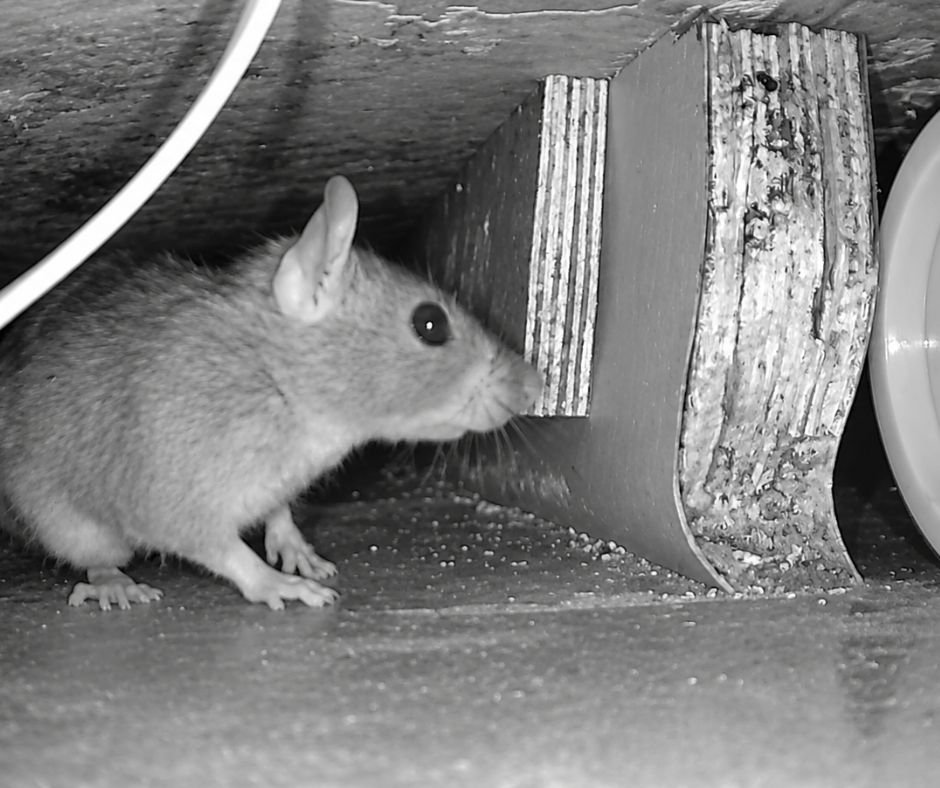
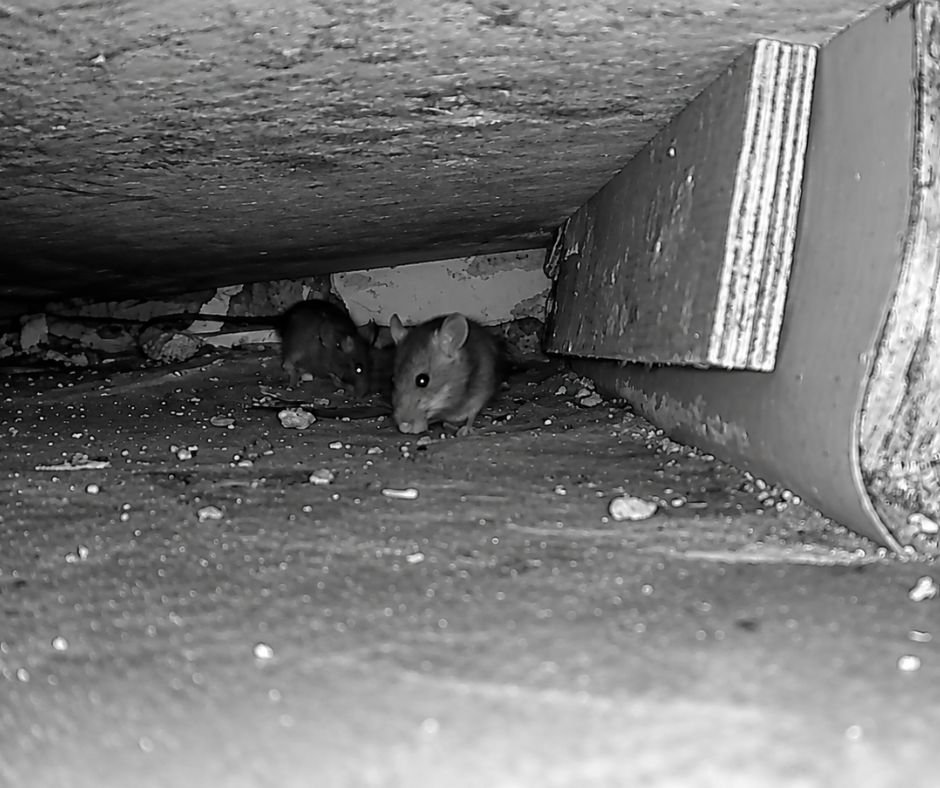
Yes. Many of the homes we see near US 192 are owned by people who live elsewhere. We send photos and a written plan with the price, you approve it, and we schedule work around guest check-ins and your property manager.
Kissimmee and Osceola County
Rodent Control and Rat Removal in Kissimmee, FL
A vacation home off US 192 that sits empty between guests. A house near Shingle Creek after a week of heavy rain. A downtown building with a kitchen on the ground floor. We find how rats and mice get into Kissimmee properties, close those gaps with metal and keep trapping until the activity is gone.
Why Kissimmee is different
Lakefront, Tourist Strip and Old Downtown in One City
Kissimmee is the county seat of Osceola County and sits on the northwest shore of Lake Tohopekaliga, which most people here call Lake Toho. Within a few miles you go from the lakefront and the creeks that feed it, to the hotels and rental homes along US 192, to the older blocks around downtown and the Kissimmee Historic District.
Each of those settings feeds rodents in its own way. Water and thick plant cover along the lake. Trash, grills and empty houses on the tourist side. Older roofs, shared walls and restaurant kitchens downtown. That is why rodent control in Kissimmee starts with a full look at the property, not a box of bait.
Every job starts with an inspection. You see the plan and the price, and nothing begins until you approve it.
Kissimmee at a glance
- County
- Osceola County seat, incorporated 1883
- Population
- 79,226 (2020 census)
- Lake Toho
- About 22,700 acres, the largest lake in the county
- Rainfall
- About 52.6 inches a year
- Homes
- 46.3% owner occupied, so many renters and rental owners
- Main pests
- Roof rats, Norway rats, house mice
- Call
- (561) 562-7607, open 24/7
Sources: Wikipedia (Kissimmee, Lake Tohopekaliga), U.S. Census Bureau QuickFacts.
Short-term rentals near the parks
Vacation Homes off US 192: Quiet Weeks Invite Rats In
Many Kissimmee and Osceola County homes rent to visitors heading to Disney and the other parks. A rental can sit empty for days, then fill with a family cooking big meals and leaving bags by the curb. Rodents take advantage of both. Here is what we watch for in rental homes and pool homes.
01
Empty days
With no one home, roof rats explore the attic and garage without being disturbed. Owners often hear about it first from a guest.
02
Guest trash
Overfull carts, bags left on the ground and grill grease near the lanai draw Norway rats and mice to the back of the house.
03
Pantry leftovers
Open snack boxes, cereal and pet food left by guests are an easy meal for house mice in the kitchen and laundry room.
04
Pool equipment
Gaps around pool pump lines, AC lines and the screen enclosure base give rodents a covered path right to the wall.
State rule
Lodging must be rodent-proofed
Florida sanitation rules for public lodging establishments say buildings shall be effectively rodent-proofed and free of rodents. Vacation rentals are licensed through the Florida DBPR Division of Hotels and Restaurants, so a rat sighting is more than a bad review.
Remote owners
We work around your bookings
Many owners live out of state. We send photos of each entry point with the written plan and price, then schedule sealing and trap checks between check-ins once you approve.
Sources: Florida Administrative Code Rule 61C-1.004(3); Osceola County, Short Term Rental Planned Development (STRPD) page, licensing steps.
Lake Toho and Shingle Creek
When the Lake Rises, Rodents Move Uphill
Shingle Creek is the main stream flowing into Lake Toho, and it runs right through Kissimmee. The creek banks, wetland edges and canals around the lake give Norway rats soft soil for burrows and steady water to drink.
High water changes everything. During Hurricane Ian in 2022, Osceola County listed Shingle Creek and parts of Buenaventura Lakes and Poinciana as extreme flooding areas, and the city called for evacuations in some neighborhoods along the creek. When burrows flood, rats and mice climb into garages, crawl spaces and wall voids in the nearest dry building.
Hurricane Charley also hit Kissimmee directly in 2004 with winds over 100 mph. Storm damage like loose soffits, lifted shingles and torn screens is often how rodents find a new way into a house months later.
After a storm or heavy rain, check
- Soffit panels and fascia that bent or pulled loose
- Torn screens on gable and attic vents
- Garage door seals and the gap at the bottom corners
- Fresh holes in soil along the slab, seawall or dock
- Dropping piles in the garage, laundry room or under sinks
- Debris piles in the yard where rats can hide
Sources: Central Florida Public Media, Hurricane Ian flooding in Kissimmee (Oct 1, 2022); Wikipedia, Kissimmee and Lake Tohopekaliga.
Know what you are dealing with
The 3 Rodents Behind Most Kissimmee Calls
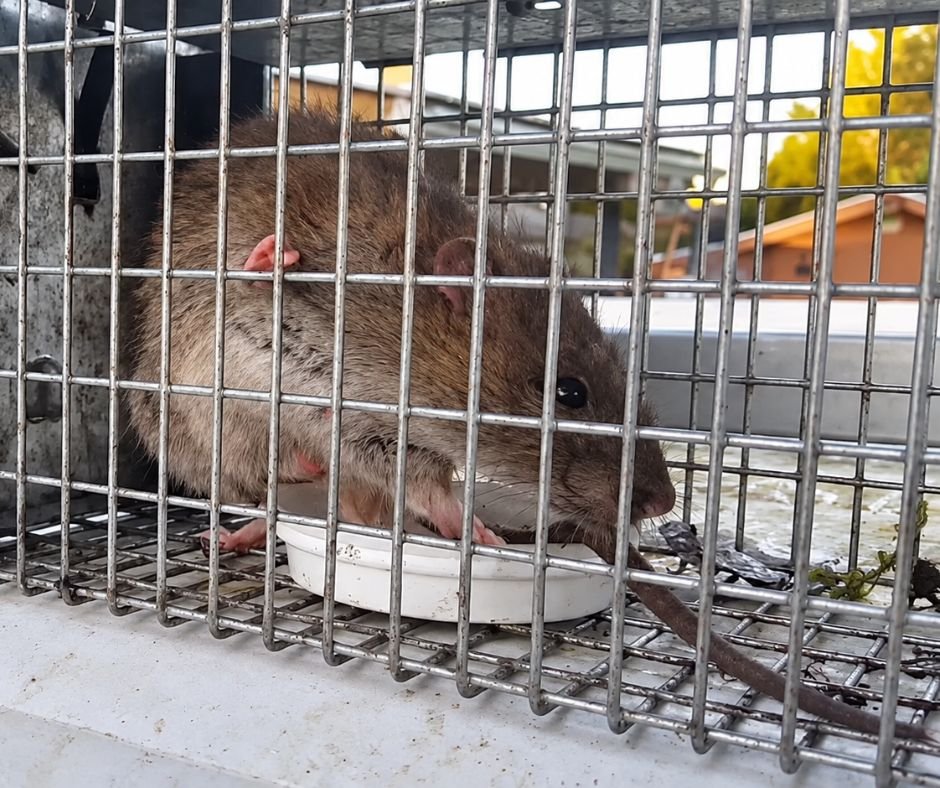
The treatment depends on the animal. A roof rat in the attic and a Norway rat under the slab need different sealing and different trap spots.
| Rodent | Where we find it in Kissimmee | Signs you will notice | Main fix |
|---|---|---|---|
| Roof rat (Rattus rattus) | Attics, palm crowns, oak canopy, citrus trees in older yards | Running sounds at night, dark pointed droppings about 1/2 inch long, rub marks on beams | Seal roof line gaps and vents, trim limbs and palms back from the roof, trap in the attic |
| Norway rat (Rattus norvegicus) | Lake and creek edges, burrows under slabs, dumpster areas behind businesses | Burrow holes in the soil along slabs and banks, gnawed doors, larger blunt droppings | Close gaps at ground level, fix door sweeps, ground traps and locked bait stations outside |
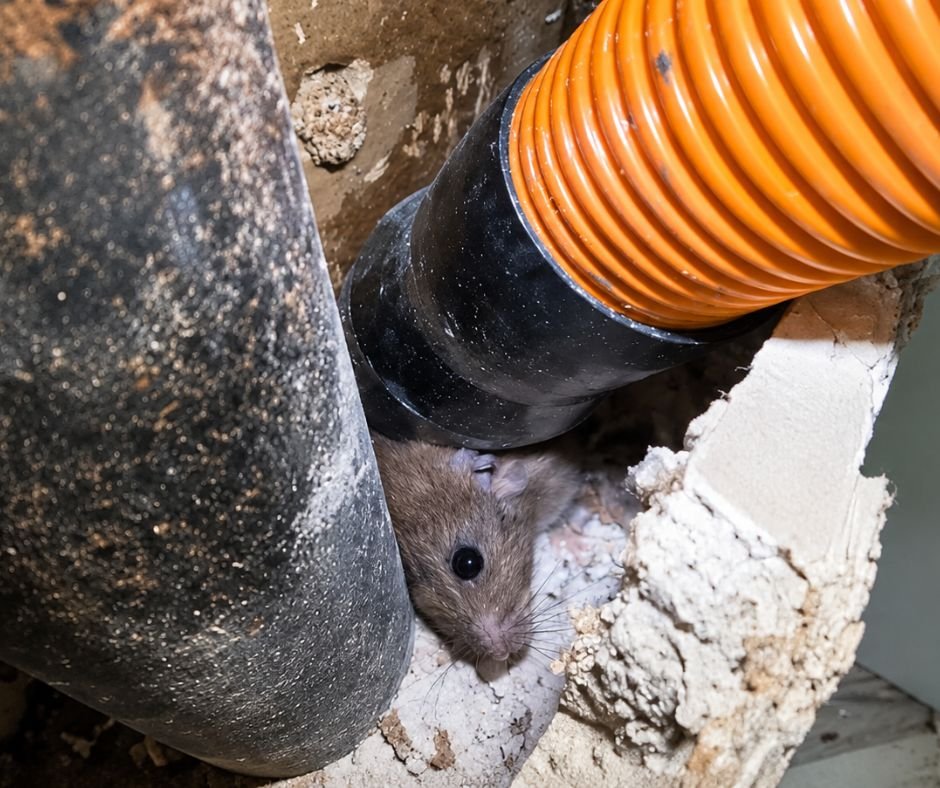
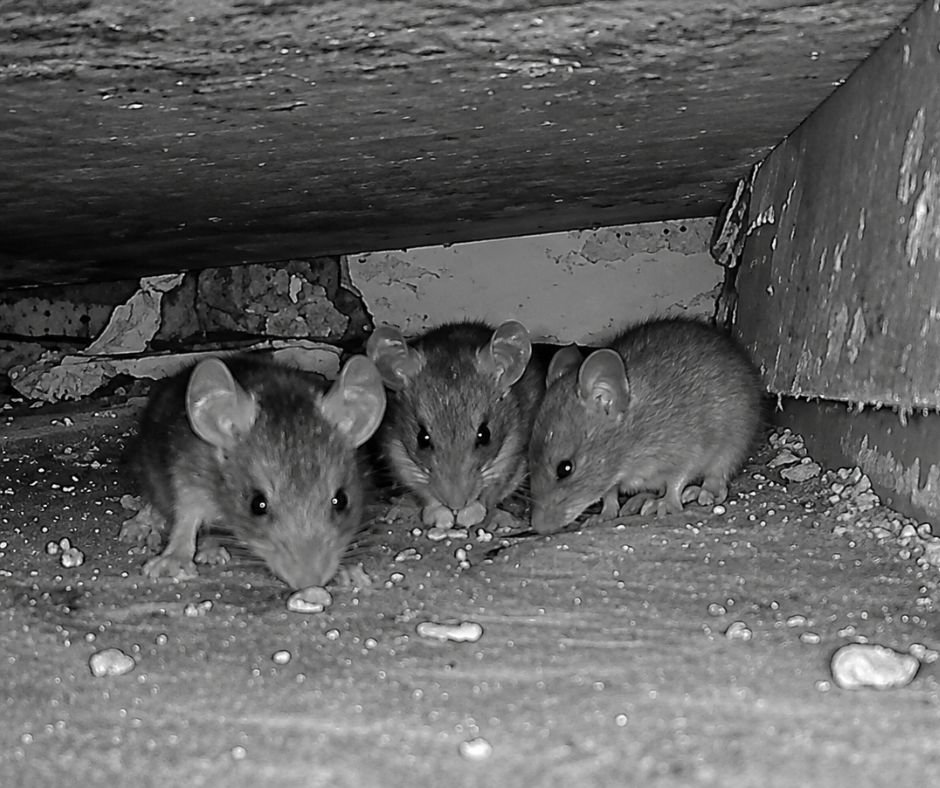
| House mouse (Mus musculus) | Kitchens, pantries and laundry rooms in rentals, apartments and new builds | Tiny droppings about 1/8 inch, chewed food boxes, nests in drawers | Seal pipe and cable gaps as small as 1/4 inch, snap traps in the kitchen, food in sealed bins |
Source: UF/IFAS Extension, Roof Rats (UW120) and Florida rodent publications.
Services available in Kissimmee
Rat and Mouse Removal Services in Kissimmee
Most Kissimmee jobs combine a few of these: an inspection, sealing, trapping and cleanup. Choose a service to learn more, or call and we will tell you what your property needs.
Residential Rodent ControlAttic and garage rat removal for Kissimmee homes, from the historic district near downtown to newer construction off US-192.Learn More →
Commercial Rodent ControlScheduled service with written visit logs for restaurants, hotels and vacation rental management companies along US-192 and near Old Town.Learn More →
Rodent RemovalTraps placed on the paths rats use and checked on return visits until the activity stops.Learn More →
Dead Rodent RemovalBad smell in a wall or ceiling, including a vacation rental between guests? We find and remove the dead rodent, then clean and deodorize the area.Learn More →
Rodent CleanupRemoval of droppings, urine and nests from attics and garages, with advice on insulation replacement before the next guest or tenant moves in.Learn More →
Rodent ExterminatorEPA and FDACS certified technicians who use traps indoors and follow product labels around kids, pets and guests.Learn More →
Rodent ExclusionWe seal soffits, roof vents, pool screen frames and garage corners with metal and mortar so rats cannot get back in between visits.Learn More →
Rodent Feces RemovalCareful cleanup of droppings with disinfectant, never sweeping or vacuuming, which can spread germs.Learn More →
Rodent ProofingDoor sweeps, vent screens, pool cage seals and tree trimming advice for homes and vacation rentals near Kissimmee.Learn More →
Downtown and the hotel corridor
Commercial Rodent Control in Kissimmee
Downtown Kissimmee mixes old storefronts near the Old Osceola County Courthouse with restaurants, offices and newer apartments. Older buildings share walls and roof spaces, so rats that start in one business can show up next door within days.
Out on US 192 the risk is volume: hotels, motels, timeshares and restaurants serving visitors all year, with large dumpster areas and loading doors that open many times a day. We build one plan for the whole site so the gaps are closed everywhere, not just in the unit that called. See our commercial rodent control page for more.
What commercial service covers
- Written service log after every visit, ready for a state inspector
- Numbered, locked bait stations around the outside of the building
- Door sweeps on back doors and loading areas
- Checks of dumpster pads, grease areas and storage rooms
- Sealing plans for shared walls in strip centers and older downtown buildings
Check before you call
6 Places to Look in a Kissimmee Home
You do not need to climb into the attic to know if you have a problem. Start with these spots. If you find signs in 2 or more, it is time for an inspection.
Lanai
Pool cage corners
Droppings or chewed screen at the bottom of the enclosure, where rats squeeze in at night.
Garage
Bags and boxes
Chewed pet food, grass seed or stored holiday boxes, plus droppings along the walls.
Kitchen
Under the sink
Gaps where pipes go through the cabinet floor are a top path for house mice.
Roof
Tile and soffit edges
Dark greasy marks where the roof meets the wall, or a soffit panel that hangs loose.
Yard
Fruit and bird seed
Hollowed citrus, half eaten mangoes or seed scattered under the feeder.
Smell
Musty or sharp odor
A stale urine smell in a closet or a rental that sat closed up for a while.
Our process
From Inspection to Sealed House
The steps are the same whether you live in the home or manage it from another state. The time it takes depends on the size of the house and how many rodents are inside.
- Visit 1
Look everywhere
Roof, attic, garage, lanai, pool equipment and yard. We photograph each opening and show you the plan and price.
- After approval
Close the gaps
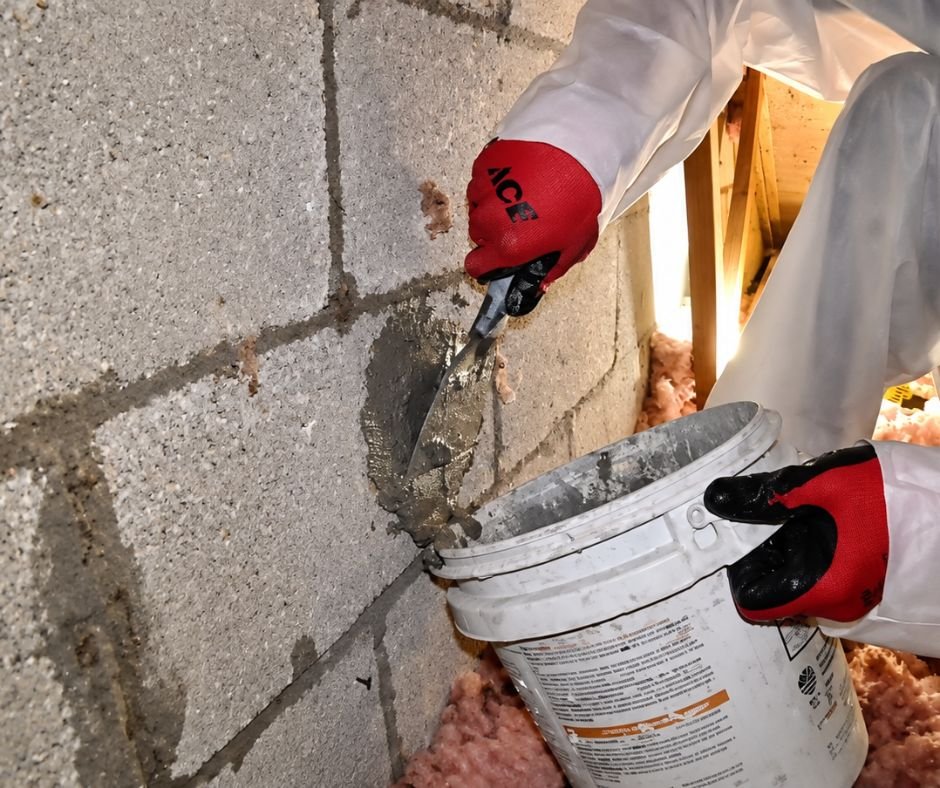
Openings sealed with sheet metal, 1/4 inch hardware cloth or concrete patch. See our rodent exclusion work.
- Next visits
Trap and check
Traps placed on the rodents’ travel paths, checked and moved on return visits.
- When activity stops
Clean up
Nests and droppings removed with disinfectant. Ask about rodent cleanup for attics.
- Follow-up
Confirm it held
A final check to make sure no new signs show up before we close out the job.
Kissimmee rules and phone numbers
City Trash and Code Rules That Help Keep Rats Away
Garbage is the number one food source for rats on the tourist side of town. These City of Kissimmee rules are worth knowing, especially if you manage a rental.
Carts
Bag it, set it out on time
Household garbage must be bagged. Carts go out by 7 a.m. on pickup day or the evening before, and should come back in promptly.
Fee
Carts left out
A cart still at the curb after 8 a.m. the next day can be rolled back by city crews with a $12.20 rollback fee.
Bulk
Furniture and branches
Bulk items and tree trimmings go out by 7 a.m. on your bulk day. Call Solid Waste at 407-518-2507. Charges show on your KUA bill.
Code
Trash or overgrowth next door
Report overgrown yards or trash in the yard to Kissimmee Code Enforcement at 407-518-2133. You must give your name and address.
City or county?
Check your address first
Many Kissimmee mailing addresses are in unincorporated Osceola County. Those homes get trash service from Waste Management and code cases go to the county, not the city.
Licensing
Hire a licensed company
Pest control in Florida is licensed by FDACS under Chapter 482, Florida Statutes. Our team is EPA and FDACS certified. Ask any company for its license number.
Sources: City of Kissimmee, Trash, Recycling and Yard Waste Schedule; Get Large Items Picked Up; Report a Code Violation (kissimmee.gov).
Common mistakes
What Kissimmee Owners Try First, and Why It Fails
Most people try a quick fix before calling. In a warm, wet place like Kissimmee, where rodents breed all year, quick fixes usually just buy a few weeks.
The CDC advises against sweeping or vacuuming droppings, because it can put germs in the air. Spray them with disinfectant or a bleach and water mix first, let it soak, then wipe up with paper towels while wearing gloves.
Skip these
- Poison inside the house. Rats can die in the walls and the smell can ruin a rental for weeks.
- Foam in the holes. Rodents chew through spray foam quickly.
- Sound devices. UF/IFAS finds no good evidence they keep rats away.
- Only setting traps. New rodents keep coming in until the openings are closed.
- Leaving bags by the cart. Loose trash bags draw Norway rats every night.
Primary Kissimmee response zone
Kissimmee service coverage
Is your ZIP on the route?
Kissimmee ZIP codes run from 34741 to 34747, plus 34758 and 34759. These are the ones we serve most, but we cover the whole city and Osceola County. Call if you do not see yours.
347413474234743347443474534746347473475834759
Areas we serve
Check my address →
Historic Downtown · Old Town · Lake Tohopekaliga waterfront · Buenaventura Lakes · US-192 vacation home corridor · Shingle Creek
Kissimmee FAQ
Kissimmee Rat and Mouse Questions
Homeowners, renters and vacation rental owners ask us these the most. Call if yours is not here.
Call (561) 562-7607 →Norway rats burrow in the soil along Lake Toho, Shingle Creek and the canals. When water fills those burrows, the rats move to the closest dry spot, which is often a garage, crawl space or wall void.
Florida sanitation rules for public lodging say buildings must be effectively rodent-proofed and free of rodents, and vacation rentals are licensed by the state DBPR. Sealing the home and keeping service records is the best protection.
Roof rats in attics and trees, Norway rats near water and dumpsters, and house mice in kitchens and pantries. Each one gets in a different way, so we identify the animal before choosing traps and sealing.
If the property is inside city limits, call Kissimmee Code Enforcement at 407-518-2133 and give your name and address. If it is in unincorporated Osceola County, the county’s code enforcement handles it.
Yes. We service restaurants, shops, offices, hotels and apartment buildings with locked outdoor bait stations, door sweeps, building-wide sealing and a written log after each visit.
Indoors we rely on sealing and traps, placed where kids and pets cannot reach them. Any outdoor bait goes in locked, tamper-resistant stations used by the label.
All of Kissimmee and the rest of Osceola County, including Buena Ventura Lakes, St. Cloud, Celebration and Poinciana. Call 24/7 at (561) 562-7607.
Kissimmee dispatch is ready
Rats in Your Kissimmee Home or Vacation Rental?
Call now. We will inspect the property, show you where rodents are getting in, and seal it so they stay out.
Request Kissimmee service
Give us a call. We’ll handle the next step.
Call us, tell us what you are seeing and where you are located, and our team will confirm the right appointment type and timing.
Serving KissimmeeKissimmee, Florida(561) 562-7607Open 24 hours · 7 days a week