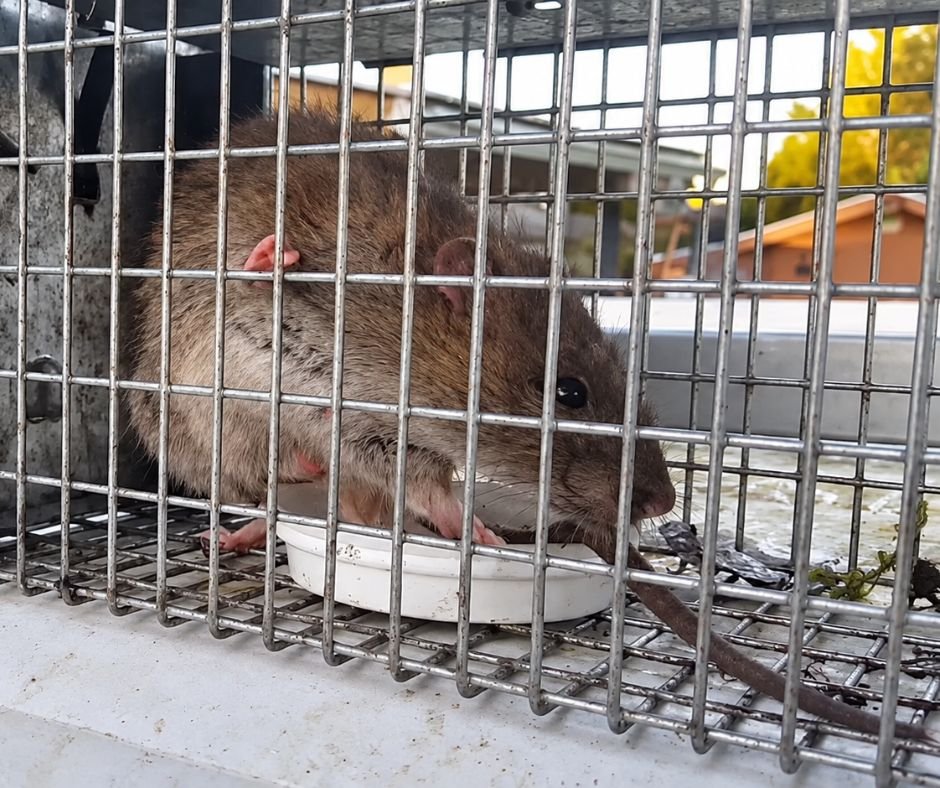
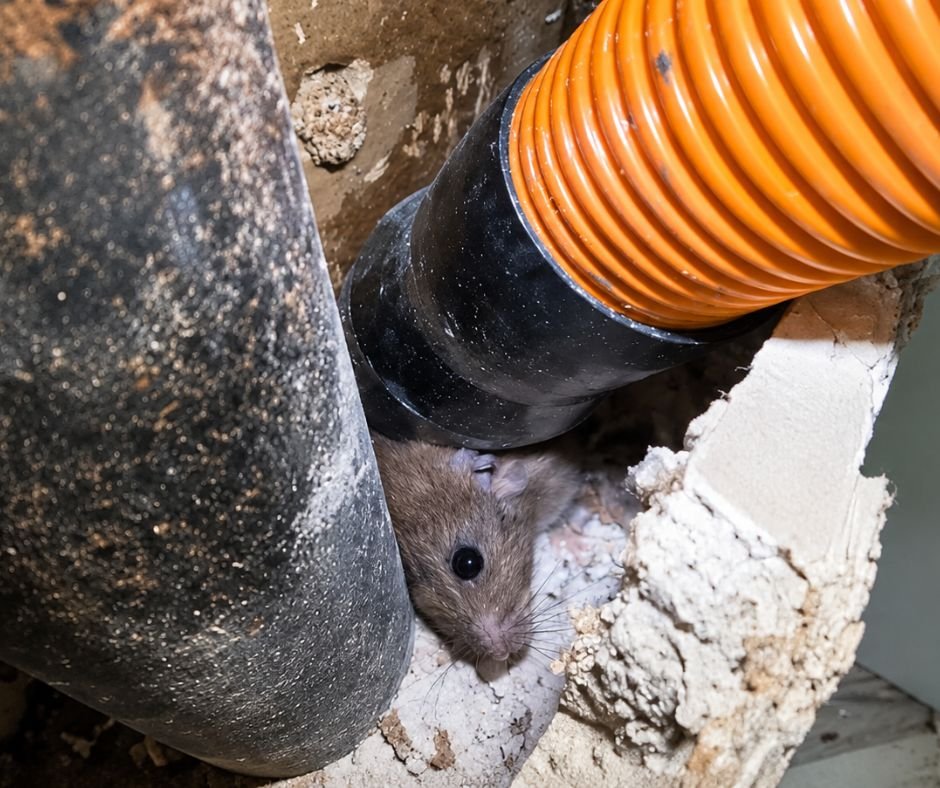
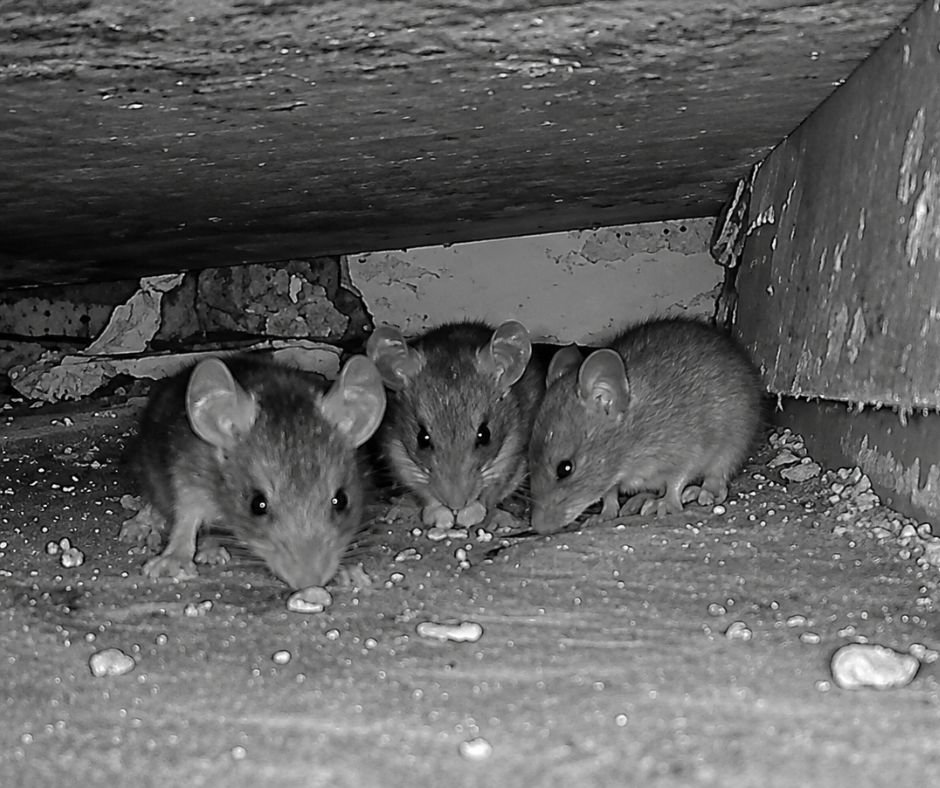
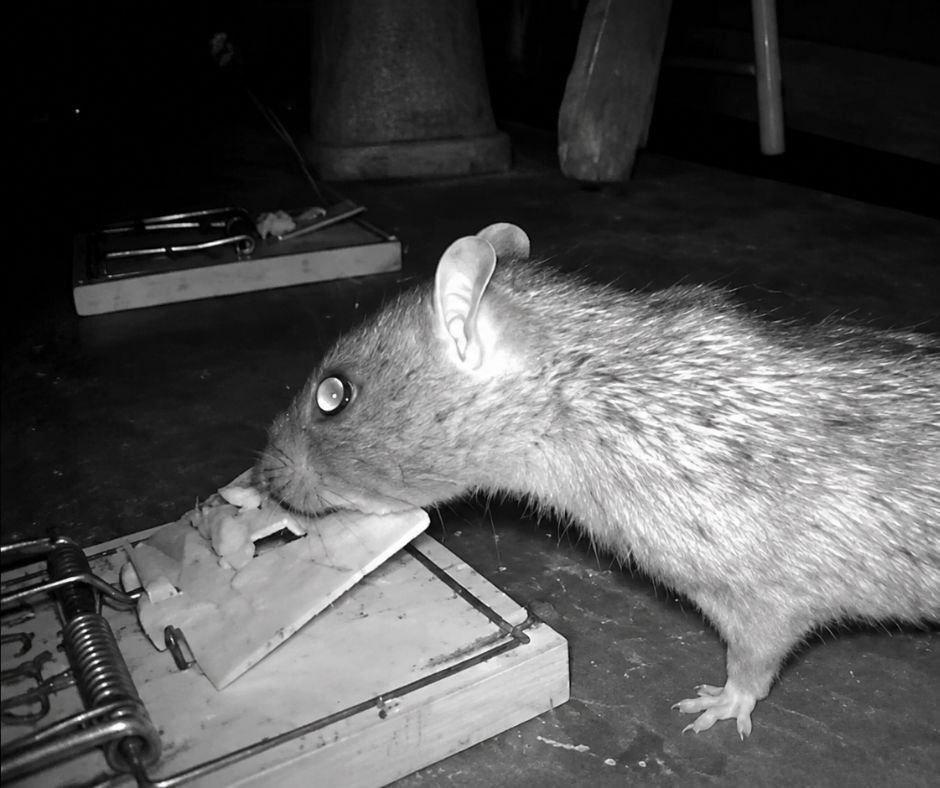
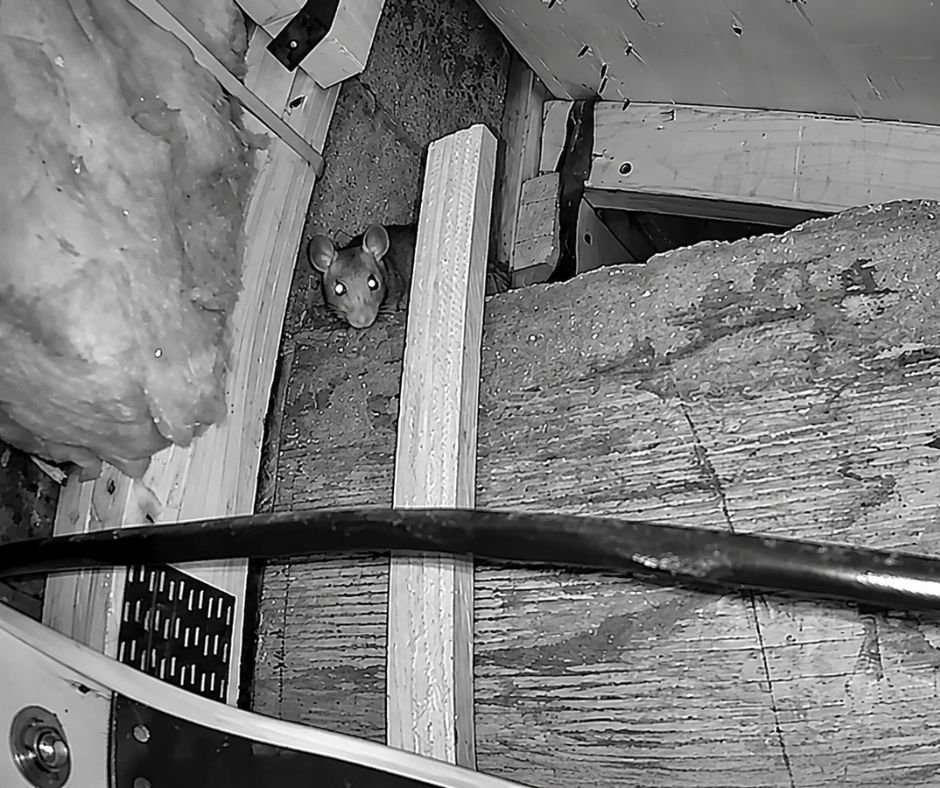
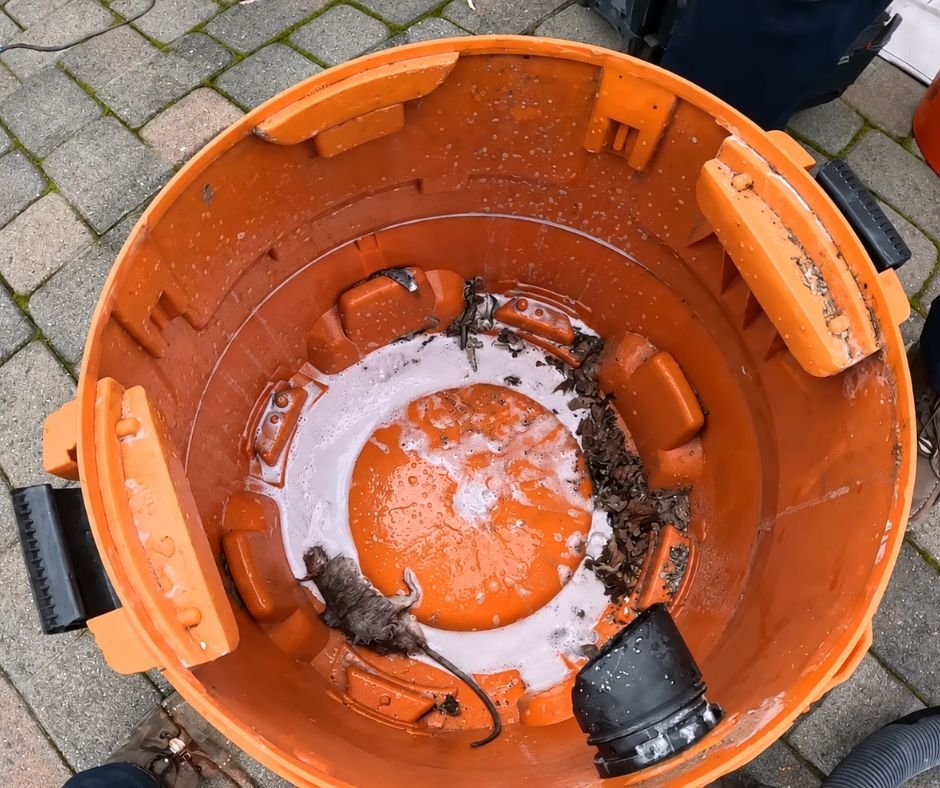
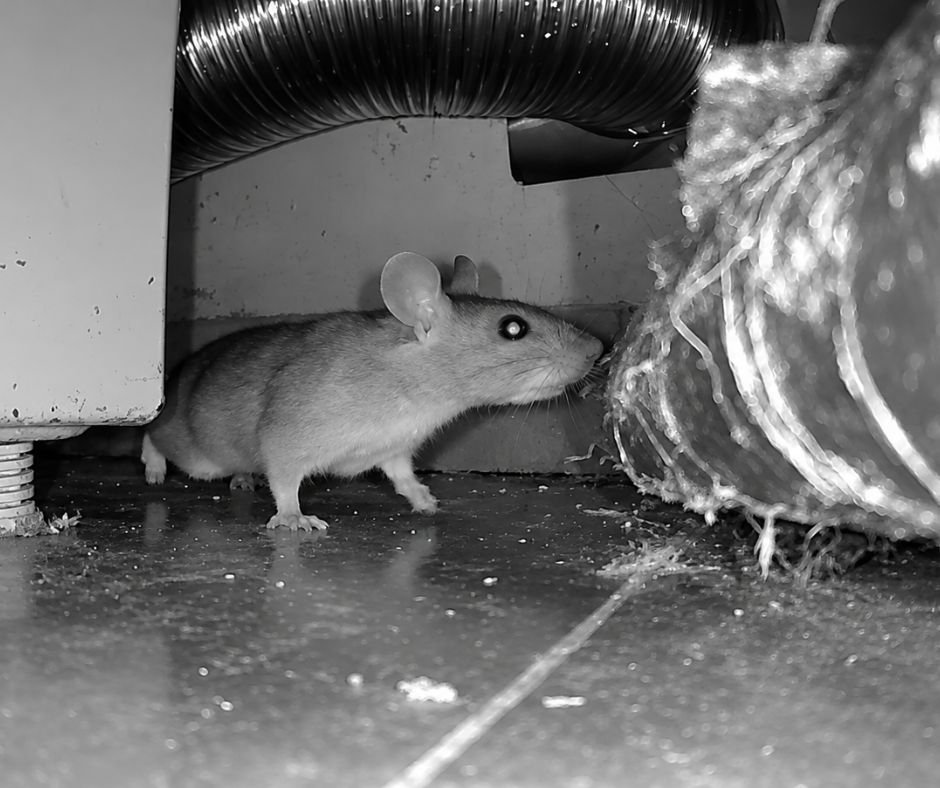
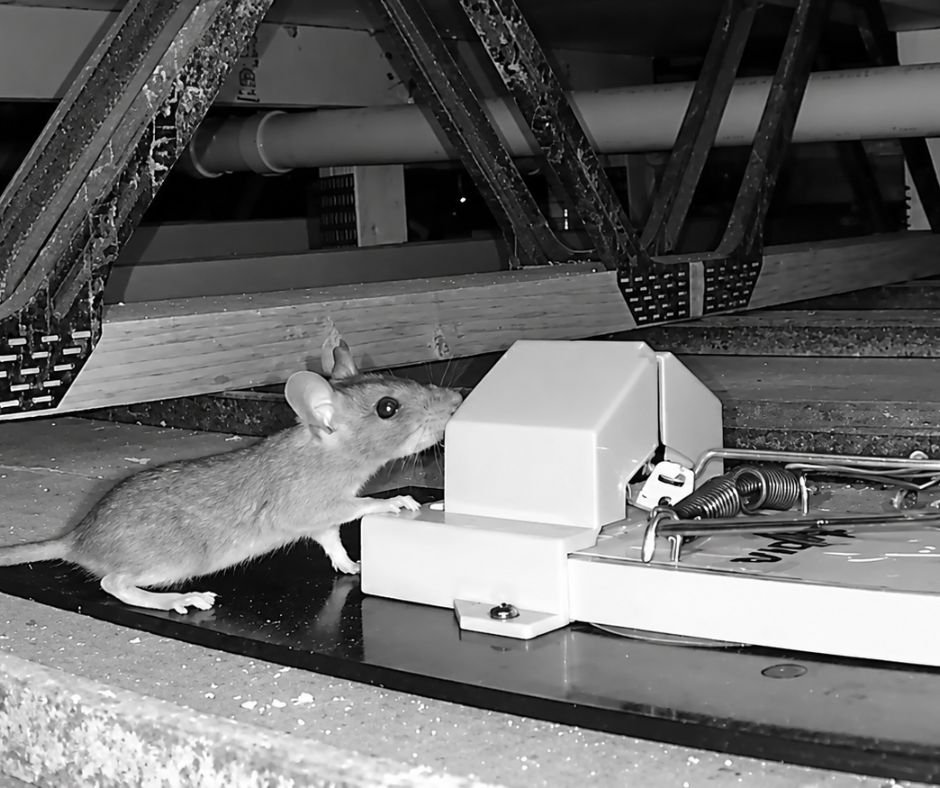
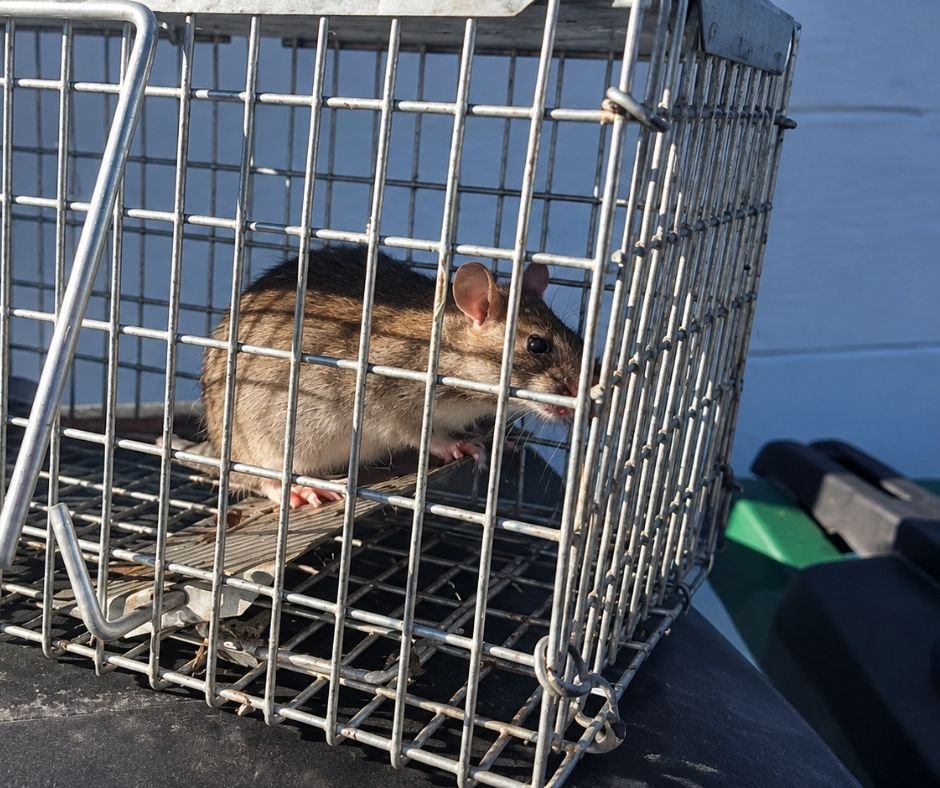
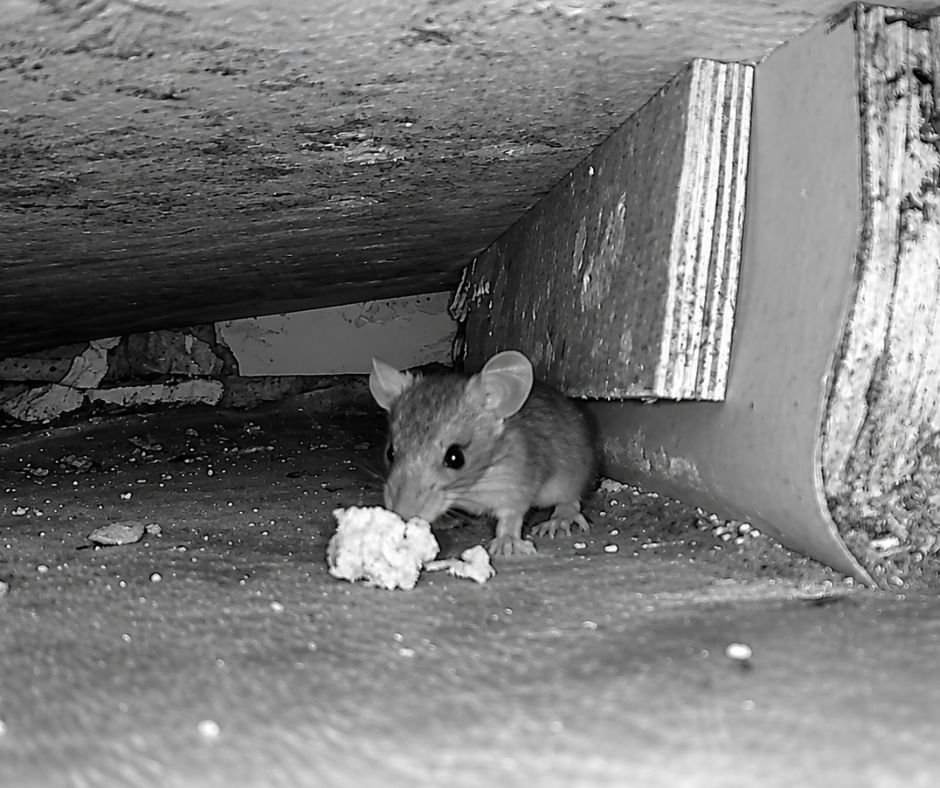
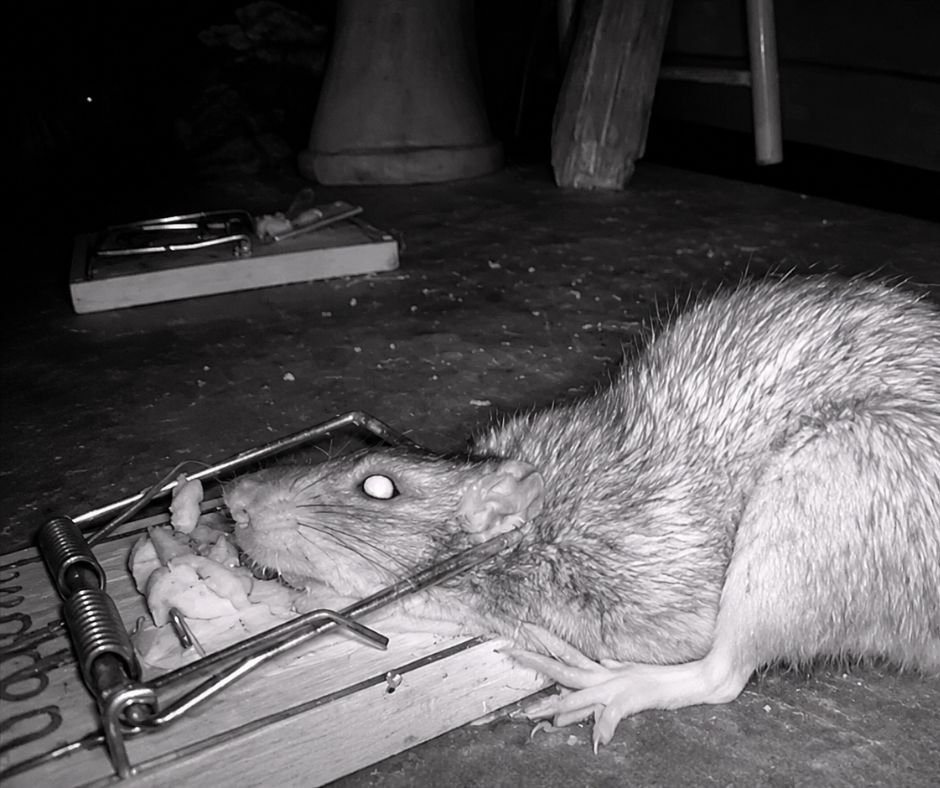
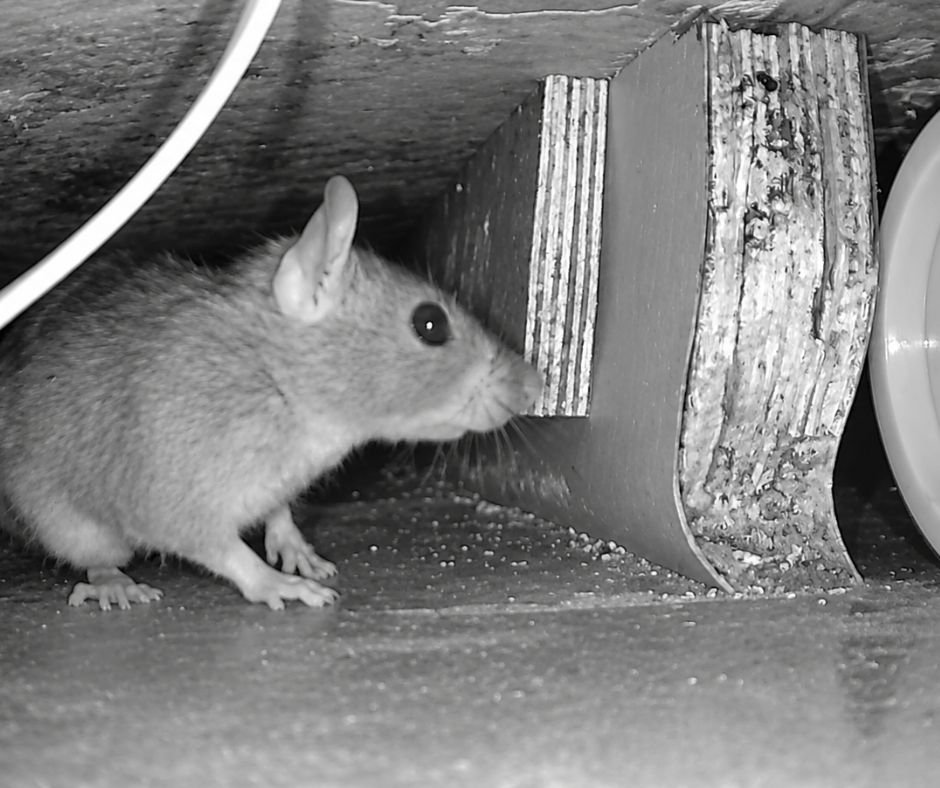
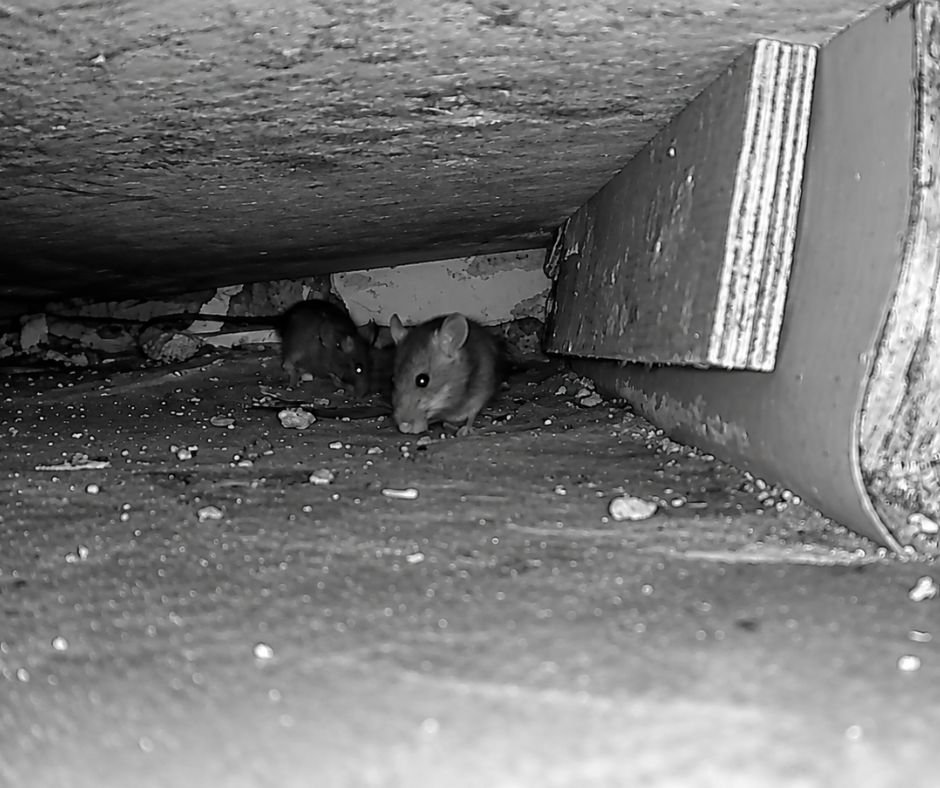
Yes. UF/IFAS calls the roof rat Florida’s worst and most common rodent pest. In Pensacola we find them in attics, soffits and wall voids. House mice are next, mostly in winter. Norway rats are less common but can burrow near docks, sheds and slabs.
Pensacola and Escambia County
Rodent Control and Rat Removal in Pensacola, FL
Pensacola mixes streets with buildings from the 1700s near Seville Square, wood frame homes in North Hill, storm repaired roofs and busy waterfront along Pensacola Bay. Rats and mice use all of it. We find how they get in, close it with metal, trap what is inside and check back until the activity is gone.
Why Pensacola is different
A Bay City Built in Layers
Pensacola sits on the north shore of Pensacola Bay, behind the Santa Rosa barrier island. Almost half of the city’s area is water. Old neighborhoods, a working port, a naval air station next door and miles of shoreline all sit close together, so rodents have food, water and shelter in every direction.
Most of what we see here is the roof rat (Rattus rattus), a climber that nests in attics, soffits and wall voids. House mice (Mus musculus) show up in kitchens and garages, most often when the weather turns cold. Norway rats (Rattus norvegicus) are much less common in Florida, but we still check for burrows near docks, dumpsters and slabs.
Rodent control in Pensacola starts with the building, not the bait. If the openings stay open, new rats replace the ones you catch.
You see the plan and the price before any work starts, and nothing begins until you approve it.
Pensacola at a glance
- County
- Escambia County seat, and the only incorporated city in the county
- Population
- 54,312 (2020 census)
- Water
- About 44.6% of the city’s total area
- Rain
- About 68.3 inches a year
- Main rodent
- Roof rat, in attics and roof edges
- Homes
- 64.2% owner occupied
- Call
- (561) 562-7607, 24/7
Sources: Wikipedia, Pensacola, Florida; U.S. Census QuickFacts (2020 to 2024); UF/IFAS EDIS UW120.
After Ivan and Sally
Storm Repairs Can Leave Gaps Rats Find First
Pensacola has been hit hard twice since 2004. Hurricane Ivan in 2004 and Hurricane Sally in 2020 tore off shingles, soffits and fascia across the city. Many repairs were rushed. A loose drip edge, a soffit panel that never seated right or a roof vent missing its screen is all a roof rat needs.
75,000+
Houses damaged by Ivan
Across Escambia and Santa Rosa counties, with nearly every waterfront structure hit.
22.25in
Rain from Sally
Storm total measured northeast of Pensacola, September 14 to 17, 2020.
1,756
Damaged structures
Reported in Escambia County after Sally, with 629 showing major damage.
2-4ft
Downtown flooding
Freshwater flooding in downtown Pensacola during Sally, even where surge did not reach.
Roof line
What we check after a storm repair
- Soffit and fascia joints where new panels meet old wood
- Ridge and gable vents that lost their screens
- Gaps around new roof jacks, pipes and AC lines
- Garage door seals and corners warped by flood water
Yard
Why rats move after flooding
When yards, sheds and crawl spaces flood, ground nests are lost and rodents climb or move to higher, dry spots. That is often your attic or garage. Storm debris piles and wet wood also give them cover for weeks.
Sources: Wikipedia, Hurricane Ivan; National Weather Service Mobile/Pensacola, Hurricane Sally event summary.
Historic districts and newer suburbs
Old Homes, New Gaps: Where We Look in Pensacola
A wood home in North Hill and a slab home in Ferry Pass fail in different places. Here is where rodents tend to get in, by type of area, and how we seal without making a mess of the house.
| Area | What is there | Common way in | How we seal it |
|---|---|---|---|
| Seville Historic District and downtown | About 108 acres with some of the oldest buildings in Florida, such as Old Christ Church (1763) and Julee Cottage (1805), next to shops and restaurants | Old wood siding, gaps under raised floors, shared walls with food businesses | Low profile metal and mesh that can be painted to match, placed where it is hard to see |
| North Hill Preservation District | About 155.6 acres with 425 historic buildings on streets like Palafox and Blount | Gable vents, attic louvers, porch roofs, chimneys and big trees over the roof | Screens behind vents, chimney caps, hardware cloth at porch and crawl space openings |
| East Hill and other older bungalow streets | Older wood frame homes, many on raised foundations | Crawl space vents, plumbing holes in the floor, loose skirting | Crawl space vent covers, sealed pipe holes, foundation gaps closed with concrete |
| Bayfront and bayou lots | Homes with docks, seawalls, boat lifts and sheds | Burrows near seawalls and slabs, boat storage, shed floors | Ground level exclusion, shed sealing, bait stations outside only if needed |
| Ferry Pass, Ensley, Myrtle Grove and newer suburbs | Block and stucco homes on slabs, newer subdivisions | Garage door corners, dryer vents, AC line openings, roof returns | Door seals, vent guards, metal flashing at roof returns |
If your home is in a historic district, ask the city whether any visible exterior change needs review before work starts. We plan the sealing with that in mind.
Sources: Wikipedia, Pensacola Historic District; Wikipedia, North Hill Preservation District. Entry points are based on the homes we inspect; every house is checked in full.
Panhandle winters
Colder Than South Florida, and Rodents Notice
Pensacola gets real winter nights. That is unusual for Florida, and it changes when rodents push indoors. Mice and rats look for warm spots as soon as the first cold fronts come through.
11
Freeze days
The average number of freezing days per winter.
43.7°F
January low
The average daily low in January.
Dec 12
First freeze
The average date of the first freeze, with the last near February 14.
9.4in
Snow in 2025
Snow measured in city limits on January 21, 2025.
Source: Wikipedia, Pensacola, Florida (climate data).
Services available in Pensacola
Rat and Mouse Removal Services in Pensacola
Most Pensacola jobs combine a few of these: an inspection, sealing, trapping and cleanup. Choose a service to learn more, or call and we will tell you what your property needs.
Residential Rodent ControlAttic and crawl space rat removal for Pensacola homes, from century-old houses in North Hill to ranch homes in Cordova Park.Learn More →
Commercial Rodent ControlScheduled service with written visit logs for restaurants, bars and shops downtown on Palafox Street and near NAS Pensacola.Learn More →
Rodent RemovalTraps placed on the paths rats use and checked on return visits until the activity stops.Learn More →
Dead Rodent RemovalBad smell in a wall or ceiling? We find and remove the dead rodent, then clean and deodorize the area.Learn More →
Rodent CleanupRemoval of droppings, urine and nests from attics and garages, with advice on insulation replacement.Learn More →
Rodent ExterminatorEPA and FDACS certified technicians who use traps indoors and follow product labels around kids and pets.Learn More →
Rodent ExclusionWe seal soffits, roof vents, pipe gaps and garage corners with metal and mortar so rats cannot get back in.Learn More →
Rodent Feces RemovalCareful cleanup of droppings with disinfectant, never sweeping or vacuuming, which can spread germs.Learn More →
Rodent ProofingDoor sweeps, vent screens, roof edge sealing and tree trimming advice for Pensacola homes.Learn More →
Port, Palafox and the waterfront
Commercial Rodent Control on Pensacola Bay
The Port of Pensacola sits at the south end of Barracks Street on about 50 acres, with around 265,000 square feet of warehouse space and on dock rail service. Warehouses, cargo, rail lines and the bay all draw rodents. A few blocks north, the restaurants and bars around Palafox Street add grease, food waste and dumpsters.
For businesses we treat the whole building as one system. Rats travel through shared walls, ceiling spaces and utility runs, so fixing one suite while the one next door stays open does not last. Read more on our commercial rodent control page.
What commercial service covers
- Scheduled visits with a written log after each one
- Locked, numbered exterior bait stations on a site map
- Door sweeps on back doors, loading doors and roll up doors
- Dumpster pad and grease area checks
- Sealing plans for warehouses, restaurants and multi unit buildings
Source: Wikipedia, Port of Pensacola.
Naval Air Station Pensacola
Rodent Help for Military Families Near NAS Pensacola
NAS Pensacola was the first naval air station in the country, commissioned in 1914, and it is home to the Blue Angels. The Pensacola Naval Complex employs more than 16,000 military and 7,400 civilian personnel, and many of them live off base in Warrington, Myrtle Grove and across the city.
That means a lot of moves and a lot of rentals. A house that sat empty between tenants is an easy place for rats to settle. We can inspect before you move in or right after, and give you a written report you can share with your landlord or property manager.
Helpful for a PCS move
- Inspection with photos of every entry point
- A written plan you can forward to a landlord
- Visits scheduled around move in dates and duty hours
- Sealing and trapping done before boxes fill the garage
- Follow up checks after you settle in
Source: Wikipedia, Naval Air Station Pensacola.
Reading the clues
What That Sign Tells You About the Rodent
The clues you find point to the kind of rodent and where it lives. Match what you see to this table before you buy traps.
| What you find | Most likely | Where to look next |
|---|---|---|
| Black, banana shaped droppings, 1/4 to 1/2 inch long | Roof rat | Attic insulation, along rafters, on top of the water heater |
| Tiny droppings, like grains of rice | House mouse | Under the sink, behind the stove, pantry shelves, garage boxes |
| Hollowed citrus with a round hole about the size of a quarter | Roof rat | Branches touching the roof, fence tops, power lines to the house |
| Dark greasy smears on beams or pipes | Rats using the same path every night | The nearest gap in the soffit, wall or roof line |
| Scratching in the ceiling a few hours after dark | Rats, not squirrels (squirrels are busy by day) | Roof edges, gable vents, attic access |
| Holes in the dirt near a slab, seawall or shed | Possible Norway rat burrows | Shed floors, slab edges, under decks and docks |
Source: UF/IFAS Extension, Roof Rats publication UW120 (size of droppings, hollowed fruit, rub marks).
How the job runs
Our Rat Removal Process in Pensacola
Most homes follow the same order. A big attic, an old raised house or a commercial building can take longer, and we tell you that up front.
- Visit 1
Find the way in
Roof, attic, crawl space, garage and yard. You get photos of each opening, plus the plan and price.
- After approval
Seal with metal
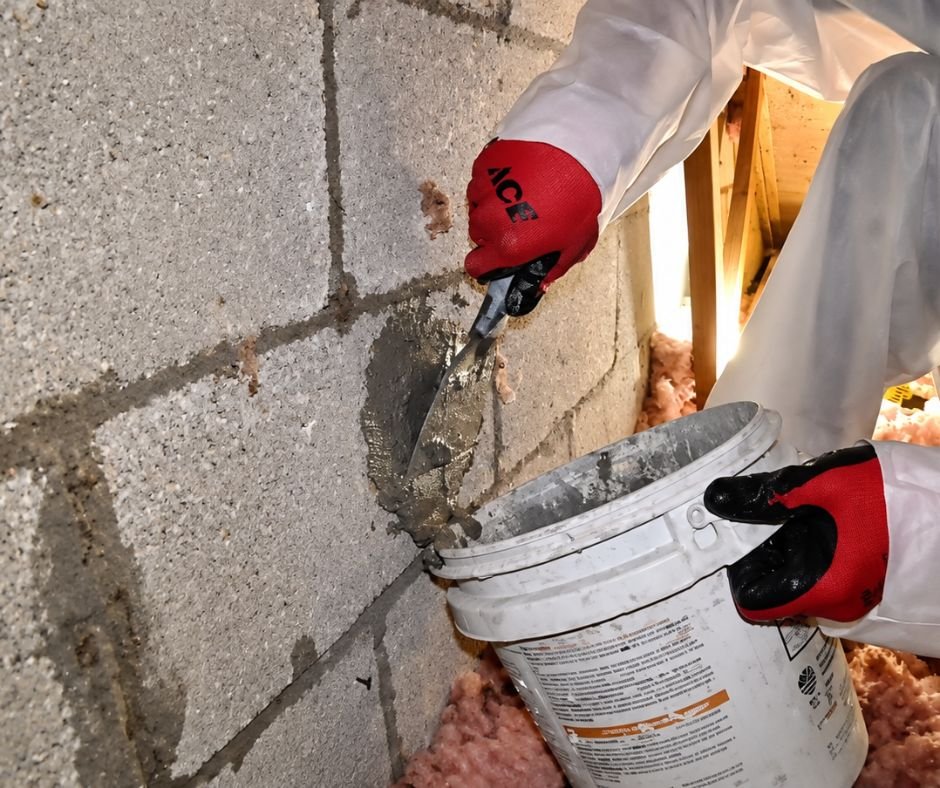
Sheet metal, 1/4 inch hardware cloth and concrete. No spray foam, which rats chew through. See rodent exclusion.
- Next 1 to 2 weeks
Trap inside
Snap traps on the runways rats use, checked on return visits and moved as needed.
- Once quiet
Clean up
Droppings and nest material removed with disinfectant. See rodent cleanup.
- Final visit
Confirm
A last check for fresh droppings, rub marks or noise before we close the job.
Local rules and resources
Pensacola Trash Rules and Florida Laws That Help
Good habits at the curb cut down the food rats find, and a few rules help you choose the right company.
City sanitation
Garbage carts
City garbage pickup is once a week. Put the city cart within 2 feet of the curb by 6 a.m. on pickup day and bring it back by 6 a.m. the next day. The city asks you to drain and bag raw garbage. Garbage questions: 850-435-1890, or call 311.
Neighbors
Problem property nearby?
If trash or overgrowth next door is feeding rats, you can contact the City of Pensacola through 311 or 850-436-5555 to ask about reporting it.
State license
Check the FDACS license
Pest control in Florida is licensed by the Florida Department of Agriculture and Consumer Services under Chapter 482, Florida Statutes. Ask for the license number before work starts.
Health
Clean up the CDC way
Open doors and windows for 30 minutes first. Do not sweep or vacuum droppings. Spray with 1 part bleach to 9 parts water, let it sit 5 minutes, then wipe up with paper towels.
Sources: City of Pensacola Sanitation Services; CDC, How to Clean Up After Rodents; Florida Statutes Chapter 482.
Now serving Pensacola
Service area
Is your ZIP on the route?
We cover all of Pensacola and Escambia County, including these ZIP codes.
32501325023250332504325053250632507325143252632534
Areas we serve
Check my address →
North Hill · East Hill · Downtown · Palafox Street · Cordova Park · Warrington · East Pensacola Heights · Ferry Pass · Brent · Myrtle Grove · Ensley · Perdido Key
Pensacola rodent questions
What Pensacola Residents Ask About Rats and Mice
Do not see your question? Call us any time and we will talk it through.
Call (561) 562-7607 →It happens often. Roofs and soffits replaced after Ivan or Sally sometimes have loose panels, unscreened vents or gaps at new pipes. We check every repaired spot during the inspection and seal what is open.
Yes. We use low profile metal, screens behind vents and hardware cloth that can be painted to match, and we place it where it is hard to see. If your home is in a historic district, check with the city first about any visible exterior change.
Pensacola averages about 11 freeze days a winter, more than most of Florida. Mice move toward warm spaces when fronts come through, and they can fit through very small gaps around pipes, garage doors and vents. Sealing before December helps the most.
It depends on the lease and the type of home. Under Section 83.51, Florida Statutes, landlords of most units other than single family homes and duplexes must make reasonable provision for rat and mouse extermination unless the lease says otherwise. Read your lease and tell your landlord in writing. We can give you a report to share.
Yes. Bag raw garbage, keep the lid closed and bring the cart back by 6 a.m. the day after pickup, as the city asks. Store pet food and bird seed in sealed bins and pick up fallen fruit so rats have less to eat.
UF/IFAS says there is no evidence they drive rodents away, and they may harm the hearing of pets, especially dogs. No repellent is registered for roof rats. Sealing and trapping are what work.
We provide rodent control in Pensacola and across Escambia County, including Warrington, Brent, Myrtle Grove, Ensley, Ferry Pass, Bellview, Goulding and West Pensacola.
Pensacola dispatch is ready
Rats in Your Pensacola Home or Business?
Call now. We will inspect the property, show you where rodents are getting in, and seal it so they stay out.
Request Pensacola service
Give us a call. We’ll handle the next step.
Call us, tell us what you are seeing and where you are located, and our team will confirm the right appointment type and timing.
Serving PensacolaPensacola, Florida(561) 562-7607Open 24 hours · 7 days a week