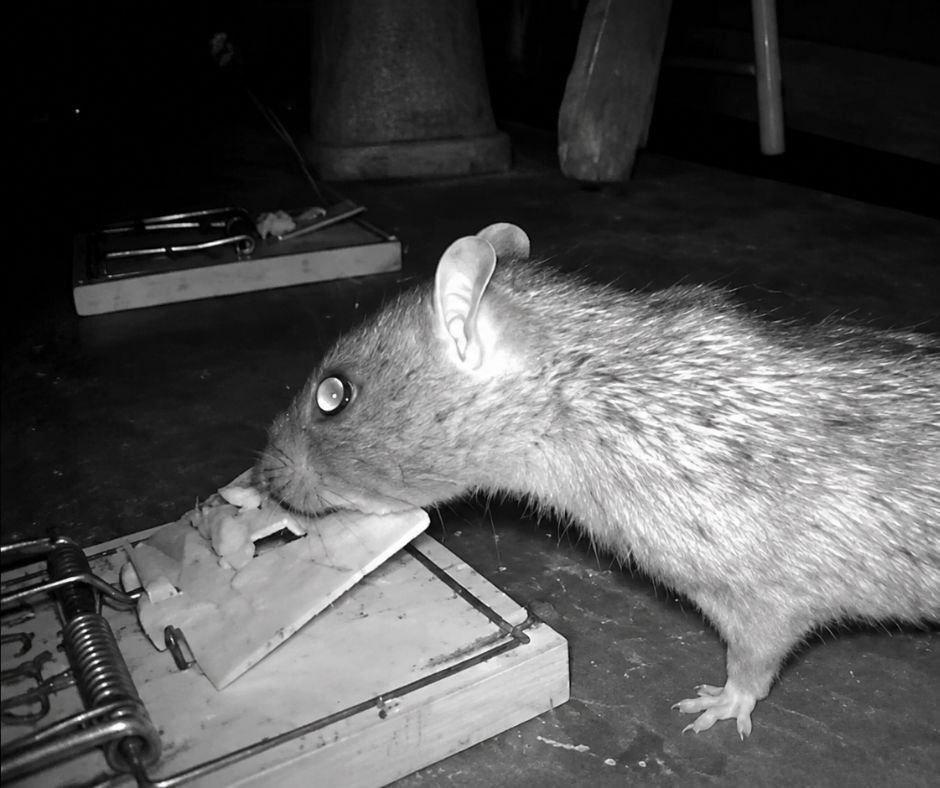
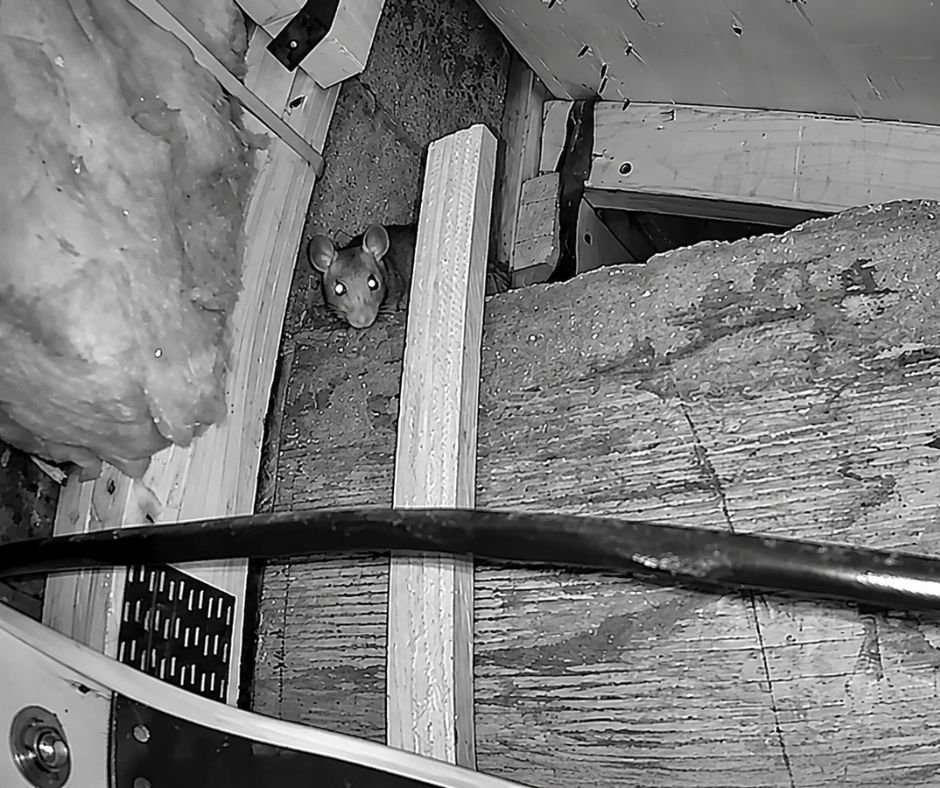
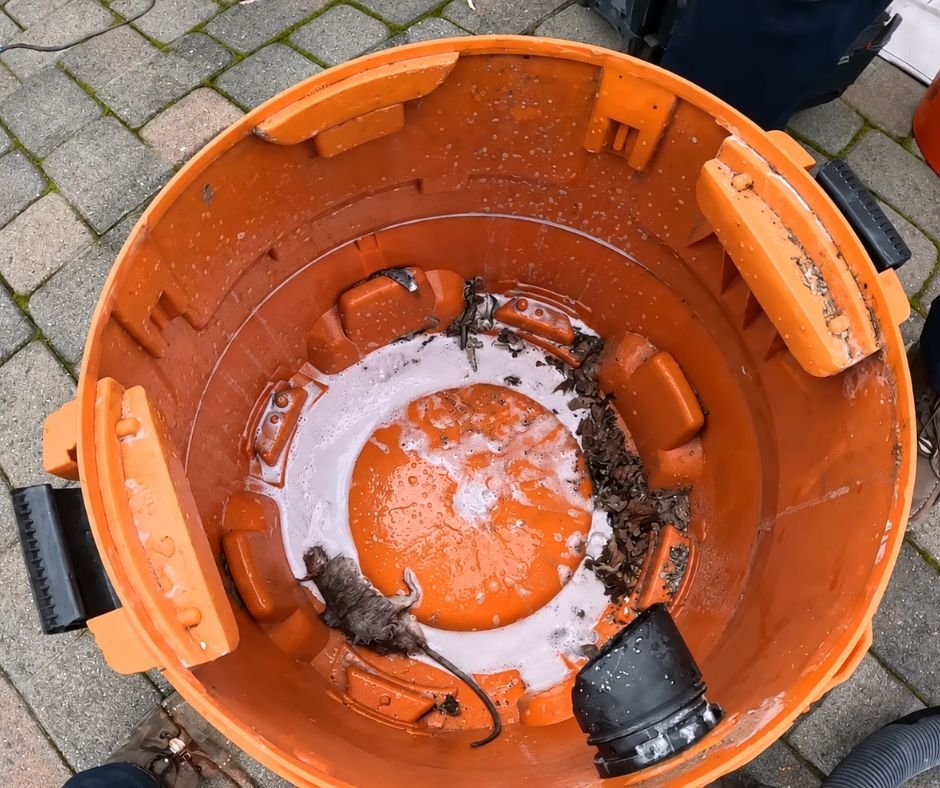
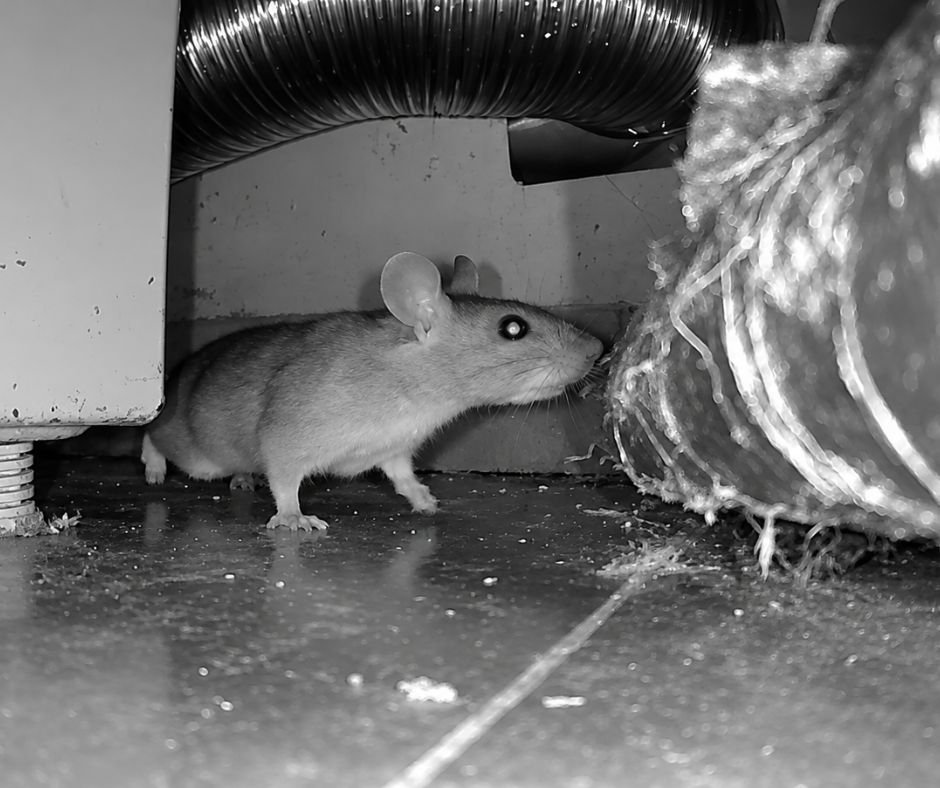
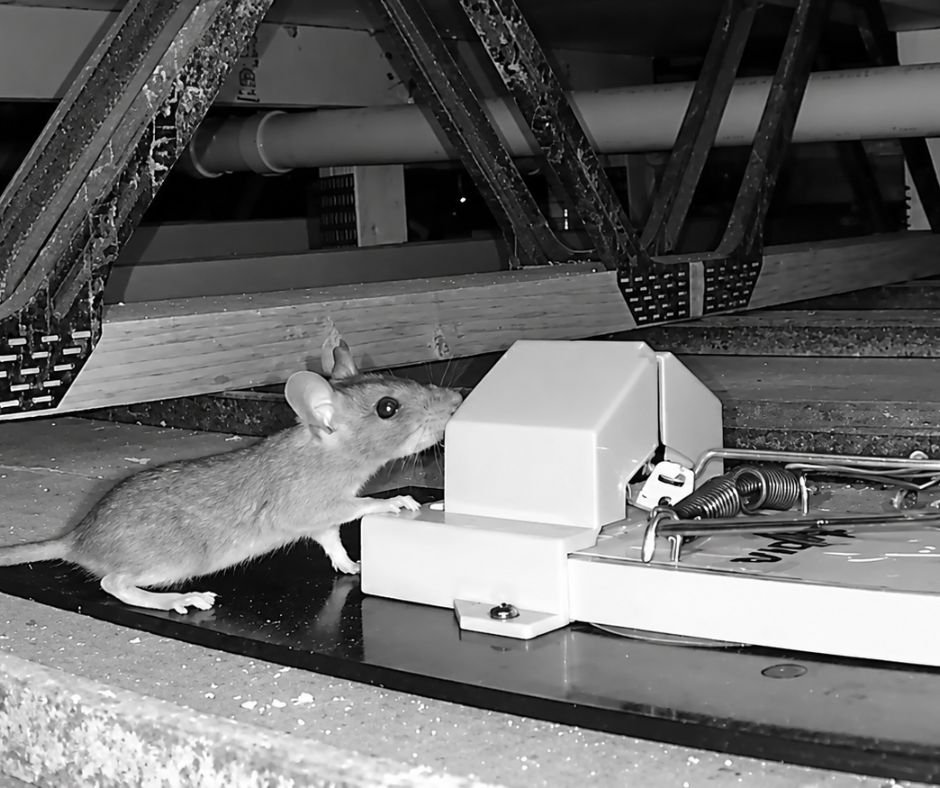
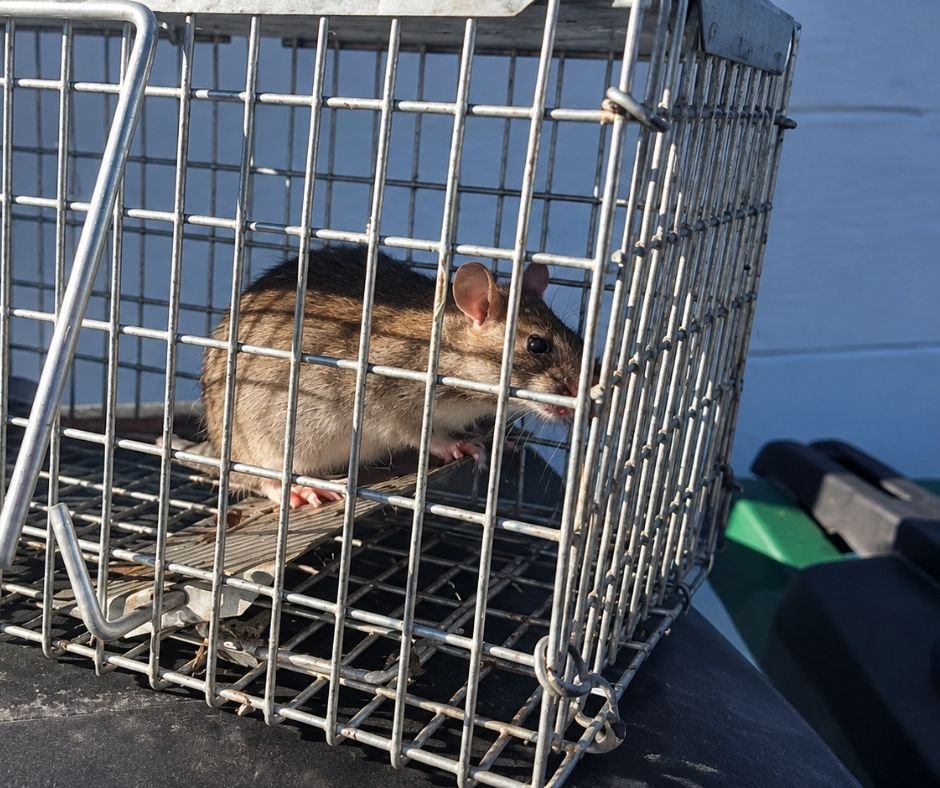
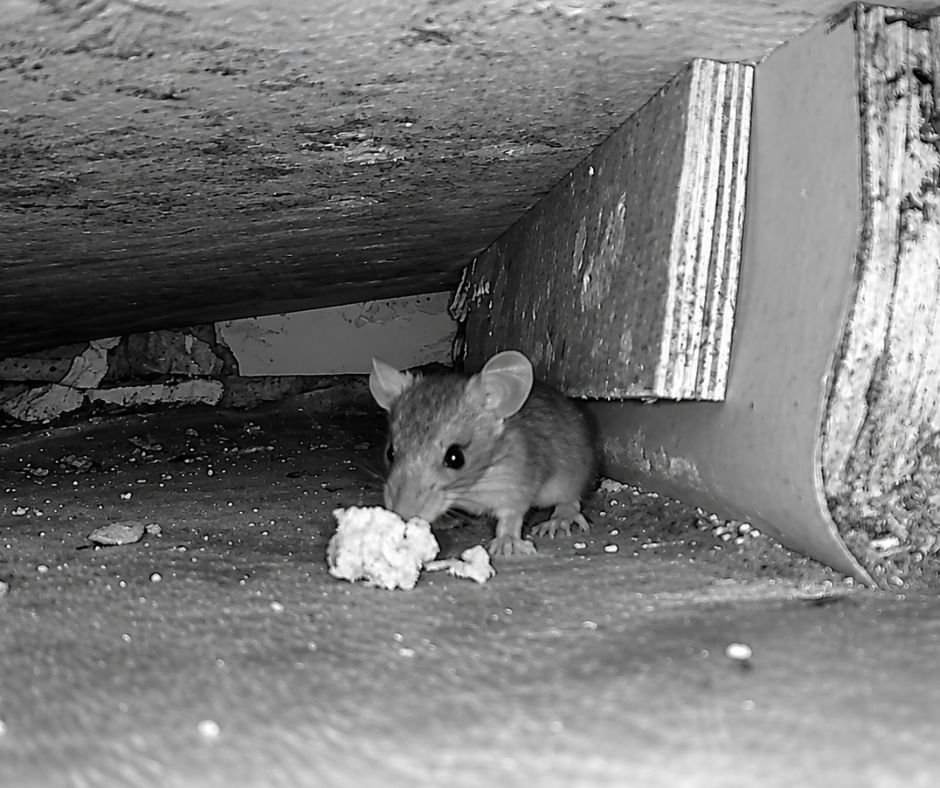
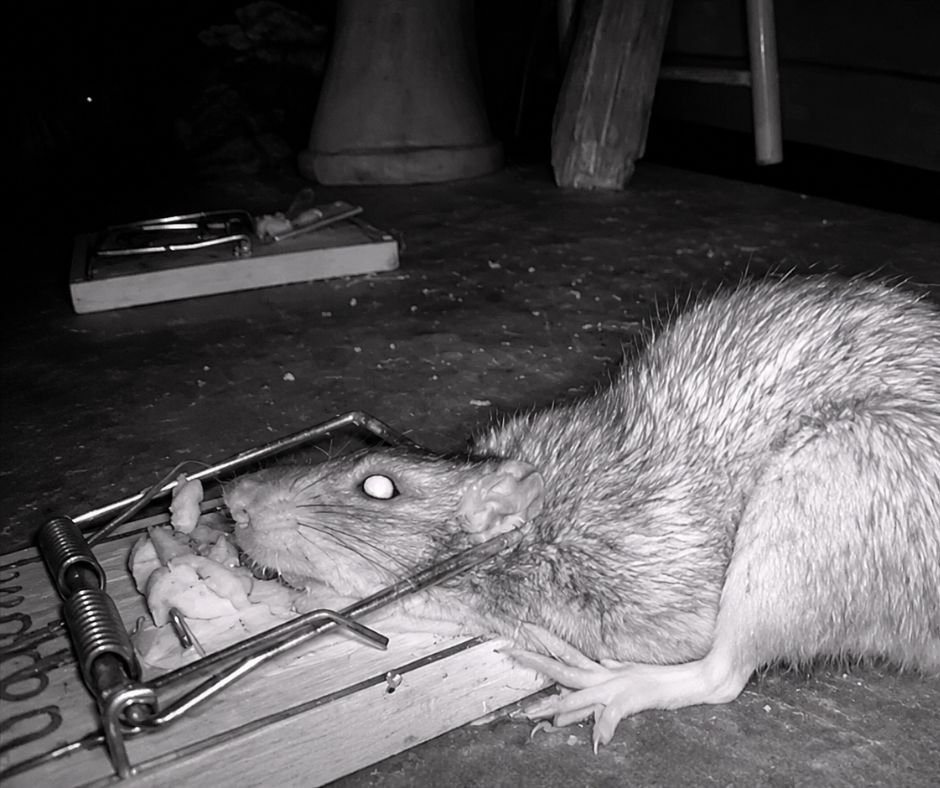
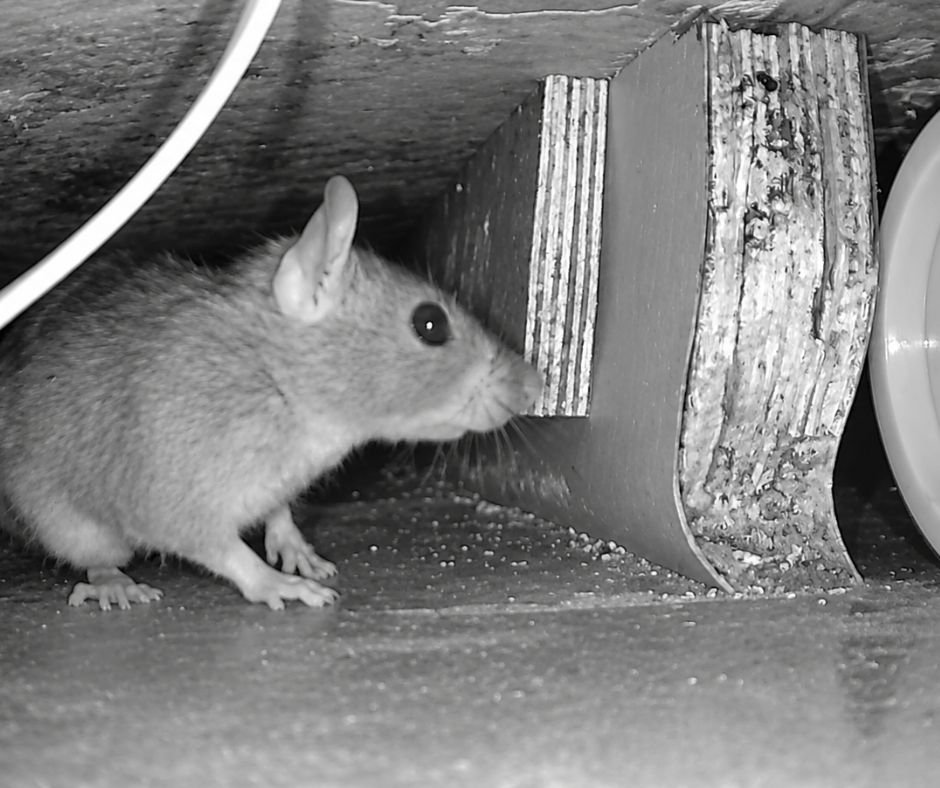
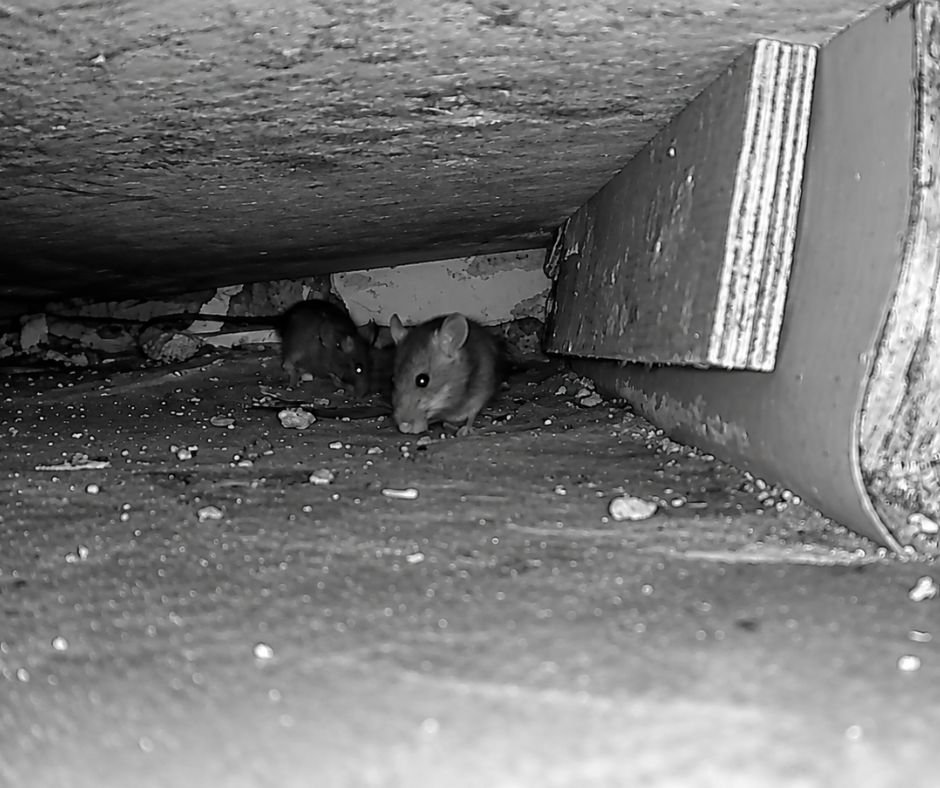
Yes. Terminix ranked Jacksonville 14th in the US for roof rat infestations in 2017, along with Miami, Fort Myers and Tampa. Warm weather, heavy rain, lots of tree cover and miles of waterfront give roof rats what they need all year.
Jacksonville and Duval County
Rodent Control and Rat Removal in Jacksonville, FL
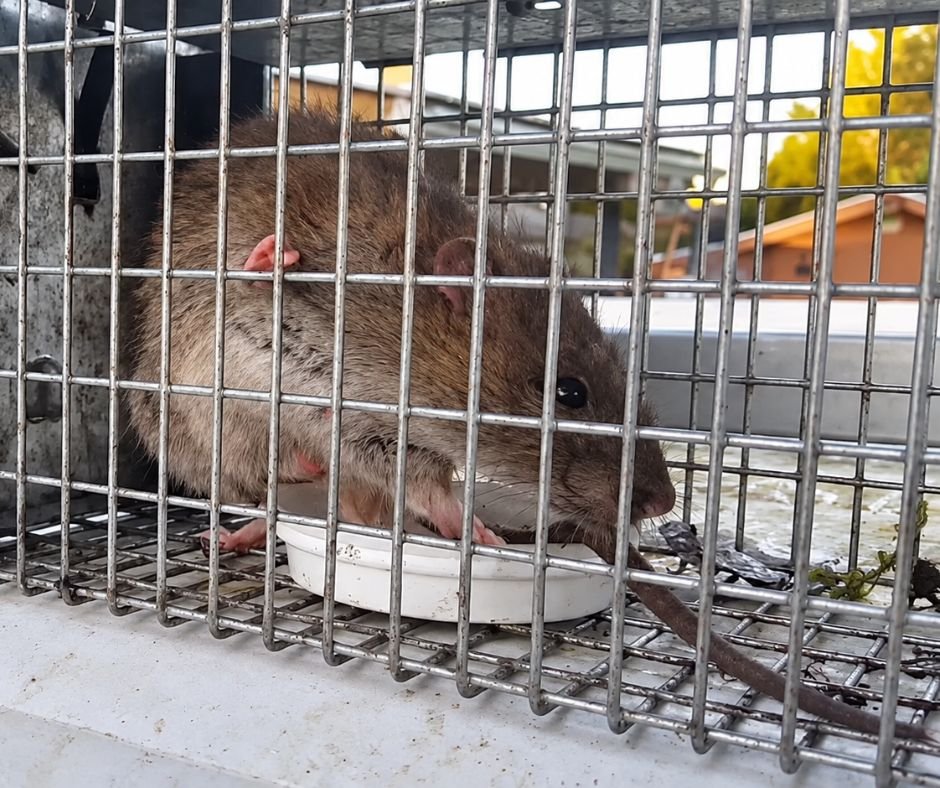
Jacksonville is a river city, a port city and a Navy town spread over more area than any other city in the lower 48. Rats use all of it. We find how they get into your home or building, close those openings with metal, trap the rodents inside and come back to make sure the activity has stopped.
Rats on the First Coast
One City, 874 Square Miles of Rat Habitat
Since the city and Duval County merged in 1968, Jacksonville has covered almost the whole county. That means downtown high-rises, 100 year old wood homes in Springfield, riverfront streets in Riverside and San Marco, suburbs in Mandarin and the Southside, and marsh and woods on the Northside, all inside one city limit.
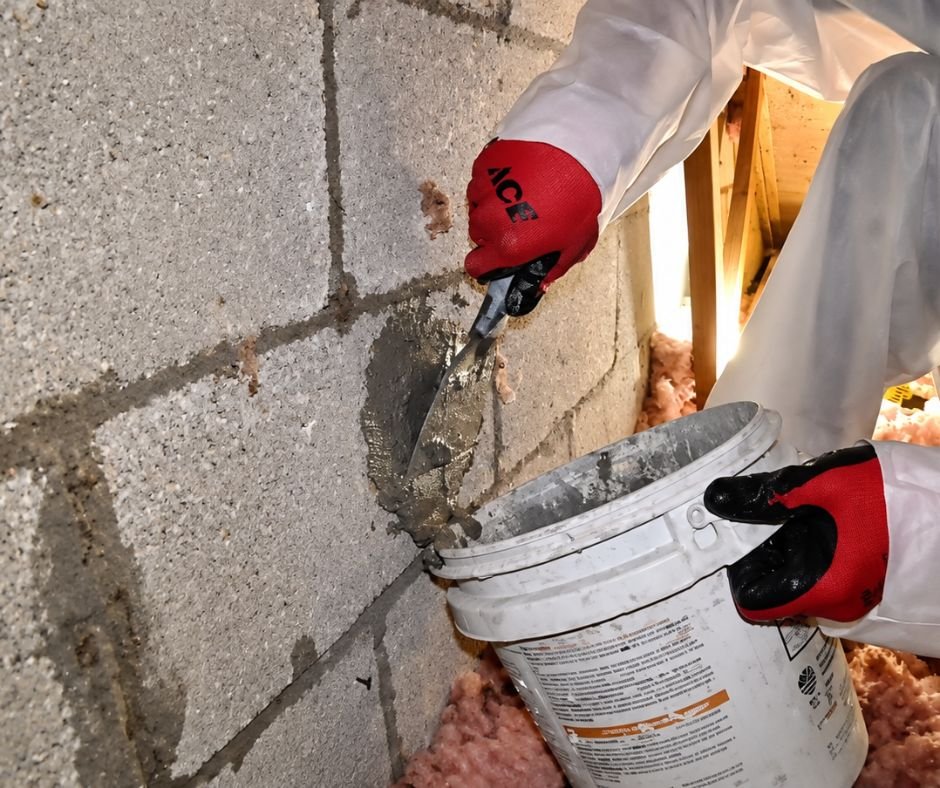
Rodent control in Jacksonville is not one problem. A roof rat in an Avondale attic, a Norway rat burrowing under a Westside slab and a house mouse in an Arlington pantry each need a different plan. What they share is the fix: find the entry points, seal them with sheet metal, hardware cloth or concrete, then trap and clean up.
You see the plan and the price before any work starts. Nothing begins until you approve it.
Jacksonville at a glance
- Population
- 949,611 (2020 census)
- Government
- Consolidated with Duval County since October 1, 1968
- Size
- About 874 square miles of land and water, the largest city by total area in the contiguous US
- Main water
- St. Johns River, Trout River, the Intracoastal Waterway and the Atlantic beaches
- Climate
- Humid subtropical, about 53 inches of rain a year
- Call
- (561) 562-7607, 24/7
Source: Wikipedia, Jacksonville, Florida (US Census 2020, NOAA 1991 to 2020 normals).
The numbers behind the problem
Why Jacksonville Has So Many Roof Rats
Jacksonville has made national lists for roof rat activity, and the biology explains why a few rats turn into a colony so fast in a warm, wet city.
#14
US roof rat ranking
Terminix ranked Jacksonville 14th in the nation for roof rat infestations in its 2017 service data.
4-5
Litters a year
A female roof rat can have 4 or 5 litters a year, with 5 to 8 pups in each.
3-4mo
To breed
Young roof rats are ready to breed at 3 to 4 months old.
53in
Rain a year
Steady rain, standing water and thick plant growth give rats water and cover all year.
Sources: News4Jax, “Jacksonville ranks among top cities infested by roof rats” (2017, Terminix data); UF/IFAS Extension, Roof Rats UW120; Wikipedia climate table for Jacksonville.
River, port and Navy
Living Near the Water in Jacksonville
The last 35 miles of the St. Johns River run through Jacksonville before it meets the Atlantic at Mayport. Docks, seawalls, marsh edges and working waterfronts all give rodents food, water and places to hide. This is where we look first, depending on which water you live near.
St. Johns riverfront
Riverside, Avondale, San Marco and Ortega
Big oaks and old homes line the river here. Roof rats travel along limbs and power lines to the roof, then slip in at soffits, gable vents and roof returns. Boathouses and dock storage near the water give Norway rats a place to burrow.
Northside creeks
Trout River and the Timucuan marshes
The Trout River, a major St. Johns tributary, and more than 46,000 acres of Timucuan Preserve wetlands sit next to Northside neighborhoods. Cotton rats and roof rats move from wild edges into sheds, garages and crawl spaces when water rises.
Port areas
Talleyrand, Blount Island and Dames Point
JAXPORT is Florida’s largest seaport by volume, with warehouses, rail yards and container storage around its terminals. Homes and businesses near these industrial corridors see more ground rats, so we pay close attention to slab edges, utility openings and door sweeps.
Mayport and the Beaches
Intracoastal and ocean side
Near Naval Station Mayport, Hanna Park and along the Intracoastal Waterway, salt air rusts old vent screens and breaks down door seals faster. Those worn spots become entry points, so we replace them with materials that hold up near the coast.
Sources: Wikipedia, St. Johns River; Wikipedia, Jacksonville, Florida (Trout River, Timucuan Preserve, Hanna Park, Naval Station Mayport); Wikipedia, Port of Jacksonville.
Historic districts
Rat-Proofing Springfield and Riverside Homes
Jacksonville has large, well kept historic districts. The Springfield Historic District, north of downtown along Hogans Creek, was listed in 1987 with 1,784 contributing buildings, and 1,595 of them were wood frame. Most were built between about 1885 and 1930 in Queen Anne, Colonial Revival, Prairie and bungalow styles.
Riverside was listed in 1985 with 2,120 historic buildings, and Avondale followed in 1989. Jacksonville likely has more bungalows than any other city in the state, many of them right here.
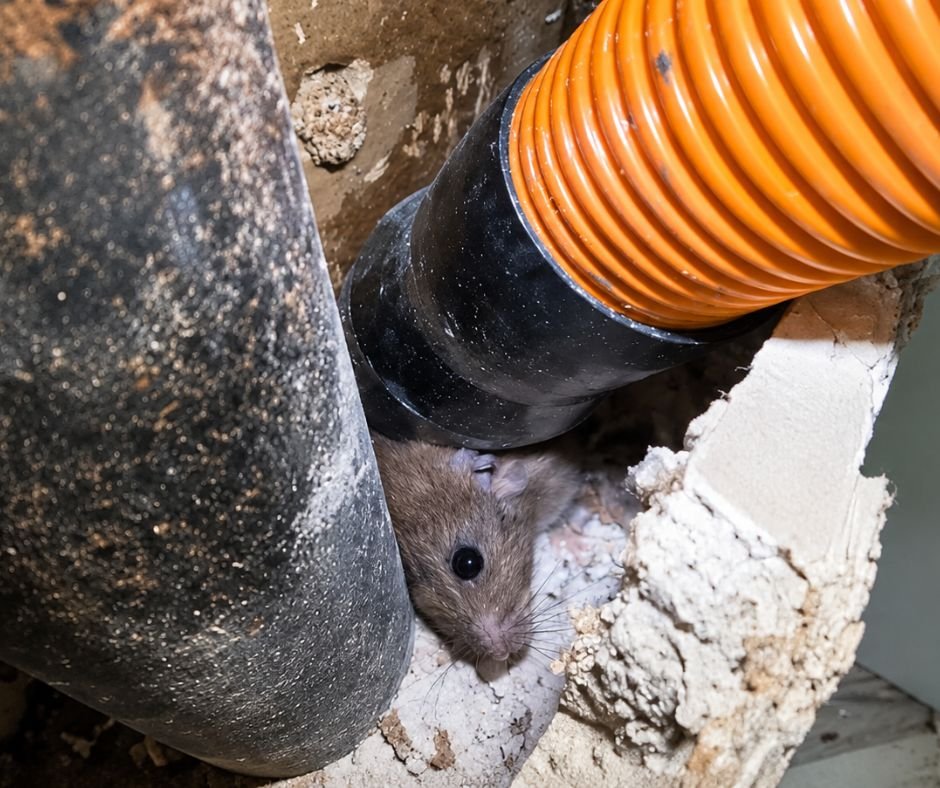
Old wood homes are beautiful, but they have more places for a rat to get in: open crawl spaces under raised floors, wide eaves, loose porch ceilings, old chimney chases and gaps where additions meet the original house. We seal these openings with materials that fit the house, like painted metal flashing and 1/4 inch hardware cloth behind vent grilles, so the repair does not stand out.
What we check in older Jacksonville homes
- Crawl space vents and foundation piers on raised wood floors
- Soffits, fascia boards and roof returns on deep eaves
- Porch ceilings and the gap where porch roofs meet the wall
- Chimney chases and old flue openings
- Plumbing, gas and AC line openings added over the years
- Joints between the original house and later additions
Sources: Wikipedia, Springfield (Jacksonville) and Riverside (Jacksonville), National Register of Historic Places data.
Know your rodent
Rodents We Find in Jacksonville Homes
The right plan starts with the right ID. Droppings, rub marks and where the noise comes from usually tell us which one you have.
Most common
Roof rat
Rattus rattus. A climber that nests in attics, palms and dense vines. Black droppings about 1/4 to 1/2 inch long. Travels up to 150 yards for food.
Ground level
Norway rat
Rattus norvegicus. A heavier rat that burrows under slabs, sheds, seawalls and woodpiles, often near water, dumpsters and loading areas.
Indoors
House mouse
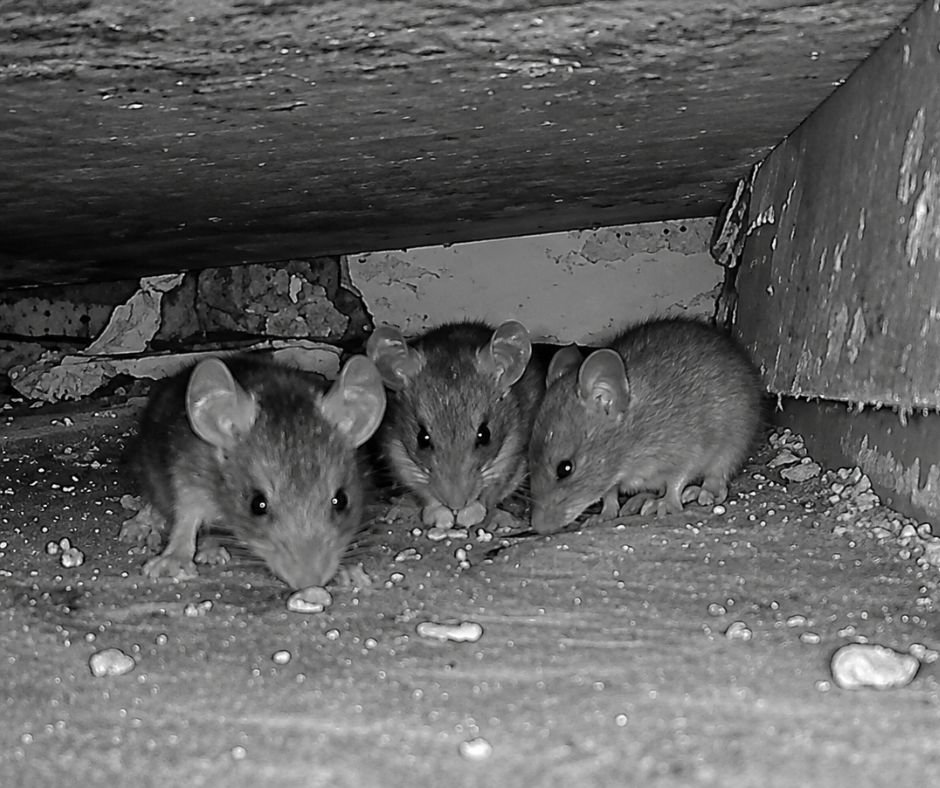
Mus musculus. Small enough to get through a gap the size of a pencil. Shows up in kitchens, pantries, garages and wall voids.
Wild edges
Cotton rat
Sigmodon hispidus. Lives in fields, tall grass and wooded lots and can wander into garages and sheds near open land.
Sources: UF/IFAS Extension, Roof Rats UW120; Truly Nolen Jacksonville, Types of Rats in Jacksonville, Florida.
Services available in Jacksonville
Rat and Mouse Removal Services in Jacksonville
Most Jacksonville jobs combine a few of these: an inspection, sealing, trapping and cleanup. Choose a service to learn more, or call and we will tell you what your property needs.
Residential Rodent ControlAttic and crawl space rat removal for Jacksonville homes, from century-old houses in Springfield to newer builds on the Southside.Learn More →
Commercial Rodent ControlScheduled service with written visit logs for restaurants and shops in Downtown, Riverside and San Marco.Learn More →
Rodent RemovalTraps placed on the paths rats use and checked on return visits until the activity stops.Learn More →
Dead Rodent RemovalBad smell in a wall or ceiling? We find and remove the dead rodent, then clean and deodorize the area.Learn More →
Rodent CleanupRemoval of droppings, urine and nests from attics and garages, with advice on insulation replacement.Learn More →
Rodent ExterminatorEPA and FDACS certified technicians who use traps indoors and follow product labels around kids and pets.Learn More →
Rodent ExclusionWe seal soffits, roof vents, pipe gaps and garage corners with metal and mortar so rats cannot get back in.Learn More →
Rodent Feces RemovalCareful cleanup of droppings with disinfectant, never sweeping or vacuuming, which can spread germs.Learn More →
Rodent ProofingDoor sweeps, vent screens, roof edge sealing and tree trimming advice for Jacksonville homes.Learn More →
Storms and flooding
Hurricane Season and Rats in Jacksonville
Hurricane Matthew in 2016 brought flooding and storm surge and cut power to 250,000 people. Hurricane Irma in 2017 caused record floods along the St. Johns. When water rises, rats leave burrows and marsh edges and look for high, dry places, and storm damage opens new holes in roofs and soffits. Here is how to stay ahead of it.
- Before the season
Trim and seal
Cut limbs and palm fronds back from the roof and seal small gaps now, while they are easy to fix.
- Storm prep
Store food tight
Keep storm supplies, pet food and bird seed in sealed plastic or metal bins, not bags or boxes in the garage.
- First days after
Look for damage
Check for loose soffit panels, lifted shingles, torn vent screens and broken crawl space covers.
- First weeks after
Watch for signs
New scratching at night, droppings in the garage or chewed insulation mean rodents may have moved in.
- Cleanup
Clear debris piles
Storm debris and wet lumber left near the house become rat cover. Move it away from the walls and set it out on the right pickup day.
Source: Wikipedia, Jacksonville, Florida, hurricanes section.
City of Jacksonville rules
Jacksonville Trash and Code Rules That Help Keep Rats Away
Garbage and overgrown lots feed and hide rats. The City of Jacksonville has clear rules for both, and you can report a problem property by calling 630-CITY (630-2489) or using the MyJax app.
| Topic | What the city says | Why it matters for rats |
|---|---|---|
| Garbage carts | Put carts out no earlier than 5 p.m. the night before and no later than 6 a.m. on pickup day. Lid must be fully closed. Bring carts in by 6 a.m. the day after. | An open lid or a cart left out for days is an easy meal for rats. |
| Bags and cans | In non-automated areas, use tied plastic bags or cans with lids, no bigger than 45 gallons or 40 pounds. | Loose bags get torn open at night. |
| Yard waste | Picked up weekly, up to 5 cubic yards. Limbs must be 5 feet or shorter and under 6 inches across. | Brush piles left for weeks become nesting cover. Trimmed limbs can go out on time. |
| Rodent conditions | The Property Safety and Maintenance Code (Chapter 518) lists conditions that could breed or harbor rodents as a violation, along with trash buildup and overgrown grass. | A neighbor’s junk pile can be reported, not just tolerated. |
| Deadlines and fines | Nuisance conditions must be corrected within 15 days of notice unless the notice says otherwise. A Special Magistrate can fine up to $250 a day. | Most problem lots get cleaned up once the city steps in. |
Sources: City of Jacksonville, Solid Waste Collection Quick Reference Guide; City of Jacksonville, Municipal Code Compliance, Who We Are and What We Do. Rules can change, so check jacksonville.gov or call 630-CITY for your address.
Before you buy another trap
Why DIY Rat Control Often Fails in Jacksonville
Most people start with a few traps from the hardware store. That can catch a rat or two, but if the opening that let them in is still there, new rats move in. In a city with this much water, woods and tree cover, there are always more rats nearby.
Our rodent exclusion work closes the gaps first. Then we trap inside with rodent removal, handle dead rodent removal if there is an odor, and finish with rodent cleanup and a follow-up visit. Our team is EPA and FDACS certified, and Florida pest control companies are licensed by FDACS under Chapter 482, Florida Statutes, so ask any company for its license number.
CDC guidance: do not sweep or vacuum droppings. Air the area out for 30 minutes, wear gloves, soak droppings with 1 part bleach to 10 parts water for 5 minutes, wipe up with paper towels and bag everything in sealed plastic bags.
Common mistakes we see
- Foam in the holes. Rats chew through spray foam in a night.
- Plug-in sound devices. UF/IFAS says there is no evidence they drive rats away, and they can hurt dogs’ hearing.
- Smell repellents. No repellent is registered for roof rats.
- Poison pellets in the attic. Rats can die inside walls and leave a smell for weeks.
- Trapping without sealing. New rats keep coming in through the same gap.
Sources: UF/IFAS Extension UW120; CDC rodent cleanup guidance as published by San Luis Obispo County Public Health.
Primary Jacksonville response zone
Jacksonville service coverage
Is your ZIP on the route?
Jacksonville has dozens of ZIP codes since it covers nearly all of Duval County. These are the ones we serve most, but we cover the whole county. Call if you do not see yours.
3220232204322053220732210322113221632217322183222332224322253223332244322463225732277
Areas we serve
Check my address →
Downtown · LaVilla · Brooklyn · Riverside · Avondale · Springfield · San Marco · Arlington · Northside · Westside · Southside
Jacksonville rodent FAQ
Rat and Mouse Questions From Jacksonville Residents
From the Northside to Mandarin, these are the questions we hear most. If yours is not here, give us a call.
Call (561) 562-7607 →Roof rats are the most common, usually in attics and roof spaces. Norway rats live on the ground near water, sheds and dumpsters. House mice get into kitchens and garages, and cotton rats come in from fields and wooded lots.
It usually takes more sealing, because older wood frame homes have crawl spaces, deep eaves, porch ceilings and old chimney chases. It can still be done well. We use materials that match the house so the repairs do not stand out.
They often do. Floodwater pushes rats out of burrows and marsh edges, and wind damage opens new gaps in roofs and soffits. After a storm, check your roofline and garage, and call if you start hearing noises at night.
Report it to the City of Jacksonville by calling 630-CITY (630-2489) or using the MyJax app. The city’s code lists conditions that harbor rodents as a violation, and owners usually get 15 days to fix it after notice. In the meantime, seal your own home so the rats cannot get in.
We could not find a trusted price study just for Jacksonville. Nationally, HomeGuide reports most rat exterminator jobs cost $150 to $600, and jobs that include sealing several entry points run higher. These are national market averages, not our quote. We give you a written price after the inspection, before any work starts.
Spray it with disinfectant, wipe it up with paper towels, and seal everything in plastic bags. Put the bags in your city garbage cart with the lid fully closed, and set the cart out no earlier than 5 p.m. the night before pickup.
We work across Jacksonville and Duval County, including Riverside, Avondale, San Marco, Springfield, Ortega, Mandarin, Arlington, the Southside, the Northside and the Westside. We are open 24/7, so call any time to set up an inspection.
Jacksonville dispatch is ready
Rats in Your Jacksonville Home or Business?
Call now. We will inspect the property, show you where rodents are getting in, and seal it so they stay out.
Request Jacksonville service
Give us a call. We’ll handle the next step.
Call us, tell us what you are seeing and where you are located, and our team will confirm the right appointment type and timing.
Serving JacksonvilleJacksonville, Florida(561) 562-7607Open 24 hours · 7 days a week