Running in the ceiling
Quick footsteps or scratching above the ceiling after dark. Roof rats are most active a few hours after sunset.
Scratching in the attic or droppings along the garage wall? Florida Rodent Control Pros removes rats and mice from Sunrise homes and businesses, from the canal-front homes of Sunrise Golf Village to the condos of Sunrise Lakes and the shops around Sawgrass Mills. We find how they get in, seal it, and remove the rodents already inside.
Rodent problem right now? Our team is taking calls in Sunrise.
Call (561) 562-7607Sunrise started in 1961 as Sunrise Golf Village and was re-incorporated as the City of Sunrise in 1971. Much of the city, including Sunrise Golf Village East and West and New River Estates, was built around a network of drainage canals, and the city sits right up against the Everglades on its western edge. Warm weather all year and water everywhere mean rats never really get a slow season here.
Roof rats are the rodent we remove most in Sunrise. They travel along oaks, ficus hedges and power lines in older sections like Sunrise Golf Village and Springtree Lakes, then drop onto the roof and get in through soffit gaps, roof tile edges and vents. In condo and townhome communities like Sunrise Lakes and Welleby, they move through shared attics, utility chases and laundry room vents.
Norway rats stay low and close to water. We find them along the seawalls and canal banks in Sunrise Golf Village East and West and New River Estates, near dumpsters at Sawgrass Mills and the Sawgrass International Corporate Park, and in garages near Markham Park and the Everglades edge, where the park’s canals and pine woods push wildlife toward nearby homes. Every part of Sunrise has rodents, just for different reasons, so we inspect each property as its own job.
Most Sunrise jobs combine a few of these: an inspection, sealing, trapping and cleanup. Choose a service to learn more, or call and we will tell you what your property needs.
Rodents move at night, so most Sunrise homeowners find these clues before they ever see one. If you notice 2 or more, it is time for an inspection.
Quick footsteps or scratching above the ceiling after dark. Roof rats are most active a few hours after sunset.
Dark pellets about 1/2 inch long point to rats. Tiny ones about 1/8 inch point to mice.
Rats gnaw on wiring, AC insulation and irrigation lines around lawns and canal banks. This can lead to shorts, leaks and costly repairs.
Hollowed mangoes or avocados still on the tree or on the ground are a classic roof rat sign in Sunrise yards.
Urine and nesting material leave a sharp odor, often strongest in closets, cabinets and the attic hatch.
Dogs or cats staring at a wall, sniffing under appliances or pawing at a cabinet often sense rodents first.
Roof rats cause most attic calls in Sunrise, Norway rats show up along the canals, seawalls and dumpsters, and house mice get into kitchens and pantries. Knowing which one you have tells us where to look and how to stop it.
Every job in Sunrise starts with a full inspection, inside and out. We look for how rodents get in, where they live, and what is feeding them. Rats are naturally wary of new objects in their path, so traps and bait stations only work when they are placed exactly where the rodents already travel, not just anywhere convenient.
Trapping alone does not fix the problem if the openings stay open. We close the way in first, then remove the rodents already inside.
The CDC links rats and mice to several diseases. People can get sick from contact with droppings, urine or saliva, from bites, or from breathing dust from contaminated areas.
Source: CDC rodent control and cleanup guidance.
In Florida, pest control companies are licensed by the Florida Department of Agriculture and Consumer Services (FDACS) under Chapter 482, Florida Statutes. Rodent work falls under the General Household Pest and rodent control category.
Our team is EPA and FDACS certified. Call (561) 562-7607 with any questions.
We look at the whole property, from the roofline to the canal bank. What we check depends on the type of home, since a 1970s canal-front house and a condo in a 55+ community have very different weak spots.
A rat can squeeze through a gap about 1/2 inch wide, and a mouse through about 1/4 inch.
Setting traps without sealing the openings only buys time. We follow the same 5 steps on every job so the rats do not come back.
We walk the property, check the attic and mark every entry point and sign of activity.
Openings are closed with metal flashing, 1/4 inch hardware cloth, mesh and mortar. We do not rely on foam.
Traps go on the paths rats use. We check them on return visits and remove what we catch.
Droppings and nests are removed and the area is disinfected. We tell you if insulation needs replacing.
We come back until there are no new signs, then give you simple tips to keep it that way.
The number of visits depends on how many rats are inside and how many openings the home has. We tell you what to expect after the first inspection.
According to the CDC, rats and mice can spread disease through their droppings, urine, saliva and bites. These are the main concerns.
Can spread when dust from dried droppings or urine is stirred up and breathed in. This is why you should never sweep droppings.
Spread through water or soil that has rodent urine in it. Canal banks and standing water after heavy rain can be a concern.
Food and counters touched by rodents or their droppings can carry salmonella bacteria.
Spread by bites or scratches, or by handling rodents. Always use gloves or tools, never bare hands.
Rodents carry fleas and mites that can move to pets and people after the rodents are gone.
Chewed wires can start fires, and chewed water, AC or sprinkler lines can cause leaks inside walls or across the yard.
A lot of common advice makes a rat problem last longer. Here is what actually works.
A single mouse in the kitchen can sometimes be handled with a few snap traps. Rats along a canal bank or in a shared condo attic are a different job.
The problem with DIY: most store-bought fixes catch a rat or two but leave the openings in place, so new rats move in from the canal, nearby hedges or a neighboring unit.
Ask a technician →| Situation | DIY | Professional |
|---|---|---|
| One mouse seen once | Snap traps may be enough | Call if it comes back |
| Noises in the attic | Hard to reach and seal safely | Roofline sealing and attic trapping |
| Rats along a canal bank or seawall | Burrows are hard to find and reach | Bank inspection and targeted trapping |
| Activity in a condo or townhome | Shared walls make the source hard to find | Coordinated inspection with the HOA or manager |
| Chewed wires or AC lines | Risk of fire or leaks | Find the source and seal it |
| Dead rodent smell | Hard to locate in walls | Locate, remove and deodorize |
From canal-front homes in Sunrise Golf Village and New River Estates to 55+ condo communities in Sunrise Lakes and Welleby, each Sunrise property has its own weak spots. We look at the roofline, attic, shared walls, garage and canal bank, then seal the openings rats are using.
We check soffits, vents and roof edges, then walk you through what we found.
Openings are closed with metal flashing, hardware cloth and mortar, not foam alone.
Indoor trapping avoids dead rodents in the walls and keeps bait away from kids and pets.
We remove droppings and nests and tell you if insulation should be replaced.
Restaurants and shops around Sawgrass Mills and Amerant Bank Arena, and offices in the Sawgrass International Corporate Park, deal with daily deliveries, shared dumpsters and heavy foot traffic on event nights. Florida restaurants are inspected by the DBPR Division of Hotels and Restaurants, and signs of rodents are something inspectors look for.
Regular visits to check traps and stations, planned around your business hours.
A record of each visit that you can show a manager or inspector.
Door sweeps and gaps at loading docks and walls closed with rodent-proof materials.
Simple changes to dumpster areas and dry storage that make your site less attractive to rats.
Sunrise has a mix of 1960s and 1970s canal-front homes and large 55+ condo and townhome communities. The way a property is built tells us where to look first.
Sunrise has very different types of neighborhoods for a city its size. Here is what we usually check first in each one.
The original 1960s and 1970s section of the city, built with canals running through it. Norway rats burrow along the seawalls, and roof rats use mature trees to reach the roof.
Home to Sawgrass Mills, Amerant Bank Arena and a 612-acre office park, the largest in South Florida. Heavy delivery and dumpster traffic bring Norway rats close to buildings here.
Large condo and townhome communities, several of them 55+. Shared attics and courtyard dumpster areas mean an issue in one unit can spread to the next.
1980s homes built around neighborhood lakes near an 18-hole golf course. Rats travel the lake edges and irrigated common areas between yards.
Ranch-style homes with lakefront views. Similar to the canal-front sections of the city, with rats using landscaping and water edges to move between yards.
Homes closest to Markham Park’s 669 acres of canals and pine woods sit right against the Everglades. Wildlife, including rodents, moves in from the park edge more often here.
Sunrise has a warm, humid climate with mild winters, so rodents never fully slow down. The weather changes where they go and how often we get calls.
Afternoon storms raise canal levels along Sunrise Golf Village and New River Estates, pushing Norway rats out of low burrows and toward garages, sheds and higher ground.
Tip: Keep garage doors closed and clear stored items off the floor.
Heavy rain and higher canal levels during hurricane season can push burrowing rats toward homes, and wind can loosen soffits, screens and roof tiles that rats later use to get inside.
Tip: After any storm, walk the property and check the roofline and screen enclosures.
From December to February, rats look for warm, dry attics and shared roof spaces. This is when many Sunrise homeowners and condo residents first hear them.
Tip: Check vents, soffits and attic hatches in the fall, before cooler weather.
Backyard mangoes and avocados near canal-front homes are an easy meal for roof rats, and a reason they stay close to the house through the summer.
Tip: Pick fruit as it ripens and clear what falls every day.
Sealing the openings does most of the work. These habits help keep new rodents from moving in.
Sunrise is not one kind of property. What we do at a canal-front home in Sunrise Golf Village is different from what we do at a condo in Sunrise Lakes or a store near Sawgrass Mills.
Homes built along the canal network give Norway rats a place to burrow near the water, then move to garages and yards for food.
Our approach: We inspect the bank and seawall, seal ground-level gaps around the home, and trap along the paths rats use between the water and the structure.
In multi-unit buildings, a rat that gets into one attic or wall void can travel to several units before anyone notices.
Our approach: We inspect the affected unit and the shared attic or roof space, seal the openings we find, and coordinate with the property manager or HOA on any building-wide gaps.
Restaurants and offices near Sawgrass Mills and the Sawgrass International Corporate Park deal with daily deliveries and shared dumpsters that draw Norway rats.
Our approach: We inspect the dumpster corral and loading dock, seal door and utility gaps, and set up scheduled visits with written logs.
These steps follow CDC cleanup guidance and help keep your family safe.
Call (561) 562-7607These are the ZIP codes we serve most in Sunrise, but we cover the whole city and Broward County. Call if you do not see yours.
Sunrise Golf Village · Sawgrass · Sunrise Lakes · Welleby · Springtree Lakes · Savannah · New River Estates · Near Markham Park
“Florida Rodent Control Pros did an excellent job at my home near Sunrise Golf Village. They were prompt and thorough, and I have not seen any rodents since their visit.”
John D.Sunrise, FL
Verified“The team was professional and handled our condo’s rodent issue quickly. I appreciated the follow-up visits and the written report for our HOA.”
Sarah M.Sunrise, FL
Verified“I highly recommend Florida Rodent Control Pros. They knew exactly where to look along our canal bank and offered a clear plan for our property.”
Tom L.Sunrise, FL
VerifiedHave a question that is not listed? Call and a team member will help.
Call (561) 562-7607 →Most properties need a first visit for the inspection and sealing, then follow-up visits over the next few weeks to check traps. The exact number depends on how many rats are inside and how many openings the property has. We tell you what to expect after the first inspection.
Sunrise Golf Village and New River Estates were built with canals running through them, and Norway rats burrow along the banks and seawalls. From there they move into garages and yards looking for food, especially after heavy rain raises the water level.
Yes, in buildings with shared attics or roof spaces, a rat that gets into one unit’s attic can travel to neighboring units. We inspect the shared space, not just the affected unit, and can work with your property manager or HOA on building-wide gaps.
We do not recommend it. Poisoned rats often die inside walls or ceilings where you cannot reach them, which causes a strong smell. Trapping indoors and sealing the openings works better, especially in shared-wall buildings.
Rats are naturally wary of new objects, so a trap left in the same spot without a catch often gets avoided from then on. We place traps based on where the current activity actually is and move them as needed.
The CDC advises not to sweep or vacuum droppings. Air out the area, wear gloves, spray the droppings with disinfectant or a bleach solution, let it soak for 5 minutes, then wipe up with paper towels. For attics or large amounts, call us.
Pest control businesses in Florida are licensed by the Florida Department of Agriculture and Consumer Services (FDACS). You can look up a license on the FDACS website before you hire anyone.
Yes. We also serve Plantation, Lauderhill, Tamarac, Davie and Weston. Call (561) 562-7607 to check your address.
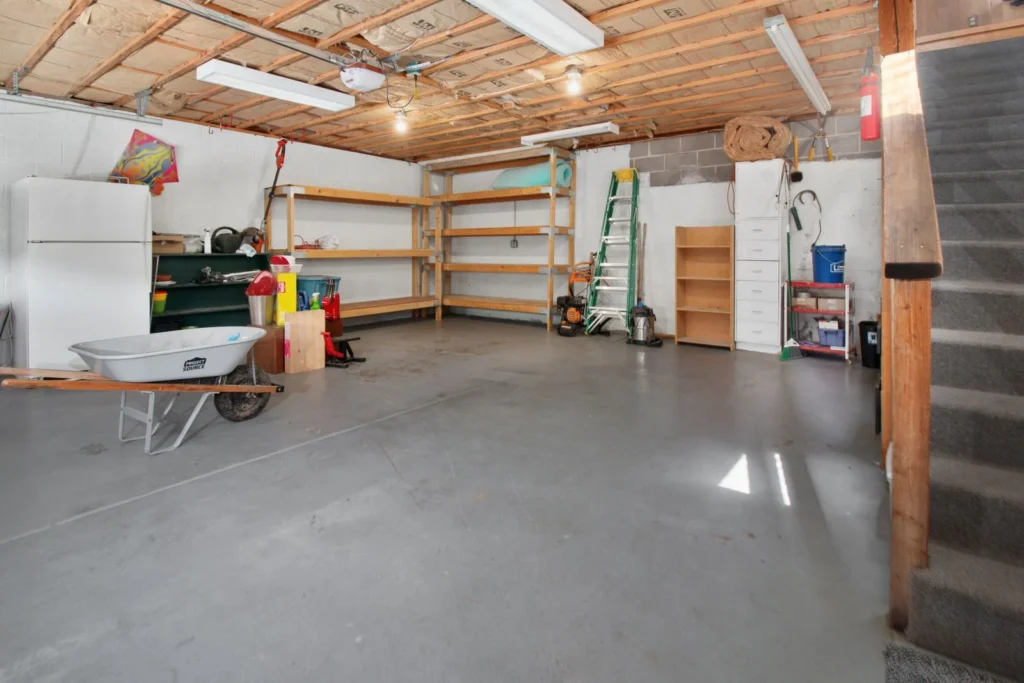
Call now. We will inspect the property, show you where rodents are getting in, and seal it so they stay out.
Call us, tell us what you are seeing and where you are located, and our team will confirm the right appointment type and timing.
These pictures come from our own inspection cameras and job sites: rats caught in traps, mice under cabinets, the entry points we find, and the sealing work that keeps them out.
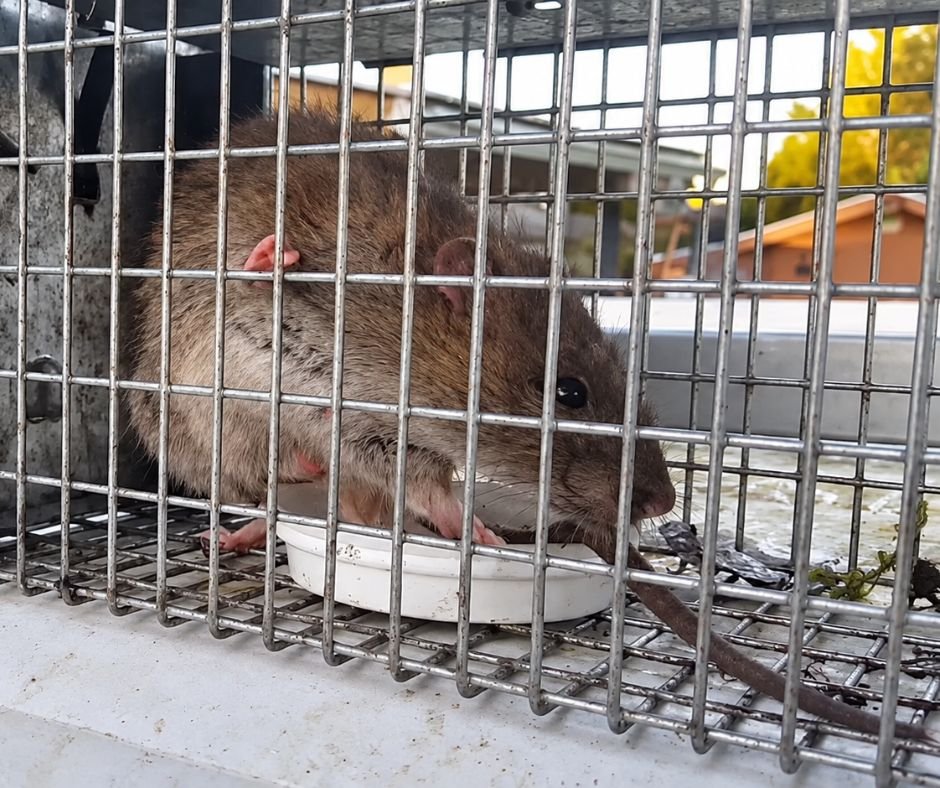 Rat caughtClose-up of a rat caught in a cage trap
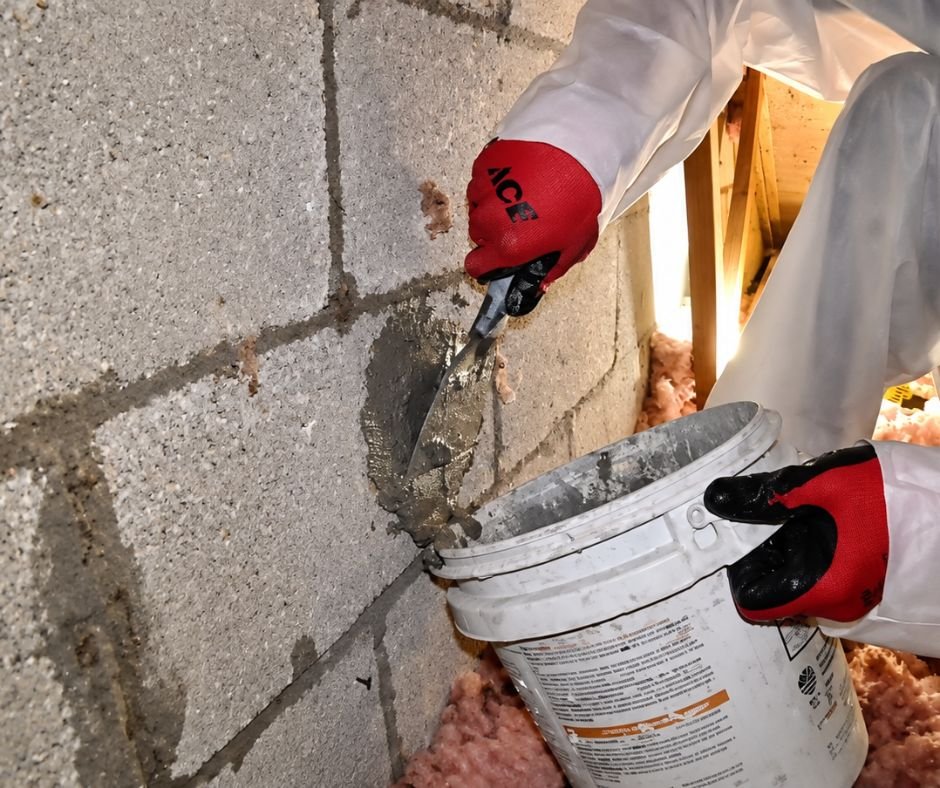 Exclusion workTechnician sealing a block wall gap with mortar
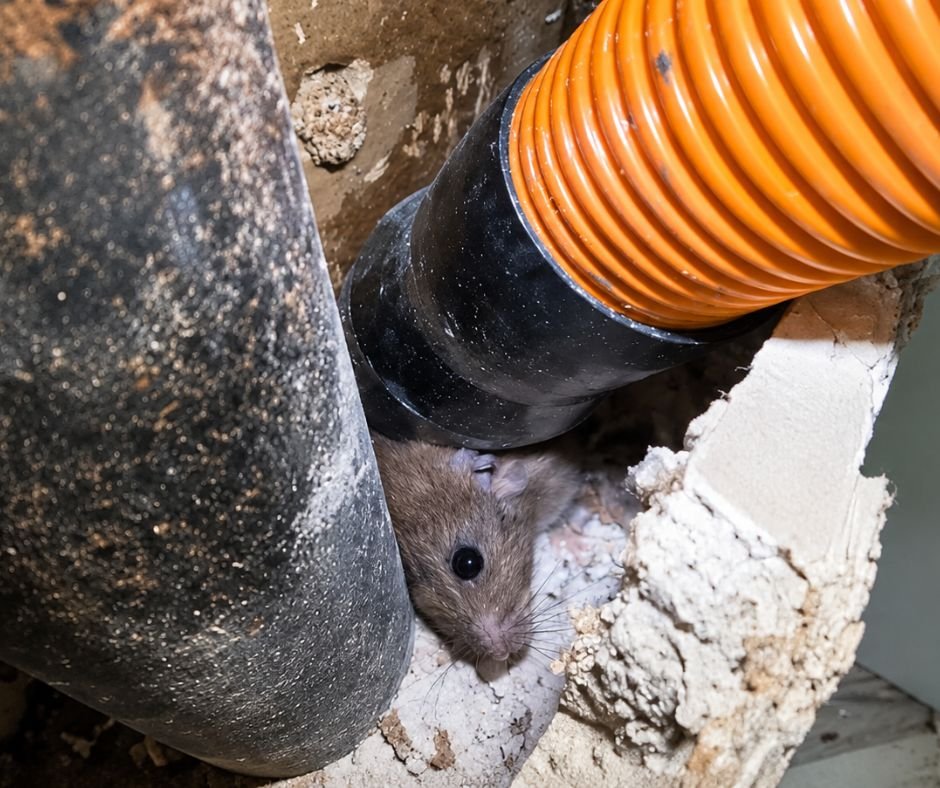 Entry point foundRat squeezing past an unsealed pipe penetration in a wall
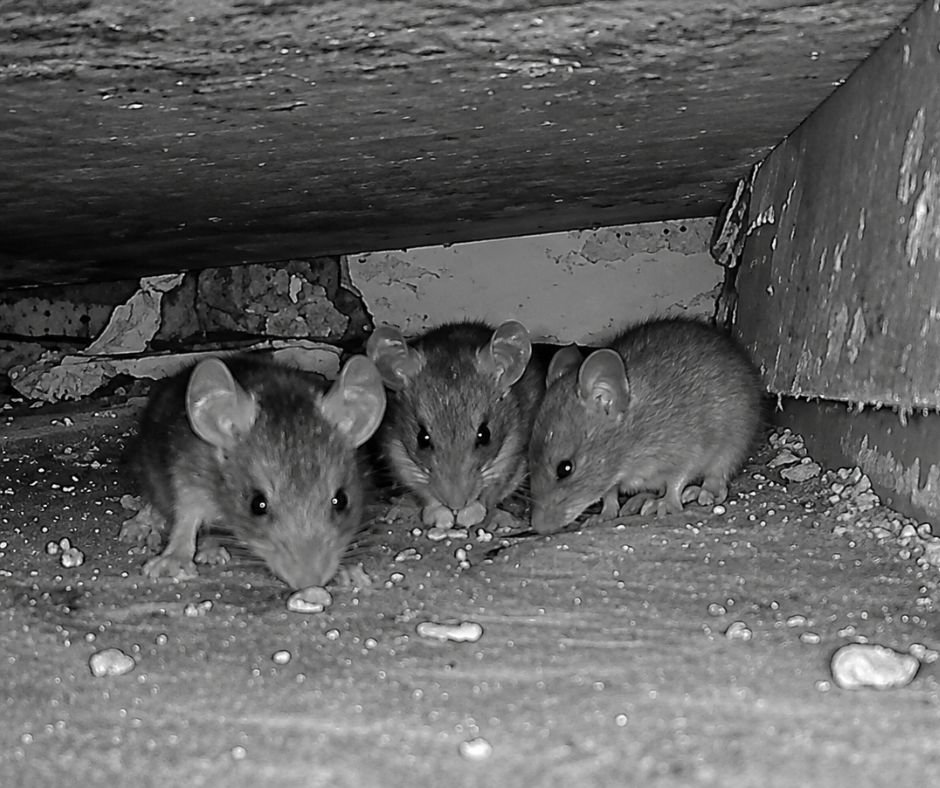 Kitchen inspectionThree mice caught on camera under a cabinet
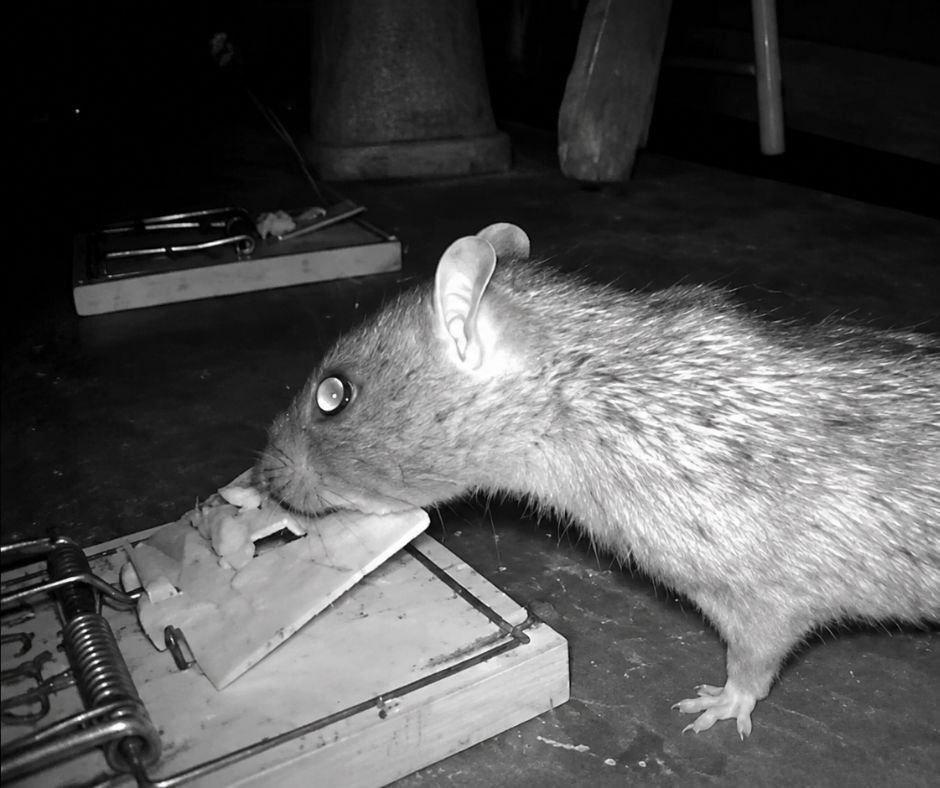 Trap cameraNight camera photo of a rat at a snap trap
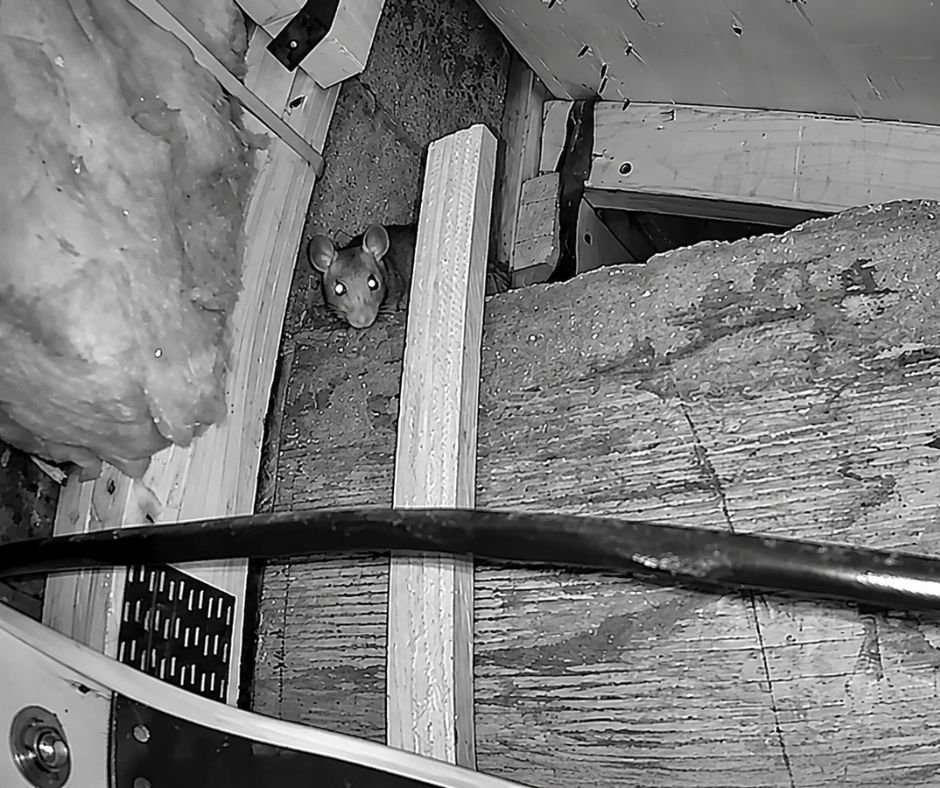 Attic inspectionMouse found near attic insulation
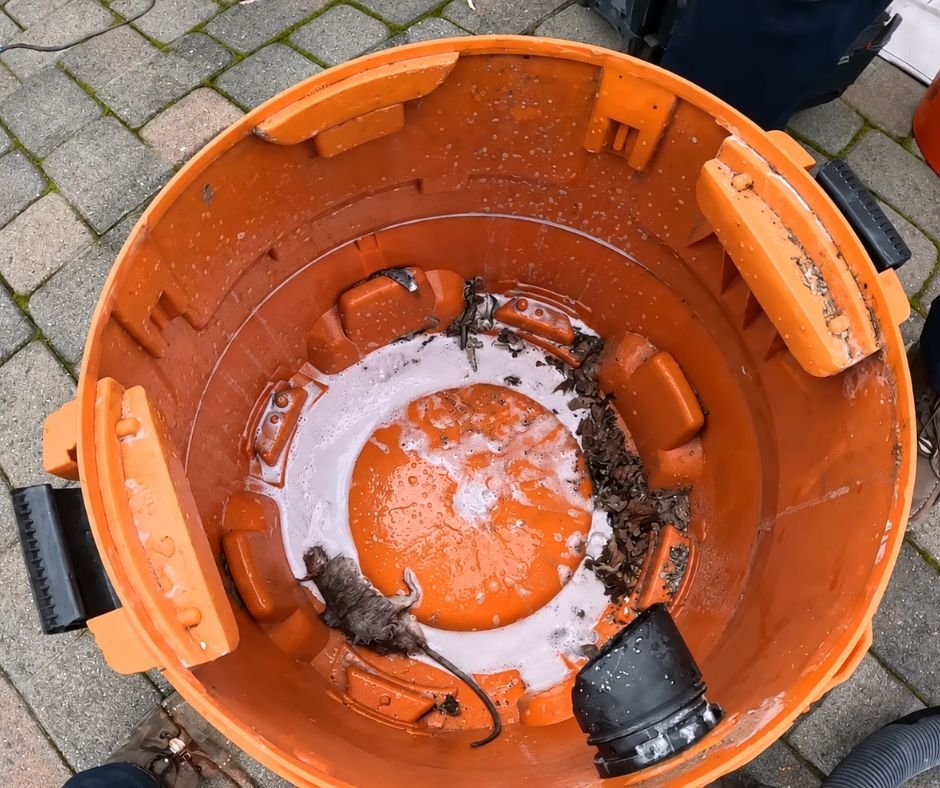 Station checkRat found inside a rodent station during a service check
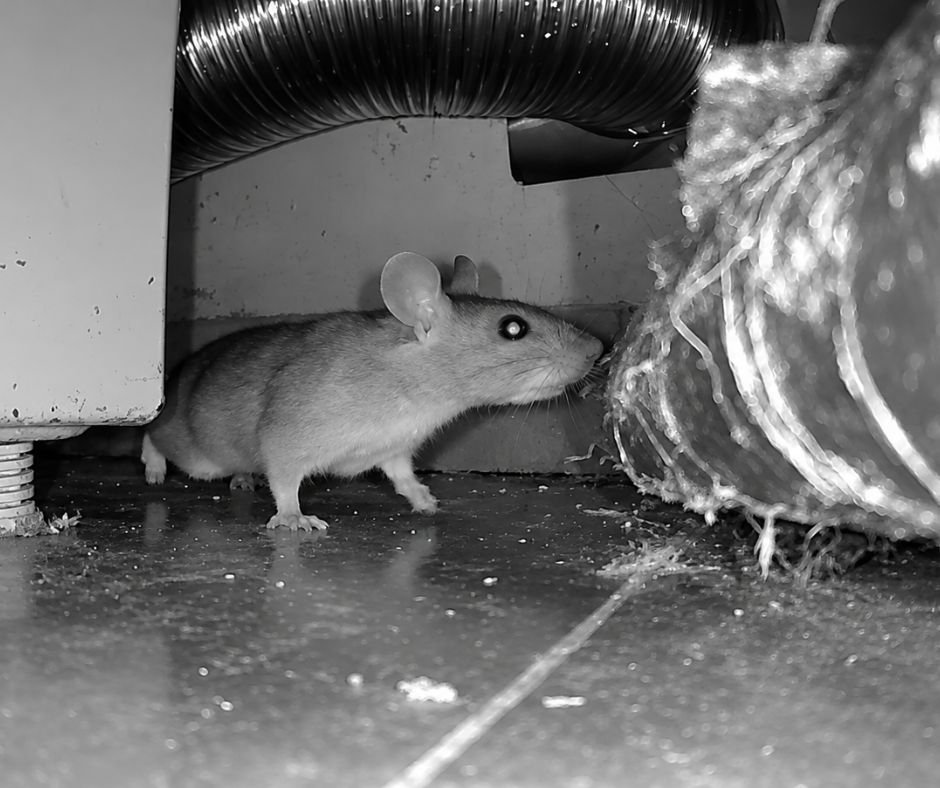 Entry point checkMouse beside a dryer vent duct
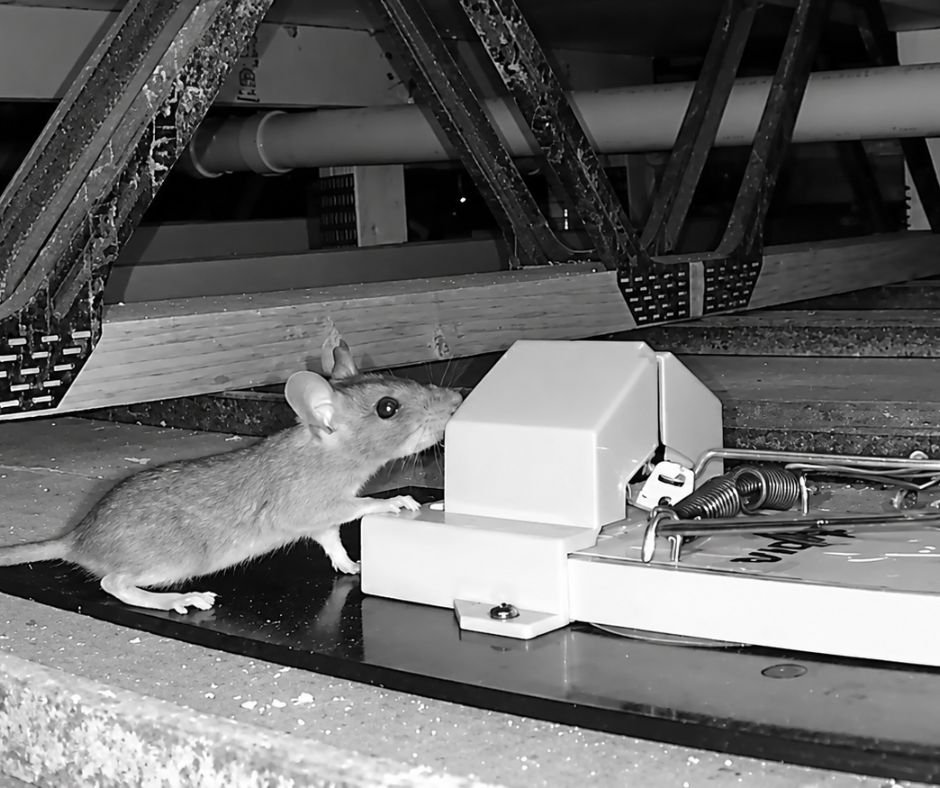 TrappingMouse approaching a trap station near roof trusses
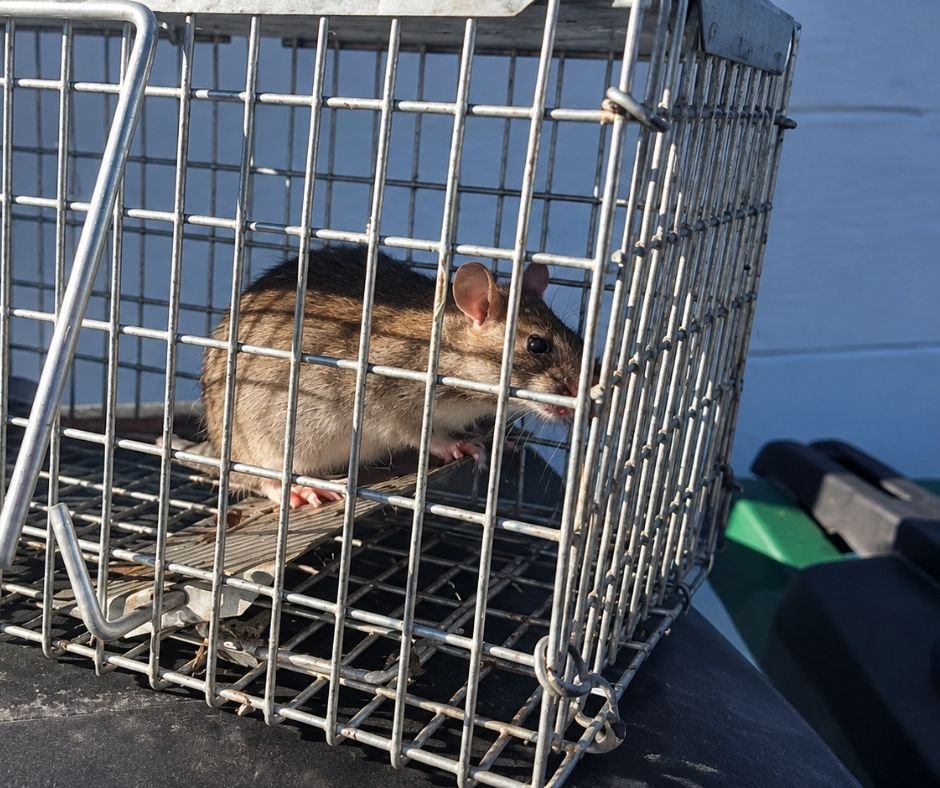 Rat caughtRat caught in a cage trap outside a Florida home
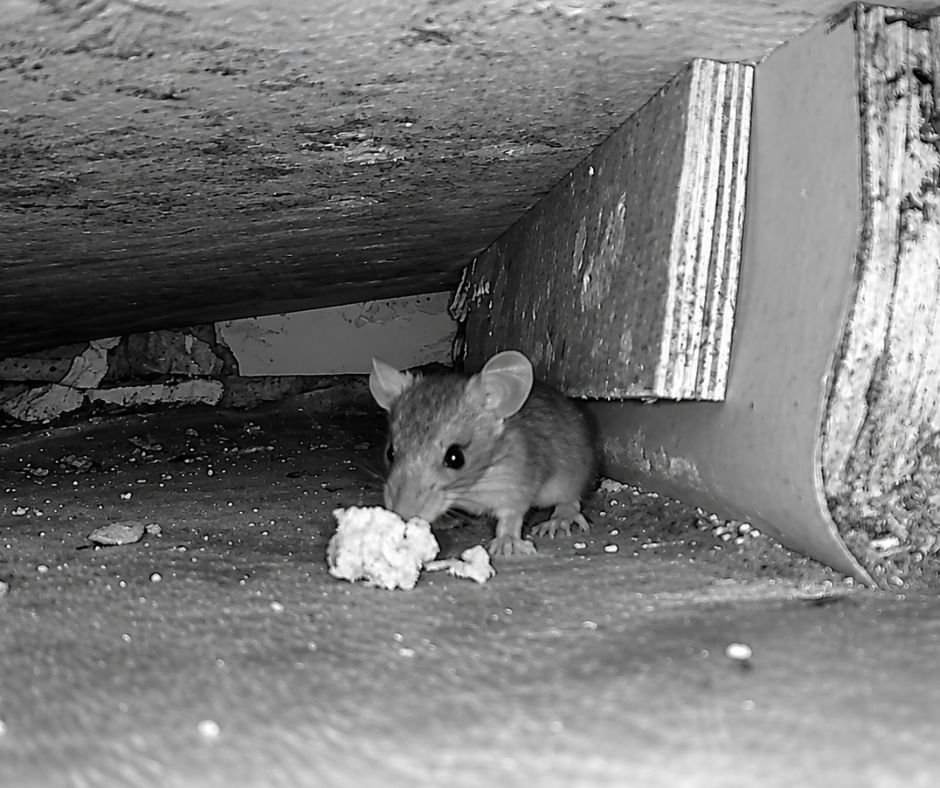 Food source foundMouse feeding on crumbs under a cabinet
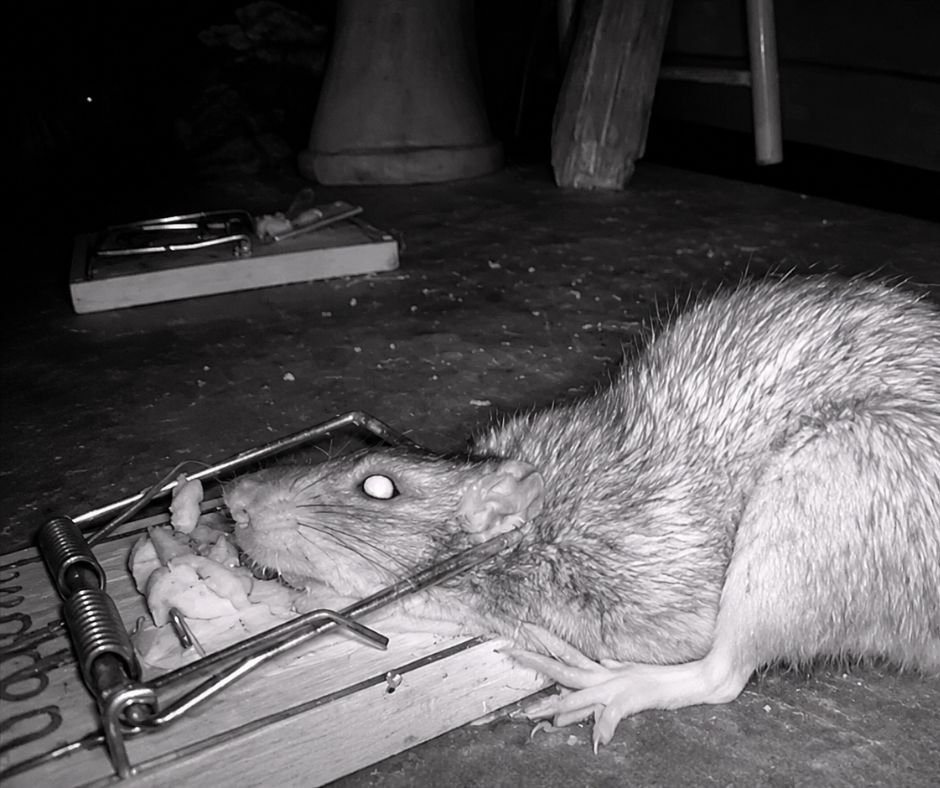 Trap cameraNight camera photo of a rat approaching a baited snap trap
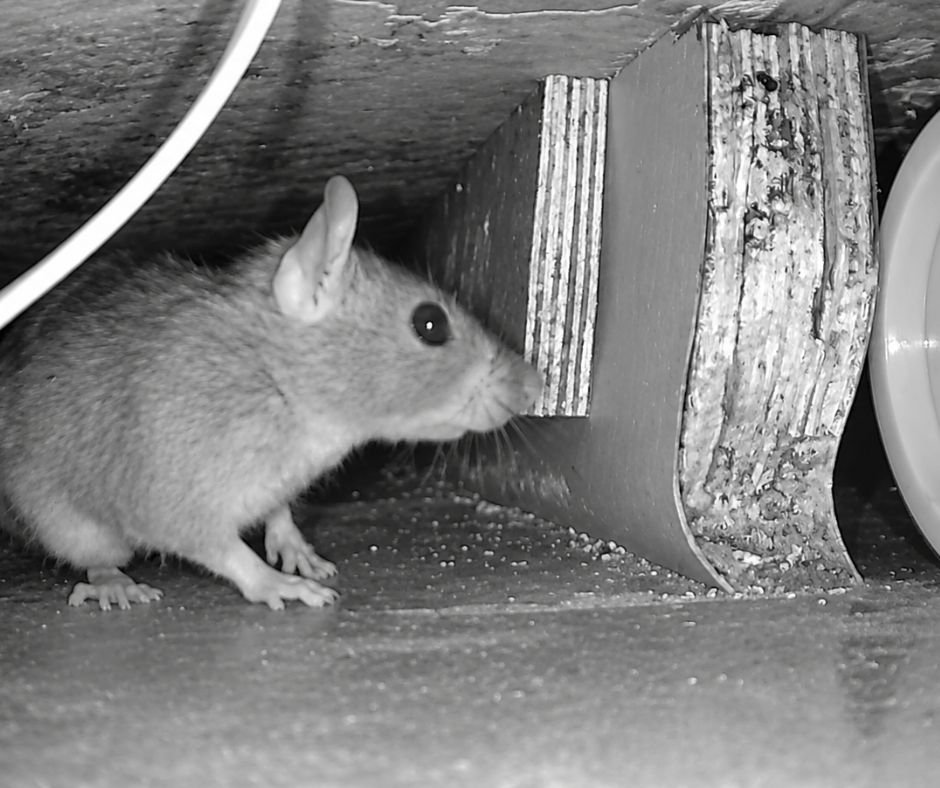 Kitchen inspectionMouse moving along a cabinet base
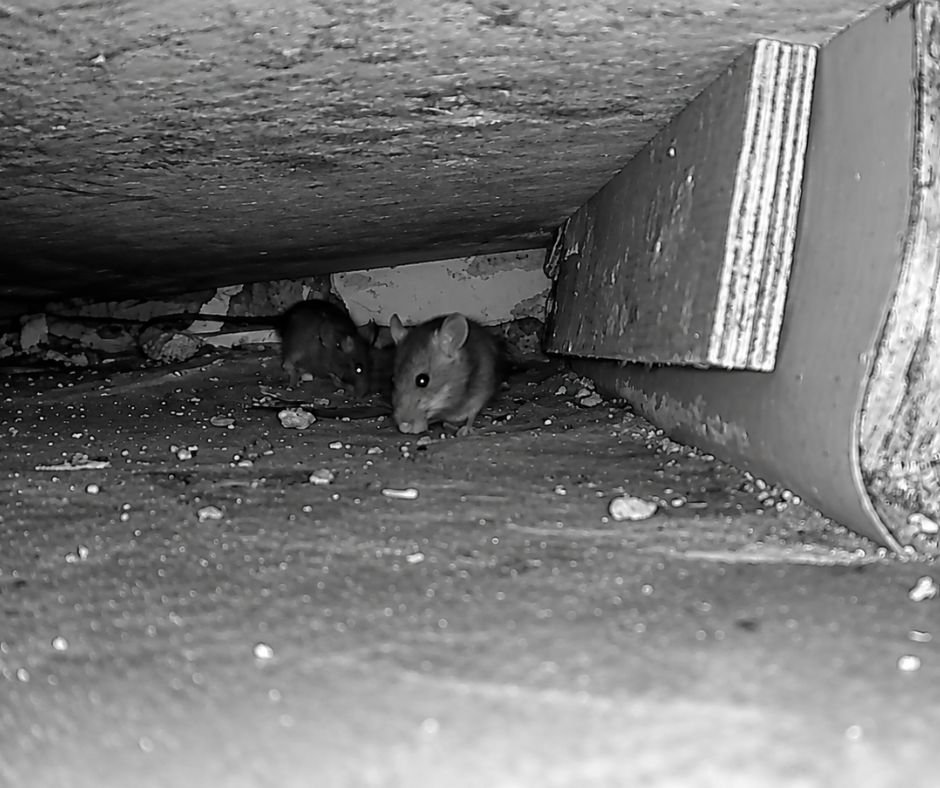 Kitchen inspectionTwo mice under a cabinet, a sign of active activity