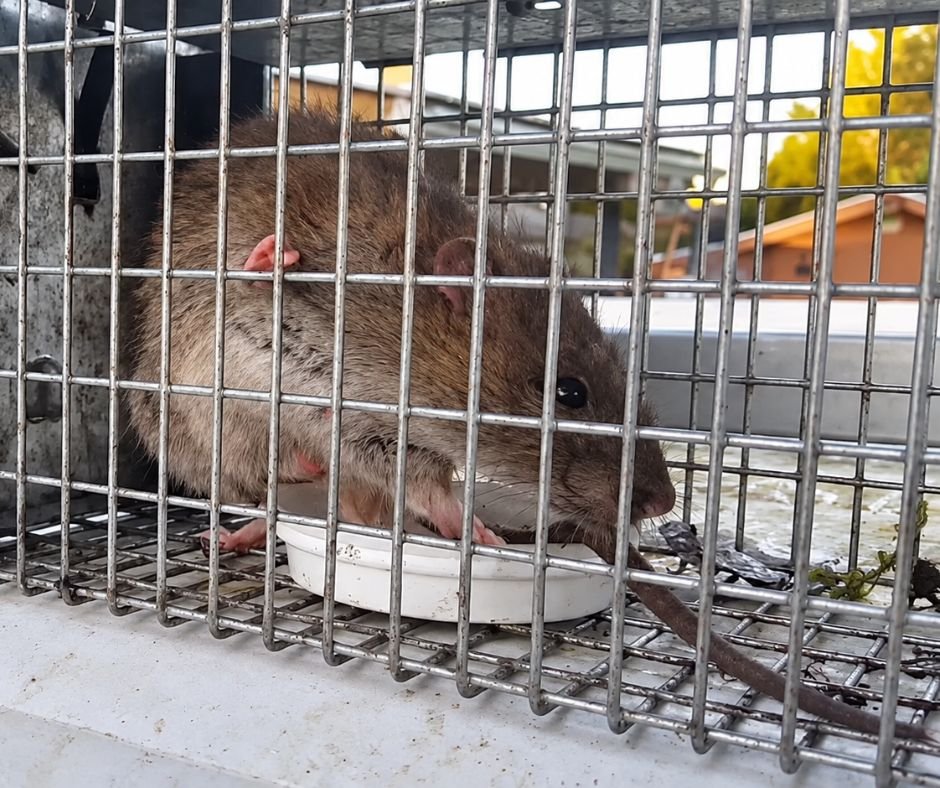
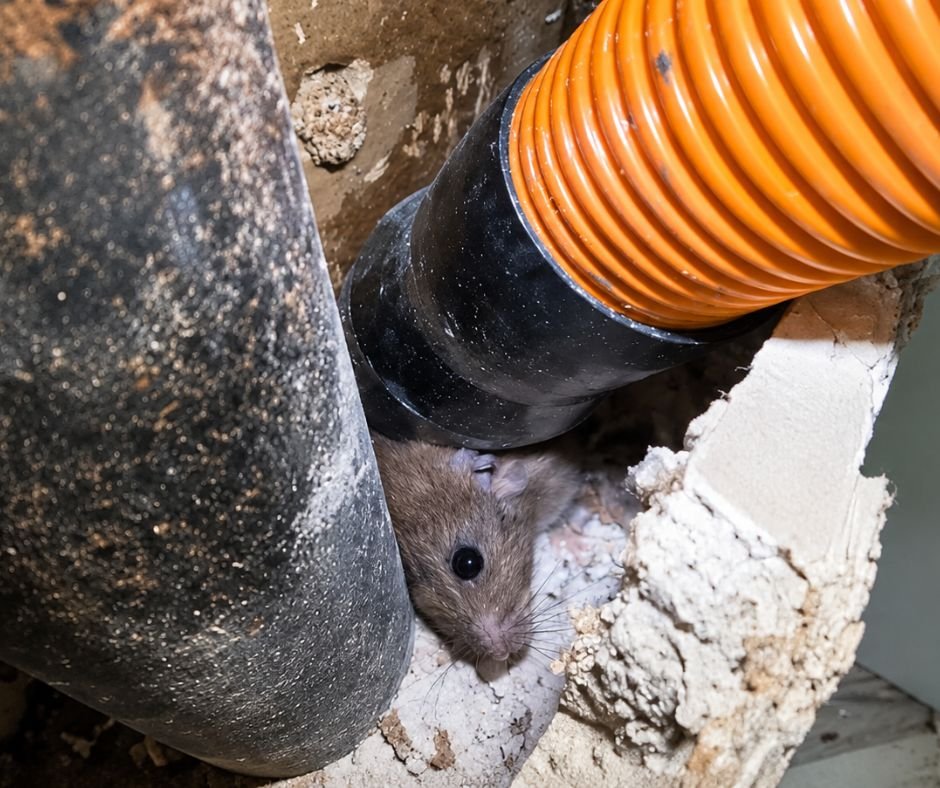
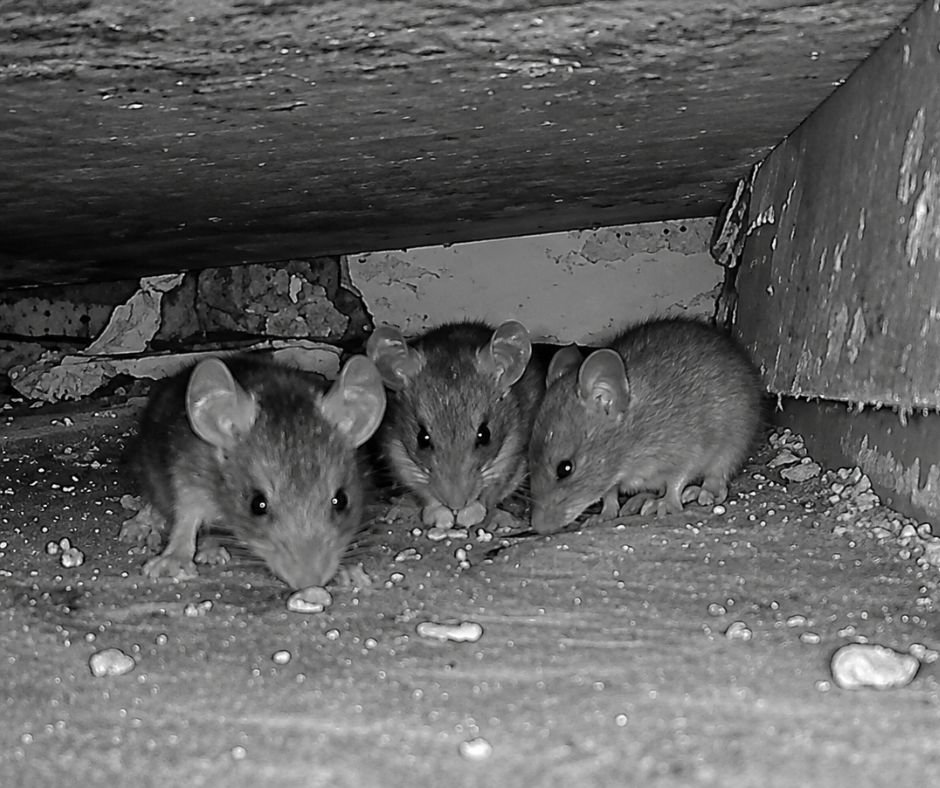
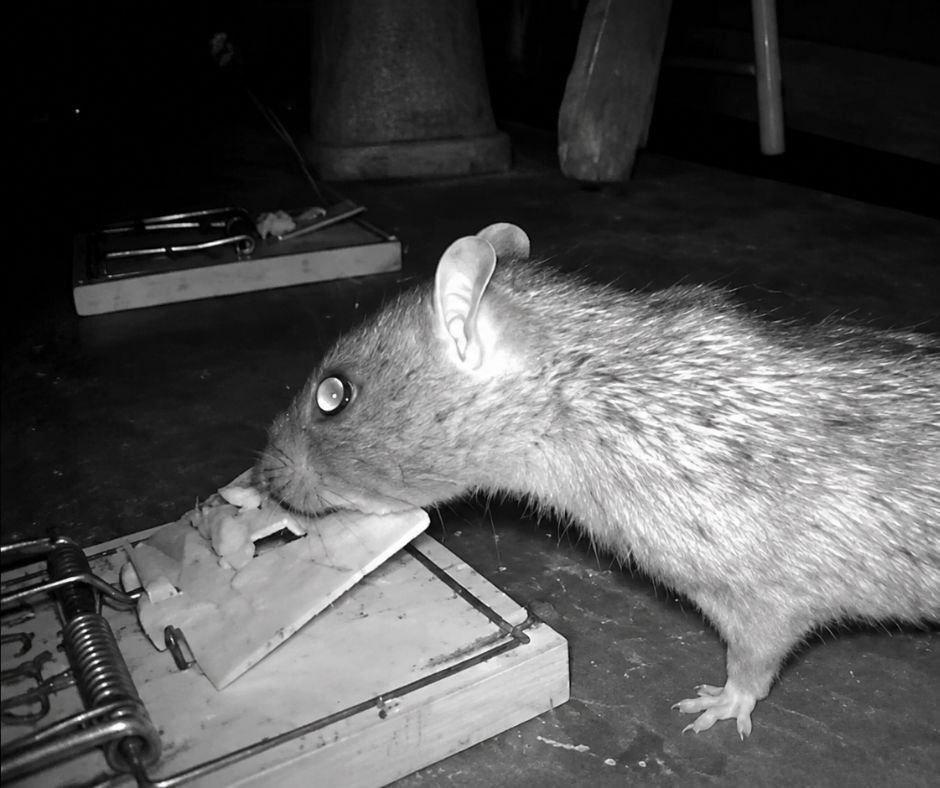
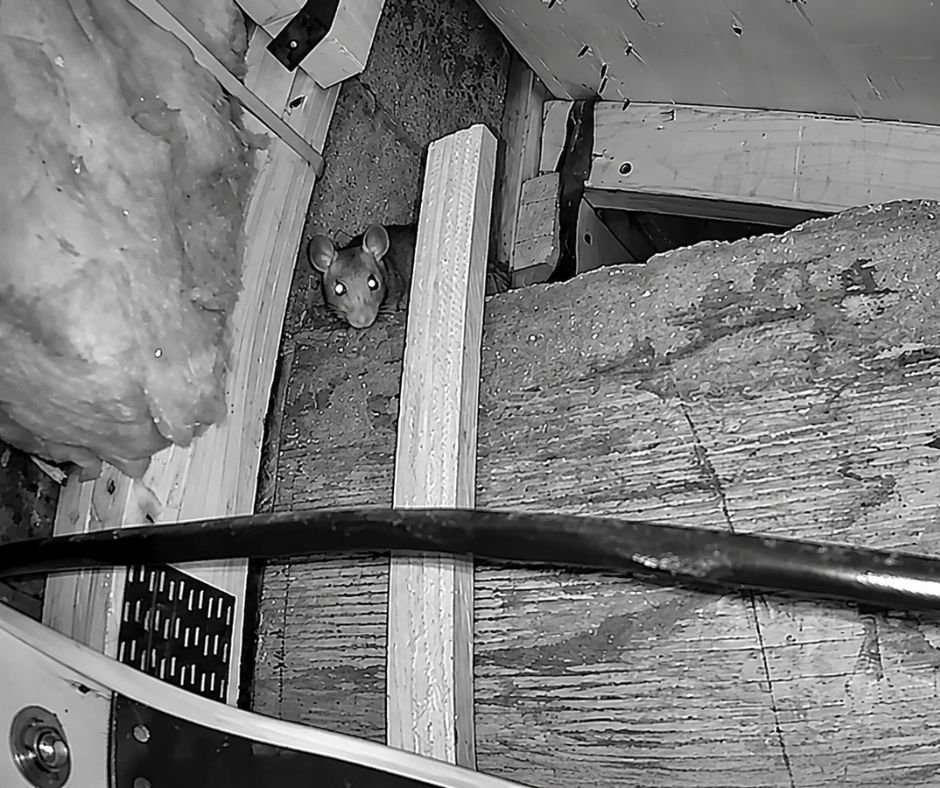
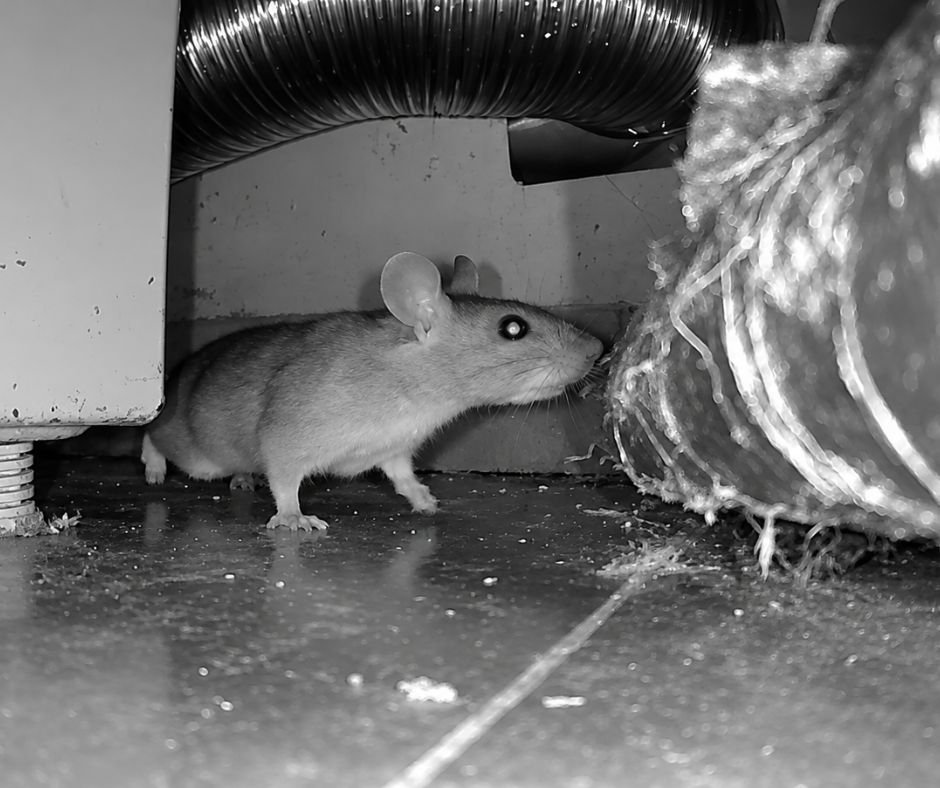
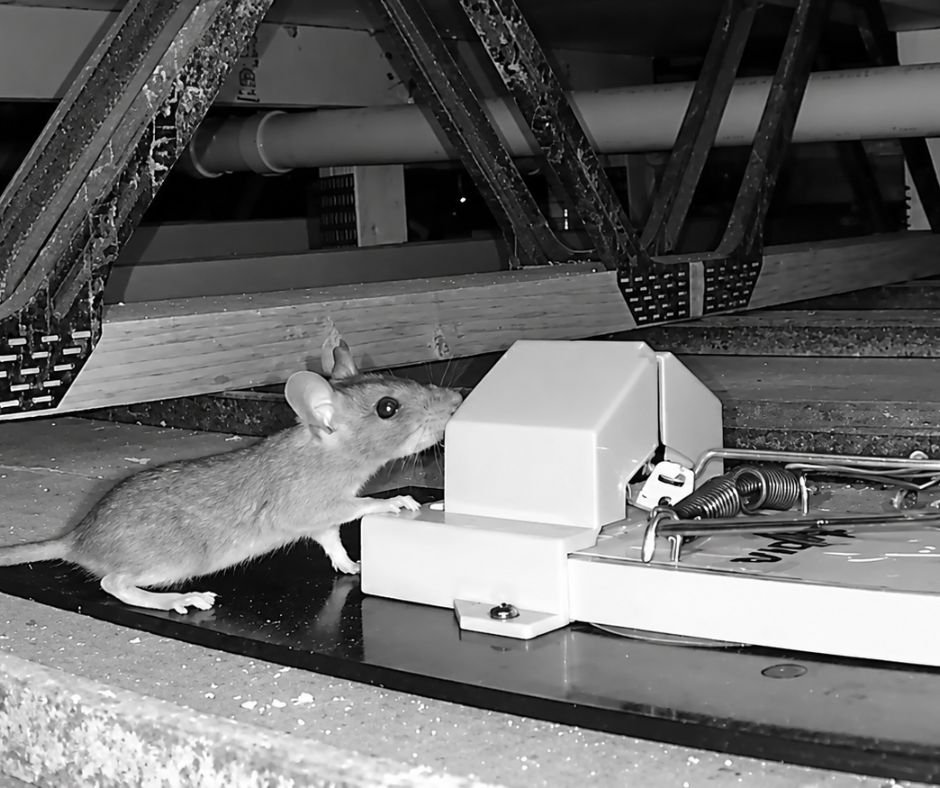
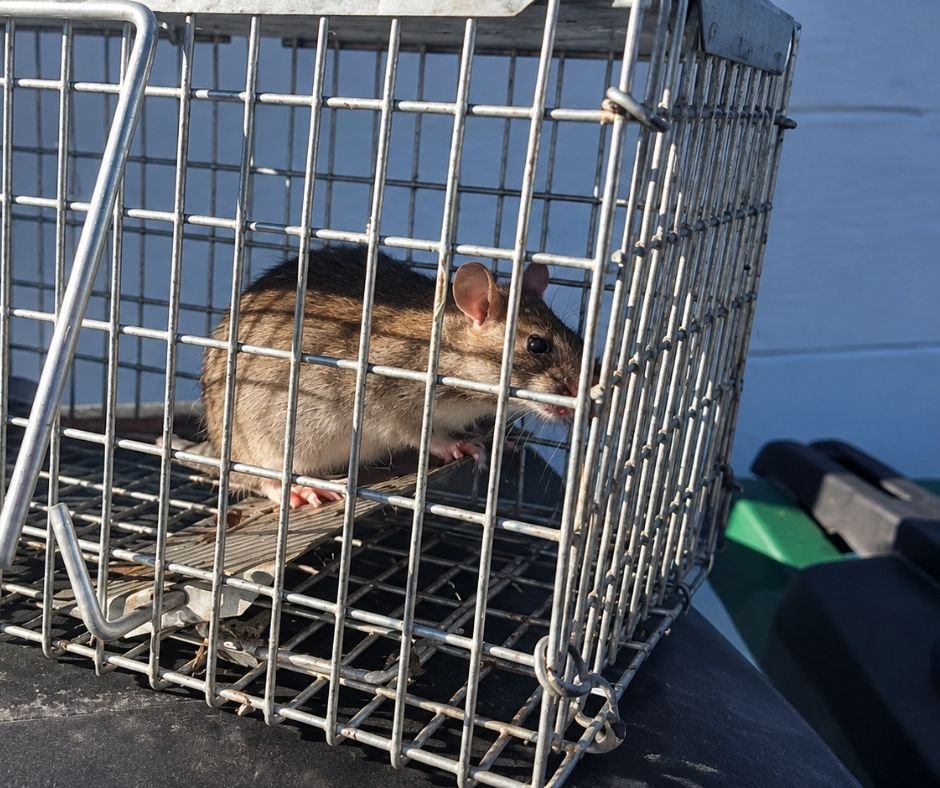
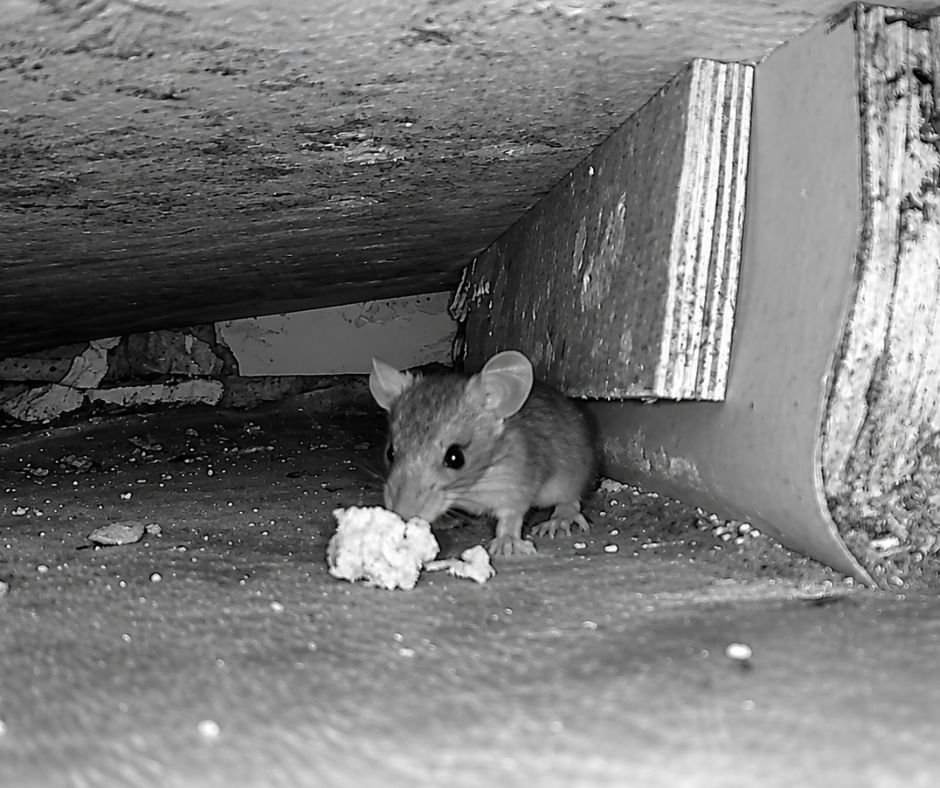
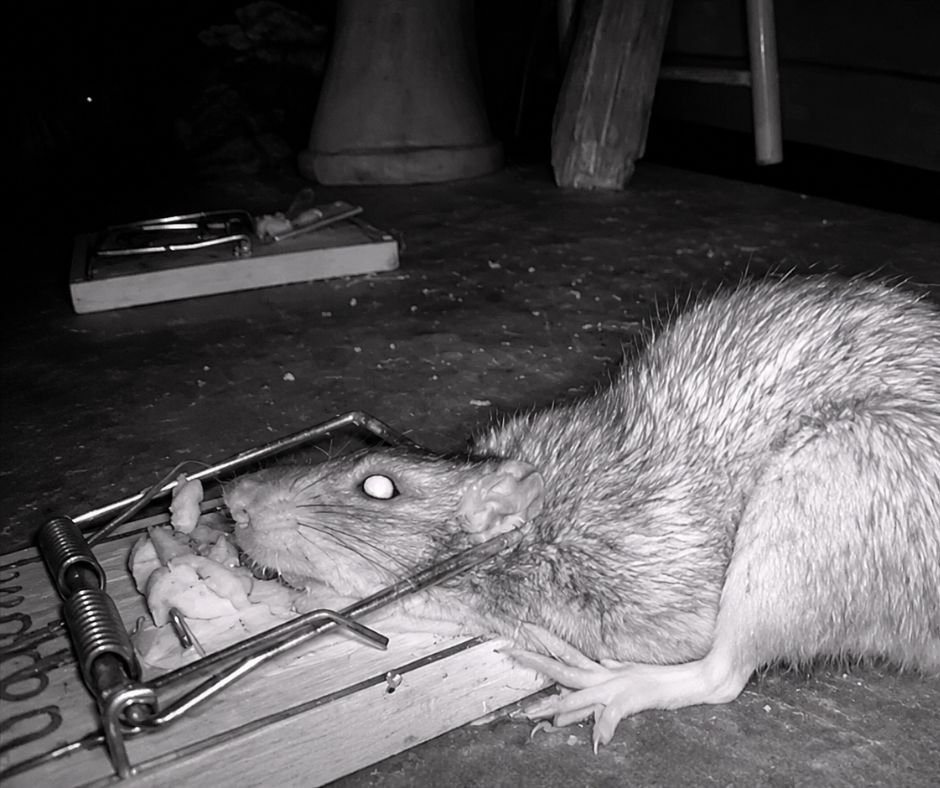
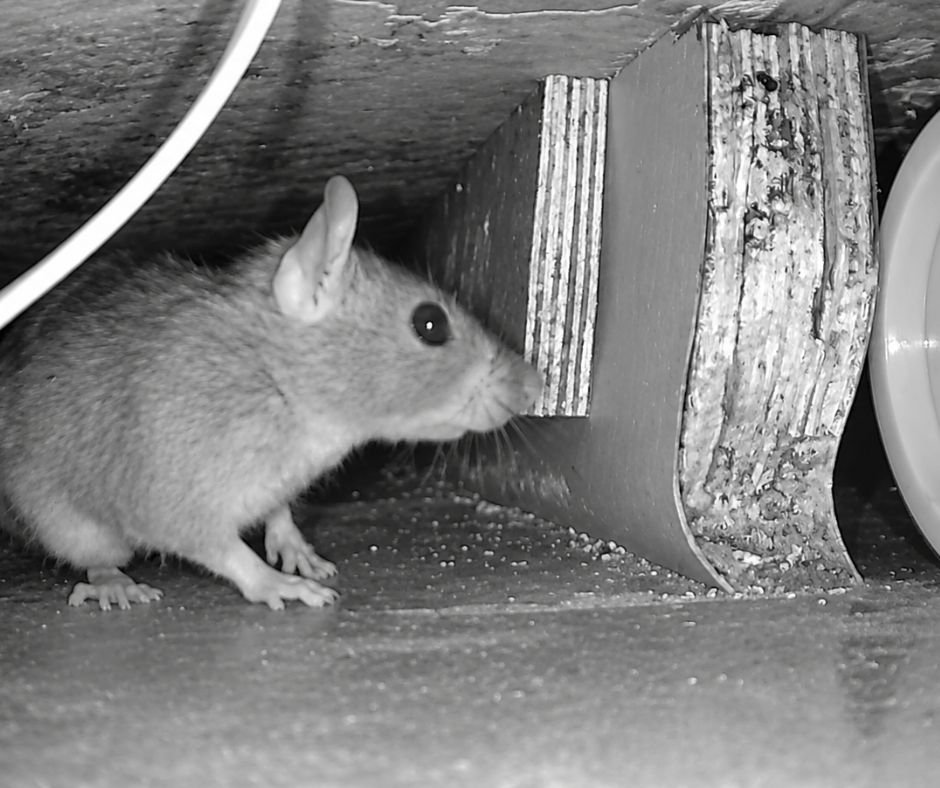
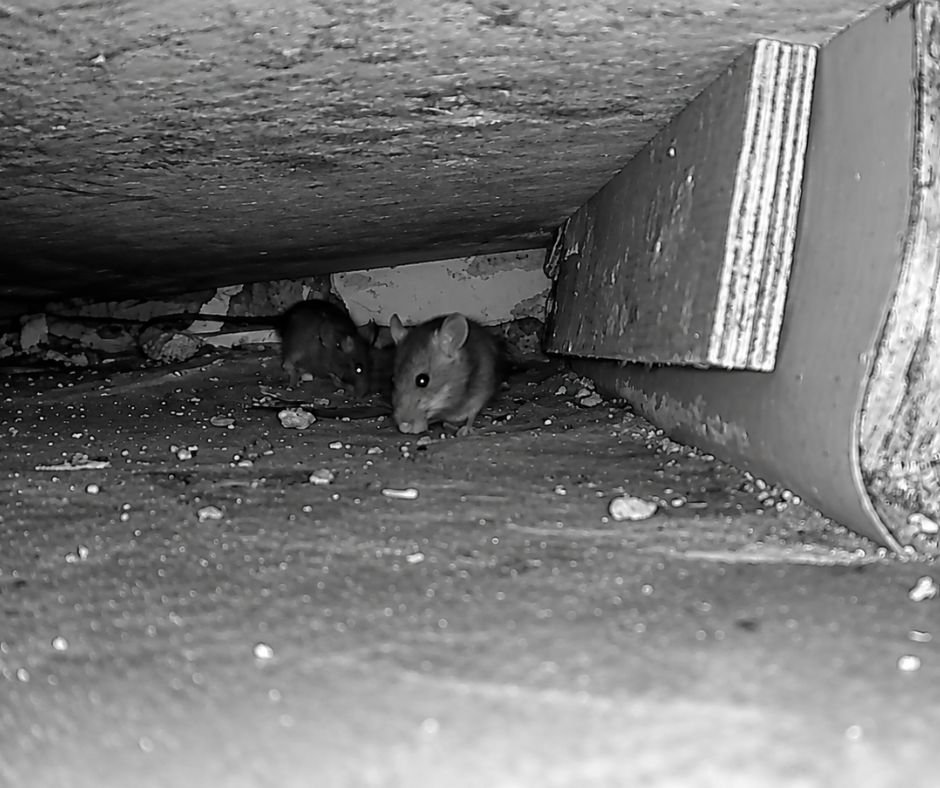
Plantation was built around big lots with fruit trees, and it has been a Tree City since 1980. Mature oaks, palms, mangos and citrus give roof rats food, nests and branches that lead to the roof. Homes with limbs over the roofline and open vents see them most.
Plantation, Broward County
Rodent Control and Rat Removal in Plantation, FL
Plantation was sold as a full acre and a yard of fruit trees with every home. Seventy years later, those big lots, tall canopies, canals and horse barns still feed and shelter rats. We find how they reach your roof or garage, seal it with metal and remove the ones already inside.
A city built around trees
“A Full Acre With Every Home” and What It Means for Rats Today
In 1939, Frederick C. Peters, an heir to a shoe business, bought about 10,000 acres of drained Everglades land west of Fort Lauderdale. The first homes went up in 1947, and the city was incorporated in 1953 with about 300 residents. The early plan was simple: a 2 bedroom house on 1 acre with 20 fruit trees.
That plan shaped the city you live in now. Plantation has been a Tree City since 1980, and many older streets still sit under mature oaks, palms, mango, avocado and citrus. For a roof rat (Rattus rattus), that is a perfect home. It nests in the trees, eats the fruit and walks the branches to your roof.
UF/IFAS notes that roof rats travel up to 150 yards from the nest for food and water. On a 1 acre lot, the whole colony can live on your property without ever leaving it. That is why rodent control in Plantation has to cover the yard and the roofline, not just the attic.
Our EPA and FDACS certified team inspects the whole lot and shows you the plan and price before any work starts.
Plantation at a glance
- County
- Central Broward County
- Incorporated
- April 23, 1953
- Population
- 91,750 (2020 census)
- Area
- About 22 square miles
- Rain
- About 66 inches a year
- Borders
- Sunrise, Lauderhill, Fort Lauderdale and Davie
- Main rodents
- Roof rats in trees and attics, Norway rats on canal banks and barns, house mice indoors
- Call
- (561) 562-7607, 24/7
Sources: Wikipedia, Plantation, Florida (history, census, climate table, Tree City 1980); UF/IFAS Extension UW120 Roof Rats.
Your yard, tree by tree
The Yard Features That Feed and Hide Rats on a Plantation Lot
Most of the rats we remove from Plantation attics started outside. Walk your yard with this table and you will often find where they live before they get in.
| Yard feature | What it gives rats | What to look for | What helps |
|---|---|---|---|
| Mango, avocado and citrus trees | Food on the branch and on the ground | Fruit hollowed out with the skin left hanging, gnawed seeds, fruit gone overnight | Pick ripe fruit early, rake up drops every day, keep limbs off the roof |
| Tall palms | Nest sites in the dead frond skirt | Droppings at the base, rustling at dusk | Trim old fronds and skirts, cut palms back from the house |
| Oak and ficus canopy over the roof | A bridge from tree to soffit and gable vent | Rub marks on fascia, chewed screen on vents | Keep branches 6 to 8 feet from the roof and away from power and cable lines |
| Dense hedges and ground cover | Cover and runways close to the wall | Smooth paths under the hedge, burrows near the foundation | Thin the base, leave a clear strip along the house |
| Bird feeders, pet bowls, compost | Easy food every night | Spilled seed gone by morning, droppings near the patio | Feed pets indoors, use seed trays, close compost bins |
| Woodpiles, sheds and storage | Dry nesting space | Shredded paper or insulation, chewed door corners | Stack wood off the ground and away from walls, seal shed gaps |
Sources: UF/IFAS Extension UW120 Roof Rats (palm skirts, fruit feeding, 150 yard range) and ENY-224 Rat and Mouse Control. Branch distance is a common exclusion practice, not a city rule.
Plantation Acres and horse country
Rats in Barns, Feed Rooms and Stables
Plantation Acres was annexed in 1973 as a Special Public Interest Rural District, and it still has large lots, horses and private barns. The city also runs the Plantation Equestrian Center in Volunteer Park, with 2 stables and 96 stalls. Where there is grain and hay, there are rodents.
Feed room
Grain is the first target
Sweet feed, oats and pellets stored in paper or plastic sacks get chewed open in a night. Norway rats (Rattus norvegicus) and house mice (Mus musculus) will move into a feed room once they find it. Metal bins with tight lids stop most of the loss.
Hay storage
Bales make warm nests
Stacked hay gives rodents cover and nest material. Stack bales on pallets with space along the walls so you can see droppings and runways, and use the oldest hay first.
Barn walls
Gaps at ground level
Barn doors that do not seal, gaps under siding and holes where water lines enter are common entry points. We close them with sheet metal, 1/4 inch hardware cloth and concrete where needed.
Tack and trailers
Chewed leather and wiring
Rats and mice chew tack, blankets, trailer wiring and truck wiring in parked vehicles. Keep tack rooms closed and check trailers that sit for weeks.
1973
Annexed
Year Plantation Acres joined the city.
96
City stalls
Stalls at the Plantation Equestrian Center.
85ac
Park area
Boardwalks, bridle paths and rings around the center.
1/4in
Mouse gap
All a house mouse needs to get into a feed room.
Around horses, other animals and pets, bait placement matters. Any bait goes only in locked, tamper-resistant stations placed where the label allows. Inside barns we lean on exclusion and traps.
Sources: Wikipedia, Plantation, Florida (Plantation Acres, 1973); City of Plantation, Equestrian Center; UF/IFAS ENY-224 (gap sizes).
Canals and lakes
Norway Rats Along the North New River and Holloway Canals
Plantation sits on drained Everglades land, and the drainage canals are still here. The North New River Canal, the South New River Canal and the Holloway Canal run through or along the city, and many neighborhoods back onto smaller canals and lakes. Norway rats need water every day and dig burrows in soft banks.
Banks
Burrows at the waterline
Look for holes about 3 inches wide with fresh dirt outside, often under shrubs, slabs or the edge of a patio. UF/IFAS notes Norway rat burrows are often about 18 inches deep.
Pool decks
Under pavers and slabs
Soft fill under a pool deck or a screened patio is easy to dig. Sinking pavers or a gap at the slab edge can mean a burrow under it.
Garage
Bottom corners of doors
Ground rats come in low. A worn garage door seal or a 1/2 inch gap at the corner is enough for a rat. We replace seals and add metal where they chew.
Sources: Wikipedia, Plantation, Florida (canals); UF/IFAS Extension ENY-224 Rat and Mouse Control (burrows, 1/2 inch rat gap).
Services available in Plantation
Rat and Mouse Removal Services in Plantation
Most Plantation jobs combine a few of these: an inspection, sealing, trapping and cleanup. Choose a service to learn more, or call and we will tell you what your property needs.
Residential Rodent ControlAttic and garage rat removal for Plantation homes, from canal-front lots in Plantation Acres to newer construction in Jacaranda.Learn More →
Commercial Rodent ControlScheduled service with written visit logs for retail centers near Broward Mall and offices along University Drive and Broward Boulevard.Learn More →
Rodent RemovalTraps placed on the paths rats use and checked on return visits until the activity stops.Learn More →
Dead Rodent RemovalBad smell in a wall or ceiling? We find and remove the dead rodent, then clean and deodorize the area.Learn More →
Rodent CleanupRemoval of droppings, urine and nests from attics and garages, with advice on insulation replacement.Learn More →
Rodent ExterminatorEPA and FDACS certified technicians who use traps indoors and follow product labels around kids and pets.Learn More →
Rodent ExclusionWe seal soffits, roof vents, pipe gaps and garage corners with metal and mortar so rats cannot get back in.Learn More →
Rodent Feces RemovalCareful cleanup of droppings with disinfectant, never sweeping or vacuuming, which can spread germs.Learn More →
Rodent ProofingDoor sweeps, vent screens, roof edge sealing and hedge trimming advice for Plantation homes.Learn More →
Blue bags and bulk days
Plantation Trash Rules That Help Keep Rats Away
Plantation is different from most Broward cities. Many homes use the city’s blue garbage bags instead of a cart. A bag on the swale is easier for a rat to open than a closed cart, so timing matters.
| Topic | City of Plantation rule | Rat tip |
|---|---|---|
| Blue bags | Required for homes with fewer than 5 units. Plantation Acres, Melaleuca Isles, Lago Largo and Hawks Landing use WM rollout carts instead. Black bags are not collected. | Set bags out the morning of pickup, not the night before. Keep bags in a closed garage or bin until then. |
| Set out time | Garbage goes to the curb before 7:00 AM on collection day, twice a week. Rollout carts must be back by midnight on collection day. | A bag that sits out all night is a buffet. Morning set out cuts that window. |
| Yard waste | Branches tied in bundles no longer than 6 feet. Clear bags of leaves need an unused blue bag tied to them on garbage days. Up to 5 palm fronds, no longer than 6 feet, for blue bag homes. | Do not leave cut fronds and brush piled in the yard for weeks. They become roof rat shelter. |
| Bulk trash | Single-family homes get bulk pickup once a month. Set out the day before, or as early as the Saturday before. Do not place bulk under trees or near storm drains. | Old mattresses and furniture at the curb hide rats. Put them out as late as the rules allow. |
| Report a problem | Code Enforcement: 954-797-2267. Public Works: 954-452-2535. WM service questions: 954-974-7500. | A neighbor’s junk pile or overgrown lot can keep feeding rats on your street. |
Sources: City of Plantation Public Works, Landscape and Yard Waste page and solid waste collection guide (plantation.org). Rules can change, so check the city site for your collection day.
From first call to final check
Our Rat Removal Plan for Plantation Homes
A big lot means more ground to cover, so we start outside and work in. Nothing starts until you see the plan and the price and approve it.
- Visit 1
Lot and roof inspection
Trees, palms, fruit, sheds, canal bank, roofline, soffits, gable vents, attic and garage. You get photos of each entry point.
- Visit 1 or 2
Exclusion
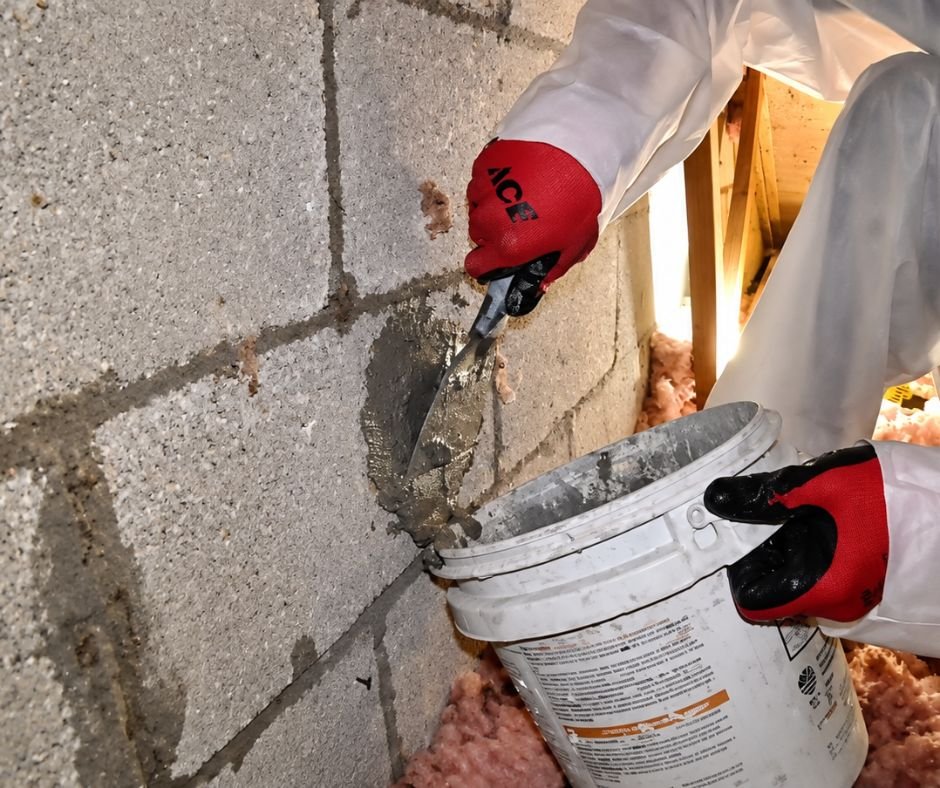
Openings sealed with sheet metal, 1/4 inch hardware cloth, mesh and concrete. Foam alone is not used because rats chew through it.
- Next 1 to 2 weeks
Trapping
Snap traps on the runways inside, checked on each visit. Locked bait stations outside only where the label allows.
- After trapping
Cleanup
Droppings and nests removed with disinfectant, following CDC guidance. See rodent cleanup.
- Follow-up
Recheck
We return to confirm no new activity, and we tell you which trees or yard spots to keep an eye on.
Plantation by area
Where We Find Rodents Across Plantation
From original 1950s ranch homes to new apartments at Plantation Walk, each part of the city gives rats a different way in.
Original Plantation
East side ranch homes
The oldest streets, first built from 1947 on, under big trees. Roof rats in attics, entering at gable vents, roof returns and the roofline where it meets the wall.
Plantation Acres
Large lots and barns
Rural lots with horses, sheds and feed. Norway rats and mice in barns and garages, roof rats in the trees.
Jacaranda
Planned community from 1964
Built on land bought from the Peters family, now with mature landscaping. We check pool decks, garage seals and AC line holes.
Melaleuca Isles
Annexed in 1973
One of the areas on WM rollout carts instead of blue bags. We check sheds, garages and any canal or lake bank on the lot.
Plantation Walk and Midtown
Mixed-use and apartments
Apartments, shops and restaurants. Rodents move through shared walls, trash rooms and utility runs. See commercial rodent control.
Broward Mall area
Retail and restaurants
The mall opened in 1978 and was called Westfield Broward from 2007 to 2021. Dumpster corrals, loading doors and food tenants near University Drive and Broward Boulevard draw rats and mice.
Sources: Wikipedia, Plantation, Florida (neighborhoods, annexations, Jacaranda 1964, mall history). Entry points listed are what we commonly check, and every property is inspected in full.
Weekend checklist
A Simple Rat Check for Large Plantation Lots
You do not need a ladder to spot most early signs. Walk the lot at dusk once a week for a month and look for these.
- Black droppings 1/4 to 1/2 inch long under fruit trees, on the patio or along the garage wall.
- Greasy rub marks on fascia boards, pipes and the top of fences.
- Scratching or running in the ceiling a few hours after dark.
- Fruit eaten while still on the tree.
- Holes at the base of hedges, slabs or the canal bank.
- Chewed irrigation lines, AC line insulation or car wiring.
Smell something dead in a wall? See dead rodent removal.
Skip these, they do not fix rats
- Ultrasonic devices. UF/IFAS reports no evidence they drive rodents away.
- Repellent sprays and mothballs. No repellent is registered for roof rats.
- Loose poison in the attic. Rats may die in walls and leave a strong odor.
- Sweeping droppings. The CDC says to wet them with disinfectant or 1 part bleach to 9 parts water, wait 5 minutes, then wipe with paper towels.
- Trapping without sealing. New rats from the trees move right back in.
Sources: UF/IFAS UW120 Roof Rats; CDC, How to Clean Up After Rodents.
Primary Plantation response zone
Plantation service coverage
Is your ZIP on the route?
Plantation spans several ZIP codes across Broward County. These are the ones we serve most, but we cover the whole city. Call if you do not see yours.
3331133313333173332233323333243332533388
Areas we serve
Check my address →
Plantation Acres · Melaleuca Isles · Jacaranda · Central Park area · Historic Plantation · University Drive corridor · Broward Boulevard corridor
Plantation rodent FAQ
What Plantation Residents Ask About Rats
Fruit trees, barns, canals or a mouse in the pantry, call and tell us what you see.
Call (561) 562-7607 →Very likely, if the fruit is hollowed out on the tree with the skin still hanging, or gone overnight with gnawed seeds left behind. Pick fruit as it ripens, clean up drops daily and keep branches off the house.
Yes. We seal barn and feed room gaps, set traps on runways and place any bait only in locked stations where the label allows, with care around horses and pets. Storing feed in metal bins with tight lids helps a lot.
Any bag on the ground is easier to open than a closed cart. The city asks you to set garbage out before 7:00 AM on collection day, so putting bags out that morning, not the night before, gives rats less time at them.
Canal and lake banks are natural spots for Norway rat burrows. Watch for 3 inch holes with fresh dirt, sinking pavers on the pool deck and chewing at the bottom of garage doors. We check low and high on every waterfront home.
Call City of Plantation Code Enforcement at 954-797-2267. For trash pickup questions, call Public Works at 954-452-2535 or WM at 954-974-7500.
It depends on lot size, how many openings need sealing and where the rats are living. A large lot with a barn takes more work than a small townhome. We give you a written plan and price after the inspection, before any work starts.
Yes. Along with every part of Plantation, from Jacaranda to Plantation Acres, we serve nearby Sunrise, Davie, Lauderhill and Fort Lauderdale. Call and give us your address.
Plantation dispatch is ready
Rats in Your Plantation Home or Business?
Call now. We will inspect the property, show you where rodents are getting in, and seal it so they stay out.
Request Plantation service
Give us a call. We’ll handle the next step.
Call us, tell us what you are seeing and where you are located, and our team will confirm the right appointment type and timing.
Serving PlantationPlantation, Florida(561) 562-7607Open 24 hours · 7 days a week