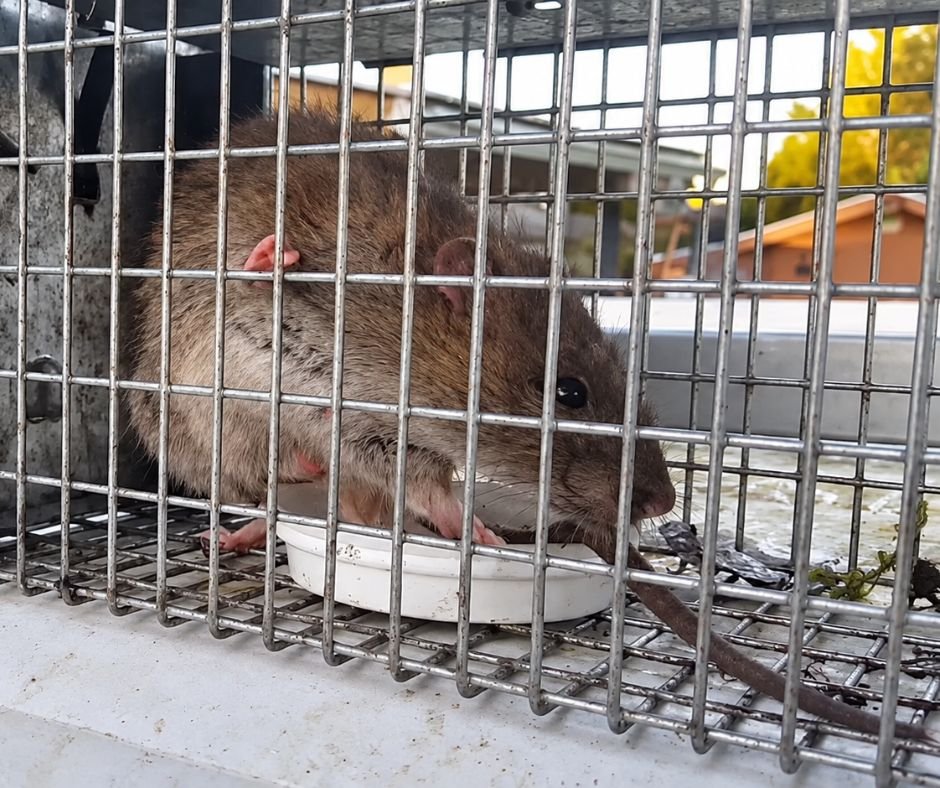
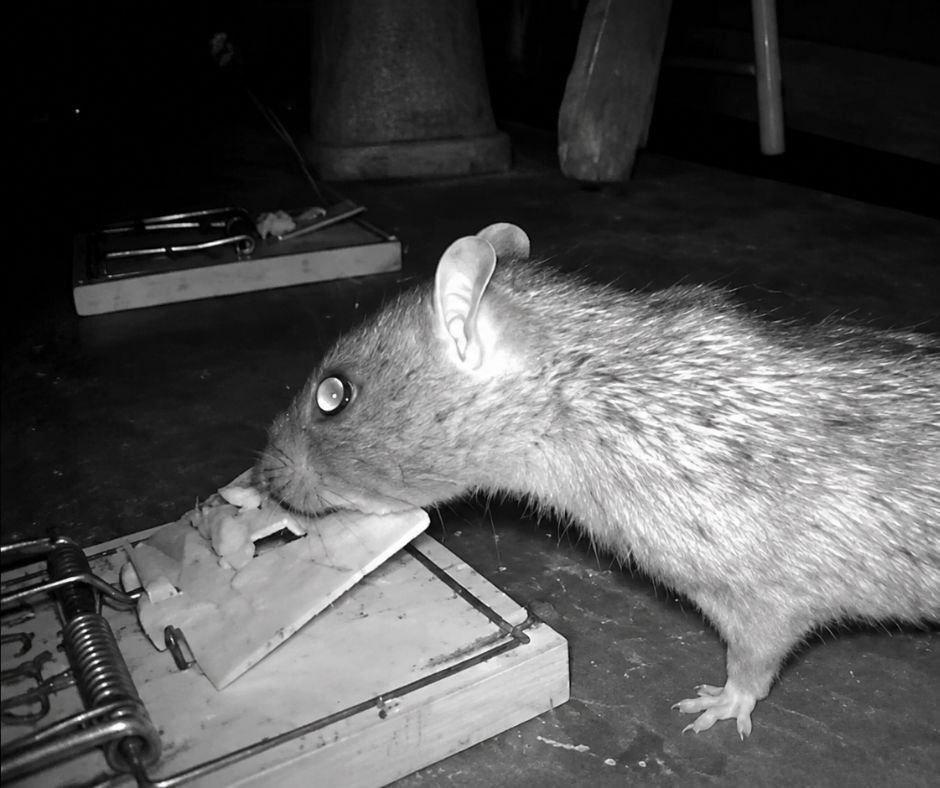
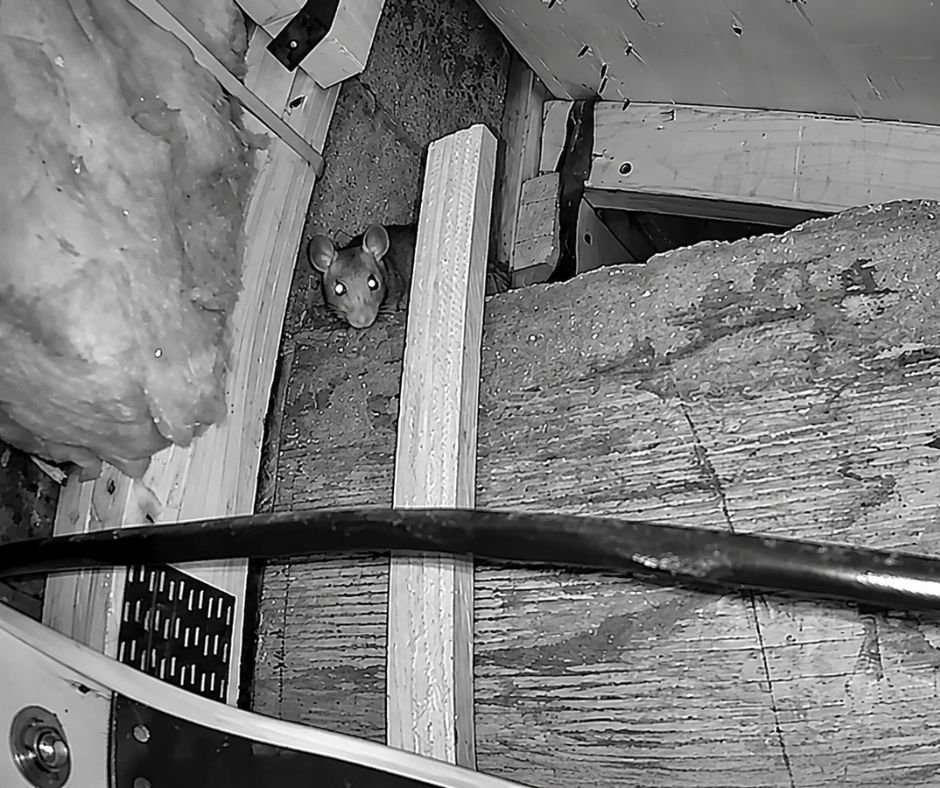
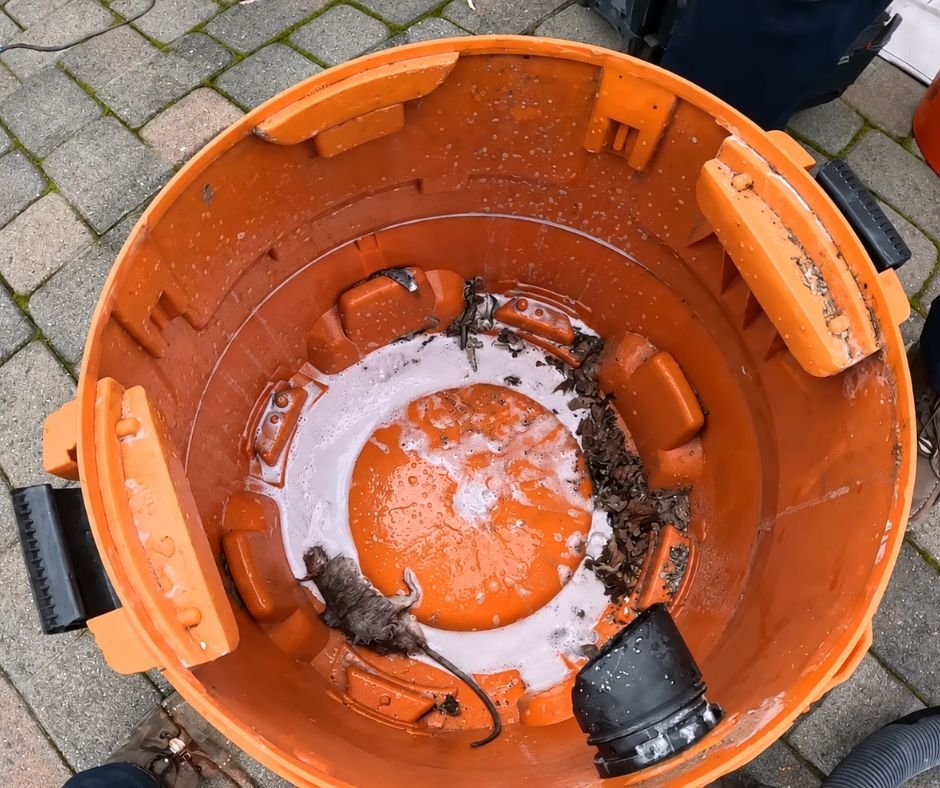
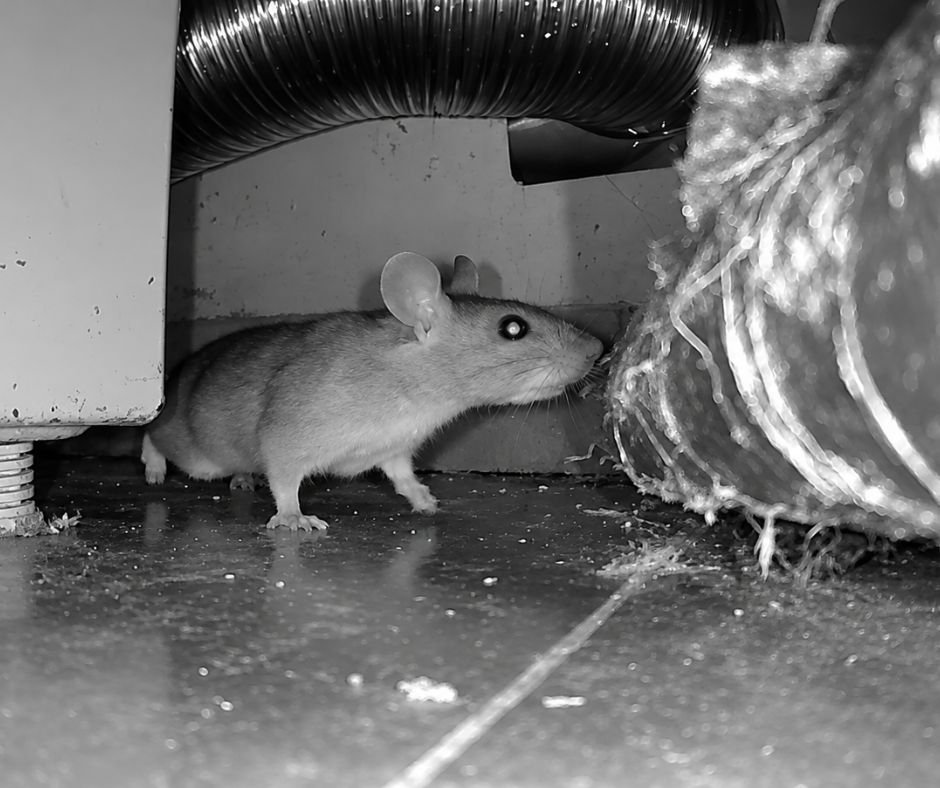
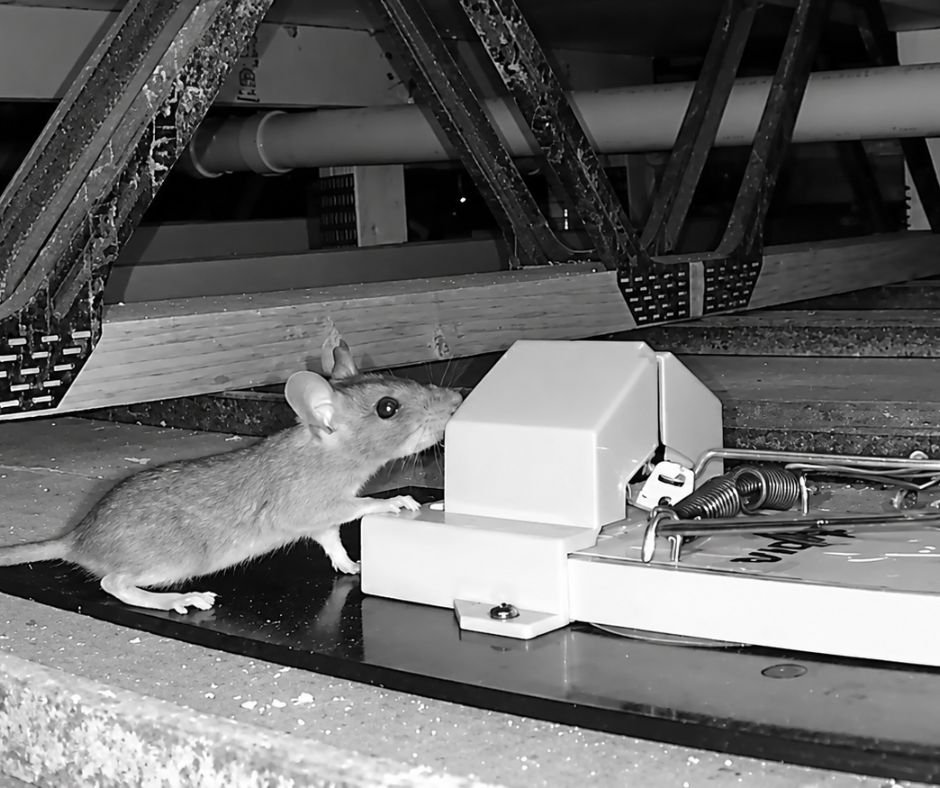
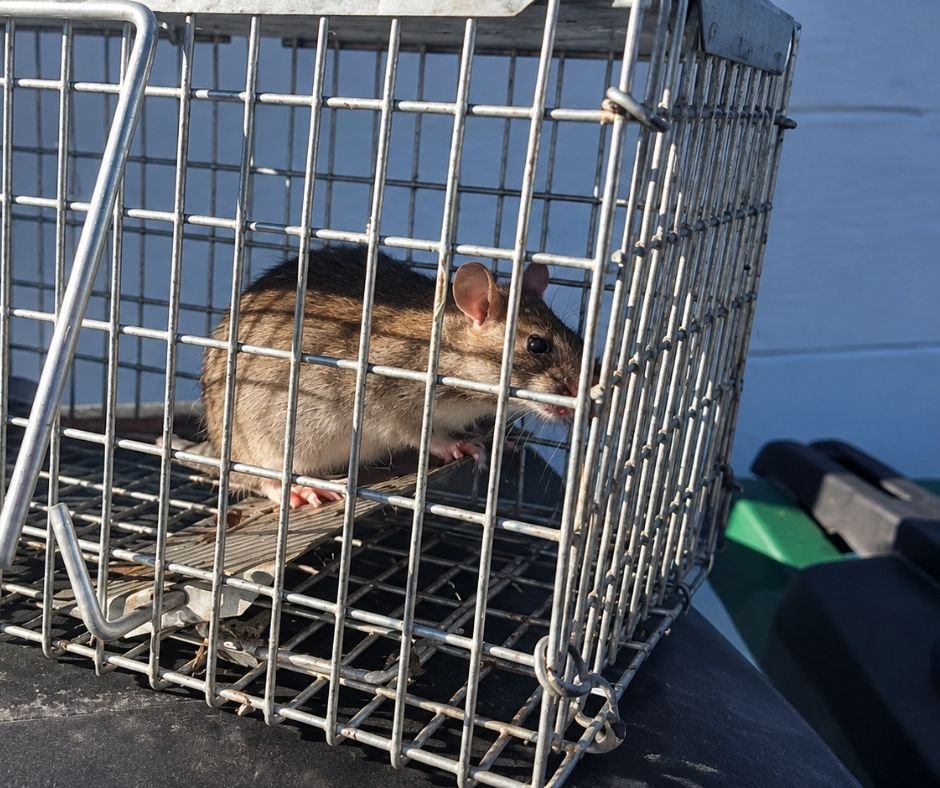
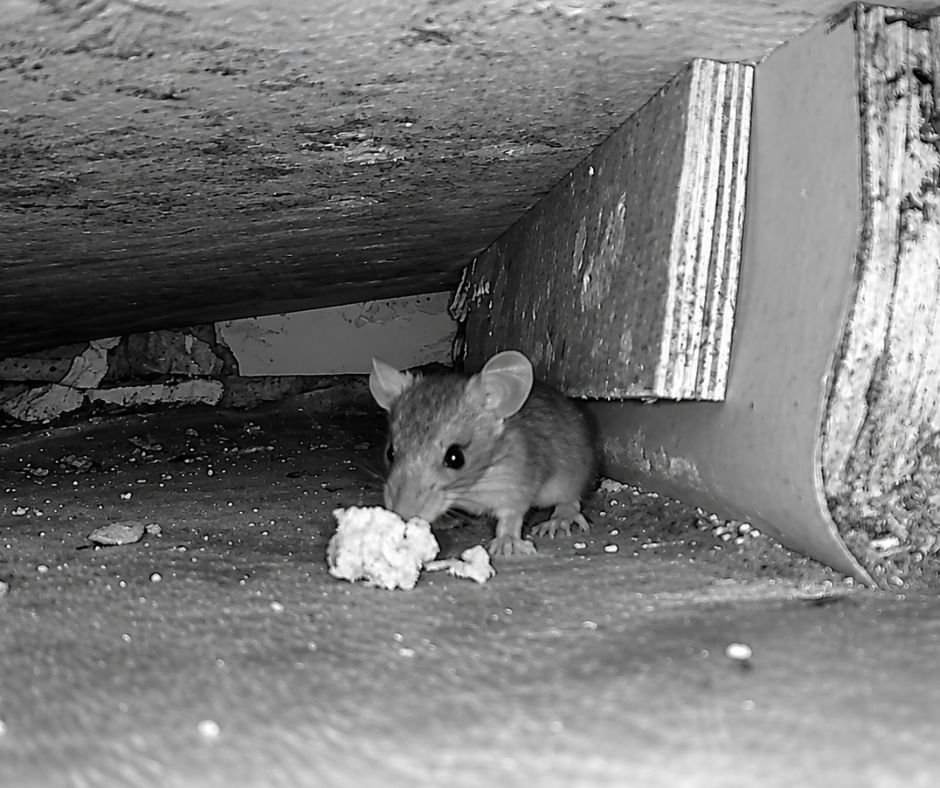
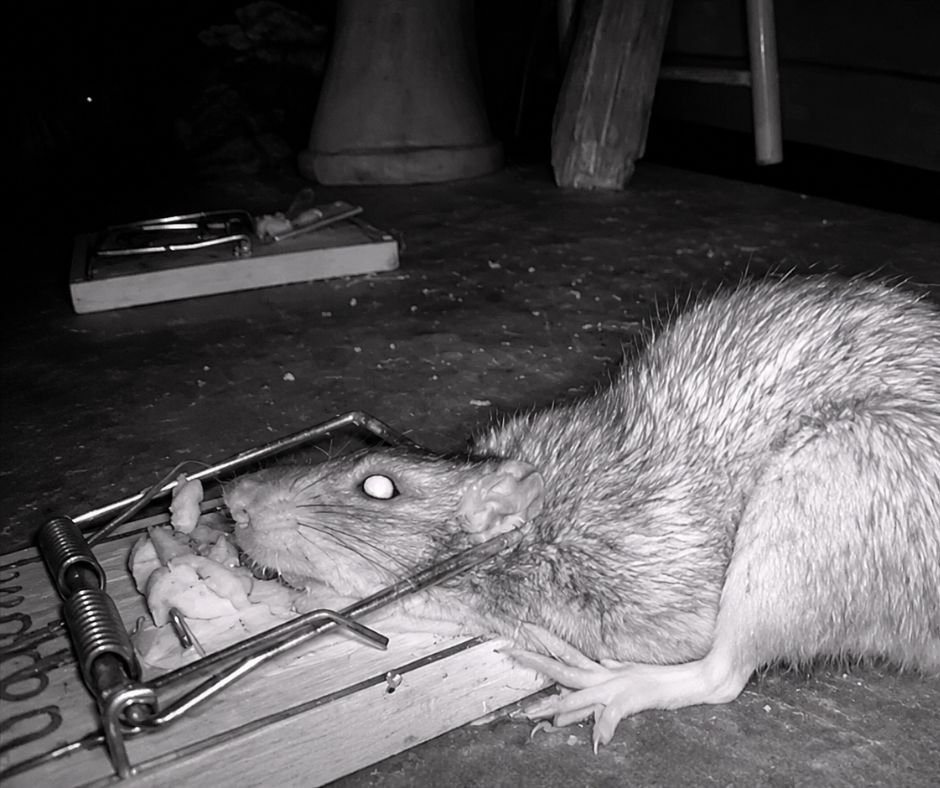
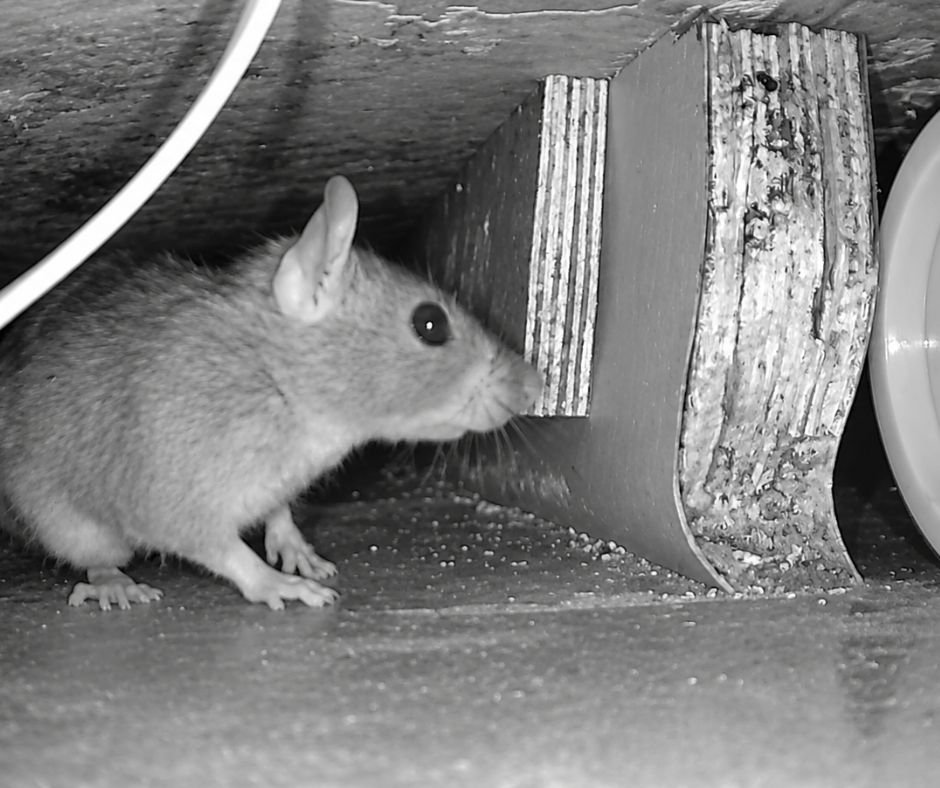
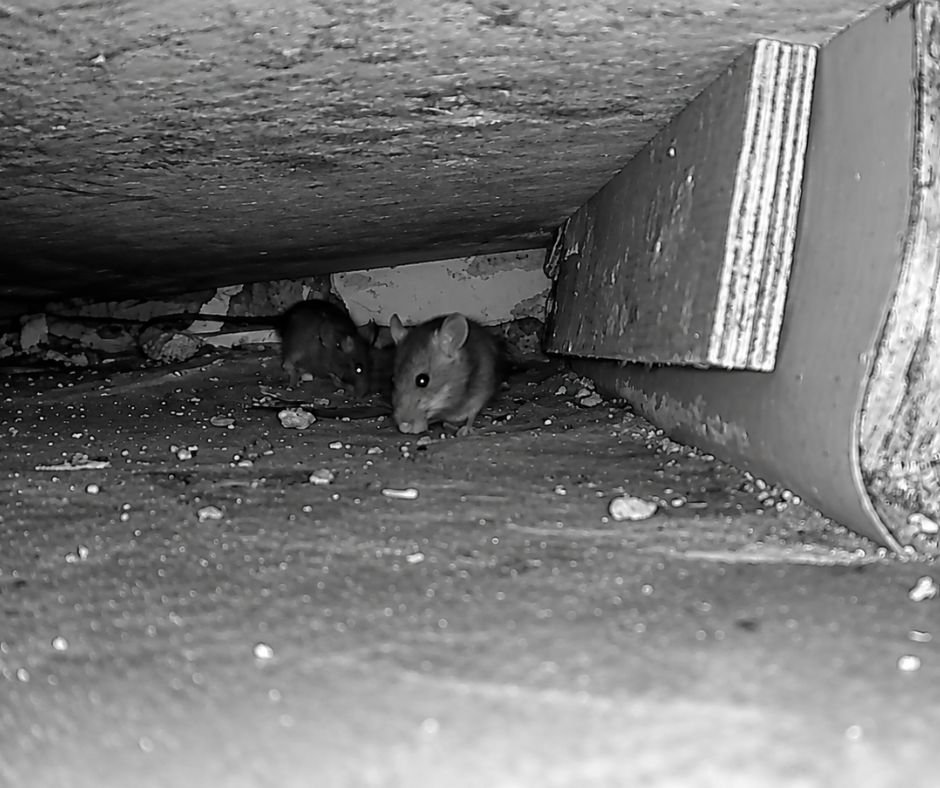
Yes. The canals between the Chain of Lakes give rats a long, protected bank to live and travel along. Seawalls, docks, boathouses and shoreline plants make good cover, and rats cross from there to your yard and house.
Winter Haven and East Polk County
Rodent Control and Rat Removal in Winter Haven, FL
Winter Haven is a city built around water, with canals tying its lakes together from Lake Haines to Lake Eloise. Rats use those same shorelines, old citrus trees and 100 year old rooflines to reach your house. We find how they get in, close it with metal, trap the ones inside and check back until it is quiet.
The Chain of Lakes
Rats Use the Canals Too
The canals between Winter Haven’s lakes go back to 1915, when local residents and the Florence Villa Fruit Company formed the Twenty Lakes Boat Club to link lakes that were only joined by shallow runs and swamp. A state boat course district finished the dredging in the early 1920s. Today the north chain and the south chain are joined by a lock that opened in 2011.
For a rat, that means one long shoreline running behind hundreds of back yards. Seawalls, riprap, boathouses, dock storage and thick plants on the bank give Norway rats places to burrow and roof rats places to travel. A home that sits on a canal, not even on open water, can have rodent pressure on 2 or 3 sides.
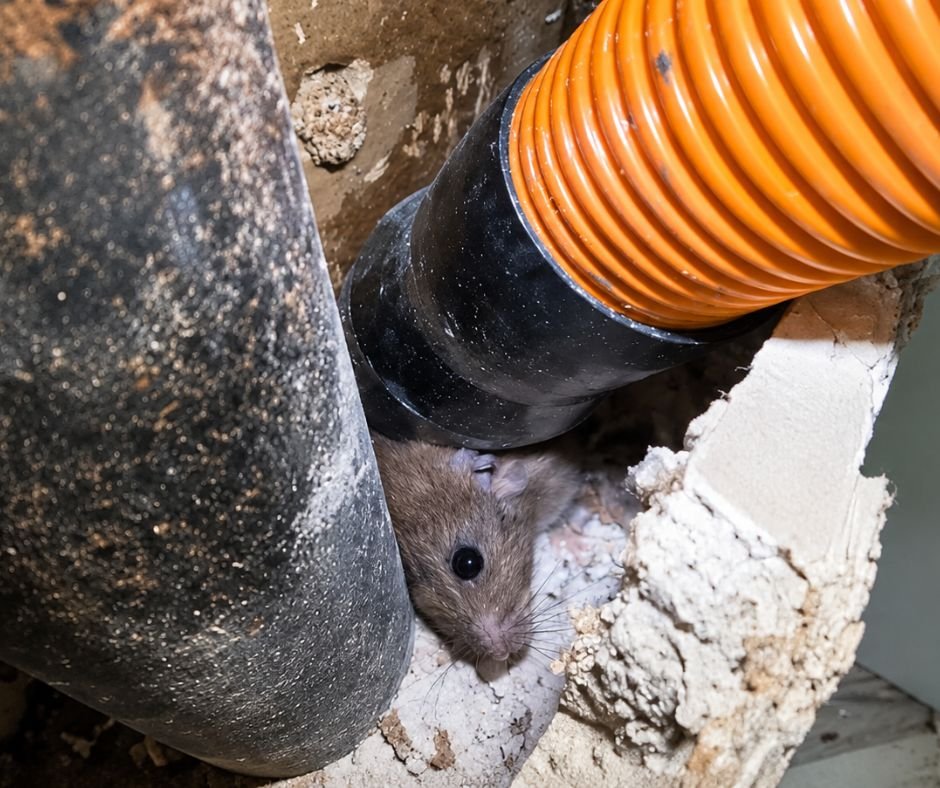
On waterfront lots we check the seawall cap, boat lift and dock box areas, the gap under storage sheds, and every pipe or wire that runs from the yard into the house. Those are the places a lakeside rat crosses over to your home.
Nearly every Winter Haven lake call starts outside. Sealing the house without looking at the shoreline leaves the source in place.
The 2 chains at a glance
- Northern chain
- 10 lakes, including Lake Haines, Lake Rochelle, Lake Conine, Lake Smart and Lake Hamilton
- Southern chain
- 16 lakes, including Lake Howard, Lake Shipp, Lake Lulu, Lake Mirror and Lake Eloise
- Southern chain size
- About 4,331 acres of water
- Largest lake
- Lake Eloise, about 1,174 acres
- Canals dredged
- Started 1915, finished early 1920s
- Lock between chains
- Opened 2011
Source: Haven Magazine, “1915: A Vision for Our Chain of Lakes”; Wikipedia, Chain of Lakes (Winter Haven) and Winter Haven, Florida.
Who is in your house
3 Rodents We Trap Most in Winter Haven
Polk County gets about 46 inches of rain a year, most of it from June through September. Warm weather and steady water keep all 3 of these active year round.
Climbs150yd
Roof rat (Rattus rattus)
The attic rat. Travels up to 150 yards for food along power lines, oak limbs and palms, then slips in at the soffit or roof edge. Litters run 5 to 8 pups, 4 to 5 times a year.
Burrows4-5
Norway rat (Rattus norvegicus)
The ground rat. Digs along seawalls, canal banks, slabs and dumpster pads. Like the roof rat, it can raise several litters a year. Heavier than a roof rat, and less common in Florida, but we find it near water and commercial trash.
Squeezes1/4in
House mouse (Mus musculus)
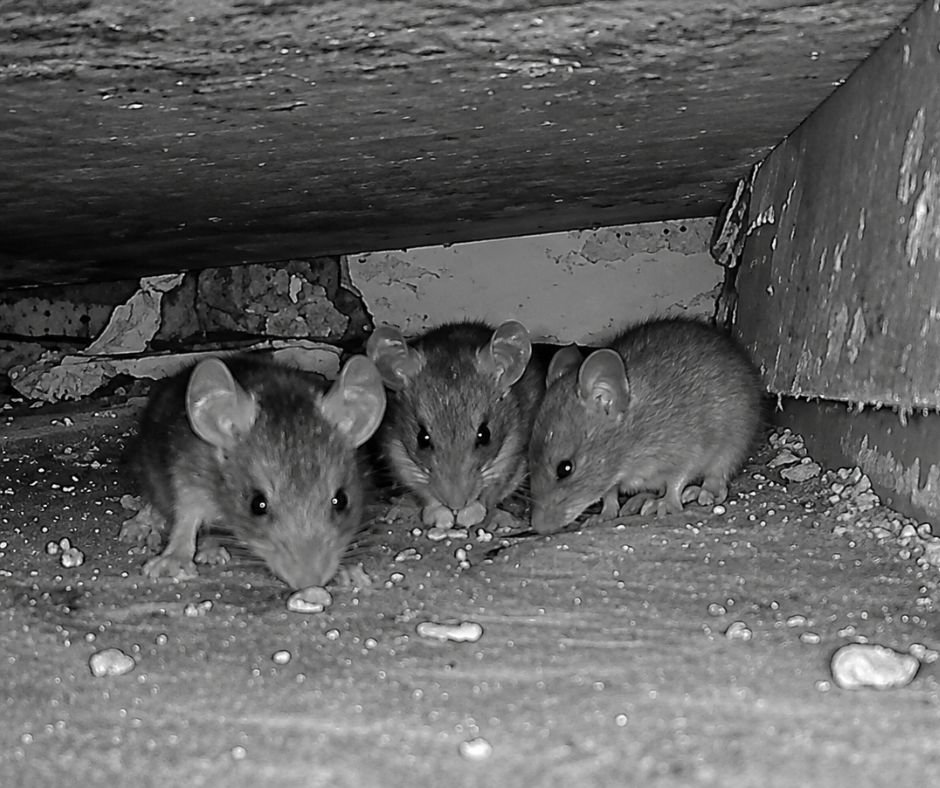
Fits through a gap about the width of a pencil. Shows up in kitchens, garages and the newer stucco subdivisions built on former grove land.
Source: UF/IFAS Extension, Roof Rats UW120 (litter size, litters per year, 150 yard range). Rainfall: Wikipedia, Winter Haven, Florida (46.12 in per year, 26.63 in from June to September).
Older homes near downtown
Interlaken, Pope Avenue and the Old Downtown Grid
Winter Haven has 4 historic districts: Interlaken, Pope Avenue, Winter Haven Heights and downtown. Interlaken sits between the north shore of Lake Howard, Lake Mirror and the Cannon-Howard Canal, and most of its Colonial Revival homes on the National Register were built between 1910 and 1924. These houses are beautiful and full of small openings.
| Old house feature | How rodents use it | How we close it |
|---|---|---|
| Wood siding and corner boards | Gaps open where boards have shrunk or rotted, often at the corners and under windows | Fill with metal flashing or hardware cloth backed by sealant, matched to the trim |
| Gable and attic vents | Original louvers often have no screen or a rusted one. Roof rats walk right in | Fit 1/4 inch hardware cloth behind the vent so it still breathes and looks the same from the street |
| Raised floors and crawl spaces | Broken vent screens and gaps around plumbing let rats and mice nest under the floor | New screens on crawl vents, metal collars around pipes, door on the access opening |
| Porches and porch roofs | Where a porch roof meets the main wall there is often a gap big enough for a rat | Seal the joint with sheet metal bent to the roof line |
| Old chimneys and roof jacks | Loose flashing and open chases give a path into the attic | Re-seal flashing and cap open chases with metal mesh |
| Big shade trees | Live oaks and old citrus hang over the roof and act as a bridge | Trim limbs back so they do not touch the roof or lines |
Source: Wikipedia, Winter Haven, Florida (4 historic districts) and Interlaken Historic Residential District (NRHP 2002, boundaries, 1910 to 1924 build dates); Wikipedia, Pope Avenue Historic District (NRHP 2001, 29 historic buildings).
Trash, carts and city code
Winter Haven Trash Rules That Help Keep Rats Away
Rats eat what we throw away. A few Winter Haven specific details make it easier to cut off their food and to get help with a neighbor’s problem.
Your carts
Blue and green, or gray and black?
City customers have blue and green containers. If your garbage cart is gray and your recycling cart is black, Polk County serves you instead, at 863-284-4319.
Weekly
Once a week pickup
City garbage, recycling and yard waste are picked up once a week. Keep lids closed and bag food scraps so the cart does not become a feeding station between pickups.
Bulk
Old furniture and junk
Items too big for the cart are a separate pay as you go bulk pickup, scheduled through Access Winter Haven. Do not let a couch sit in the yard for weeks. Rats nest in it.
Code
Overgrown lot next door
The Code Compliance Division enforces rules on overgrowth, junk and substandard housing. You can file a request through Access Winter Haven or the TRAKiT portal.
Source: City of Winter Haven, Solid Waste and Recycling (mywinterhaven.com/409) and Safe Neighborhoods / Code Compliance (mywinterhaven.com/343).
Services available in Winter Haven
Rat and Mouse Removal Services in Winter Haven
Most Winter Haven jobs combine a few of these: an inspection, sealing, trapping and cleanup. Choose a service to learn more, or call and we will tell you what your property needs.
Residential Rodent ControlAttic and crawl space rat removal for Winter Haven homes, from 1920s colonial revival houses in Interlaken to newer homes near Cypress Gardens Boulevard.Learn More →
Commercial Rodent ControlScheduled service with written visit logs for hotels, restaurants and shops along the Legoland and US 17-92 corridor and in downtown Winter Haven.Learn More →
Rodent RemovalTraps placed on the paths rats use and checked on return visits until the activity stops.Learn More →
Dead Rodent RemovalBad smell in a wall or ceiling? We find and remove the dead rodent, then clean and deodorize the area.Learn More →
Rodent CleanupRemoval of droppings, urine and nests from attics and garages, with advice on insulation replacement.Learn More →
Rodent ExterminatorEPA and FDACS certified technicians who use traps indoors and follow product labels around kids and pets.Learn More →
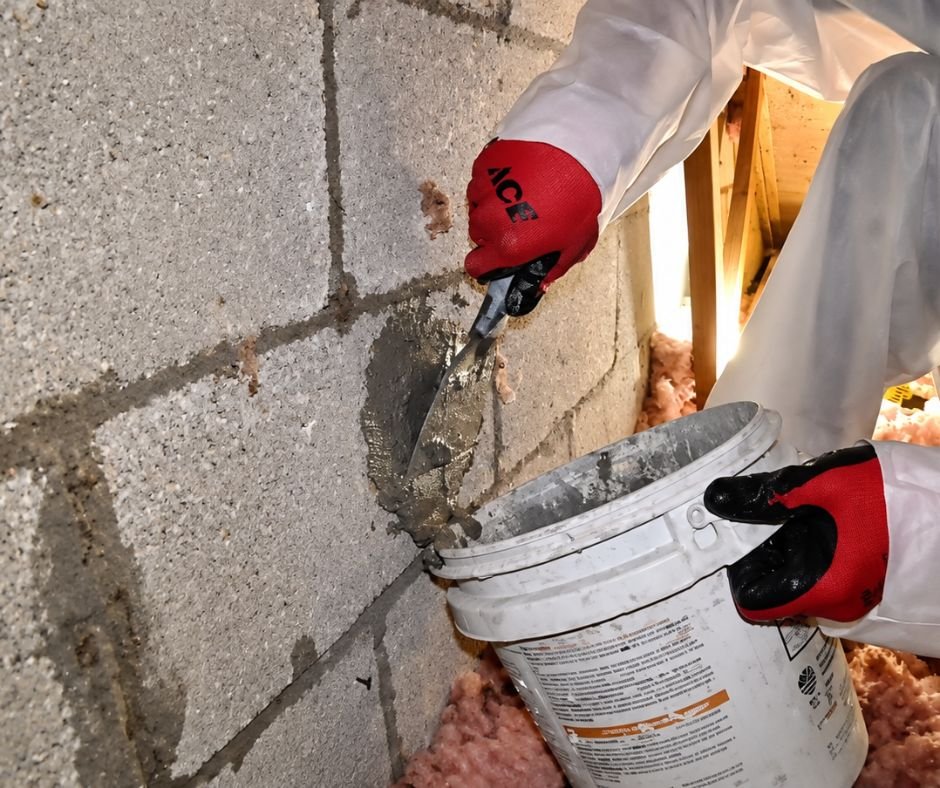
Rodent ExclusionWe seal soffits, roof vents, pipe gaps and garage corners with metal and mortar so rats cannot get back in.Learn More →
Rodent Feces RemovalCareful cleanup of droppings with disinfectant, never sweeping or vacuuming, which can spread germs.Learn More →
Rodent ProofingDoor sweeps, vent screens, roofline sealing and tree trimming advice for Winter Haven homes.Learn More →
Rail yard and warehouses
Commercial Rodent Control Near the CSX Logistics Center
CSX’s Central Florida Intermodal Logistics Center in Winter Haven covers 932 acres, with a 318 acre rail terminal that began moving containers in April 2014. The land is approved for up to 8 million square feet of industrial space, and warehouses keep going up around it.
Big buildings next to open fields and retention ponds pull in rodents from the edges, especially when new land is being cleared. Pallets, cardboard, broken dock seals and doors left open on hot days do the rest. Food, beverage and consumer goods warehouses face audits, so the rodent program has to be on paper as well as in the building.
We set up a written program for warehouses, cold storage, trucking yards and light industrial shops anywhere in the Winter Haven and Auburndale industrial areas. See our commercial rodent control page for details.
What a warehouse program covers
- A numbered map of every exterior bait station and interior trap
- Locked, tamper-resistant stations along the fence and building line
- Dock door seals, door sweeps and gaps around levelers checked each visit
- Pallet, cardboard and dumpster area notes for your team
- Written service logs ready for auditors and inspectors
Source: Transport Topics, “CSX Intermodal Terminal Brings Economic Boost to Florida Town” (932 acres, 318 acre terminal, April 2014, 8 million sq ft).
Old Cypress Gardens, new visitors
Hotels, Restaurants and Rentals in a Theme Park Town
Cypress Gardens opened on Lake Eloise in 1936 and closed in 2009. LEGOLAND Florida opened on the site on October 15, 2011, and the original gardens reopened inside the park in 2014. More visitors means more hotels, restaurants and short term rentals across south Winter Haven, and rodents follow the food.
Restaurants
Kitchens and dumpster pads
Florida restaurants are inspected by the state. We focus on back doors, grease areas, dry storage and dumpster enclosures, and leave a written log after each visit that you can show an inspector.
Short term rentals
Turnover homes on the lakes
Guests leave food out and doors open. A rental near Lake Eloise or Lake Shipp with a few gaps at the roofline can get roof rats between bookings. We seal the house, set traps out of sight and schedule checks around your calendar.
Hotels
Connected buildings
Rats move through shared walls, ceiling spaces and pipe chases. We treat a hotel or apartment building as one unit, not room by room.
Shops
Downtown storefronts
Older downtown buildings share walls and roofs. A problem next door becomes your problem fast, so we look at the whole block face where we can.
Source: Wikipedia, Winter Haven, Florida (Cypress Gardens 1936 to 2009) and Legoland Florida (opened October 15, 2011; gardens reopened March 2014).
A Winter Haven rodent year
When Rat Activity Picks Up in Winter Haven
Rats are active here all year, but the calls change with the seasons. This is the pattern we plan around.
| Time of year | What is going on | What to do |
|---|---|---|
| September to March | Backyard oranges and grapefruit ripen. Roof rats hollow out fruit on the tree, leaving a quarter size hole | Pick up dropped fruit, harvest early, keep limbs 3 feet or more off the roof |
| Winter cold snaps | A few cool nights push rodents into attics, garages and crawl spaces | Check garage door seals and the gaps around AC lines before it gets cold |
| Spring | Breeding picks up and young rats leave the nest looking for space | Seal openings early, before a small group becomes a colony |
| June to September | The rainy season. High water on the lakes and canals can flood ground burrows | Watch for new burrows near slabs and sheds, and for rats moving up into the house |
| After clearing or building nearby | New subdivisions and warehouse sites push rodents off the land | Have the house checked if a nearby lot is cleared |
Source: UF/IFAS Extension, Roof Rats UW120 (hollowed citrus, year round breeding). Rainy season months: Wikipedia, Winter Haven, Florida.
Our process
Rat Removal in Winter Haven, Visit by Visit
Most homes take 2 to 3 weeks from first visit to final check. A lakefront property with a busy shoreline or a large historic attic can take longer.
- Visit 1
Look everywhere
Roof, attic, crawl space, garage, yard and shoreline. You get photos of each entry point, the plan and the price. Nothing starts until you approve it.
- Visit 1 to 2
Close the gaps
Exclusion with sheet metal, 1/4 inch hardware cloth, mesh and concrete. No expanding foam, which rats chew through.
- Visits 2 to 4
Trap on the runways
Snap traps along rub marks and travel paths, checked and moved as needed. Outdoor bait only in locked stations.
- Last trapping visit
Clean up
Droppings and nesting removed following CDC guidance. We tell you if insulation should be replaced. See rodent cleanup.
- Follow-up
Make sure
We come back to confirm there is no new activity before the job is closed.
Primary Winter Haven response zone
Winter Haven service coverage
Is your ZIP on the route?
Winter Haven has 5 ZIP codes. These are the ones we serve most, but we cover the whole city and Polk County. Call if you do not see yours.
3388033881338823388433885
Areas we serve
Check my address →
Interlaken · Pope Avenue · Winter Haven Heights · Downtown Winter Haven · Pughsville · Lake Howard · Lake Eloise · Lake Lulu · Cypress Gardens Boulevard corridor
Winter Haven questions
Winter Haven Rodent Control FAQ
From lake homes to warehouses, these are the questions we hear most around Winter Haven. Call if yours is not here.
Call (561) 562-7607 →Almost always roof rats (Rattus rattus). They climb trees, palms and power lines and get in at the soffit, roof edge or gable vent. Norway rats stay on the ground near water and dumpsters, and house mice show up in kitchens and garages.
In most cases, yes. We put hardware cloth behind original vents, use flashing that matches the trim and seal gaps from inside where we can. The goal is to close the openings without changing what you see from the street.
Yes. We map and number every bait station and trap, check dock seals and doors on each visit, and leave written logs your team can hand to an auditor or inspector.
If the fruit has a round hole about the size of a quarter and the inside is scooped out while it is still on the tree, it is most likely a roof rat. Pick up dropped fruit and keep limbs off the roof.
Inside the city, the Code Compliance Division handles overgrowth, junk and substandard housing. You can file a request through Access Winter Haven or the TRAKiT portal. If your carts are gray and black, you are in a county area.
No. Rats that eat bait often die inside walls and ceilings and leave a smell for weeks. Inside the house we seal and trap. Any outdoor bait goes in locked, tamper-resistant stations, used by the label.
Yes. We cover Polk County, including Auburndale, Eagle Lake, Lake Alfred, Cypress Gardens, Lake Wales, Bartow, Haines City and Lakeland. Our team is EPA and FDACS certified under Chapter 482, Florida Statutes, and we answer the phone 24/7.
Outside Winter Haven?
Nearby Cities We Serve
Winter Haven dispatch is ready
Rats in Your Winter Haven Home or Business?
Call now. We will inspect the property, show you where rodents are getting in, and seal it so they stay out.
Request Winter Haven service
Give us a call. We’ll handle the next step.
Call us, tell us what you are seeing and where you are located, and our team will confirm the right appointment type and timing.
Serving Winter HavenWinter Haven, Florida(561) 562-7607Open 24 hours · 7 days a week