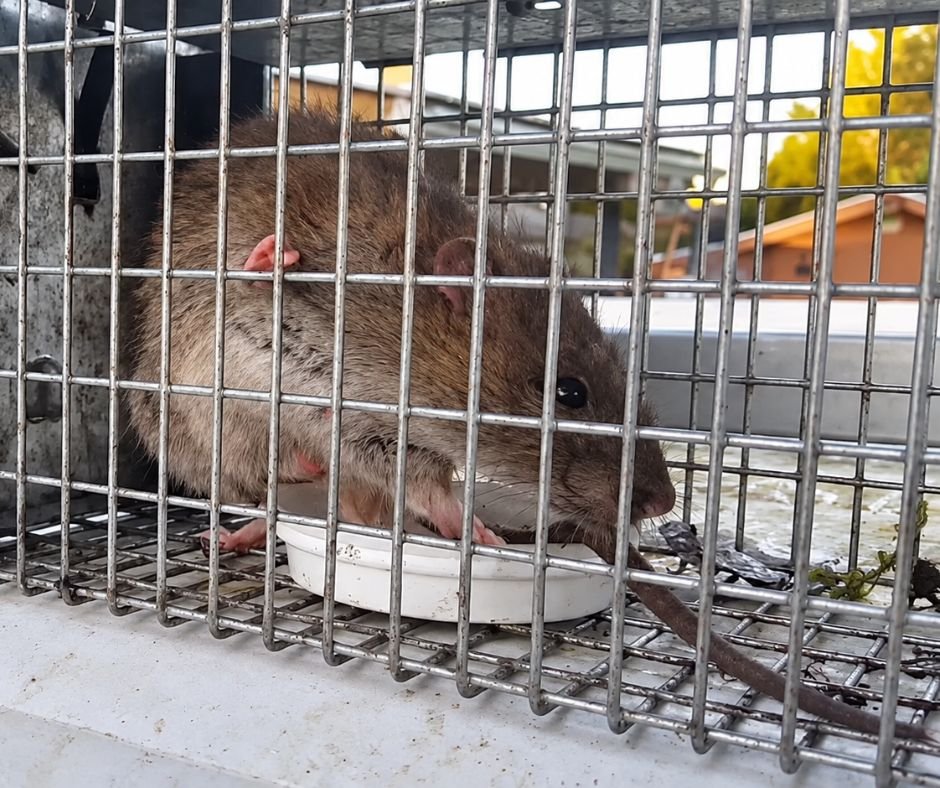
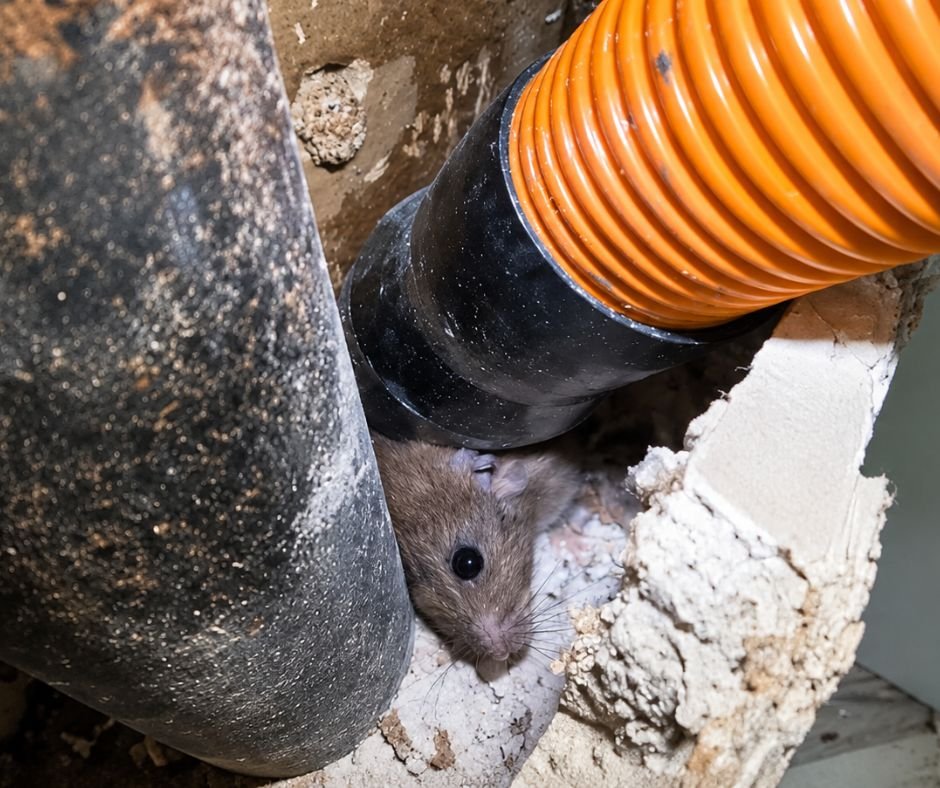
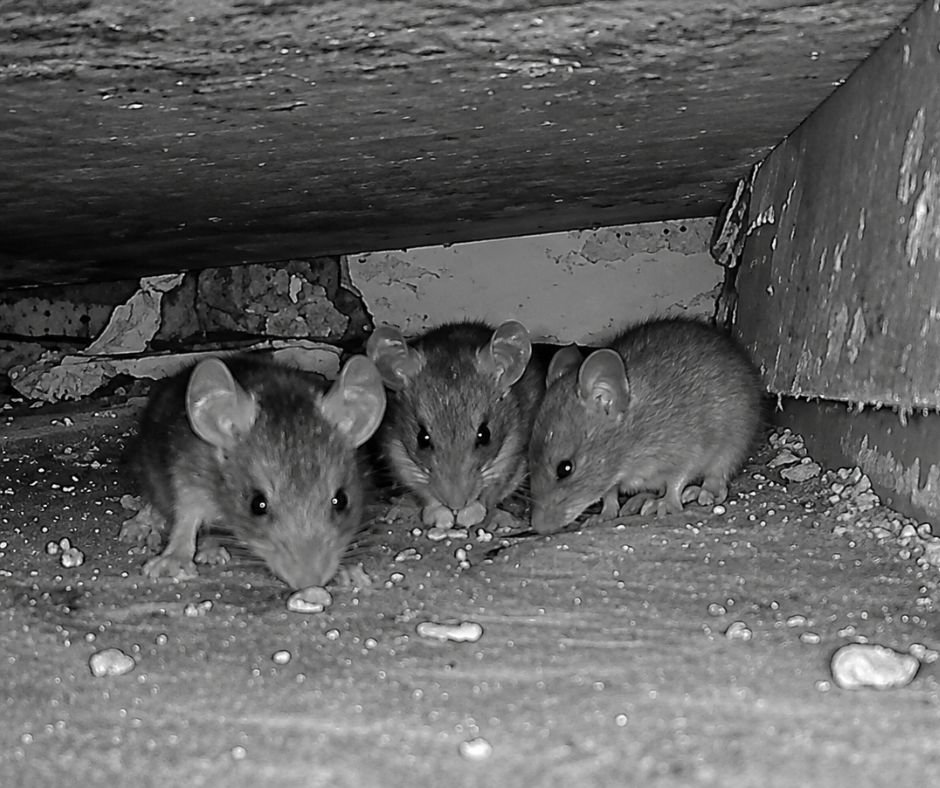
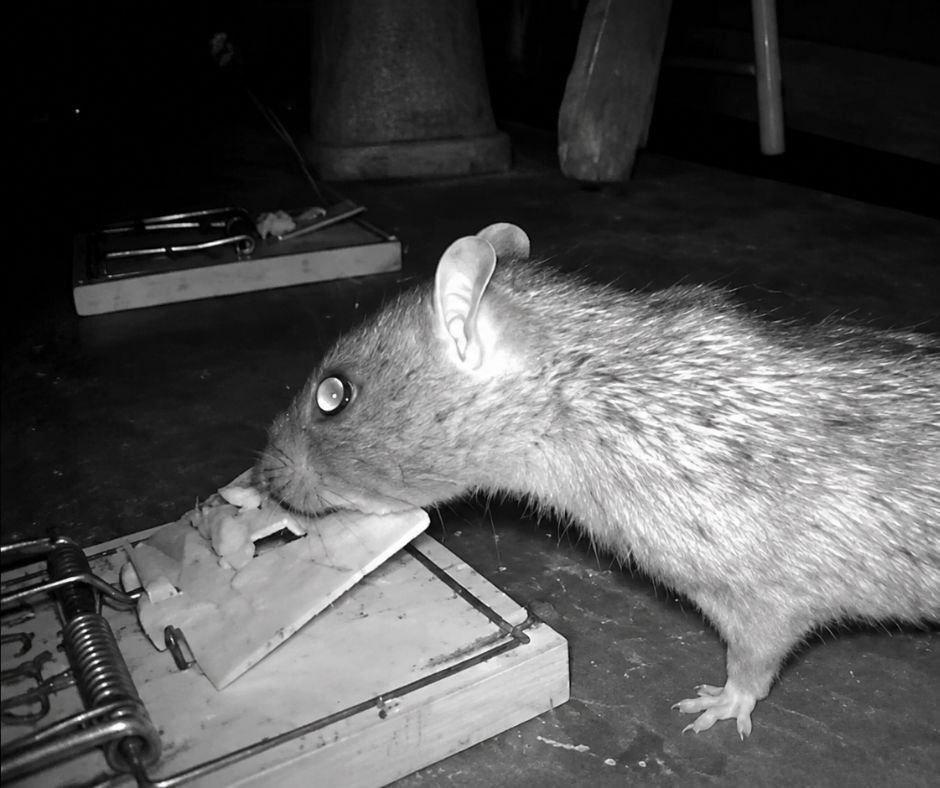
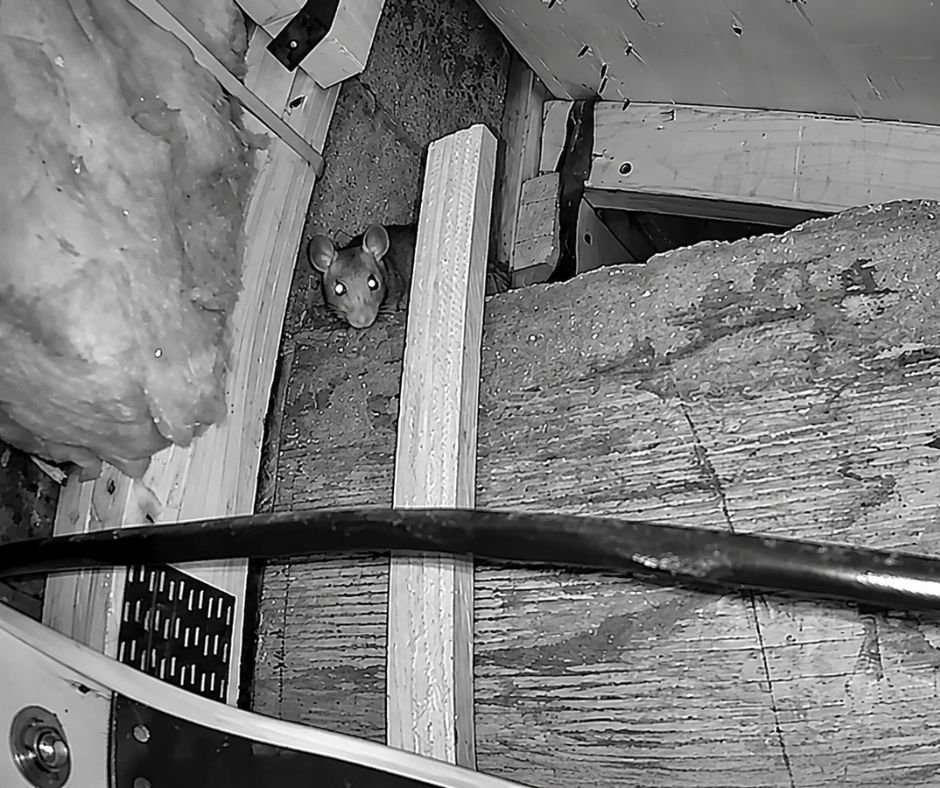
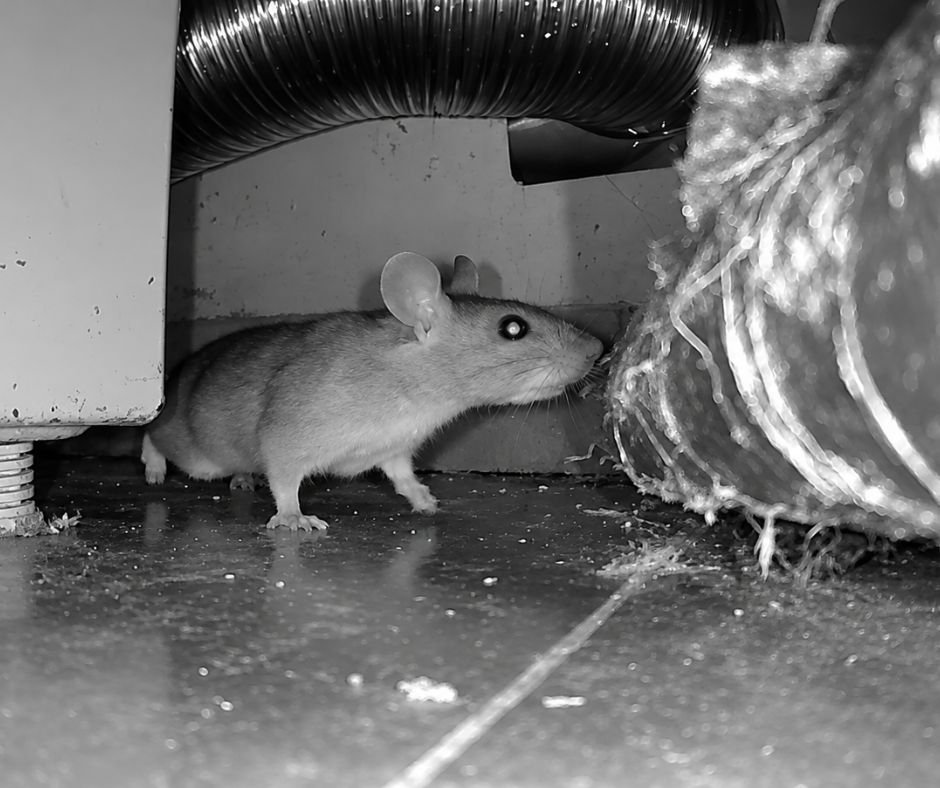
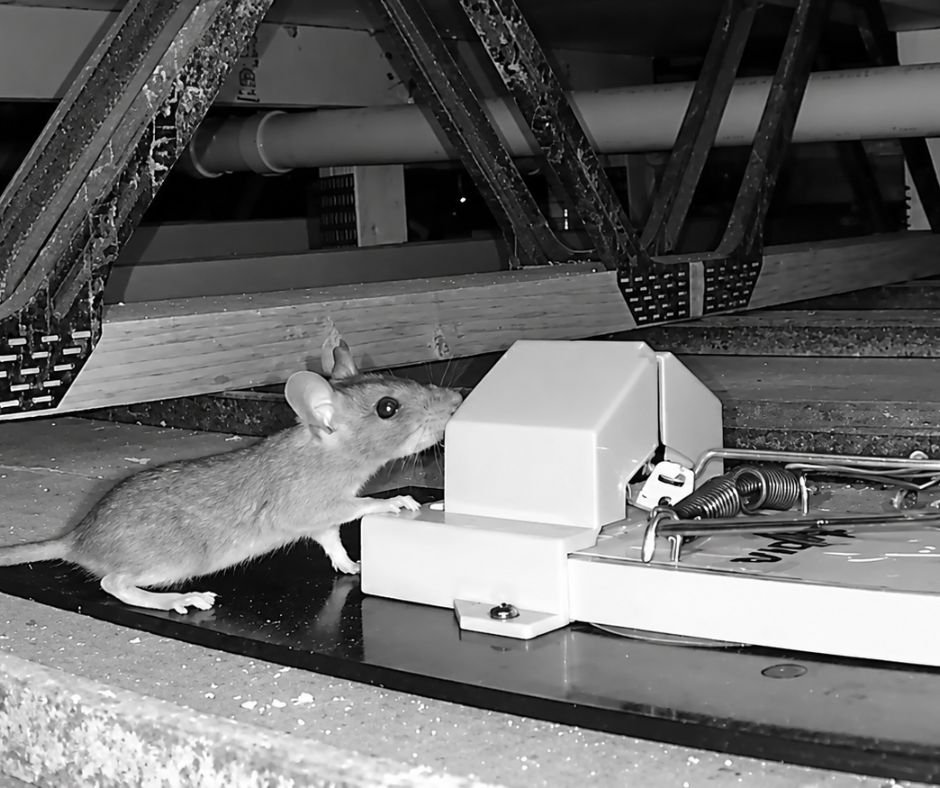
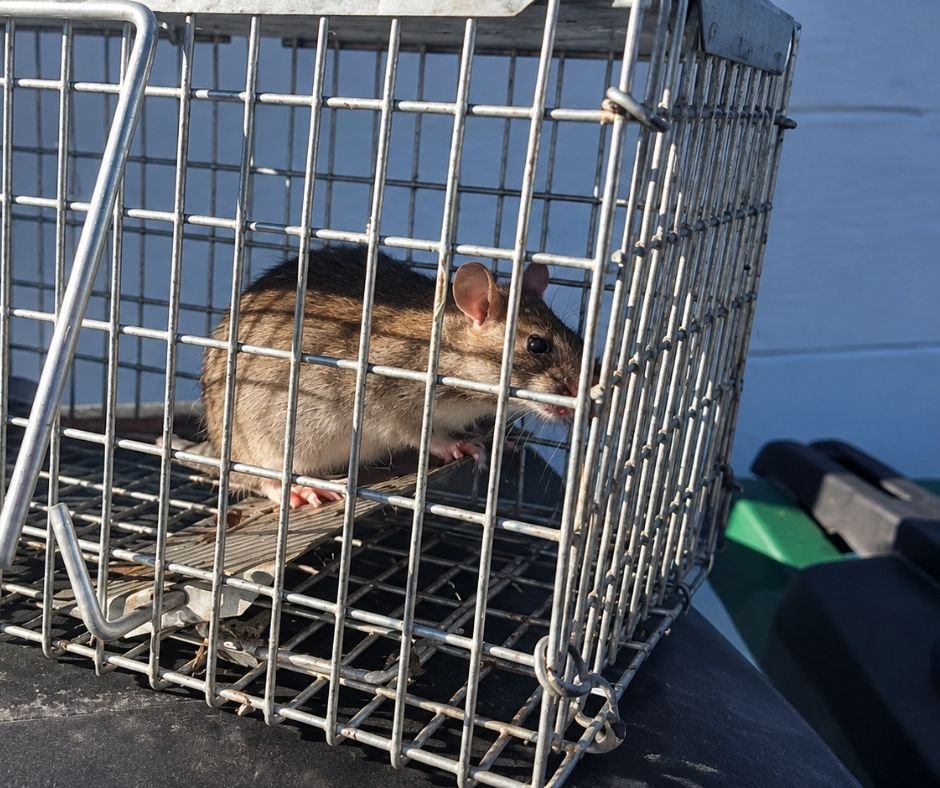
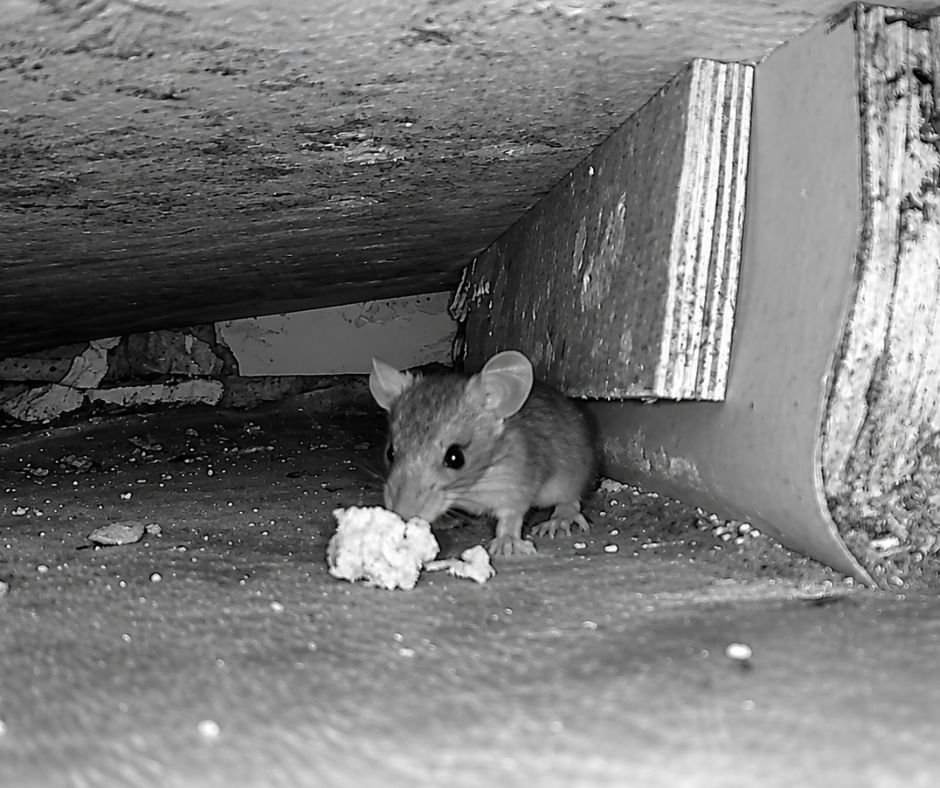
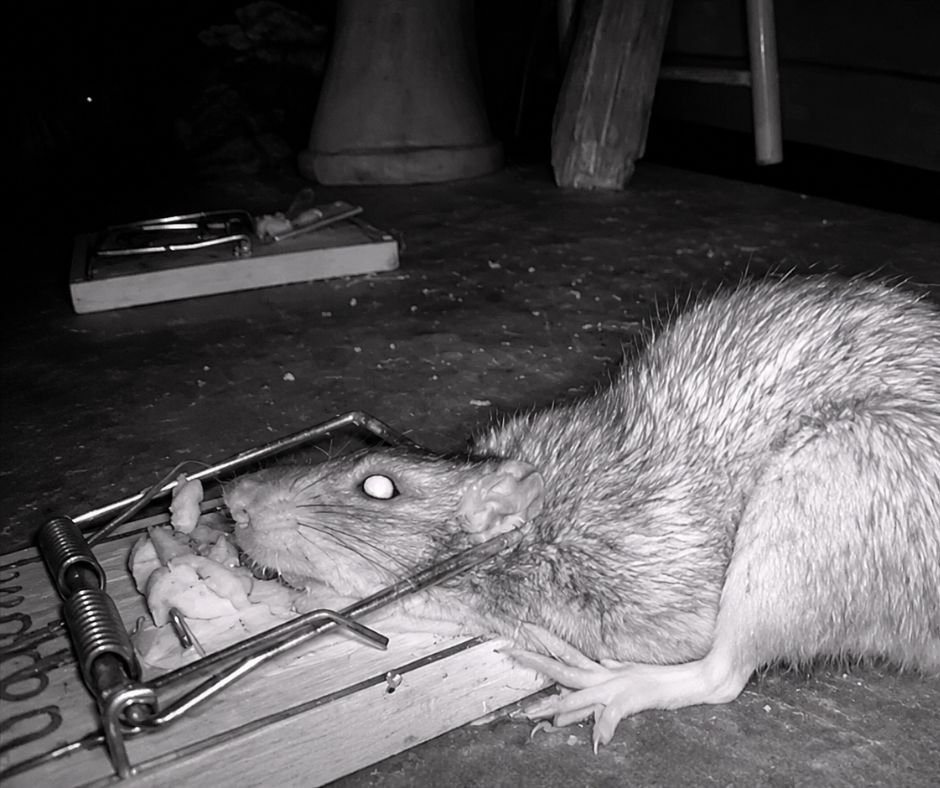
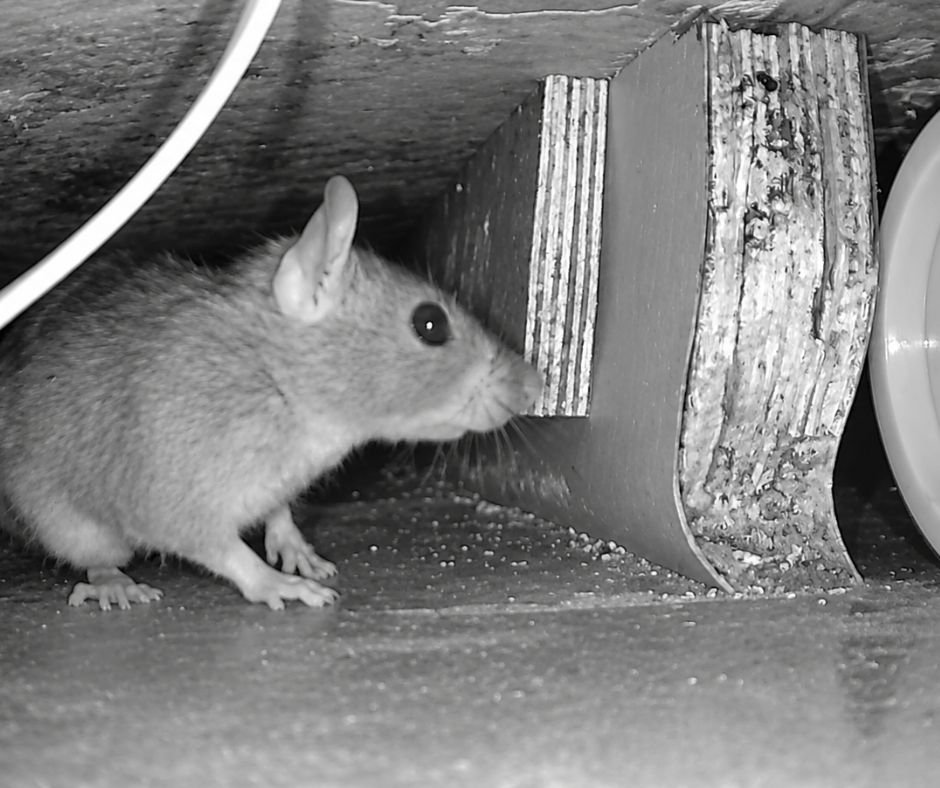
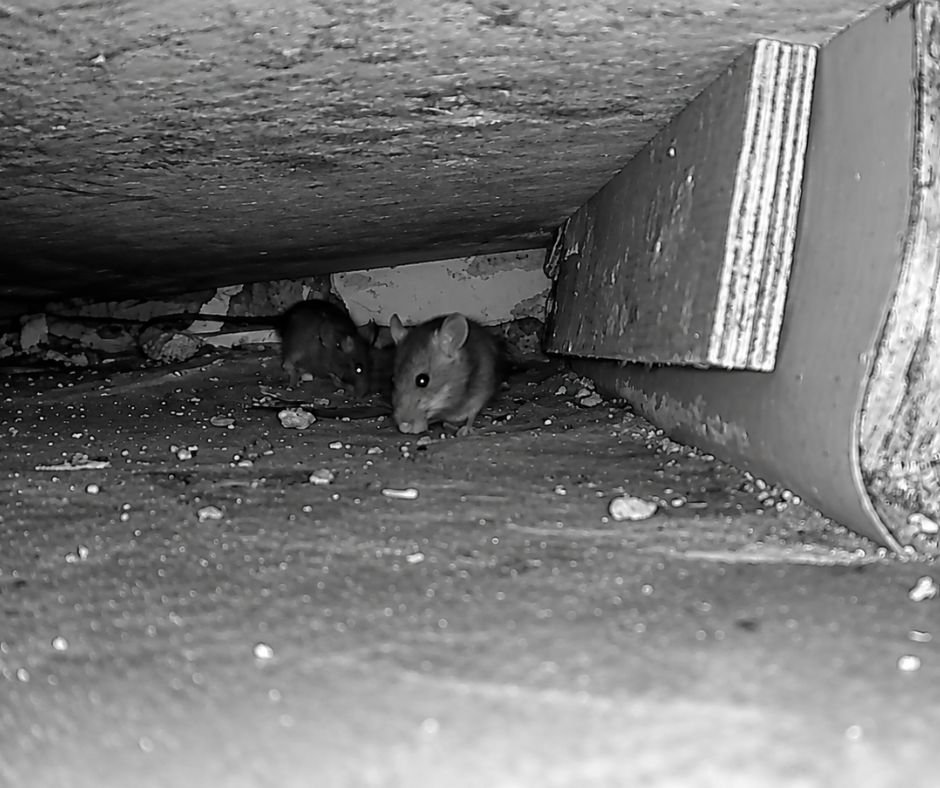
The roof rat. It climbs trees, palms and power lines and nests in attics and soffits. UF/IFAS says Norway rats are rare in Florida. House mice show up in kitchens, garages and newer homes.
Lakeland and Polk County
Rodent Control and Rat Removal in Lakeland, FL
Lakeland mixes 38 named lakes, brick streets lined with 1920s bungalows, old citrus country on its edges and a belt of warehouses along I-4. Rats use all of it. We find where they get into your home or building, close those gaps with metal, trap the rodents inside and come back to make sure they are gone.
Lakeland at a glance
Lakes, Rain and Fruit: Why Rats Do Well Here
Rats need water, food and shelter. Lakeland gives them water on almost every side of town, close to 57 inches of rain a year and backyard fruit trees. Roof rats (Rattus rattus) are the main rodent pest in Florida, and they breed all year.
38
Named lakes
Lake Parker is the largest at 2,550 acres. Lake Hollingsworth, Lake Morton, Lake Mirror and Lake Hunter sit close to older neighborhoods.
56.8in
Rain a year
Summer afternoon storms keep yards, gutters and lake edges wet, so rats rarely go far for water.
5-8
Pups per litter
A female roof rat can have 4 or 5 litters a year in Florida, with peaks in spring and fall.
150yd
Nightly range
Roof rats travel up to 150 yards from the nest for food, so the rats in your attic may be eating 3 yards away.
Sources: City of Lakeland, About Lakeland; Wikipedia, Lakeland, Florida (Lake Parker acreage, average rainfall); UF/IFAS Extension, Roof Rats UW120.
Historic neighborhoods
Rat-Proofing a Bungalow in Dixieland or Lake Morton
Lakeland has 7 historic districts on the National Register, most of them full of wood frame homes from the 1920s to the 1940s. These houses were not built to keep rodents out. Here is what we check first in each one.
| District | On the National Register | Where it sits | What we check first |
|---|---|---|---|
| South Lake Morton | 1985 | South and east of Lake Morton, toward Ingraham and Johnson Avenues | Arts and Crafts bungalows: open eaves, rafter tails, old gable vents and gaps where porch roofs meet the house |
| Beacon Hill-Alta Vista | 1993 | Along South Florida Avenue near Beacon Road | Older roofs under big trees, so roof rats in the attic and soffit gaps |
| East Lake Morton | 1993 | Lake Morton Drive to Massachusetts Avenue | Chimney chases, attic vents and utility lines coming into the house |
| Dixieland | 1994 | South of downtown, bordered in part by Lake Hunter | A mix of homes from the 1910s, 1920s and 1940s booms: additions where old and new walls meet, garages and sheds |
| Munn Park | 1997 | Downtown around the town square | Brick commercial buildings: shared walls, back doors, restaurant dumpster areas |
| Lake Hunter Terrace | 2002 | Near Sikes Boulevard and Lake Hunter | Lakeside yards, sheds and dense shrubs against the foundation |
| Biltmore-Cumberland | 2004 | Near Ingraham Avenue and Bartow Road | Attic vents, gaps around plumbing and AC lines, garage door corners |
Before work
Ask the city if your home is contributing
Dixieland, Munn Park, East Lake Morton and South Lake Morton are also local historic districts with design guidelines. If sealing means changing what the street sees, such as new vent covers or screening on the front, call Lakeland Historic Preservation at 863.834.6011 first. Most sealing work is small and hidden, but it is better to ask.
How we seal
Metal that blends in
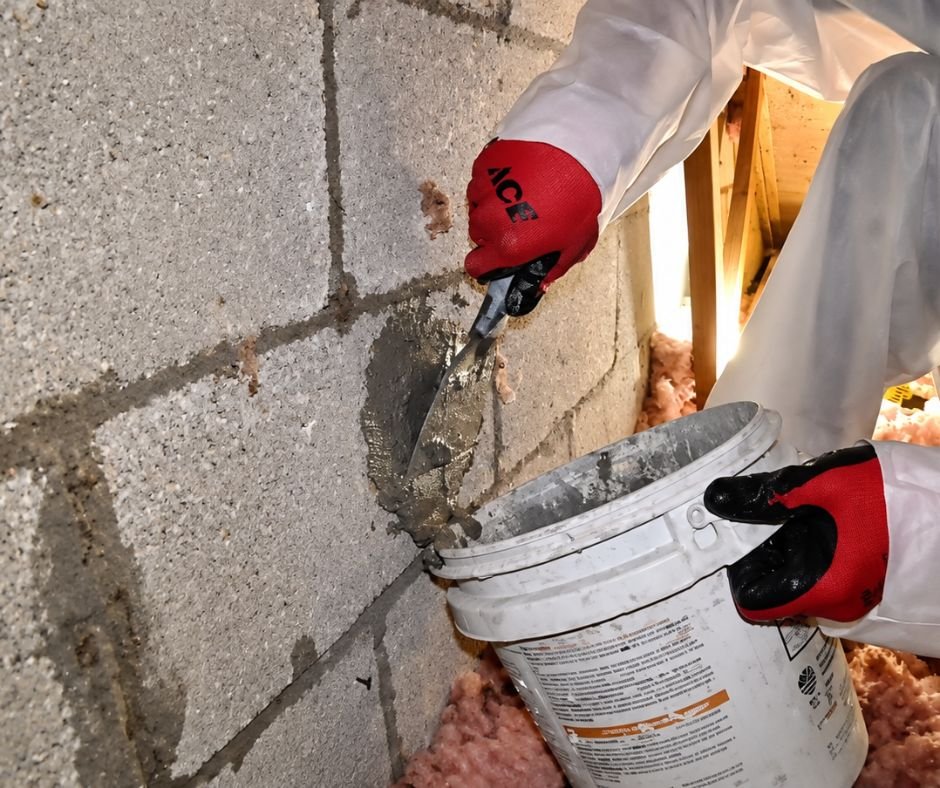
On older homes we use 1/4 inch hardware cloth behind existing vents, sheet metal flashing at roof gaps and painted mesh where it shows. We do not use spray foam, because rats chew right through it.
Sources: Wikipedia, National Register of Historic Places listings in Polk County, Florida; Wikipedia, South Lake Morton Historic District and Dixieland Historic District; City of Lakeland, Historic Preservation.
Citrus country
Living Near the Old Groves: Roof Rats and Fruit
Settlers planted citrus around Lakeland in the 1850s, and Polk County was the leading citrus county in the United States for much of the 20th century. Many groves are gone now, but orange and grapefruit trees still stand in yards across Lakeland and along the edges of town toward Plant City, Auburndale and Winter Haven.
Roof rats love that fruit. UF/IFAS says they hollow out citrus through a round hole about the size of a quarter, and they often go unnoticed until the fruit starts to ripen. A fruit tree that touches your roof, a fence or a power line is a bridge straight into the attic.
Found a hollow orange still hanging on the tree? That is a roof rat, not a bird or a squirrel.
Grove edge checklist
- Prune fruit trees so no branch touches the roof, fence, wires or another tree.
- Lift low limbs so the ground under the tree is open and easy to see.
- Wrap isolated trunks with a sheet metal rat guard 18 to 24 inches wide, as UF/IFAS describes.
- Pick up fallen fruit every day or two during the season.
- Keep firewood, old irrigation pipe and debris piles away from the house.
- Never wire bait blocks to tree branches. It is illegal and it poisons pets and wildlife.
Sources: Wikipedia, Lakeland, Florida and Polk County, Florida (citrus history); UF/IFAS Extension, Roof Rats UW120.
Lakefront homes
Rodent Control in Lakeland for Homes on the Water
A home on Lake Hollingsworth, Lake Parker or Lake Hunter has more rat pressure than one a mile inland. The water, the thick plants along the shore and the boat gear in the yard all help rodents.
Shoreline
Burrows along the bank
UF/IFAS lists bank burrows, debris piles and spaces under sidewalks as roof rat nest sites. On lake lots we check the shoreline, retaining walls and the slab edge of the house for holes and runways.
Bird feeding
Bread and seed feed rats too
Lake Morton is a bird sanctuary and home to Lakeland’s famous swans. Bread, corn or seed left on the grass by the lakes, or spilled from a backyard feeder, also feeds rats at night. Use a feeder tray and clean up spills.
Sheds and docks
Boat storage and pool equipment
Covered boats, stacked cushions and pool equipment pads give rats dry cover close to the house. Store gear off the ground and keep a gap between storage and the wall.
Palms and shrubs
Thick plants against the house
Old palm frond skirts and dense shrubs along the foundation hide rats and give them a path to the roof. Trim them back so you can see the base of the wall.
Sources: City of Lakeland, About Lakeland (Lake Morton bird sanctuary); UF/IFAS Extension, Roof Rats UW120 (nest sites).
Services available in Lakeland
Rat and Mouse Removal Services in Lakeland
Most Lakeland jobs combine a few of these: an inspection, sealing, trapping and cleanup. Choose a service to learn more, or call and we will tell you what your property needs.
Residential Rodent ControlAttic and crawl space rat removal for Lakeland homes, from older bungalows in Dixieland to new construction near the Polk Parkway.Learn More →
Commercial Rodent ControlScheduled service with written visit logs for restaurants and shops around Downtown Lakeland and Munn Park.Learn More →
Rodent RemovalTraps placed on the paths rats use and checked on return visits until the activity stops.Learn More →
Dead Rodent RemovalBad smell in a wall or ceiling? We find and remove the dead rodent, then clean and deodorize the area.Learn More →
Rodent CleanupRemoval of droppings, urine and nests from attics and garages, with advice on insulation replacement.Learn More →
Rodent ExterminatorEPA and FDACS certified technicians who use traps indoors and follow product labels around kids and pets.Learn More →
Rodent ExclusionWe seal soffits, roof vents, pipe gaps and garage corners with metal and mortar so rats cannot get back in.Learn More →
Rodent Feces RemovalCareful cleanup of droppings with disinfectant, never sweeping or vacuuming, which can spread germs.Learn More →
Rodent ProofingDoor sweeps, vent screens, roof edge sealing and tree trimming advice for Lakeland homes.Learn More →
The I-4 logistics belt
Rodent Control for Lakeland Warehouses and Distribution Centers
Lakeland sits on I-4 halfway between Tampa and Orlando, and that location made it a shipping hub. Publix Super Markets has its corporate headquarters here. The city lists Saddle Creek Logistics plus regional hubs or distribution centers for Amazon, Rooms to Go, Advance Auto Parts, FedEx, Pepperidge Farm and others. At Lakeland Linder International Airport, a 285,000 square foot cargo building opened in 2020 for Amazon Air.
Big buildings with dock doors open all day are easy for rodents. Rats and mice ride in on pallets, walk in under worn dock seals and nest in stored product, cardboard and the dry ground along the fence line. For food and grocery freight, one sign of rodents can mean lost product and a failed audit.
We work from the outside in: a ring of locked, numbered bait stations along the perimeter, traps inside along the walls, and sealing at dock doors, pipe and conduit openings and roof penetrations. Read more about our commercial rodent control.
Warehouse program
- Site map with every bait station and trap numbered
- Written service log after each visit, ready for audits
- Dock door seals, door sweeps and dock leveler gaps checked
- Interior wall traps spaced along the racking, not behind it
- Fence line, drainage swale and dumpster pad inspected
- Trend notes so you see where activity is rising or falling
Sources: City of Lakeland, About Lakeland (employers and distribution centers); Wikipedia, Lakeland, Florida (Publix headquarters, I-4); Wikipedia, Lakeland Linder International Airport (Amazon Air cargo facility).
Know what you have
Roof Rat, Norway Rat or House Mouse?
The fix depends on the rodent. Droppings are the fastest way to tell them apart. Leave them in place until you know, then clean up the safe way.
| Rodent | Where we find it in Lakeland | Droppings | Other signs |
|---|---|---|---|
| Roof rat (Rattus rattus) | Most common. Attics, soffits, palm skirts, fruit trees, lakeside brush | Black, banana shaped, about 1/4 to 1/2 inch | Hollow citrus, dark rub marks on beams, running in the ceiling at night |
| Norway rat (Rattus norvegicus) | Rare in Florida. When we see one, it is usually at a dumpster, loading dock or under a slab | Larger, blunt ends | Burrows in soil, gnawed doors at ground level |
| House mouse (Mus musculus) | Kitchens, pantries, garages, warehouse racking, newer homes | Small, about 1/8 inch | Chewed food boxes, nests of shredded paper or insulation |
Source: UF/IFAS Extension, Roof Rats UW120.
Our process
From the First Call to the Last Check
Every job follows the same order: find the way in, close it, remove the rodents and clean up. Nothing starts until you see the plan and the price and say yes.
- Visit 1
Look at everything
Roofline, attic, crawl space if there is one, garage, yard and trees. You get photos of each entry point.
- Your call
Plan and price
We explain what needs sealing and why. Work starts only after you approve it.
- Sealing
Close the gaps
Exclusion with sheet metal, hardware cloth, mesh or concrete at every opening a rat or mouse can use.
- Trapping
Remove what is inside
Traps set on the runways, checked on return visits and moved as activity changes.
- Follow-up
Clean and confirm
Cleanup of droppings and nests with disinfectant, then a follow-up visit to confirm no new activity.
City and state help
Lakeland Code, Trash Service and Florida Licensing
Rats do not stop at the property line. These local rules and contacts help when the problem starts next door, and help you hire the right company.
Code Enforcement
Overgrown or junk-filled lot nearby
Lakeland Code Enforcement handles overgrowth and open storage on private property. Report online through the Citizens Action Center, by email or at 863.834.6251. Florida law means you must give your name and address, so reports cannot be anonymous. If the owner does not fix it, the city can clean the lot and bill the owner.
Solid Waste
Weekly pickup inside city limits
The City of Lakeland collects garbage, recycling and yard waste once a week. Gray or black carts with yellow lids mean you are on Polk County service, call 863.284.4319. City Solid Waste is 863.834.8773. Keep lids closed and put piles of yard waste out on time so rats do not move in.
FDACS
Check the license
Pest control in Florida is licensed by the Florida Department of Agriculture and Consumer Services under Chapter 482, Florida Statutes. Our team is EPA and FDACS certified. Ask any company for its license number.
CDC
Safe cleanup
Air out the space for 30 minutes, wear rubber gloves, soak droppings with 1 part bleach to 9 parts water for 5 minutes, then wipe up. Do not sweep or vacuum, which puts particles in the air.
Sources: City of Lakeland, Code Enforcement; City of Lakeland, Solid Waste; Florida Statutes Chapter 482; CDC, How to Clean Up After Rodents.
Primary Lakeland response zone
Lakeland service coverage
Is your ZIP on the route?
Lakeland’s ZIP codes run from 33801 to 33815. These are the ones we serve most, but we cover the whole city and surrounding Polk County. Call if you do not see yours.
338013380333805338093381033811338123381333815
Areas we serve
Check my address →
Downtown Lakeland · Dixieland · Beacon Hill · South Lakeland · Lake Hollingsworth · Lake Parker area · Polk Parkway corridor
Lakeland rodent questions
What Lakeland Homeowners and Businesses Ask
Do not see your question here? Call our team any time, day or night.
Call (561) 562-7607 →Usually, yes. Most openings can be closed with hardware cloth behind existing vents and painted metal or mesh in spots that do not show from the street. If a change would be visible on a locally designated home, check with Lakeland Historic Preservation at 863.834.6011 first.
If the fruit has a round hole about the size of a quarter and the inside is scooped out, it is almost always a roof rat. Trim the tree away from the roof and fences, pick up fallen fruit and have the roofline checked, since the same rats often nest in the attic.
Yes. We set up exterior bait stations in locked, numbered boxes, interior traps along the walls, dock door and roof penetration sealing and a written log after every visit for your audits.
Lake lots have water, thick shoreline plants and lots of storage like boats and sheds. Rats nest near the shore and travel up to 150 yards to eat. Clearing cover, storing gear off the ground and sealing the house is what stops repeat visits.
Inside the home we rely on sealing and traps placed out of reach. Any outdoor bait goes in tamper-resistant stations, as Florida labels require. Bait should never be loose on the ground or tied to tree branches.
Report it to Lakeland Code Enforcement at 863.834.6251, by email or through the Citizens Action Center online. You will need to give your name and address. Meanwhile, sealing your own home keeps the rats on their side.
Yes. We cover Lakeland and the surrounding parts of Polk County, plus nearby cities like Plant City, Bartow and Winter Haven. Call (561) 562-7607 any time to check your address.
Outside Lakeland?
Nearby Cities We Serve
Lakeland dispatch is ready
Rats in Your Lakeland Home or Business?
Call now. We will inspect the property, show you where rodents are getting in, and seal it so they stay out.
Request Lakeland service
Give us a call. We’ll handle the next step.
Call us, tell us what you are seeing and where you are located, and our team will confirm the right appointment type and timing.
Serving LakelandLakeland, Florida(561) 562-7607Open 24 hours · 7 days a week