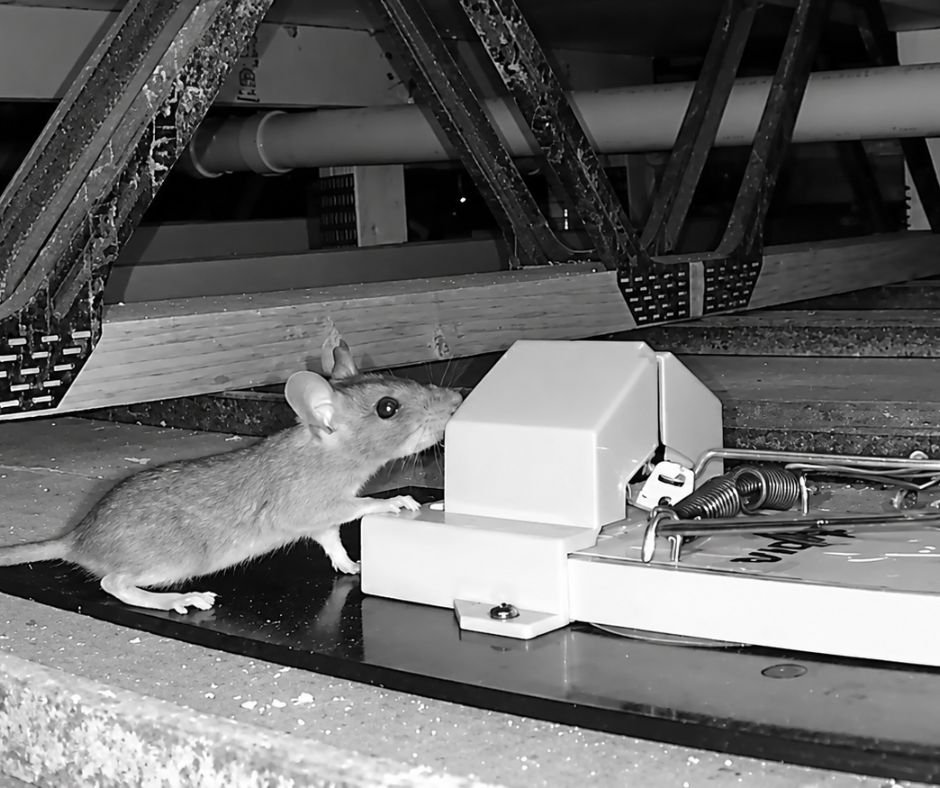
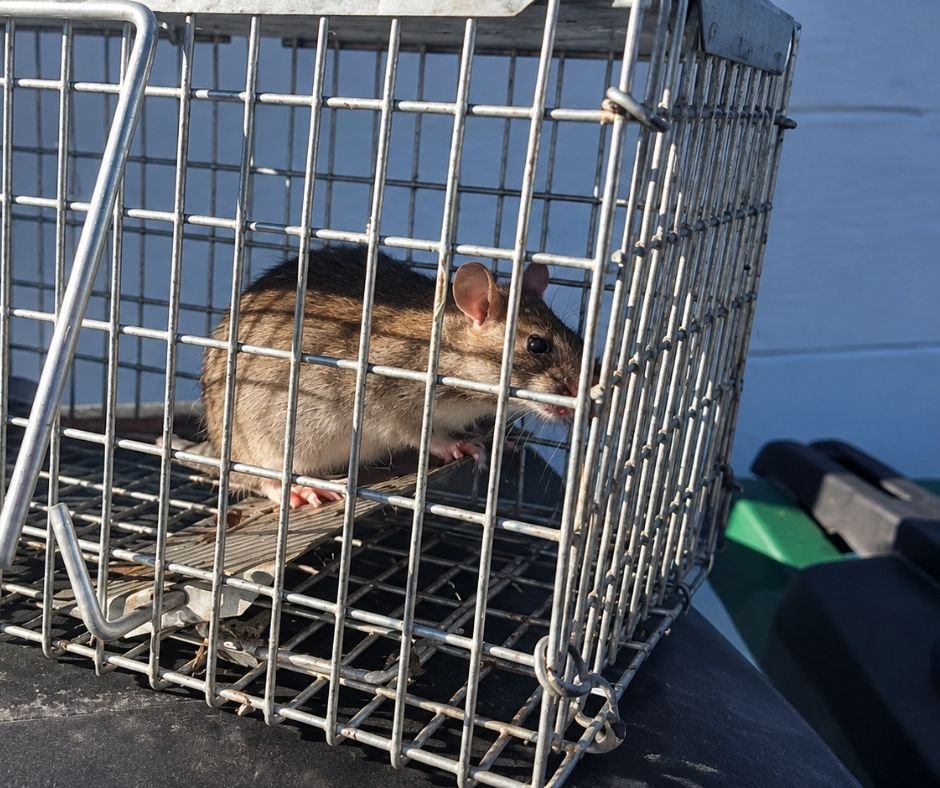
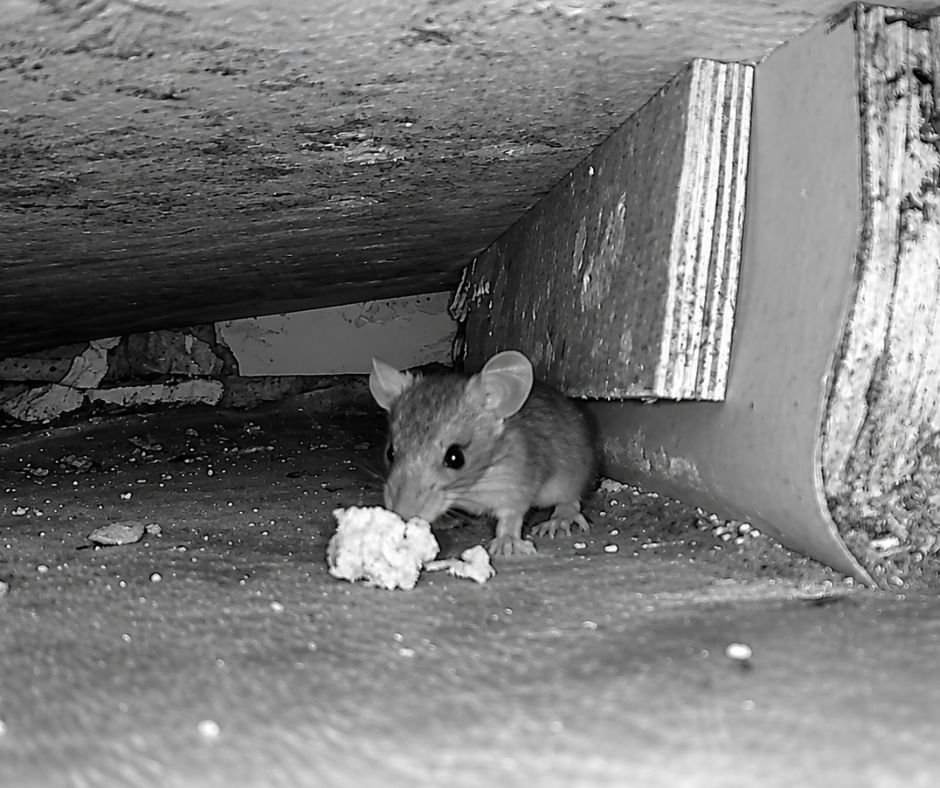
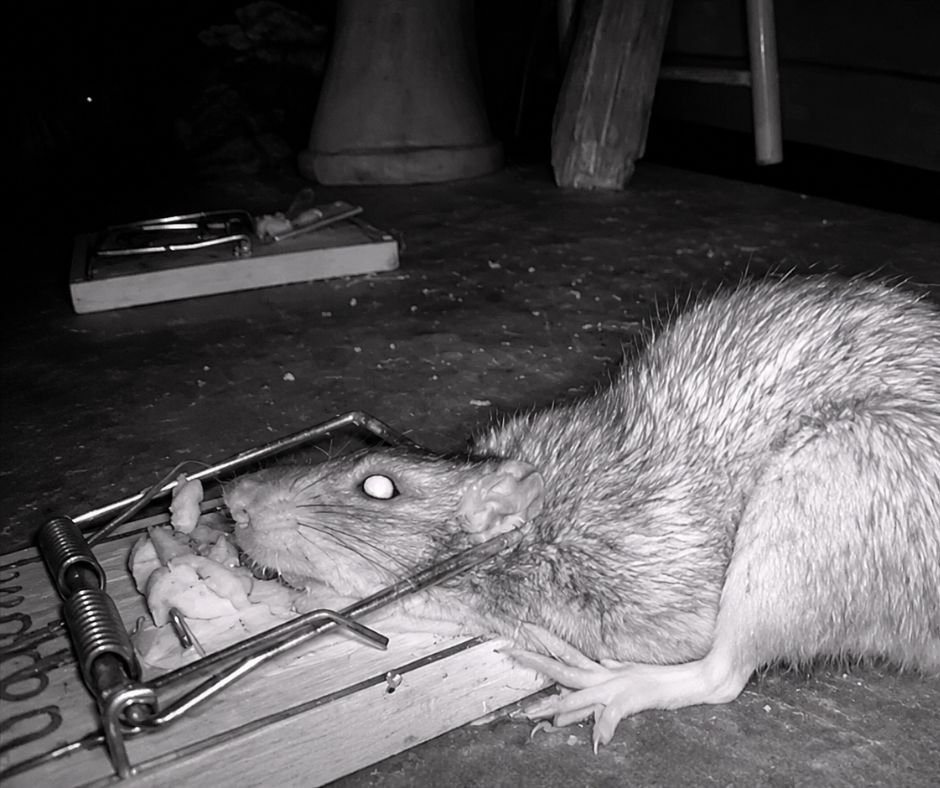
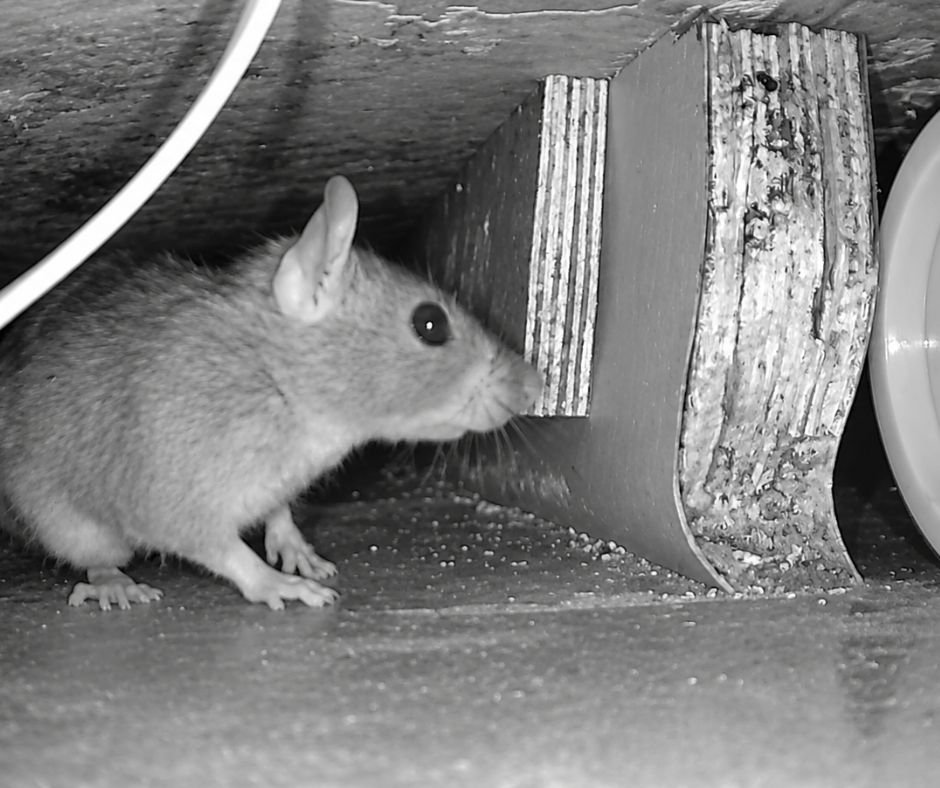
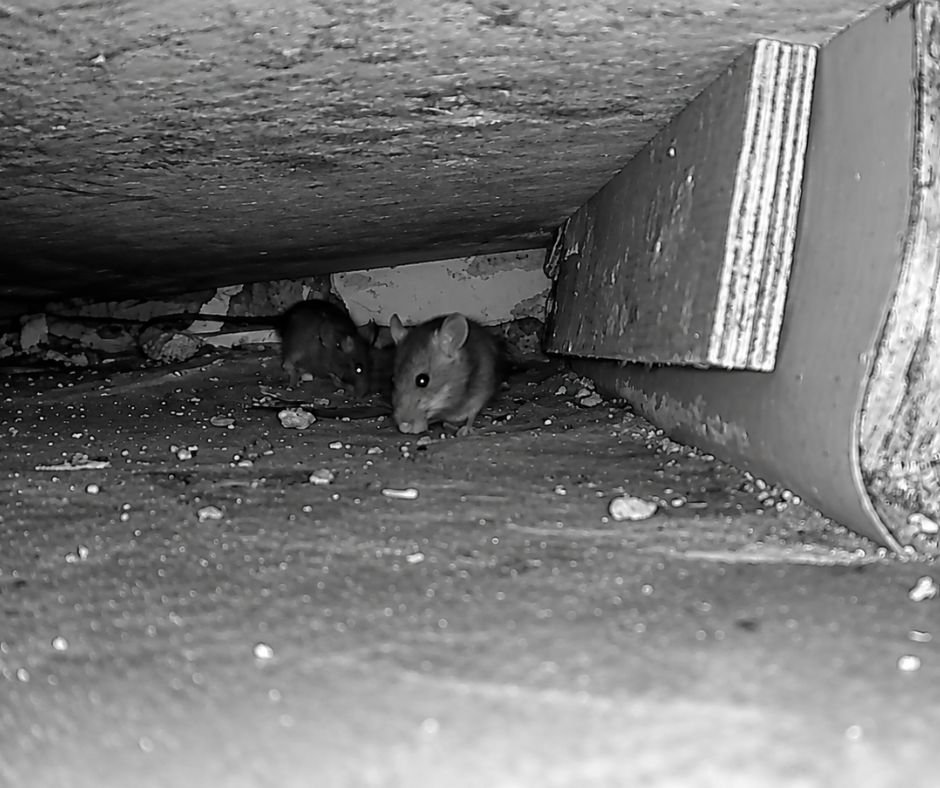
Most work in the city’s 5 Historic Preservation districts needs a Certificate of Appropriateness, and removing visible historic features counts as partial demolition. Small sealing work that does not change how the house looks, like hardware cloth behind existing vents, usually avoids that. If a repair would change something visible, ask the city’s Historic Preservation staff first.
St. Augustine and St. Johns County
Rodent Control and Rat Removal in St. Augustine, FL
St. Augustine has been building homes since 1565, and rats have had a long time to learn every gap in them. We find how they get into old coquina and wood frame buildings, seal those spots with metal, trap the rats inside and come back to make sure they are gone.
In one paragraph
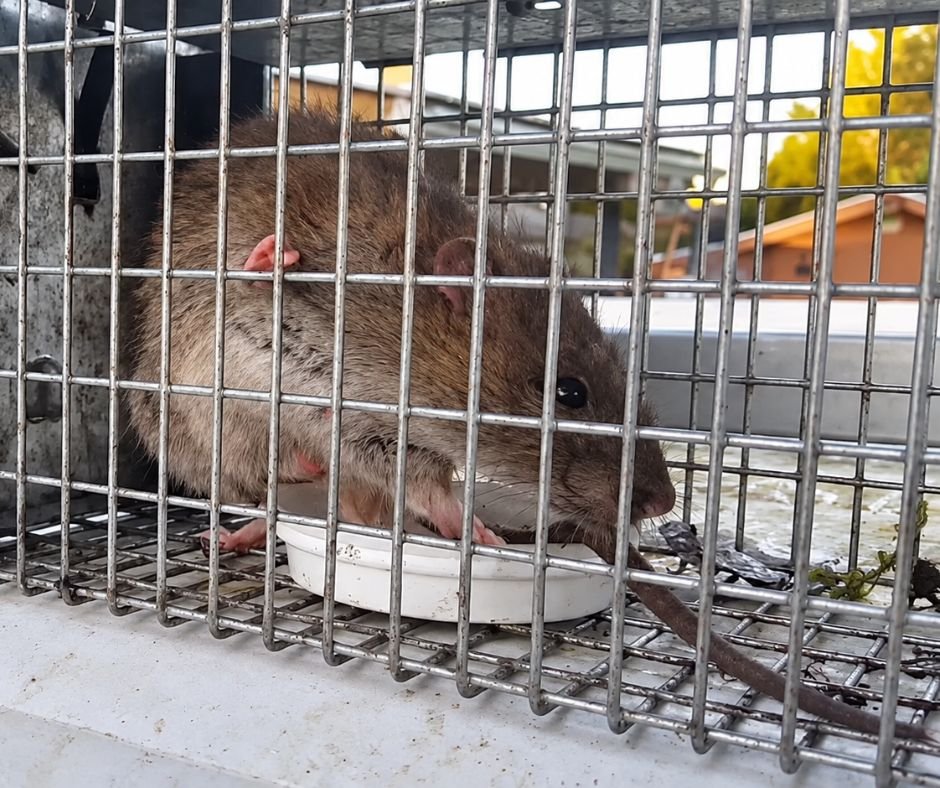
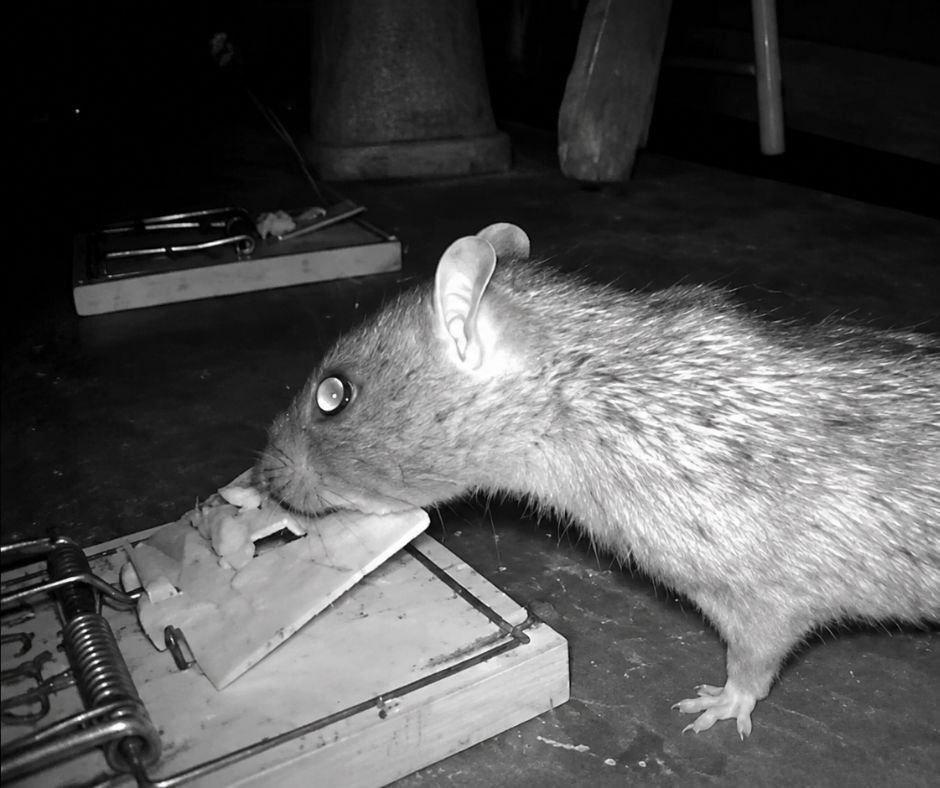
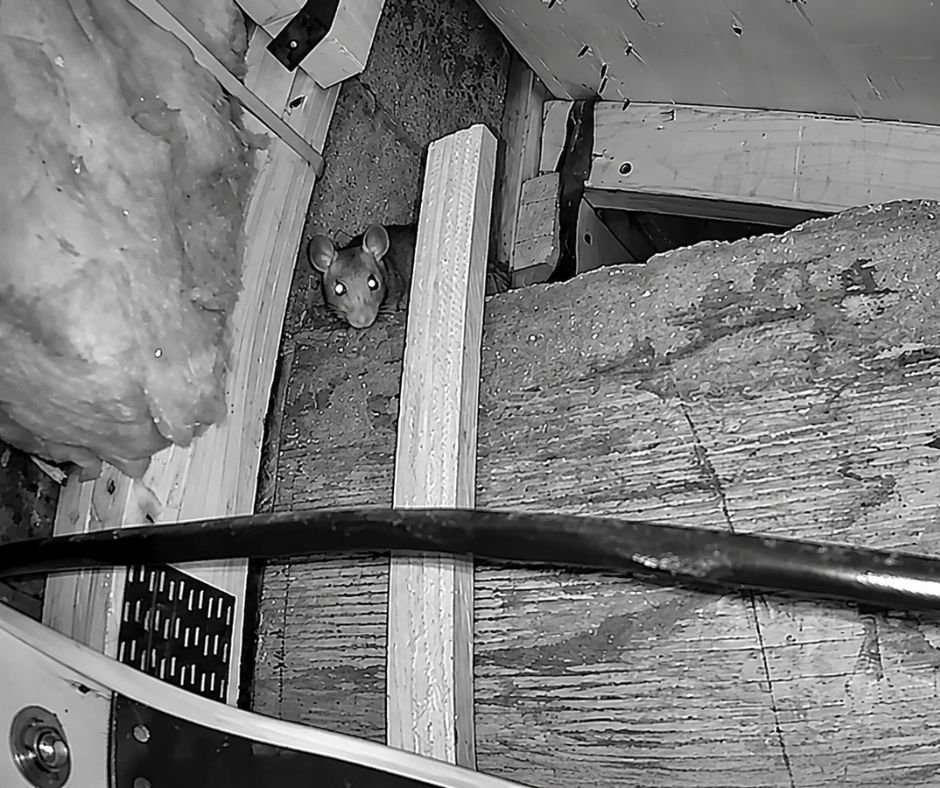
In St. Augustine the rat is almost always a roof rat, and the way in is almost always an old opening that nobody has looked at in years.
The city sits on the Matanzas River and the Atlantic, with a historic downtown full of homes, inns and restaurants built close together. Old porches, crawl spaces, roof valleys and add-on rooms give roof rats (Rattus rattus) plenty of room. Low ground on Anastasia Island floods in big storms, which pushes rodents to higher, drier places like your attic.
Rodent control in St. Augustine works when the building gets sealed first. Traps alone just make room for the next rat. You see the plan and the price before we start, and nothing happens until you approve it.
- City
- St. Augustine, county seat of St. Johns County
- Founded
- September 8, 1565, by Pedro Menendez de Aviles
- Population
- 14,329 (2020 census)
- Main rodent
- Roof rat, nesting in attics, soffits and palm skirts
- Also seen
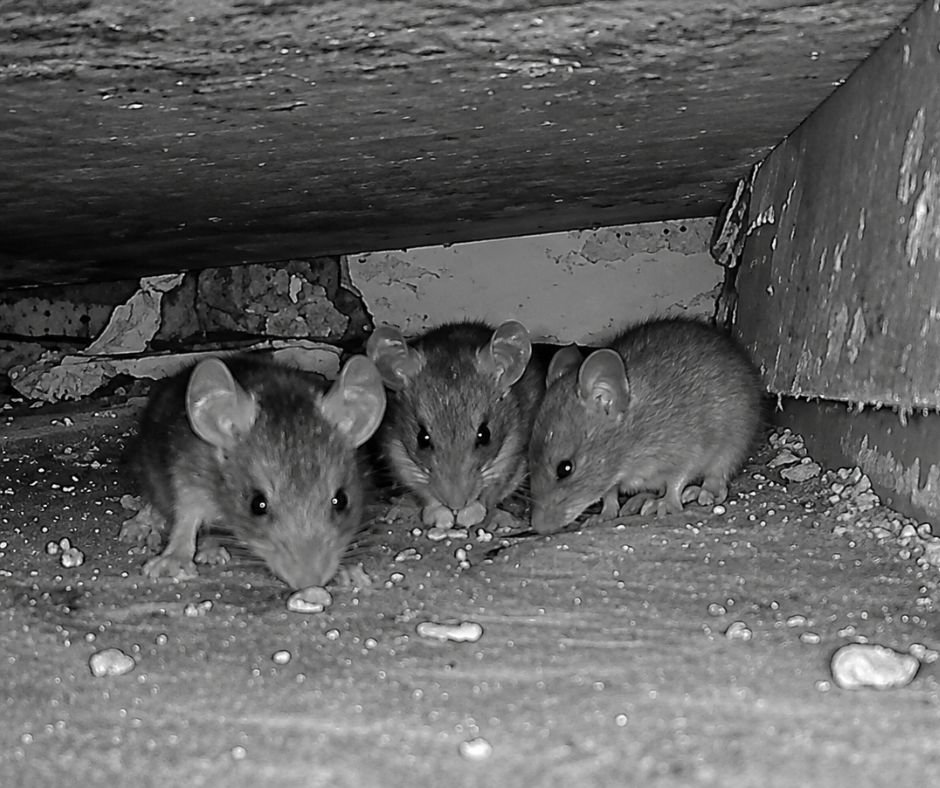
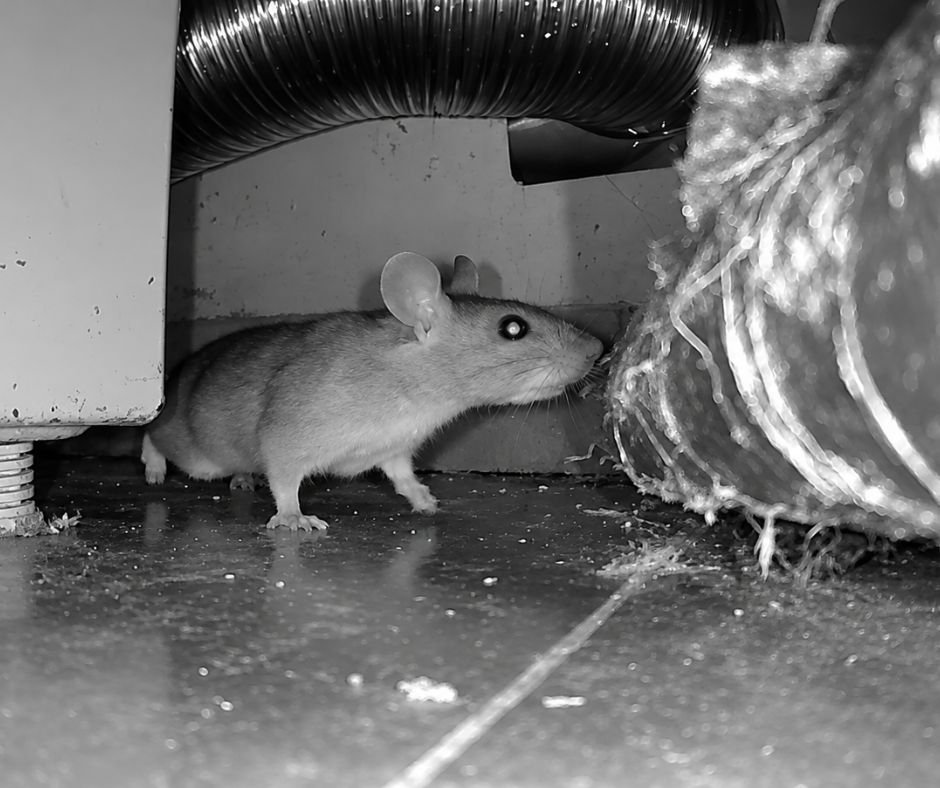
- House mice (Mus musculus) in kitchens and storage rooms
- Wet season
- May to October, when most of the 50.64 inches of yearly rain falls
- Call
- (561) 562-7607, open 24/7
Sources: Wikipedia, St. Augustine, Florida (founding, 2020 census, climate). UF/IFAS Extension publication UW120 (roof rat nesting).
Coquina, old wood and more than 450 years of repairs
Why Historic St. Augustine Homes Are Easy for Rats
The oldest parts of town were built from coquina, a soft rock made of shells, and from wood frame. Each building has been patched, added onto and re-roofed many times. Every one of those joints is a place where a rat can push through.
Masonry
Coquina and old mortar
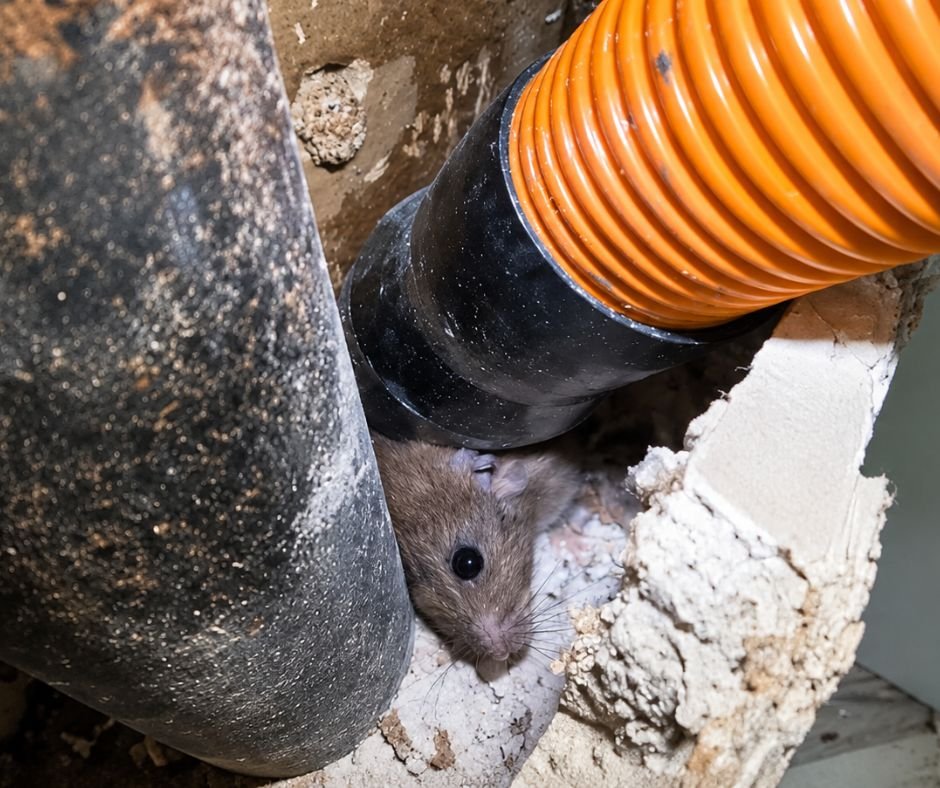
Coquina is full of small holes, and old lime mortar wears away. Where pipes, cables and AC lines pass through these walls, the gaps around them are often large enough for a rat.
Wood frame
Siding, sills and soffits
Old wood siding shrinks and splits. Soffit boards rot at the corners, and roof rats chew the soft edges until the hole is big enough to squeeze through.
Below
Raised floors and crawl spaces
Many older homes sit on piers with an open space underneath. Broken lattice and missing vent screens let rats and mice get under the house and up into the walls.
Additions
Where new meets old
A back room, sunporch or kitchen added decades later rarely lines up perfectly with the original roof. That seam is one of the first places we look.
Roof
Valleys, chimneys and dormers
Complex rooflines leave gaps at valleys, chimney flashing and dormer cheeks. Roof rats run along power lines and tree limbs to reach them.
Yard
Palms, vines and courtyards
UF/IFAS lists old palm frond skirts and debris piles as roof rat nests. Shaded walled courtyards with vines and potted plants give rats cover right next to the house.
Sources: Wikipedia, St. Augustine, Florida (coquina use in the Castillo de San Marcos and seawall). UF/IFAS Extension publication UW120 (roof rat nesting sites).
Historic Architectural Review Board
Sealing Out Rats Without Changing a Historic Look
The city has 5 Historic Preservation zoning districts, HP-1 to HP-5. The City of St. Augustine says most work done in those districts needs a Certificate of Appropriateness, reviewed by the Historic Architectural Review Board (HARB) or by staff. HARB meets on the 3rd Thursday of each month.
Removing historic windows, roofing, porches, chimneys, walls or foundations on visible sides of a building counts as partial demolition. Replacing them in kind, with the same size, design and materials, can be approved by staff.
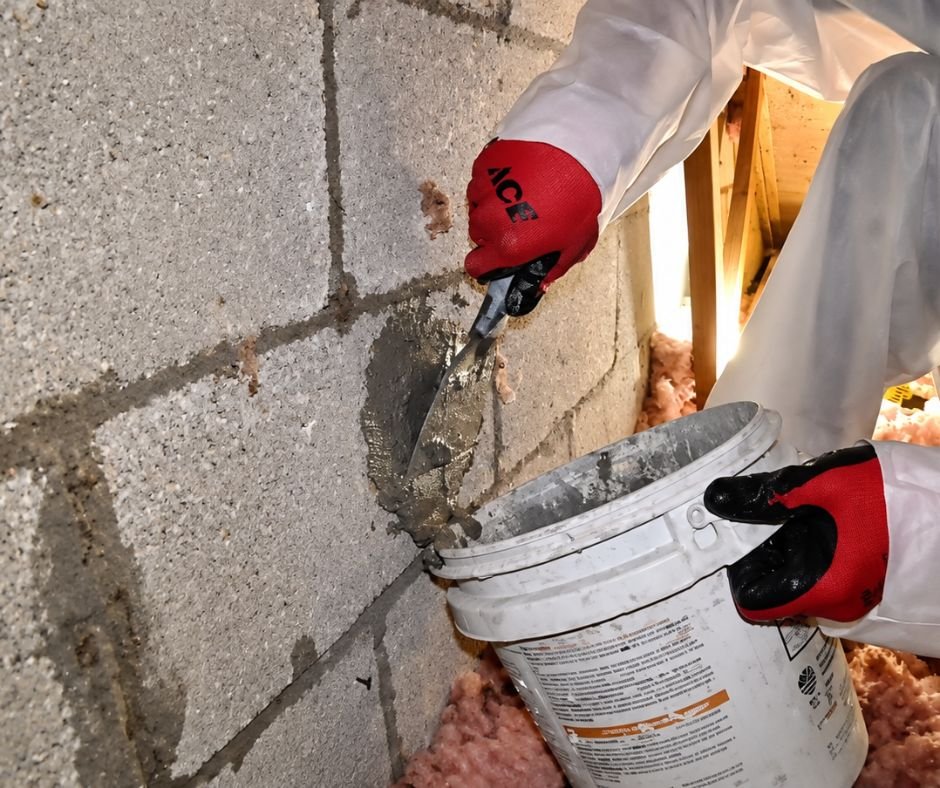
For rodent exclusion, that means the goal is to close gaps, not to replace historic parts. We use small, tight repairs: hardware cloth behind existing vents, metal flashing tucked where it will not show, and sealing around pipes and wires. If a fix would change something you can see from the street, check with the city’s Historic Preservation staff first.
Not sure if your home is in an HP district? The city’s Interactive GIS Map shows it under the Zoning Districts layer.
Low-profile exclusion work
- 1/4 inch hardware cloth set behind gable and foundation vents
- Painted metal flashing at roof edges and soffit corners
- Sealing around AC lines, plumbing and cable entries
- Door sweeps and threshold repair on back and service doors
- Crawl space screening behind existing lattice
- Photos of every spot, before and after, for your records
Source: City of St. Augustine, Historic Architectural Review Board page (citystaug.com/195).
Around the city
Rat Problems by St. Augustine Neighborhood
A shop on St. George Street, a cottage in Lincolnville and a raised home in Davis Shores each have their own weak spots. Here is where we tend to start.
| Area | What it is like | What we find most | First places we check |
|---|---|---|---|
| Downtown and St. George Street | Pedestrian street with more than 30 historic houses and attractions, plus restaurants, shops and B&Bs | Roof rats and house mice moving between connected buildings | Shared walls, rear service doors, trash areas, roof joints between buildings |
| Lincolnville | Historic district founded by freedmen in 1866, with small lots and houses close to the street | Roof rats in attics and under raised floors | Crawl space openings, old siding, porch roofs, trees over the roof |
| Davis Shores | 1920s planned neighborhood on the north end of Anastasia Island, built on dredged and filled lowland | Rats moving in after storms and high water | Garages, flood vents, sheds and docks, AC and plumbing gaps |
| Rest of Anastasia Island | Beach homes, rentals and condos near the ocean | Roof rats and mice in seasonal and rental homes | Homes left empty for weeks, garage doors, pool equipment and utility areas |
| Around Flagler College and the bayfront | Large historic buildings, inns and older apartments | Mice and roof rats in kitchens and storage | Basements, loading areas, utility chases between units |
Sources: Wikipedia, St. Augustine, Florida and Lincolnville Historic District. Florida Historical Marker, Davis Shores. What we find is based on typical inspections; every home is checked in full.
Matthew 2016 and Irma 2017
When the Matanzas Comes Up, the Rats Move In
Hurricane Matthew flooded much of downtown St. Augustine on October 7, 2016. Less than a year later, Irma flooded low-lying Davis Shores again. Water pushes rats out of burrows, sheds and debris and into the nearest dry space, which is often a garage, wall or attic.
4ft
Matthew, Davis Shores
One Davis Shores home had almost 4 feet of water inside during Matthew.
20in
Irma, a year later
Another home that flooded in Matthew had nearly 20 inches inside during Irma.
1964
Last direct major hit
Hurricane Dora was the last major hurricane to hit the city directly. Matthew and Irma did their damage without a direct hit.
May-Oct
Wet season
Storm season overlaps the hot, rainy months, when roof rats are busy and breeding.
After a flood
What to check first
- Torn garage door seals and swollen door frames
- Wet insulation in walls and crawl spaces, a favorite nest
- Debris piles and storm limbs left near the house
- New droppings in the attic in the weeks after the storm
Before the next one
Make the house less inviting
- Get storm debris to the curb within the city’s size limits
- Seal gaps with metal so floodwater damage does not reopen them
- Store pet food and bird seed in sealed bins up off the floor
- Trim limbs back from the roof before the season starts
Sources: Wikipedia, St. Augustine, Florida (Matthew, Dora, climate). Flagler College Gargoyle, “Residents still reeling from second hurricane hit in a year” (Davis Shores flood depths).
Services available in St. Augustine
Rat and Mouse Removal Services in St. Augustine
Most St. Augustine jobs combine a few of these: an inspection, sealing, trapping and cleanup. Choose a service to learn more, or call and we will tell you what your property needs.
Residential Rodent ControlAttic and crawl space rat removal for St. Augustine homes, from historic houses downtown to newer homes near World Golf Village.Learn More →
Commercial Rodent ControlScheduled service with written visit logs for restaurants, inns and shops along St. George Street, King Street and San Marco Avenue.Learn More →
Rodent RemovalTraps placed on the paths rats use and checked on return visits until the activity stops.Learn More →
Dead Rodent RemovalBad smell in a wall or ceiling? We find and remove the dead rodent, then clean and deodorize the area.Learn More →
Rodent CleanupRemoval of droppings, urine and nests from attics and garages, with advice on insulation replacement.Learn More →
Rodent ExterminatorEPA and FDACS certified technicians who use traps indoors and follow product labels around kids and pets.Learn More →
Rodent ExclusionWe seal soffits, roof edges, coquina mortar gaps and pipe openings with metal and mortar so rats cannot get back in.Learn More →
Rodent Feces RemovalCareful cleanup of droppings with disinfectant, never sweeping or vacuuming, which can spread germs.Learn More →
Rodent ProofingDoor sweeps, vent screens, roof edge sealing and tree trimming advice for St. Augustine homes.Learn More →
Restaurants, inns and B&Bs
Commercial Rodent Control in St. Augustine
Tourism is the main business in St. Augustine, and food is everywhere downtown. Restaurants, bakeries, bars and bed and breakfasts on and near St. George Street often share walls, roofs and alleys. A rat that is trapped out of one building can walk back in from the one next door.
That is why we look at the whole block when we can. We map entry points, set locked bait stations outside, seal the back of house and keep a written log after each visit, so you have a record ready when the state inspector comes by.
For B&Bs and vacation rentals, quiet work matters. We plan visits around guests and keep traps out of sight. See our commercial rodent control page for more.
What a business plan covers
- Scheduled visits with written service logs
- Numbered, locked exterior bait stations
- Door sweeps on kitchen, service and delivery doors
- Dumpster pad and grease area checks
- Sealing at shared walls and roof joints
- Guest-friendly scheduling for inns and rentals
Reading the signs
Clues an Old House Gives You
Old homes creak and settle, so a noise alone does not mean rats. These clues do. If you find 2 or more, it is time for an inspection.
Droppings
Black, banana-shaped
Roof rat droppings are about 1/4 to 1/2 inch long. Mouse droppings are much smaller.
Marks
Dark rub lines
Greasy smudges on rafters, pipes and along the top of walls where rats travel every night.
Fruit
Hollowed citrus
A round hole about the size of a quarter and the fruit eaten out from inside is a roof rat sign.
Damage
Chewed wires and wood
Fresh gnaw marks on soft wood, wiring, AC insulation and stored boxes in the attic or garage.
Source: UF/IFAS Extension publication UW120, Roof Rats.
How we work
From First Look to Final Check
Most homes take about 2 to 3 weeks from inspection to the last follow-up. Big historic buildings and connected storefronts can take longer.
- Visit 1
Full inspection
Roofline, attic, crawl space, walls and yard. You get photos of each entry point plus a written plan and price.
- Right after approval
Exclusion
Gaps closed with metal, hardware cloth and masonry patch. No foam, which rats chew through. See rodent exclusion.
- Week 1 to 2
Trapping
Traps set on the runways rats use inside, checked on return visits and moved as needed.
- Week 2 to 3
Cleanup
Droppings and nests removed with disinfectant, never swept or vacuumed. See rodent cleanup.
- Follow-up
Final check
We come back to look for any new activity before we close the job.
City and state rules
St. Augustine Trash, Yard and License Rules
Rats go where food and cover are easy. A few city rules, if everyone follows them, take a lot of both away.
Trash
Cart times
Each single-family home gets a 65-gallon brown cart for garbage. Carts may go out after 7 p.m. the night before pickup and must come back in by 7 p.m. on pickup day. Trash is Monday north of King Street and Tuesday south of King Street and on Anastasia Island. Solid Waste: (904) 825-1049.
Yard waste
Brush limits
Yard waste goes out by Wednesday morning. Loose leaves and clippings go in bags or containers of no more than 50 pounds or 32 gallons. Limbs over 2 inches across, stumps and piles over 4 yards are the owner’s job to haul.
Code
Overgrown or messy lot next door?
City ordinances say yards must be free of debris and open containers that attract rodents, and grass and weeds may not be over 12 inches tall. Call Code Enforcement at (904) 825-1065 on weekdays or (904) 825-1070 on weekends. Complaints can be made anonymously.
State license
FDACS and Chapter 482
Pest control companies in Florida are licensed by the Florida Department of Agriculture and Consumer Services under Chapter 482, Florida Statutes. Our team is EPA and FDACS certified. The CDC says to wet droppings with disinfectant before wiping them up, never sweep them.
Sources: City of St. Augustine Solid Waste page (citystaug.com/528) and Resident Information page (citystaug.com/684). CDC guidance on cleaning up after rodents.
Primary St. Augustine response zone
St. Augustine service coverage
Is your ZIP on the route?
St. Augustine spans several ZIP codes across St. Johns County. These are the ones we serve most, but we cover the whole area. Call if you do not see yours.
320803208432085320863209232095
Areas we serve
Check my address →
Historic Downtown · Lincolnville · Uptown · North City · Anastasia Island · Vilano Beach · World Golf Village · West St. Augustine
St. Augustine rat questions
What St. Augustine Owners Ask Before They Call
Your question not here? Call us any time, day or night.
Call (561) 562-7607 →Mostly the roof rat. UF/IFAS says roof rats are found all over Florida and are far more common here than Norway rats. They nest high, in attics, soffits, palm skirts and trees. House mice show up in kitchens and storage rooms.
They do not chew through the stone itself. They use the gaps around it: worn mortar, holes where pipes and wires pass through, and joints where the wall meets a wood roof or addition. Those are the spots we seal.
They can be. Flood damage often leaves swollen door frames, torn seals and wet insulation, and rats use all three. If your home took on water, have the garage, crawl space and lower walls checked for new openings.
We set up scheduled visits with written logs, locked bait stations outside and a sealing plan that includes shared walls with neighbors. For inns and rentals we schedule around guests and keep equipment out of sight.
HomeAdvisor’s Saint Augustine rodent page says most homeowners pay an average of $200 to $600 for rodent exclusion. That is a market figure, not our quote. Older homes with many gaps can cost more. We give you a written price after the inspection, before any work starts.
City of St. Augustine Code Enforcement takes complaints at (904) 825-1065 on weekdays and (904) 825-1070 on weekends, and you can stay anonymous. City rules require yards to be kept free of debris that attracts rodents.
Yes. We serve all of St. Augustine, Anastasia Island and nearby parts of St. Johns County, including World Golf Village, Nocatee and Fruit Cove, plus Palm Coast to the south.
St. Augustine dispatch is ready
Rats in Your St. Augustine Home or Business?
Call now. We will inspect the property, show you where rodents are getting in, and seal it so they stay out.
Request St. Augustine service
Give us a call. We’ll handle the next step.
Call us, tell us what you are seeing and where you are located, and our team will confirm the right appointment type and timing.
Serving St. AugustineSt. Augustine, Florida(561) 562-7607Open 24 hours · 7 days a week