Rodent Inspection
A full walk of the attic, crawlspace, soffits and yard to find every active entry point and nest, not just the one you already found.
Book an inspection →Pasadena Hills sits on rolling, wooded terrain between San Antonio, Dade City and Zephyrhills, where large lots, citrus groves and older farmhouses back right up to newer construction going in under the Villages of Pasadena Hills master plan. That mix of rural land and fresh building sites is exactly the kind of ground roof rats, Norway rats and house mice move through. We inspect, seal and remove rodents from homes and businesses across the 33525, 33540, 33541, 33542, 33545 and 33576 ZIP codes.
Pasadena Hills is an unincorporated community in Pasco County, platted in 1925 on the site of an earlier 1889 resort development called Pasadena, which collapsed after the citrus freezes of 1894 and 1895 wiped out the groves that built it. Lake Pasadena, the largest lake in Pasco County, still anchors the area. Today the community is governed in part by the Villages of Pasadena Hills special district, whose 2065 Master Roadway Plan is guiding new subdivisions onto land that was pasture and citrus grove within living memory. That combination, old farmland edges next to fresh slab construction, is what keeps roof rats and field-loving rodents like cotton rats and Norway rats moving between yards here.
The 2020 census put Pasadena Hills at 11,120 residents, up sharply from 7,570 in 2010, and just under half the community is still classified as rural. At about 250 people per square mile spread across 31 square miles, most properties sit on larger lots with mature oak canopy, drainage ditches, and open land nearby, all good rat and mouse habitat. Sealing a home here means dealing with both the classic Florida attic entry points and the ground-level burrowing that comes with living next to open acreage.
A full walk of the attic, crawlspace, soffits and yard to find every active entry point and nest, not just the one you already found.
Book an inspection →Steel mesh, hardware cloth and sealant on every gap we find, from roofline flashing to the quarter-inch gaps around utility lines.
Get a quote →Snap traps and bait stations placed along the runs rodents are actually using, checked on a schedule until activity stops.
Start removal →Droppings, urine trails and nesting material removed from attics and wall voids, with the area treated before insulation goes back.
Ask about cleanup →Roof rats are most active after dark, and attic scratching or running is usually the first thing homeowners here notice.
Fresh droppings are dark, moist and about half an inch long with pointed ends. Older ones dry out and turn gray.
Rodents gnaw constantly to wear down their teeth. Chewed low-voltage wiring and irrigation lines are common on larger lots out here.
A house mouse can squeeze through a dime-sized gap, and a rat needs only a quarter-sized opening around a pipe, vent or HVAC chase.
Urine buildup along a regularly used rodent path has a distinct, stale odor, usually strongest in the attic or under cabinets.
Dogs and cats often fixate on a wall, cabinet or attic hatch long before you hear or see anything yourself.
Rattus rattus
Excellent climbers that come in through the roofline, tree limbs overhanging the roof, and soffit gaps. The most common rat in Florida attics, and the one most tied to the oak canopy found on older Pasadena Hills lots.
Rattus norvegicus
Larger and heavier than roof rats, Norway rats burrow at ground level near foundations, sheds, ditches and dumpsters rather than climbing. More common near drainage areas and outbuildings on rural lots.
Mus musculus
Small enough to get in through a dime-sized gap, house mice nest close to a food source and reproduce fast. A single entry point can turn into a colony within weeks if it is not sealed.
Rodent droppings and urine can carry hantavirus, leptospirosis and salmonella, and roof rats and Norway rats both bring fleas and mites into a home. Droppings should never be swept or vacuumed dry, since that can send contaminated dust into the air. A damp-cloth cleanup with gloves, or a professional cleanout, is the safer route.
Rodent-borne disease information sourced from CDC and Florida Department of Health guidance.
Florida pest control operators must be licensed through the Florida Department of Agriculture and Consumer Services. Ask any company working in Pasadena Hills for their license number before signing anything, and be cautious of anyone offering only poison with no exclusion or sealing work, since poison alone does not stop rodents from getting back in.
Bait can knock down a population, but a rodent that dies inside a wall void causes a smell that can last for weeks, and new rodents will keep using the same entry point unless it is sealed. Exclusion work is what actually stops the cycle.
Snap traps can work for a light mouse problem if you already know where the entry point is. A larger roof rat population, an unknown entry point, or droppings in more than one part of the house usually calls for a full inspection.
Free phone consultations are available before you decide.
Full interior and exterior walk-through to map every entry point and sign of activity.
Steel mesh and sealant closed on every gap found, from the roofline down to the foundation.
Snap traps and monitored bait stations placed on active runs, not just around the perimeter.
Droppings, urine and nesting material removed and the area sanitized before it is closed back up.
A follow-up check to make sure the home stays clear and nothing new has gotten in.
Most Pasadena Hills inspections and quotes are free. Call (561) 562-7607 to get on the schedule.
Fact: A cat may catch an occasional mouse, but roof rats nest in attics cats cannot reach, and a real infestation needs sealing, not a pet.
Fact: Rodents go quiet during the day and are most active at night. Droppings and gnaw marks are a better indicator than sound alone.
Fact: A colony usually has more than one entry point and more than one rodent. Removing one without sealing the opening just invites the next.
Fact: Poison can cause dead rodents to decompose inside walls, and it does nothing to close the gap they used to get in.
| Rodent Control | General Pest Control | |
|---|---|---|
| Entry point sealing | Included | Rarely included |
| Attic and crawlspace inspection | Standard | Usually skipped |
| Trap placement and monitoring | Yes | No |
| Targets ants, roaches, spiders | No | Yes |
| Droppings and nest cleanup | Available | Not offered |
Renting out a property in Pasadena Hills? Landlords are responsible for keeping rental homes free of pest hazards under Florida’s habitability standards. We work directly with property managers on inspection reports and documented exclusion work for tenants.
The Pasadena Hills area has a longer history than most people realize, and its geography still shapes where rodents nest and move today.
The largest lake in Pasco County by area, Lake Pasadena anchors the community and gives its name to the neighborhood. Homes near its shoreline and wooded edges see more ground-level rodent activity from the natural habitat nearby.
Built in the 1880s during the area’s original citrus-boom development, this is the only structure still standing from that era, after the freezes of 1894 and 1895 ended the community’s first run as a resort town.
A Pasco County special district guiding new development here under a 2065 Master Roadway Plan. New subdivisions are being built alongside older rural homesteads, which is exactly the mix of old and new construction that keeps rodent pressure high.
Rats and mice breed year-round in Florida, but spring litters from winter shelter-seeking rodents mean more activity as populations expand into yards and grove edges.
June through November hurricane season brings heavy rain that pushes ground-dwelling rodents out of flooded burrows and into garages, sheds and homes on higher ground.
As outdoor food sources thin out, rodents look for stable shelter, and attic entries pick up on older homes with roofline gaps.
Florida winters rarely get cold enough to kill off rodent populations, but cooler nights still send more rats and mice indoors seeking warmth.
Many Pasadena Hills properties predate the 1925 platting era or were built during the decades of citrus and pasture land use, with original crawlspaces, wood siding and roofline gaps that widen over time.
Our approach: Full crawlspace and attic inspection, hardware-cloth sealing on older gaps, and trap placement along the foundation where ground-level rodents are most active.
New homes going up under the Villages of Pasadena Hills 2065 Master Roadway Plan sit on land that was recently open field or grove, which pushes displaced rodents toward the nearest finished structure.
Our approach: Pre-emptive sealing around utility penetrations and garage doors, plus a follow-up inspection once landscaping and irrigation are in.
Homes near the lake shoreline or backing up to oak canopy see more roof rat activity, since overhanging limbs give rats a direct path onto the roofline.
Our approach: Roofline and soffit exclusion, tree-limb trim recommendations, and bait station placement along the natural travel corridors rodents use from the treeline to the house.
These are the ZIP codes covering the Pasadena Hills area. Nearby addresses may also qualify. Call if you do not see yours.
Near Lake Pasadena · along the SR-52 corridor · bordering San Antonio · bordering Dade City and Zephyrhills
Technician found the roof entry point right away and sealed it same visit. No more noise in the attic.
Pasadena Hills homeownerThey explained the whole process before starting and did not just push bait boxes. Appreciated the exclusion work.
Pasadena Hills homeownerFast callback and showed up within the window they quoted. Would call again.
Pasadena Hills homeownerA real dispatcher is available if your question is not answered here.
Call (561) 562-7607 →Phones are answered 24/7 and most inspections in the 33525, 33540, 33541, 33542, 33545 and 33576 ZIP codes can be scheduled within a day or two.
Yes. Roofline and attic exclusion covers roof rats, while foundation and yard-level sealing and trapping targets the Norway rats more common near drainage ditches and open land.
Yes, inspections and quotes are free in the Pasadena Hills area.
Yes. New builds on former grove and pasture land often need sealing before rodents displaced from the site move in, and we can inspect as soon as construction wraps.
We work directly with landlords and property managers, providing documented inspection reports and exclusion work that meets Florida habitability standards.
Yes, our technicians are licensed through the Florida Department of Agriculture and Consumer Services. Ask for the license number when you call.
Licensed through the Florida Department of Agriculture and Consumer Services. Ask for our license number before work begins.
Free inspections, written scope of work before any sealing or trapping starts, and a follow-up visit included to confirm the home stays clear.
Give us a call. We will handle the next step.
Call (561) 562-7607Florida Rodent Control Pros has served Pasco County since 2014, covering Pasadena Hills and the surrounding 33525, 33540, 33541, 33542, 33545 and 33576 ZIP codes.
Phone: (561) 562-7607
Email: contact@rodentcontrolfl.com
Service area: Pasadena Hills and Pasco County, FL
These pictures come from our own inspection cameras and job sites: rats caught in traps, mice under cabinets, the entry points we find, and the sealing work that keeps them out.
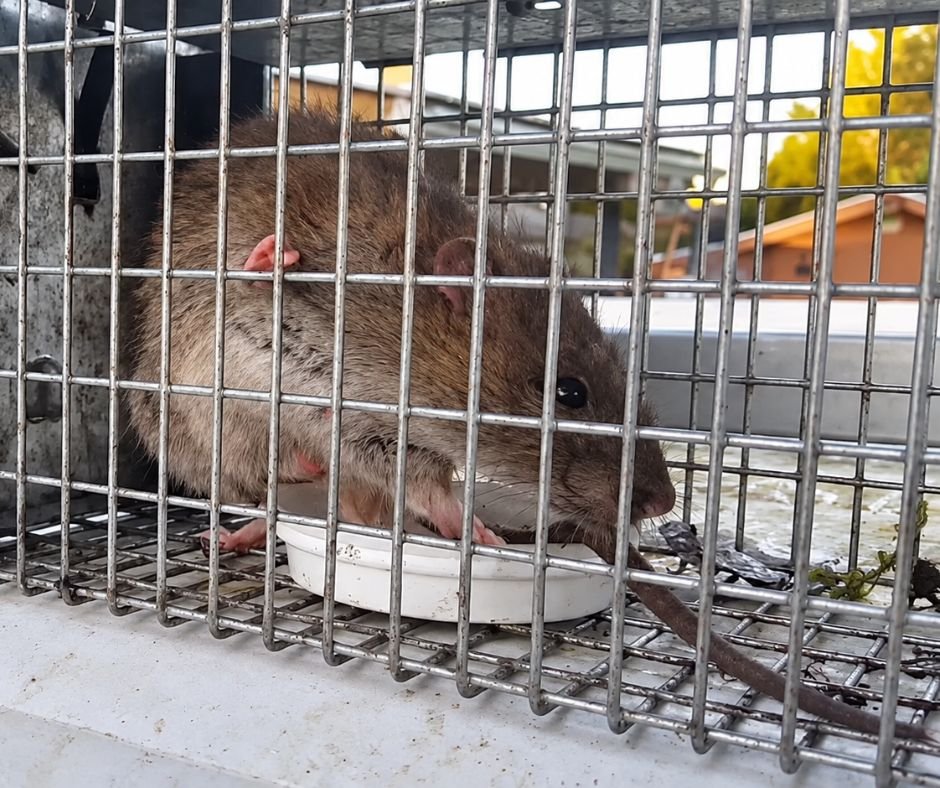 Rat caughtClose-up of a rat caught in a cage trap
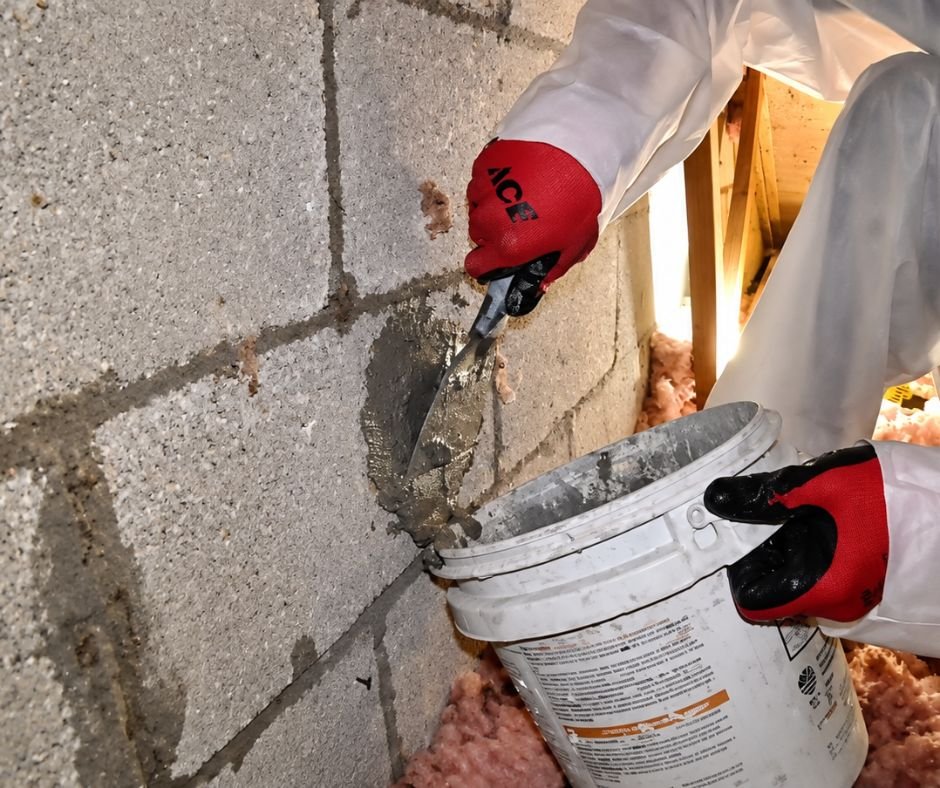 Exclusion workTechnician sealing a block wall gap with mortar
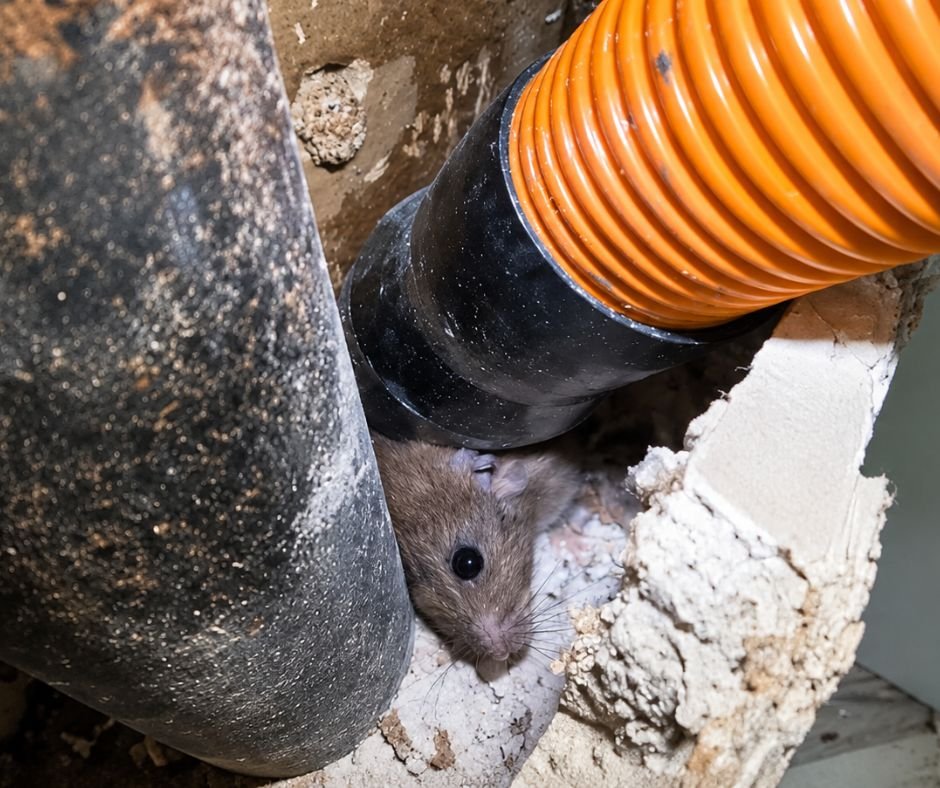 Entry point foundRat squeezing past an unsealed pipe penetration in a wall
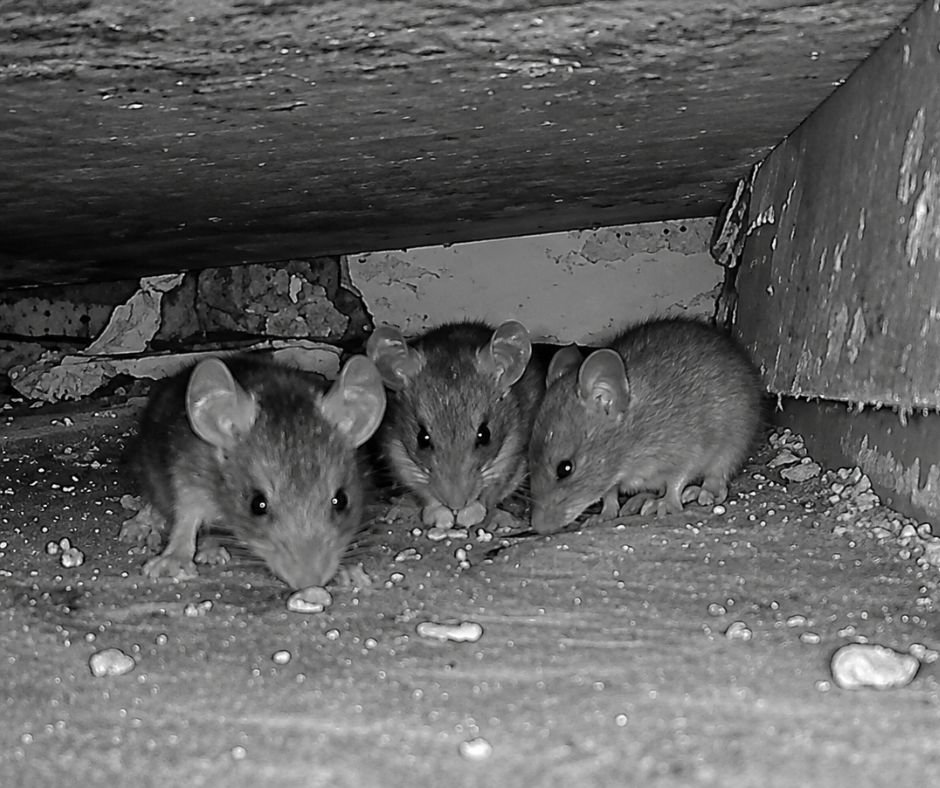 Kitchen inspectionThree mice caught on camera under a cabinet
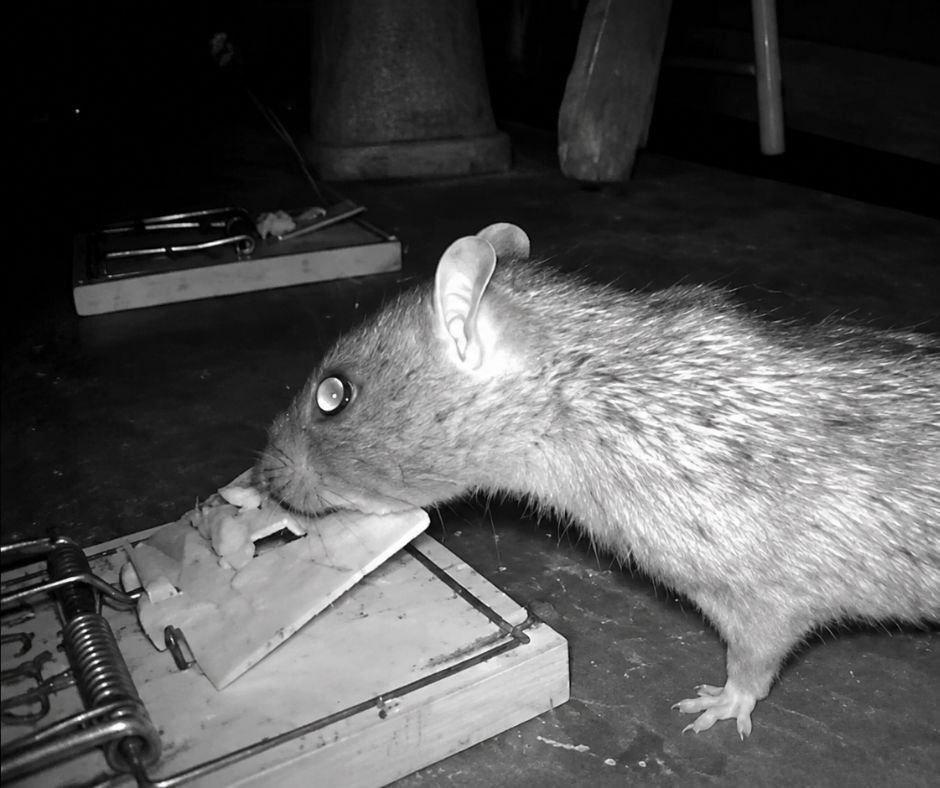 Trap cameraNight camera photo of a rat at a snap trap
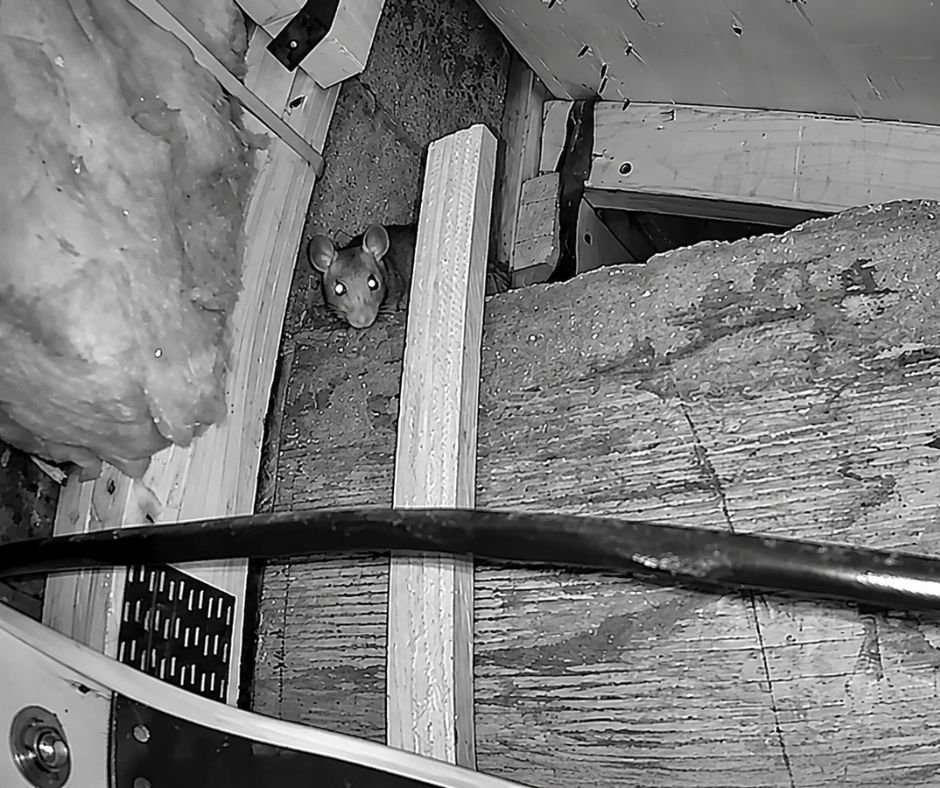 Attic inspectionMouse found near attic insulation
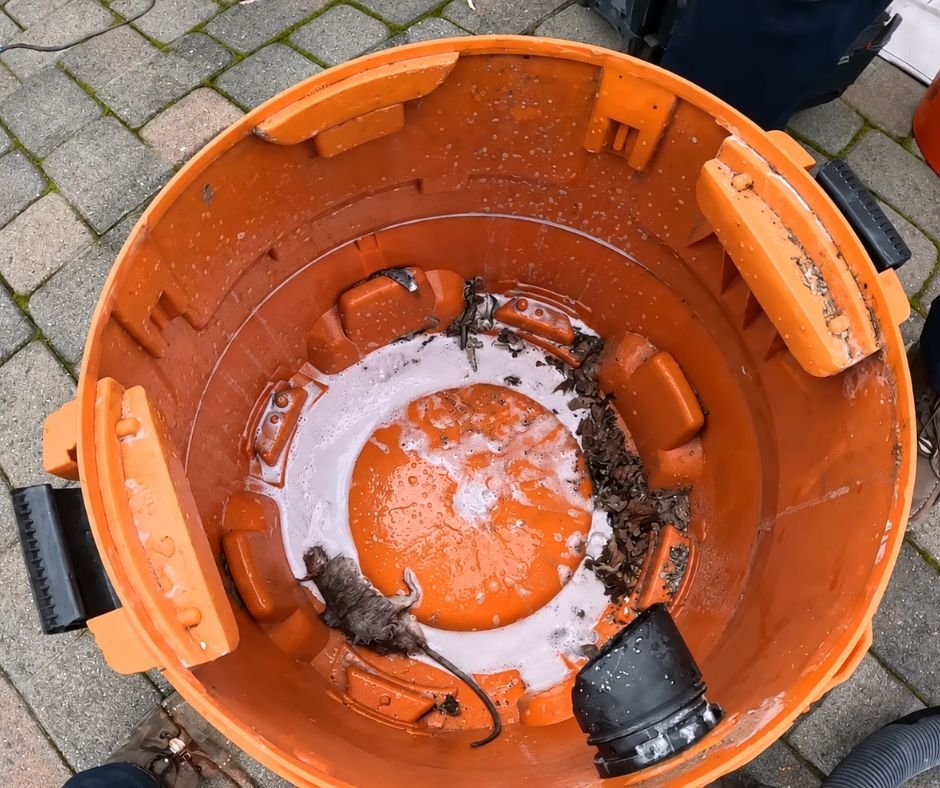 Station checkRat found inside a rodent station during a service check
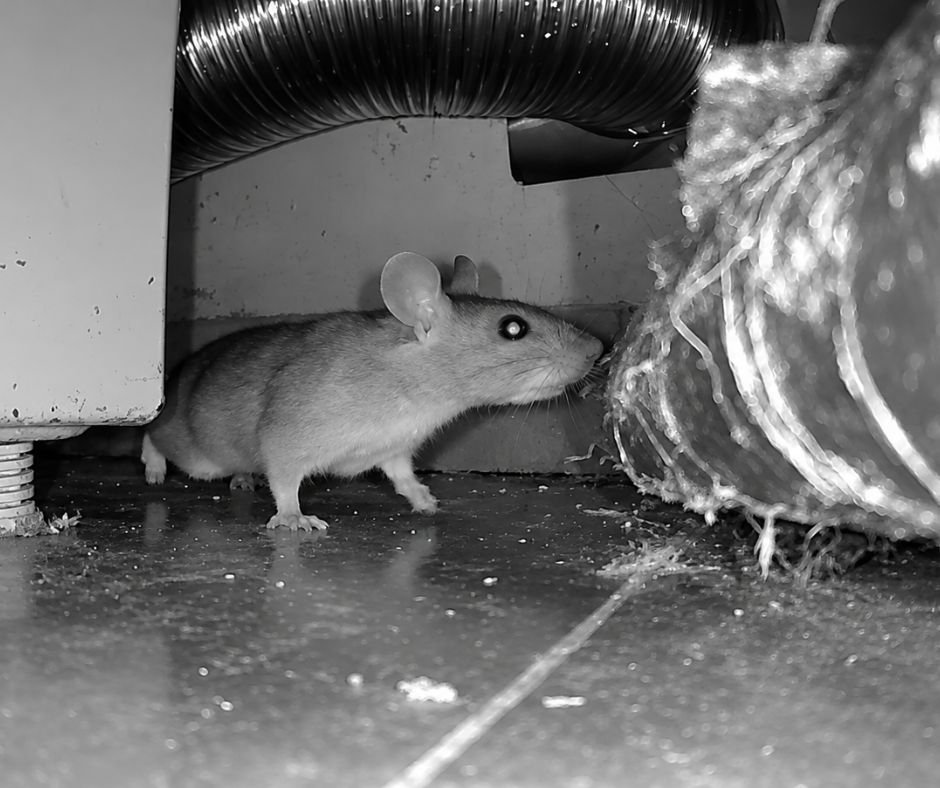 Entry point checkMouse beside a dryer vent duct
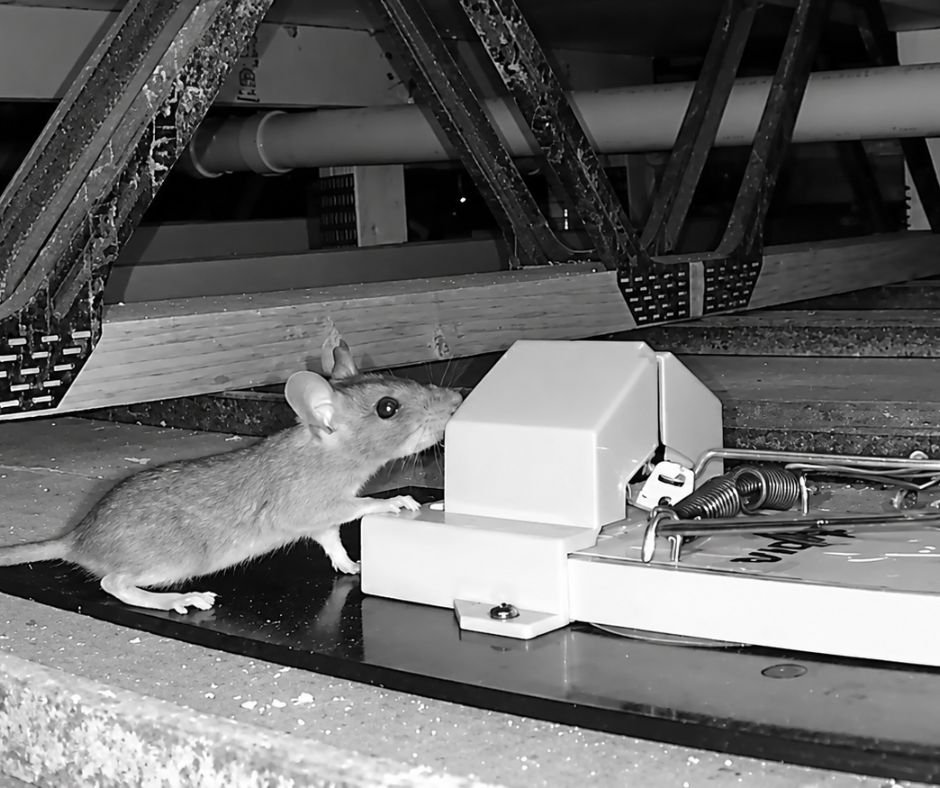 TrappingMouse approaching a trap station near roof trusses
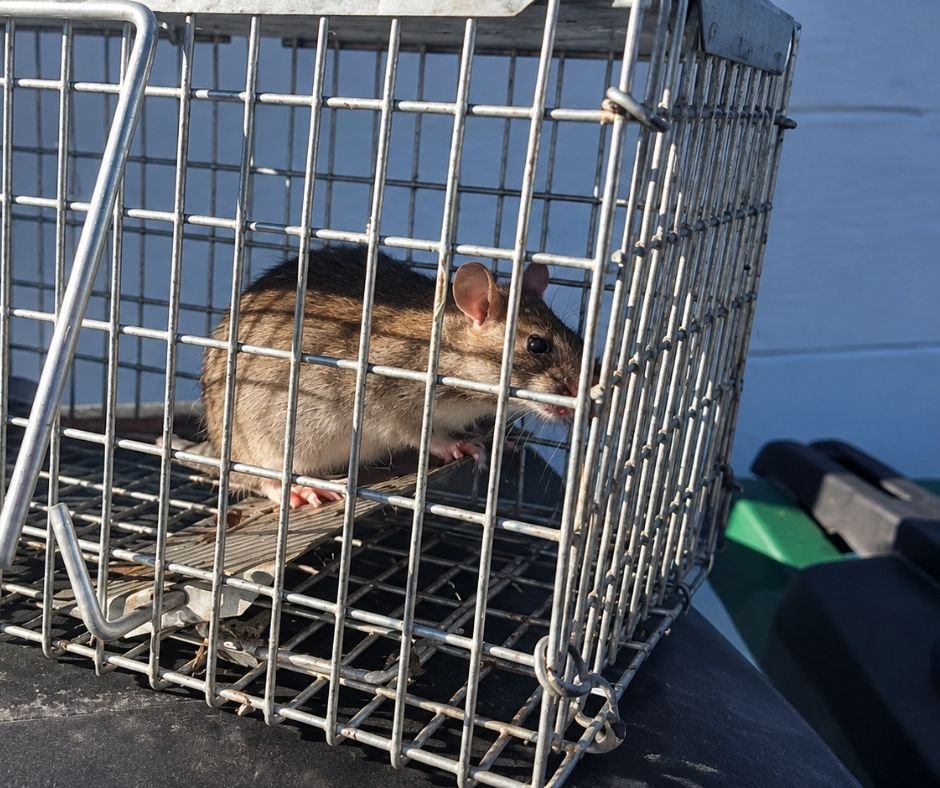 Rat caughtRat caught in a cage trap outside a Florida home
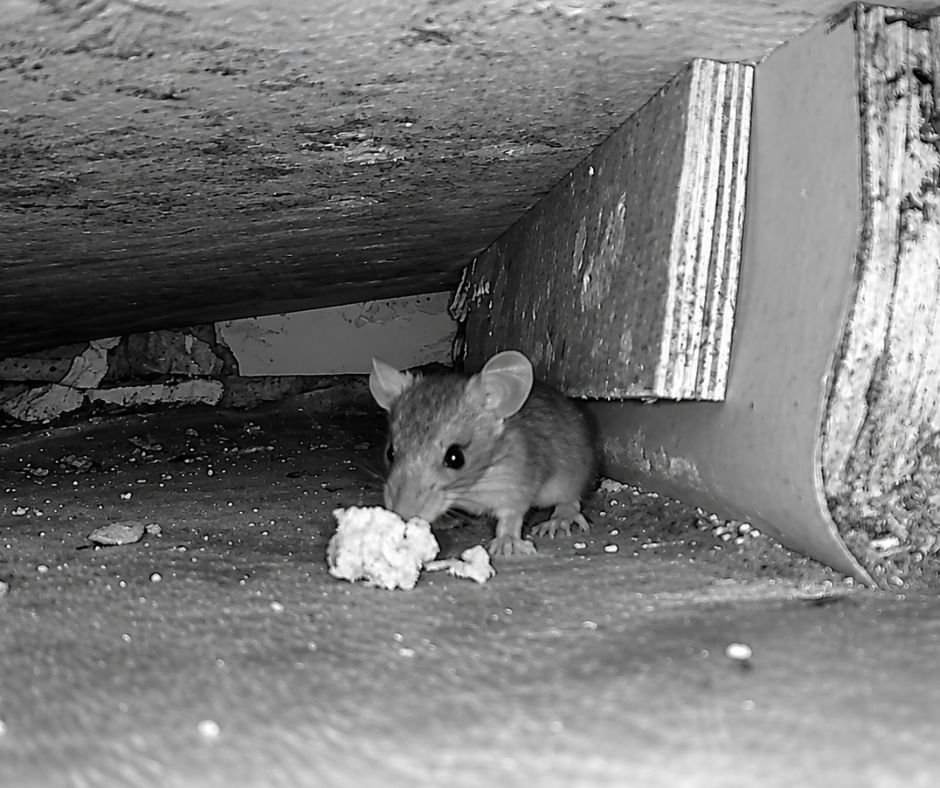 Food source foundMouse feeding on crumbs under a cabinet
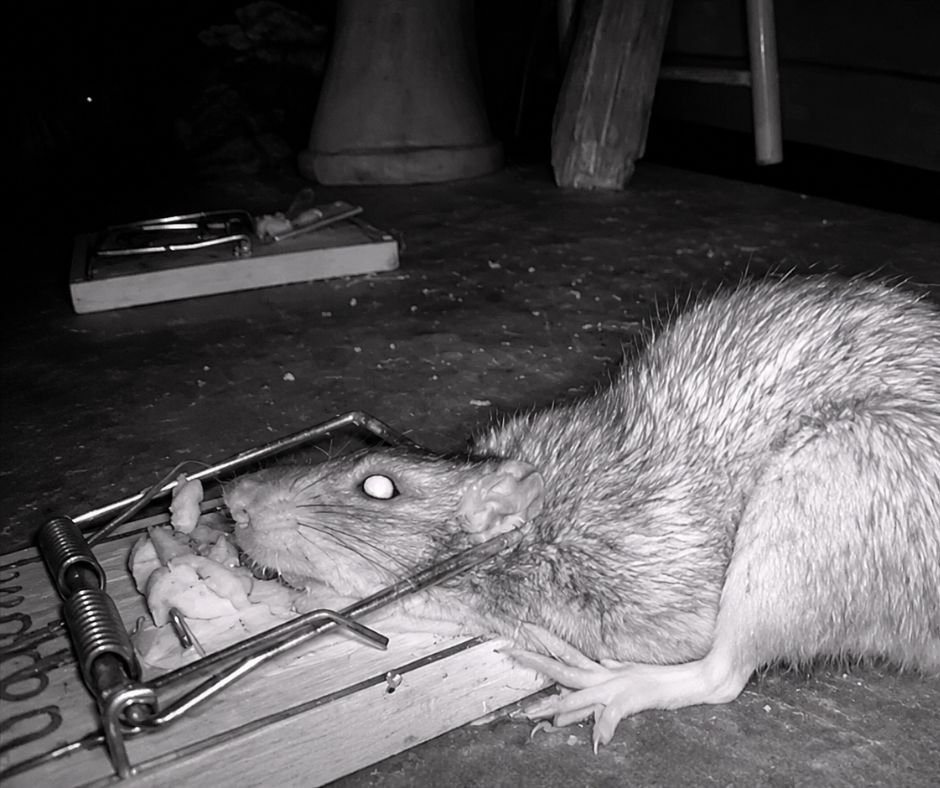 Trap cameraNight camera photo of a rat approaching a baited snap trap
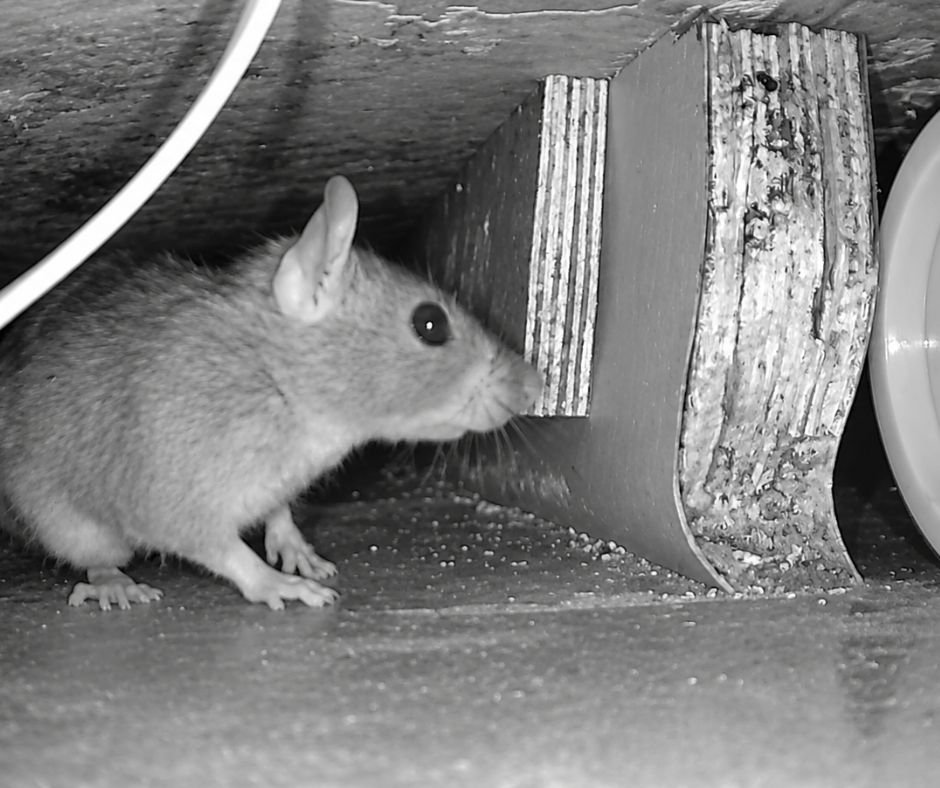 Kitchen inspectionMouse moving along a cabinet base
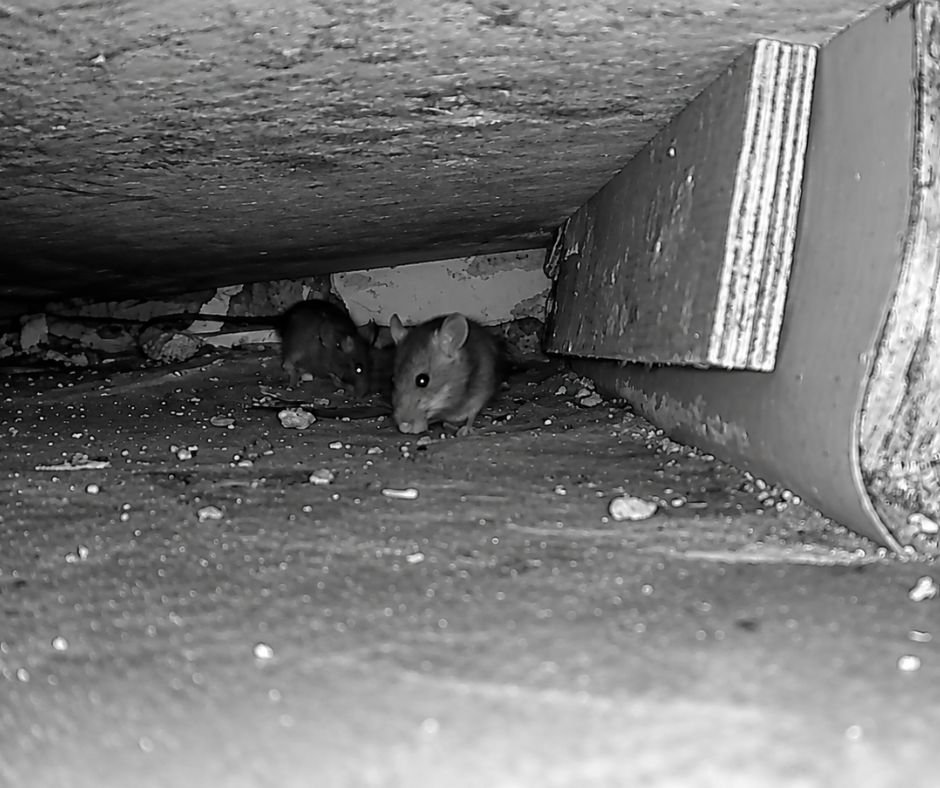 Kitchen inspectionTwo mice under a cabinet, a sign of active activity
Florida, 24 hours a day
Call any time and talk to a local rodent pro. We find how they get in, seal it, remove the ones inside and come back until the activity stops. Homes, rentals and businesses.