Your local Land O’ Lakes rodent control team

Rodent Control in Land O’ Lakes, FL

Rats and mice move into Land O’ Lakes homes through roofline gaps, garage doors and the same lake-adjacent yards that make this part of Pasco County popular. We inspect the property, seal the openings, trap what is already inside, and check back until the activity stops.

12 yearsIn businessServing Florida since 2014
24/7Emergency serviceNights, weekends, holidays
EPA & FDACSCertified teamFL Dept. of Agriculture

Rodent problem right now? Our team is taking calls in Land O’ Lakes.

Call (561) 562-7607
Why Land O’ Lakes

Why Land O’ Lakes Homes Keep Getting Rodents

Land O’ Lakes sits at the intersection of US 41 and State Road 54 in Pasco County, on land that was mostly cattle pasture and orange groves until the 1990s. It has since become one of the fastest-growing parts of the Tampa Bay area, and that fast growth is the main reason rodent calls here keep climbing.

New master-planned communities such as Bexley, Angeline, Connerton and Del Webb Bexley are still being built out, block by block, next to undeveloped scrub and wetland. Fresh construction disturbs the rodents already living in that land, and newly finished homes with unsealed utility penetrations and open garages give them an easy way in before the builder ever finishes the street.

Older, established neighborhoods have a different problem. Lake Padgett Estates, Oakstead, Concord Station and the lake-heavy subdivisions around Suncoast Lakes and Dupree Lakes back up to water and mature tree canopy, which roof rats and Norway rats use as a highway into attics, garages and sheds. With dozens of named lakes inside the city limits, most homes here are a short walk from standing water, and that keeps rodent pressure steady year-round rather than tied to one season.

Who we serve in Land O’ Lakes

Two very different jobs. One local crew.

For homes

Residential Rodent Control

Land O’ Lakes homes range from 1980s and 1990s single-family houses near Lake Padgett to brand-new builds still going up in Bexley, Angeline and Del Webb Bexley. Each type has its own weak points, and we inspect for both.

Full home inspection

Roofline, soffits, garage door seals and any gaps left from construction or storm repairs.

Trapping and removal

Traps placed where activity is highest, checked and reset on follow-up visits.

Entry point sealing

Sheet metal and hardware cloth on the openings rodents actually use, not foam or caulk alone.

Attic cleanup

Droppings and nesting material removed so the attic is safe again.

Get a home estimate →
For businesses

Commercial Rodent Control

Restaurants, retail plazas and offices along US 41 and State Road 54 need documented, ongoing rodent control to pass health inspections and keep customers.

  • Restaurants
  • Retail plazas
  • Medical offices
  • Warehouses
  • Property management
Scheduled visits

Routine checks timed around your business hours, not just a one-time call.

Inspection paperwork

Documentation you can show a health inspector or property manager.

Discuss a commercial contract →
Warning signs

Signs You Have Rodents in a Land O’ Lakes Home

Rodents move at night, so most homeowners here notice these clues before they ever see one. If you notice 2 or more, it is time for an inspection.

Running in the attic at night

Quick scratching or footsteps above the ceiling a few hours after dark, most often roof rats moving between the attic and tree cover.

Droppings in the garage or pantry

Dark pellets about 1/2 inch long point to rats. Tiny rod-shaped pellets about 1/8 inch point to mice.

Chewed wiring or irrigation lines

Rats gnaw on AC wiring, sprinkler lines and pool equipment cables, which is common in yards backing up to open land in newer Land O’ Lakes communities.

Gnawed fruit or bird feeders

Hollowed citrus or torn-open bird feeder bags in the yard are a common roof rat sign near the lakes and preserves around town.

A musty smell in closets or the attic

Urine and nesting material leave a sharp, stale odor that is often strongest near an interior wall or attic access panel.

Pets staring or scratching at one spot

Dogs and cats often notice rodent movement inside a wall or under an appliance well before a person does.

Know what you are dealing with

Rats and Mice We Remove in Land O’ Lakes

Three rodents cause almost every call we get from Land O’ Lakes homes and businesses. Knowing which one you have tells us where it nests, how it gets in, and how to stop it.

Roof Rat

Rattus rattus
Size
1/2 to 1 pound
Tail
Longer than its head and body
Nests
Attics, roof spaces, palm trees and thick shrubs
Droppings
Up to 1/2 inch, pointed ends

Norway Rat

Rattus norvegicus
Size
3/4 to 1 pound
Tail
About as long as its head and body
Nests
Burrows near lakeshores, sheds, woodpiles and slab edges
Droppings
About 3/4 inch, blunt ends

House Mouse

Mus musculus
Size
About 1/2 ounce
Tail
About as long as its body
Nests
Inside walls, cabinets, appliances and furniture
Droppings
About 1/8 inch, rod shaped

What Our Inspection Covers

Every job in Land O’ Lakes starts with a full inspection, inside and out. We look for how rodents get in, where they live, and what is feeding them.

  • Roofline, soffits, fascia gaps and roof vents
  • Attic insulation for nests, trails and droppings
  • Gaps around AC lines, pipes, cables and dryer vents
  • Garage door seals and exterior doors
  • Foundation, slab edges and any crawl space
  • Trees, vines and branches touching the roofline near lake and preserve lots
  • Food sources: garbage, pet food, bird seed and fallen fruit
  • Signs of activity: droppings, grease rub marks and gnawing

Our Exclusion-First Plan

Trapping alone does not fix the problem if the openings stay open. We close the way in first, then remove the rodents already inside.

  1. Find every entry pointA rat can fit through a 1/2 inch gap and a mouse through a 1/4 inch gap, so we check all openings that size.
  2. Seal with rodent-proof materialsSheet metal, 1/4 inch hardware cloth or concrete. Rodents chew through foam and plastic.
  3. Trap and removeTraps are set where activity is highest and checked on follow-up visits.
  4. Clean up and preventWe remove droppings and nesting material and show you what to change to keep rodents out.

Health Risks From Rodents

The CDC links rats and mice to several diseases. People can get sick from contact with droppings, urine or saliva, from bites, or from breathing dust from contaminated areas.

  • Leptospirosis
  • Salmonellosis
  • Rat-bite fever
  • Hantavirus
  • Do not sweep or vacuum droppings. It can put germs in the air.
  • Air out the area for 30 minutes and wear rubber or plastic gloves.
  • Spray with disinfectant or 1 part bleach to 9 parts water and let it soak 5 minutes.
  • Wipe up with paper towels and bag the waste in a covered trash can.

Source: CDC rodent control and cleanup guidance.

FDACS

Florida Licensing: What to Check

In Florida, pest control companies are licensed by the Florida Department of Agriculture and Consumer Services (FDACS) under Chapter 482, Florida Statutes. Rodent work falls under the General Household Pest and rodent control category.

  • Ask any company for its FDACS business license number before work starts
  • Look the license up on the FDACS website
  • Make sure the company carries liability insurance
  • Get the treatment plan and follow-up schedule in writing

Our team is EPA and FDACS certified. Call (561) 562-7607 with any questions.

Myths vs facts

Rodent Control Myths We Hear in Land O’ Lakes

A few ideas that cause more problems than they solve.

Myth

A cat or outdoor dog will keep rats out of the house.

Fact

Pets may catch the occasional mouse, but roof rats nest in the attic and rooflines pets cannot reach. Sealing entry points is what stops the population, not a pet.

Myth

If I do not hear noises, the rodents are gone.

Fact

Rats and mice are most active at night and can stay quiet for stretches. Droppings, gnaw marks and grease trails are more reliable than sound alone.

Myth

Store-bought bait stations solve an attic infestation.

Fact

Poisoned rodents often die inside walls or attics where you cannot reach them, which causes a lasting odor. Trapping and sealing the openings works better indoors.

Myth

New-construction homes do not get rodents.

Fact

New builds in growing areas like Bexley, Angeline and Connerton sit next to disturbed, undeveloped land. Unsealed utility penetrations on a brand-new house are just as easy for a rat to use as an old one.

Land O’ Lakes problem patterns

How We Handle Common Rodent Problems in Land O’ Lakes

Every property type here has its own way of letting rodents in. These are the three patterns we see most.

01

New-build communities near open land

Homes in Bexley, Angeline, Connerton and Del Webb Bexley are going up next to scrub, wetland and cleared lots. Construction disturbs the rodents already living on that land, and unfinished landscaping and open garages give them an easy first way in.

Our approach: We inspect utility penetrations, garage door seals and any gap around a foundation that has not fully settled, and seal them with metal and hardware cloth before trapping what is already inside.
02

Lakefront and canal-adjacent homes

Land O’ Lakes has dozens of named lakes, and neighborhoods like Lake Padgett Estates, Suncoast Lakes, Dupree Lakes and Twin Lakes sit right on the water. Norway rats den along shorelines and use mature tree cover to reach rooflines.

Our approach: We check the shoreline side of the property first, look for burrows near seawalls or bulkheads, and trim back the specific branches and vines rodents use to reach the roof.
03

Established homes from the 1980s and 1990s

Neighborhoods like Oakstead, Concord Station and Ballantrae were built as Land O’ Lakes grew from about 4,500 residents in 1980 to over 35,000 today. Older roof vents, weather stripping and soffit screens on these homes wear out over time.

Our approach: We inspect aging roof and soffit vents first, replace worn screening with hardware cloth, and set traps in the attic before doing a full cleanup of droppings and nesting material.
Land O’ Lakes through the year

How Seasons Affect Rodent Control in Land O’ Lakes

Florida’s rainy season and hurricane season both push rodent activity toward homes here, not just the heat.

Spring (March to May)

Rodents breed heavily in spring, and the dry season pushes them toward yards and homes near lakes for water.

Tip: Schedule a preventive inspection before the rainy season starts in June.

Summer (June to September)

Florida’s rainy season and hurricane season both run through this stretch. Heavy rain floods burrows near lakes and canals, and rodents move to higher, drier ground, often a nearby attic.

Tip: Have your roofline checked after any tropical storm, especially if soffits or vents were damaged.

Fall (October to November)

The tail end of hurricane season can still bring storms that open new gaps in roofs and soffits, right as rodents look for a dry place to nest.

Tip: If your home had storm repairs, have the roofline checked for gaps before winter.

Winter (December to February)

Florida winters are mild, but cooler nights still push rodents indoors looking for warmth, especially into attics and garages.

Tip: Keep an eye out for activity and call us at the first sign rather than waiting for spring.

We know the area

Landmarks and Points of Interest in Land O’ Lakes

We use these local landmarks to navigate quickly and to explain where a job is when we talk to you on the phone.

Dupree Gardens

The former roadside tourist attraction on US 41 is one of the oldest landmarks in the area and a reference point homeowners nearby still use.

Conner Preserve

This natural area borders several newer neighborhoods and is a reminder that wildlife, including rodents, is never far from the fence line.

Cypress Creek Preserve

Another large protected natural area near town that keeps a steady population of wildlife close to the homes that border it.

Hearing Something in the Attic Right Now?

  • Do not put out store-bought poison in the attic. A rodent that dies inside a wall causes a smell that lasts for weeks.
  • Keep pets and kids away from any droppings until they are cleaned up properly.
  • Note where you are hearing or seeing activity. That tells us where to start the inspection.
  • Call before sealing anything yourself. Closing the wrong gap can trap a rodent inside.
Call (561) 562-7607 now →
Primary Land O’ Lakes response zone
Land O’ Lakes service coverage

Is your ZIP on the route?

These are our most frequently served ZIP codes. Nearby areas may also qualify. Call if you do not see yours.

34638346393463733559
Popular neighborhoods

Ballantrae · Oakstead · Bexley · Concord Station · Lake Padgett Estates · Connerton · Wilderness Lake Preserve

Check my address →
Land O’ Lakes rodent control FAQ

FAQs About Rodent Control in Land O’ Lakes

A real dispatcher is available if your question is not answered here.

Call (561) 562-7607 →

Most homes need a first visit for the inspection and sealing, then follow-up visits over the next few weeks to check traps. The exact number depends on how many rodents are inside and how many entry points the home has. We tell you what to expect after the first inspection.

These communities are still being built next to undisturbed scrub and wetland. Grading and construction push rodents already living on that land toward finished homes, and utility penetrations or garage seals are not always fully closed until the builder finishes the street.

We do not recommend it. Poisoned rats often die inside walls or ceilings where you cannot reach them, which causes a strong smell. Trapping indoors and sealing the openings works better.

Rats are usually active at night, while squirrels are active in the daytime. Rat droppings are about 1/2 inch long. If you are not sure, an inspection will tell us which animal it is.

Often, yes. Heavy summer rain floods burrows near lakes and low-lying yards, and storm winds can open new gaps in soffits and roofs. If your home had storm repairs, it is worth having the roofline checked.

The CDC advises not to sweep or vacuum droppings. Air out the area, wear gloves, spray the droppings with disinfectant or a bleach solution, let it soak for 5 minutes, then wipe up with paper towels. For attics or large amounts, call us.

Pest control businesses in Florida are licensed by the Florida Department of Agriculture and Consumer Services (FDACS). You can look up a license on the FDACS website before you hire anyone.

Yes. We also serve Lutz, Cheval, Wesley Chapel and Northdale. Call (561) 562-7607 to check your address.

Certified team

Trust and Compliance in Land O’ Lakes

Certifications

EPA Certified
U.S. Environmental Protection Agency
FDACS Certified
Florida Department of Agriculture and Consumer Services

Service in Land O’ Lakes

Available 24/7
Call (561) 562-7607
Follow-up visits
We check back until rodent activity stops
Florida homes with palm trees
Land O’ Lakes dispatch is ready

Get Rodents Out of Your Land O’ Lakes Home

Call now for a free quote. We inspect, seal the entry points and follow up until the activity stops.

Request Land O’ Lakes service

Give us a call. We’ll handle the next step.

Call us, tell us what you are seeing and where you are located, and our team will confirm the right appointment type and timing.

Land O’ Lakes service hubLand O’ Lakes, Florida(561) 562-7607Open 24 hours · 7 days a week
Our work

Real Photos From Our Rodent Jobs

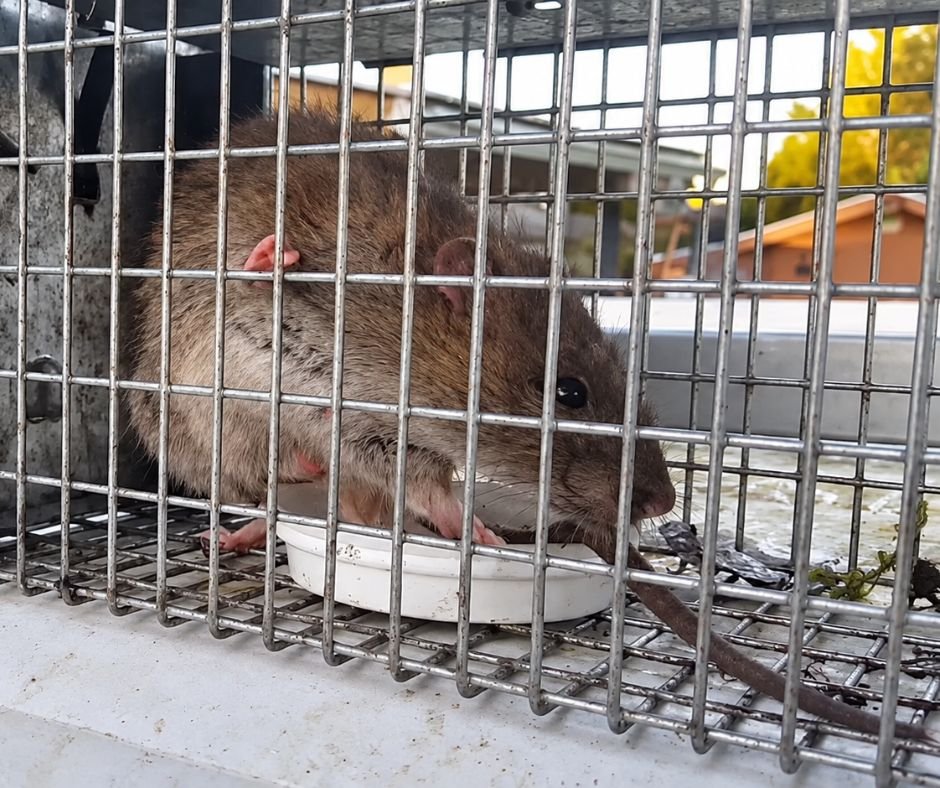
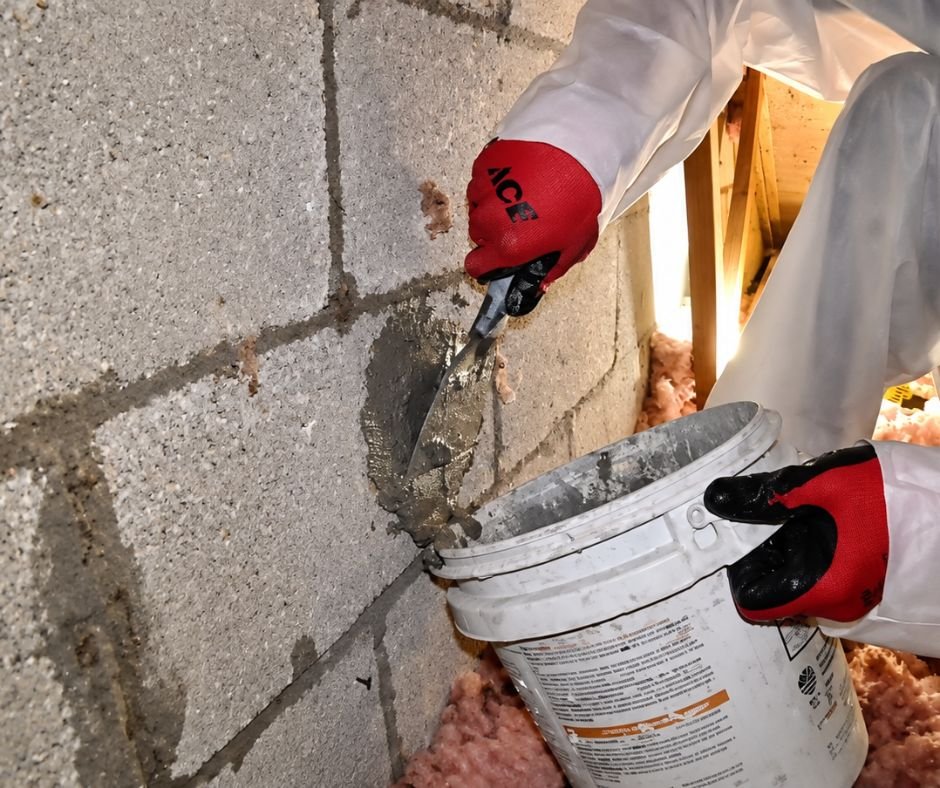
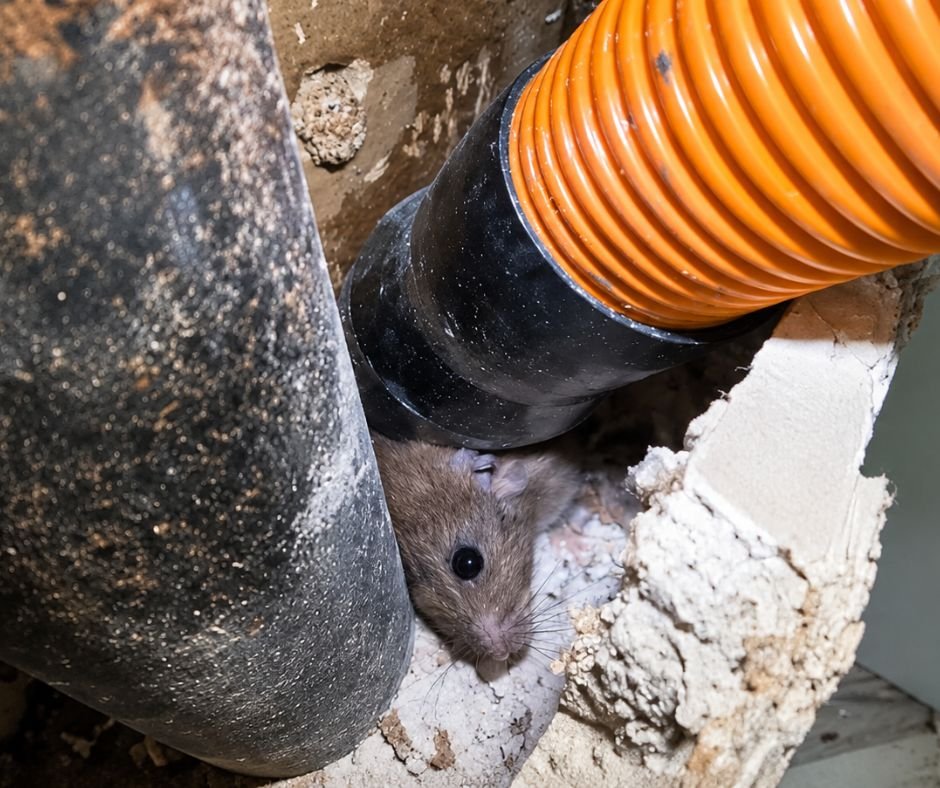
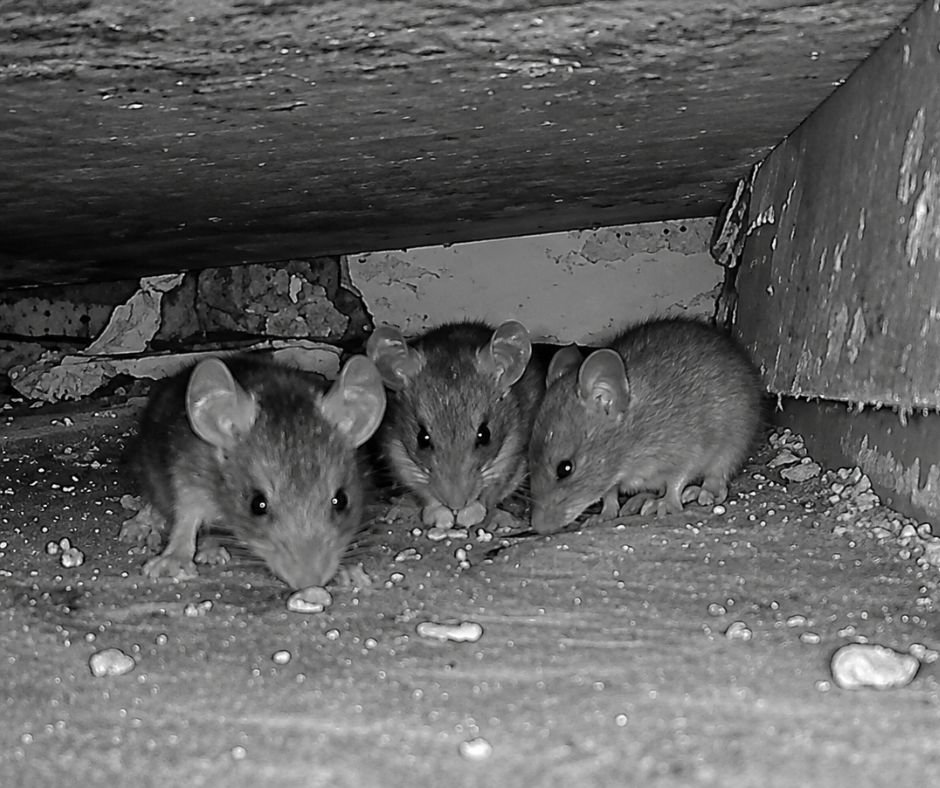
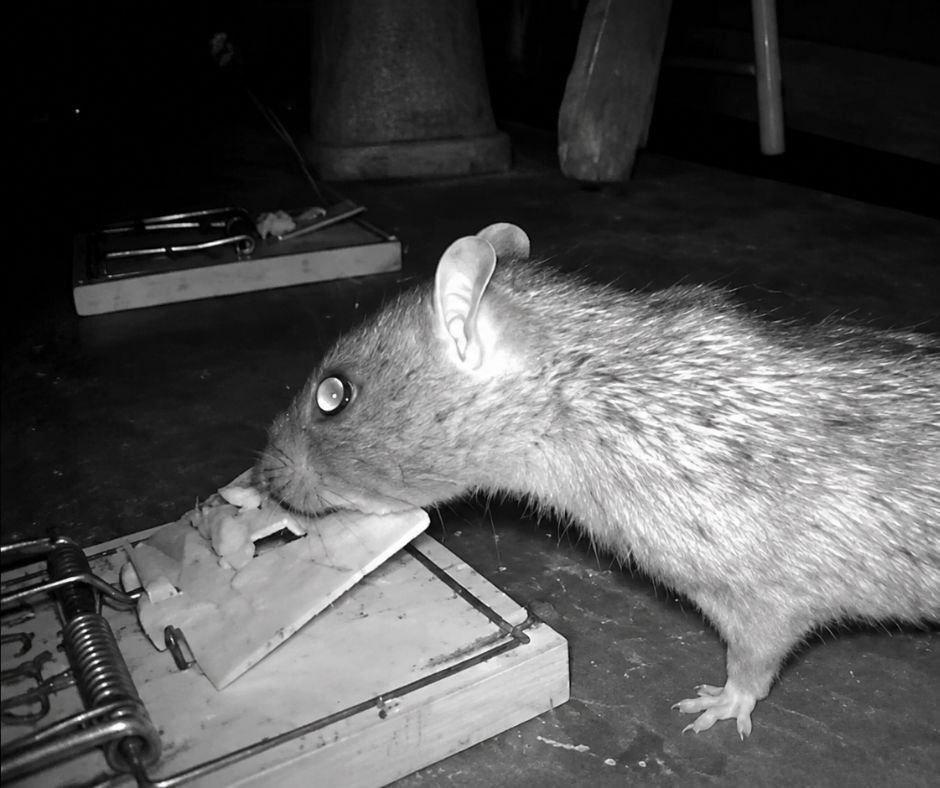
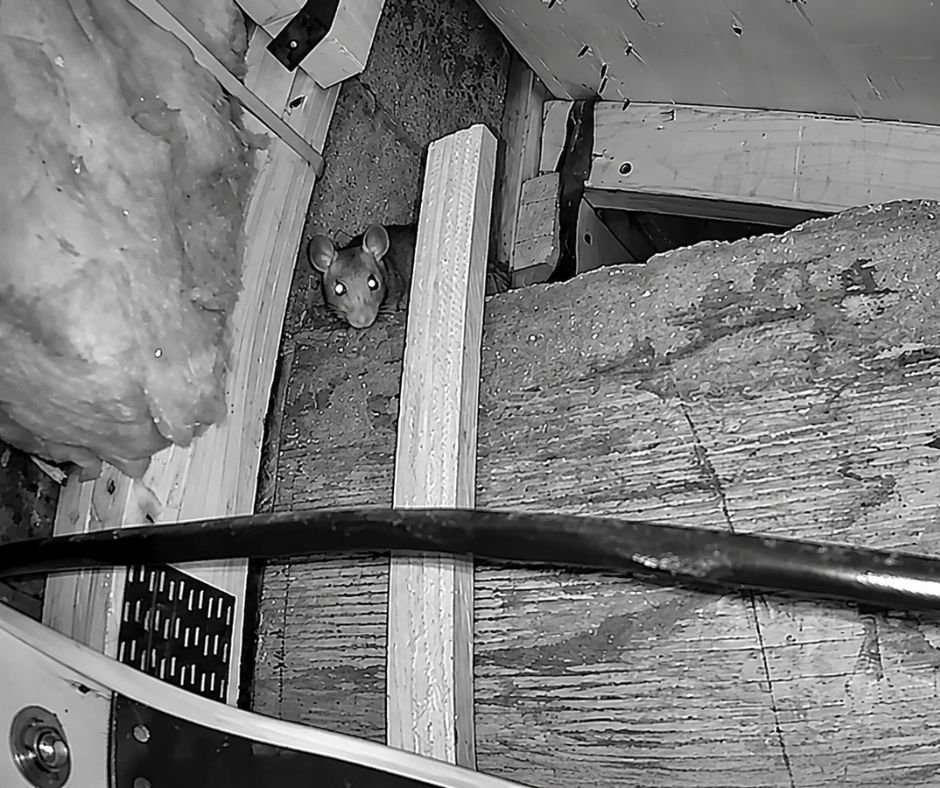
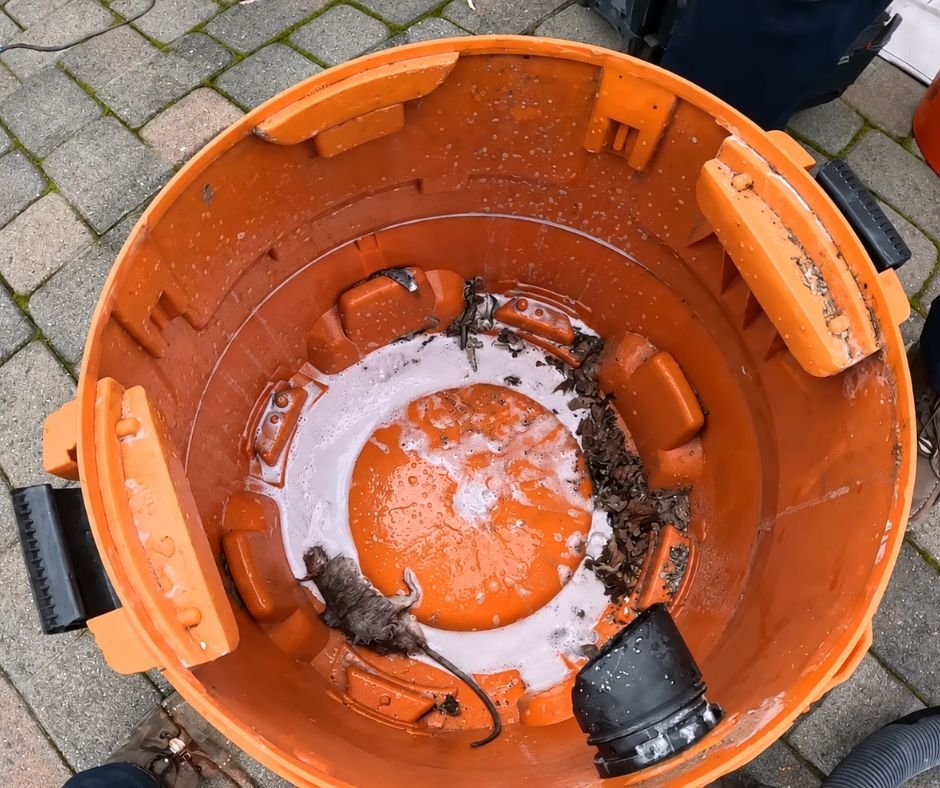
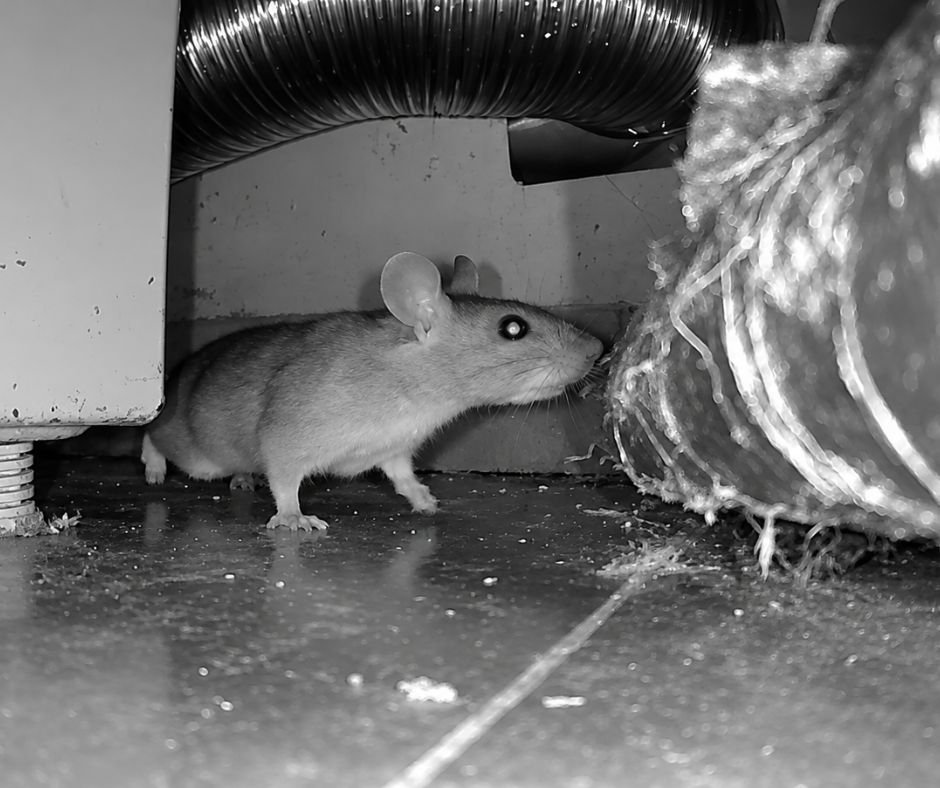
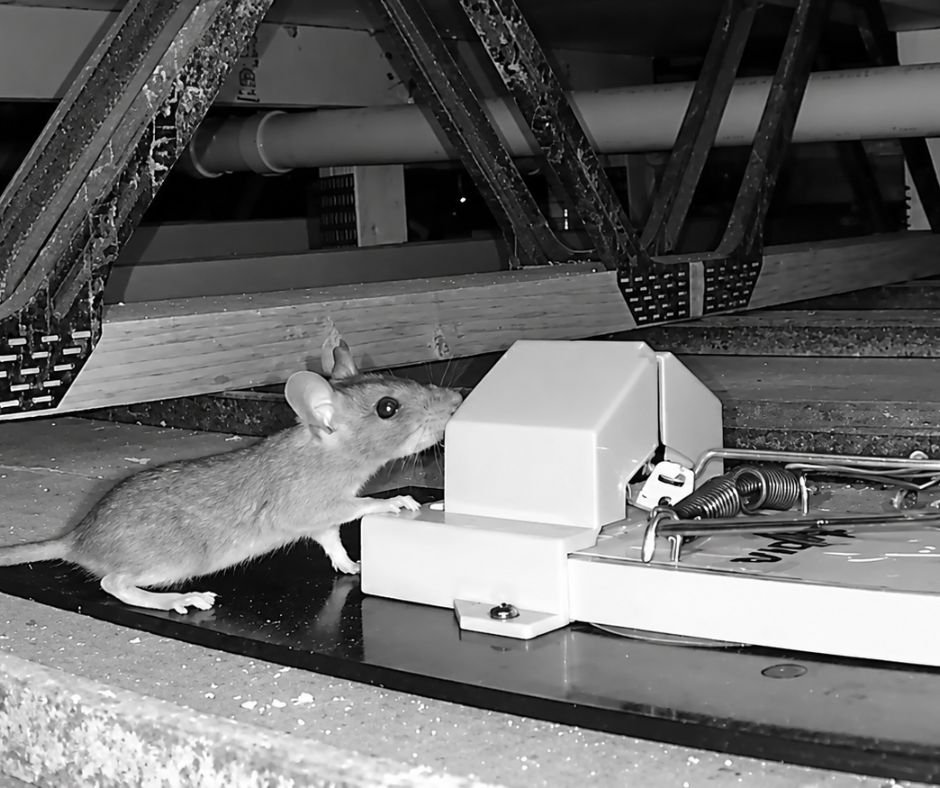
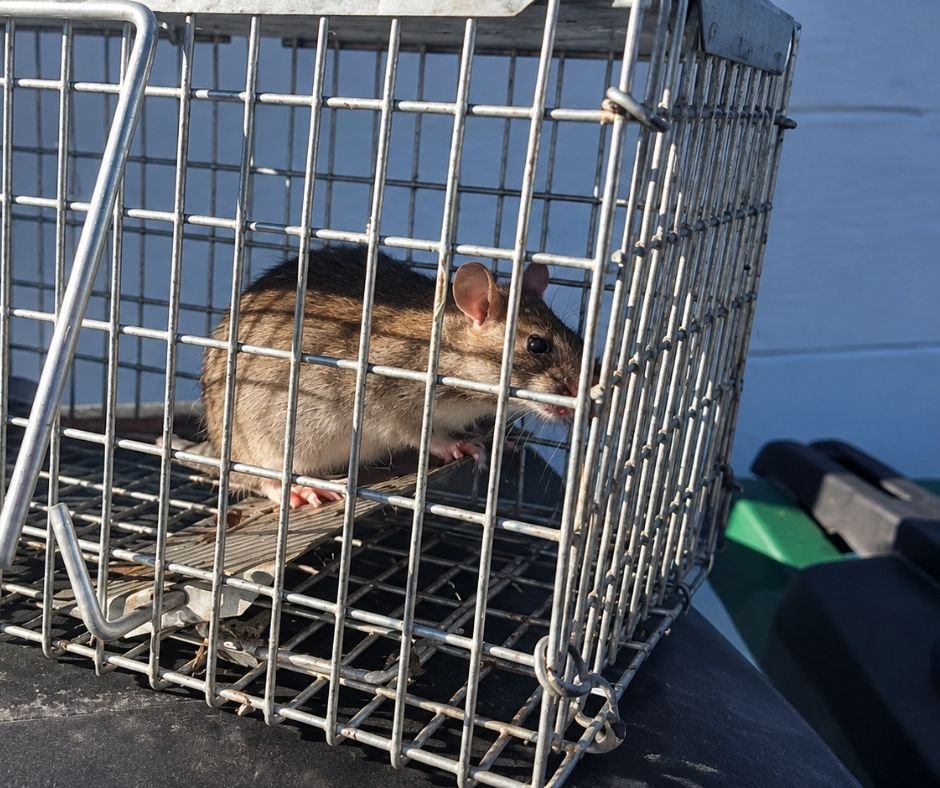
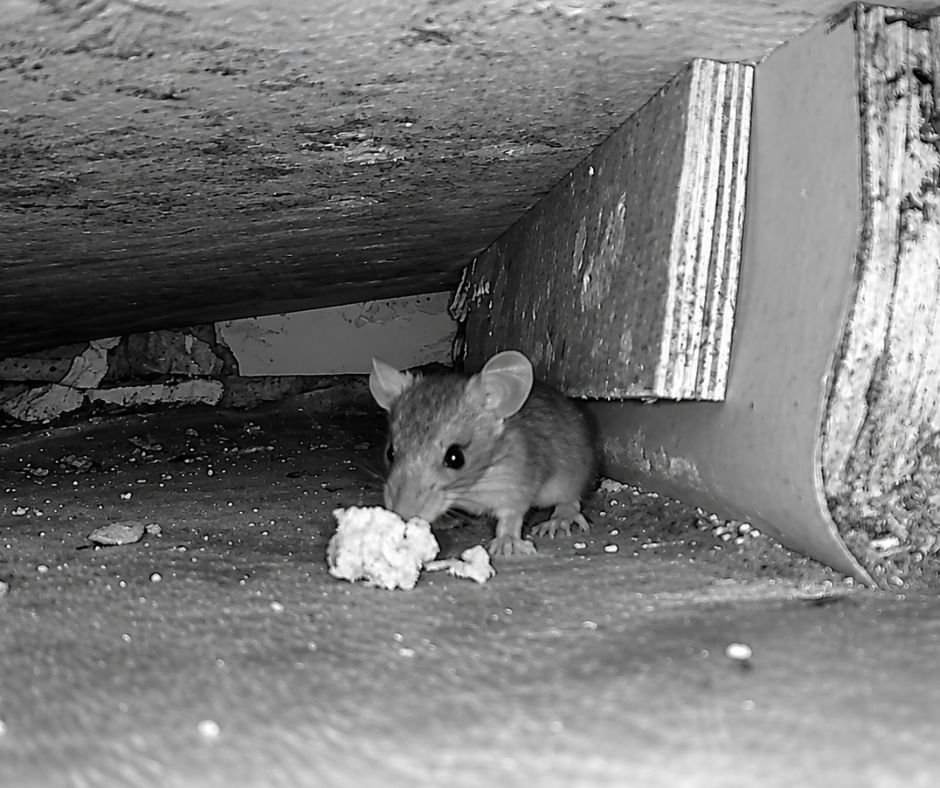
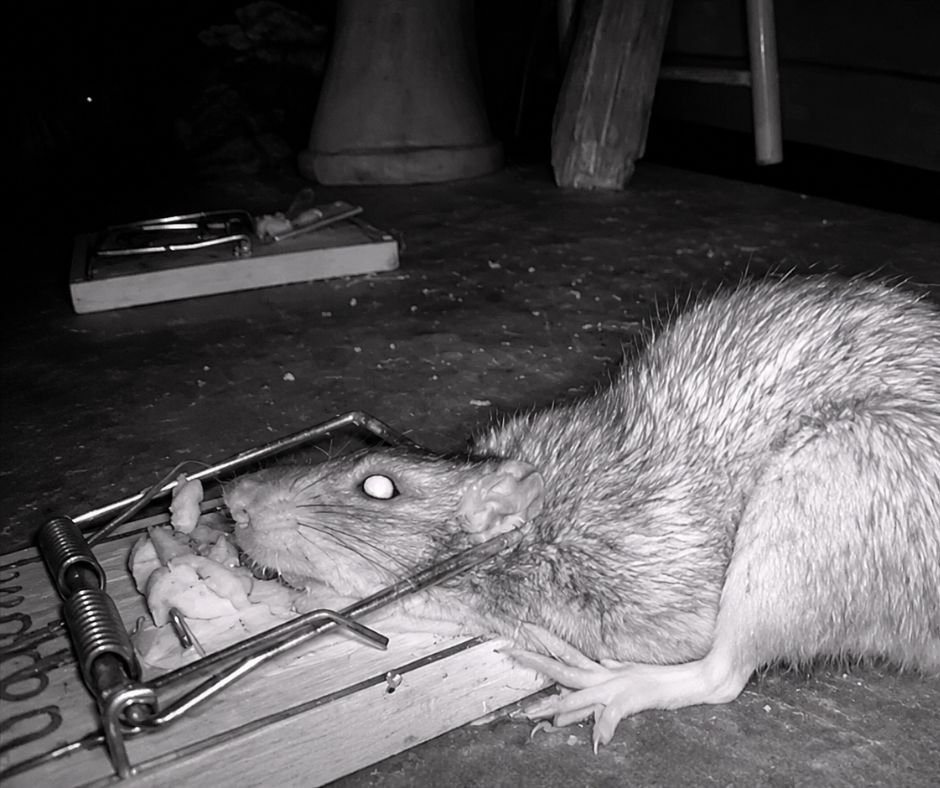
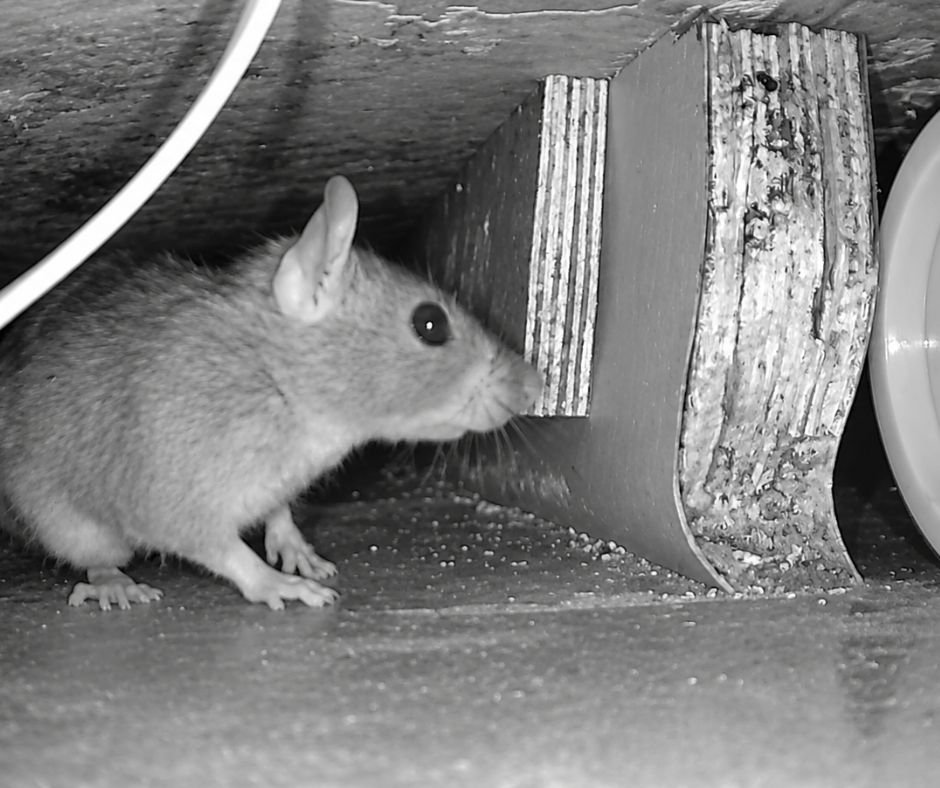
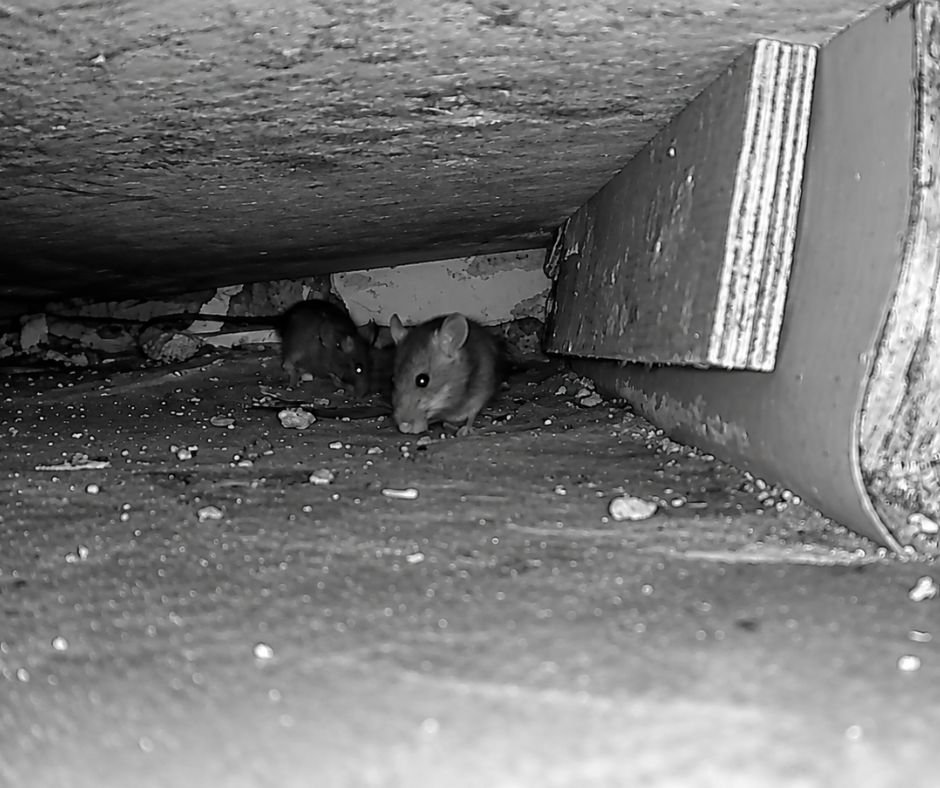
These pictures come from our own inspection cameras and job sites: rats caught in traps, mice under cabinets, the entry points we find, and the sealing work that keeps them out.

Book an inspection →
Rodent problem? Call now, 24/7(561) 562-7607