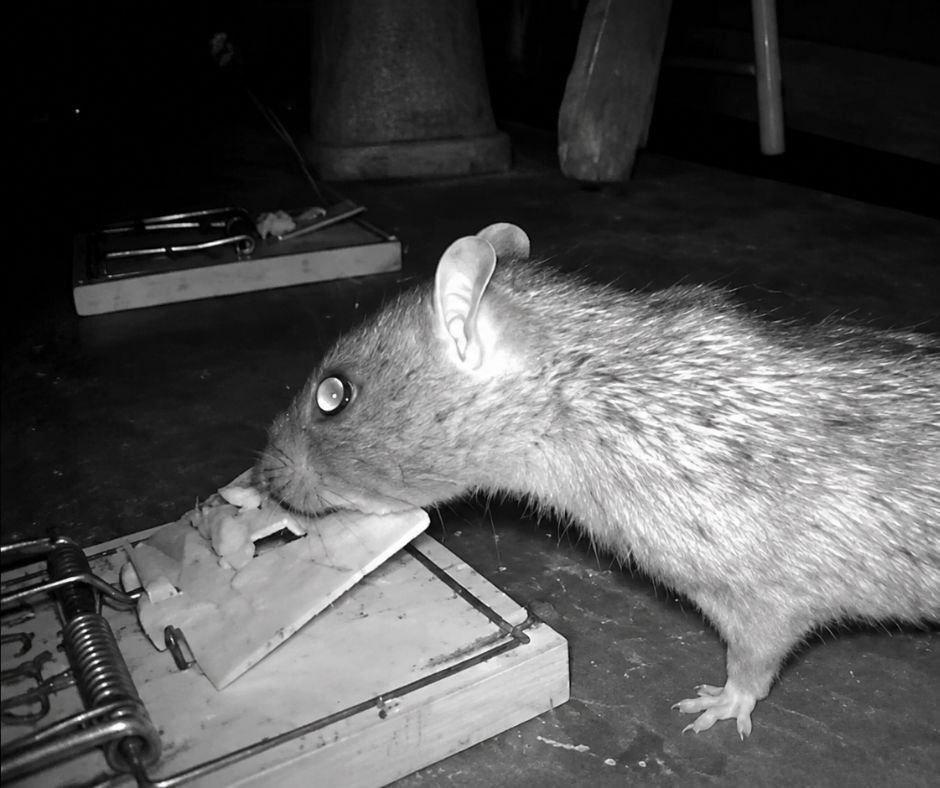
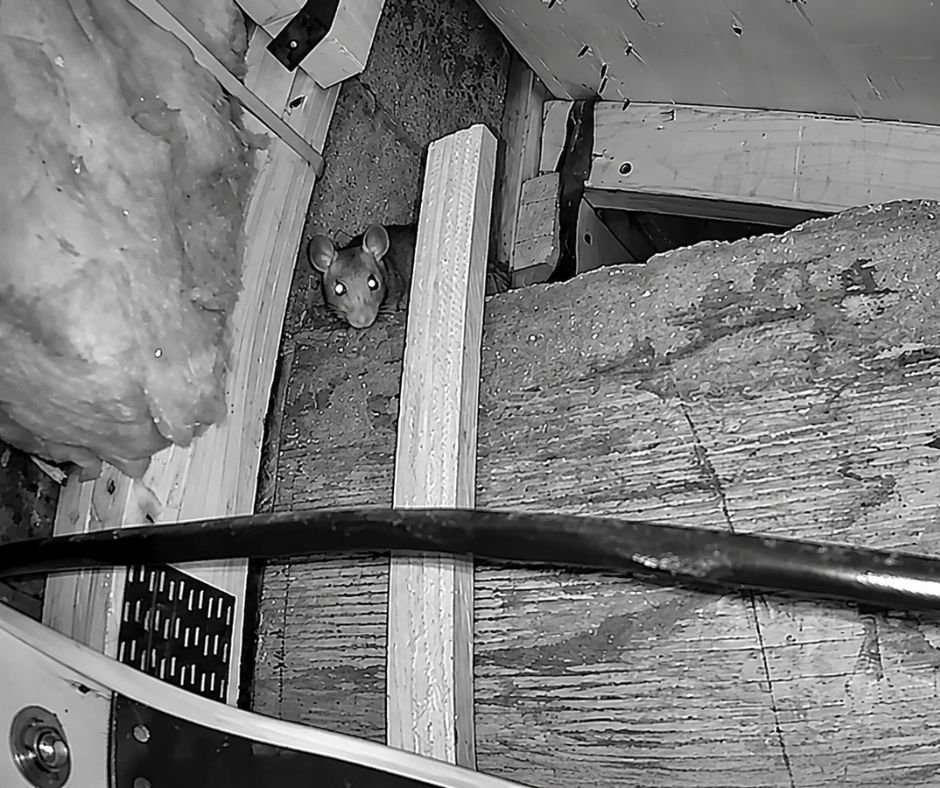
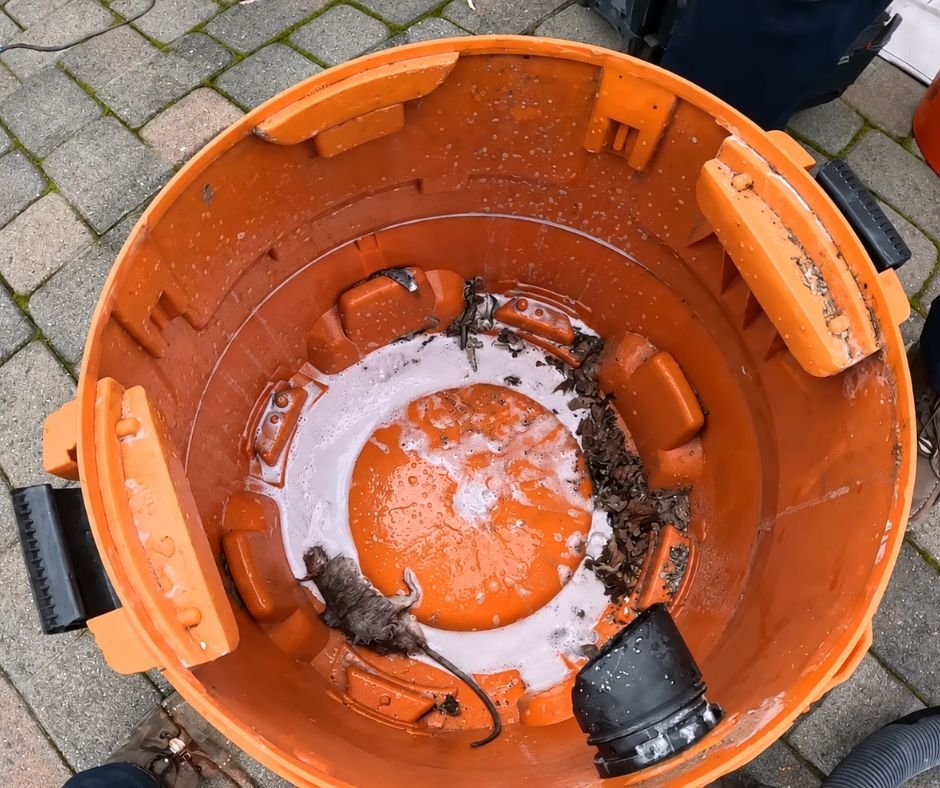
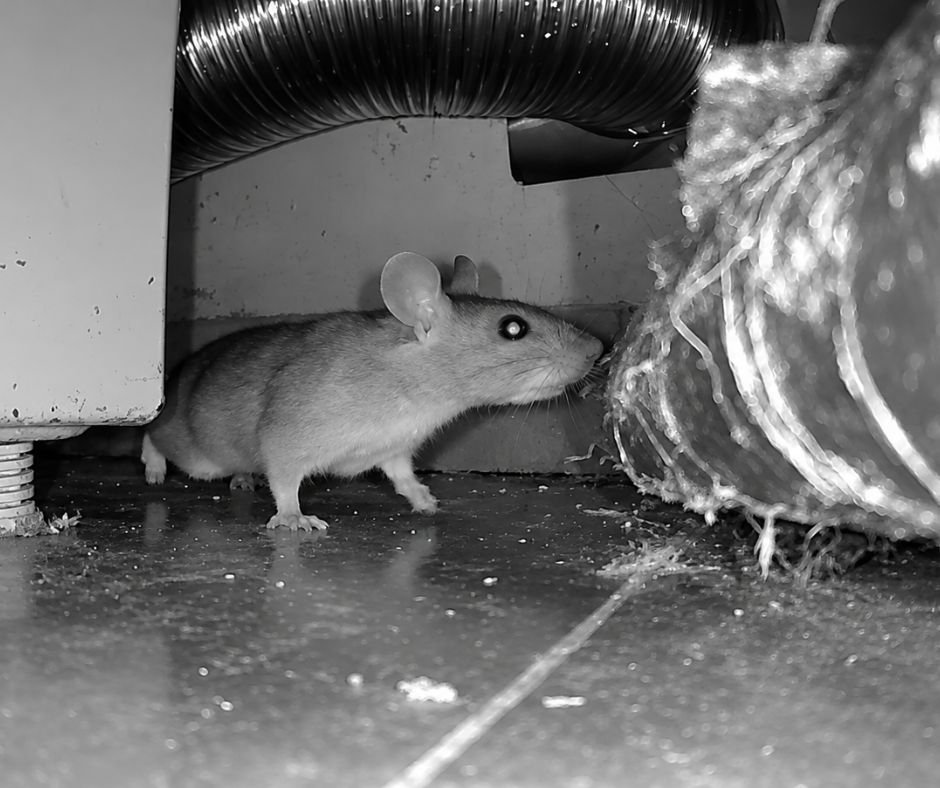
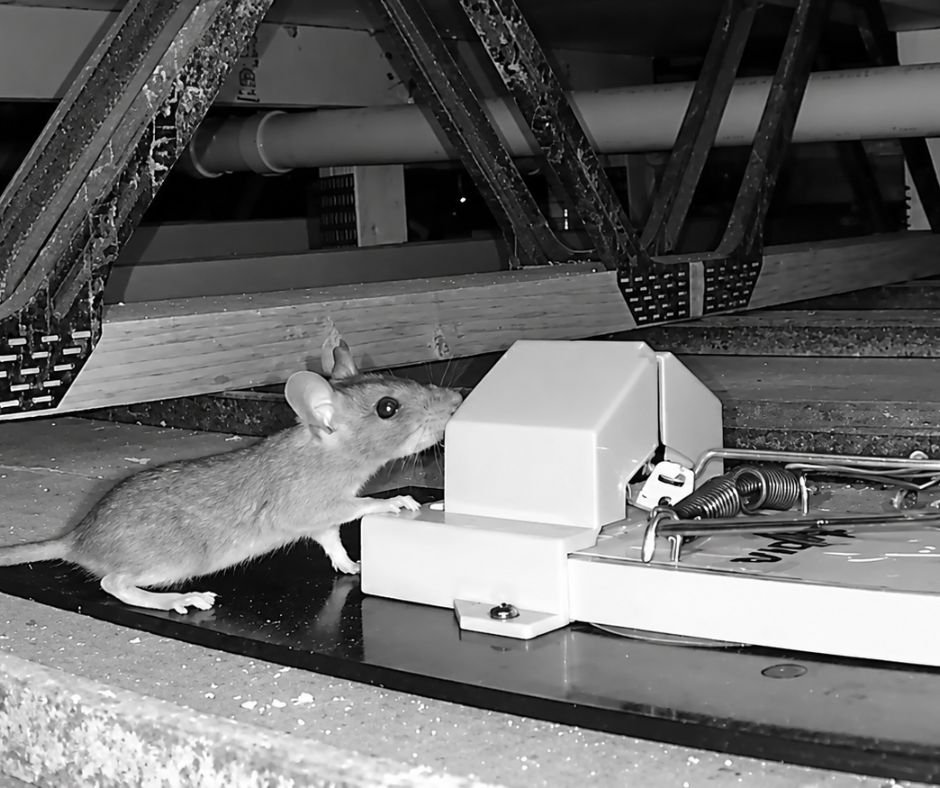
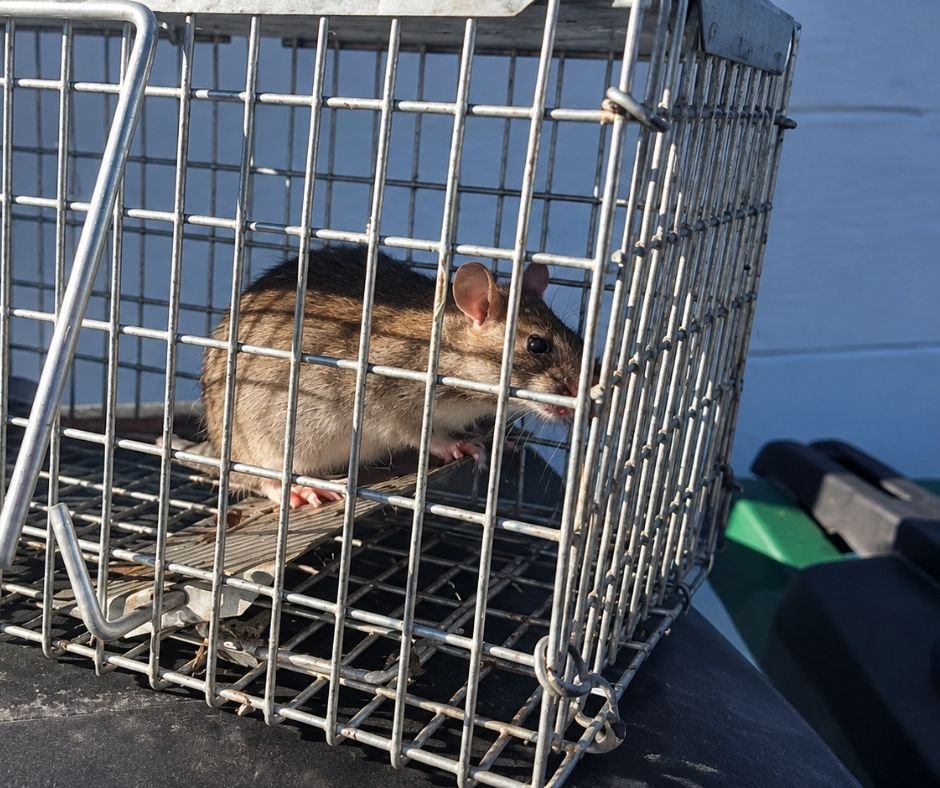
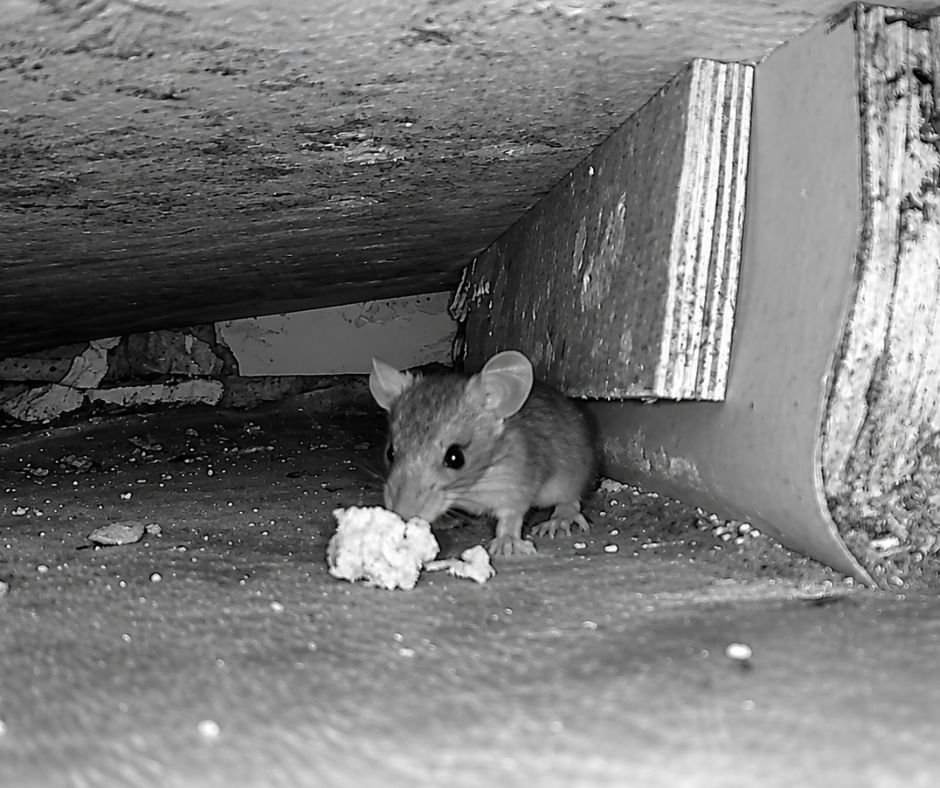
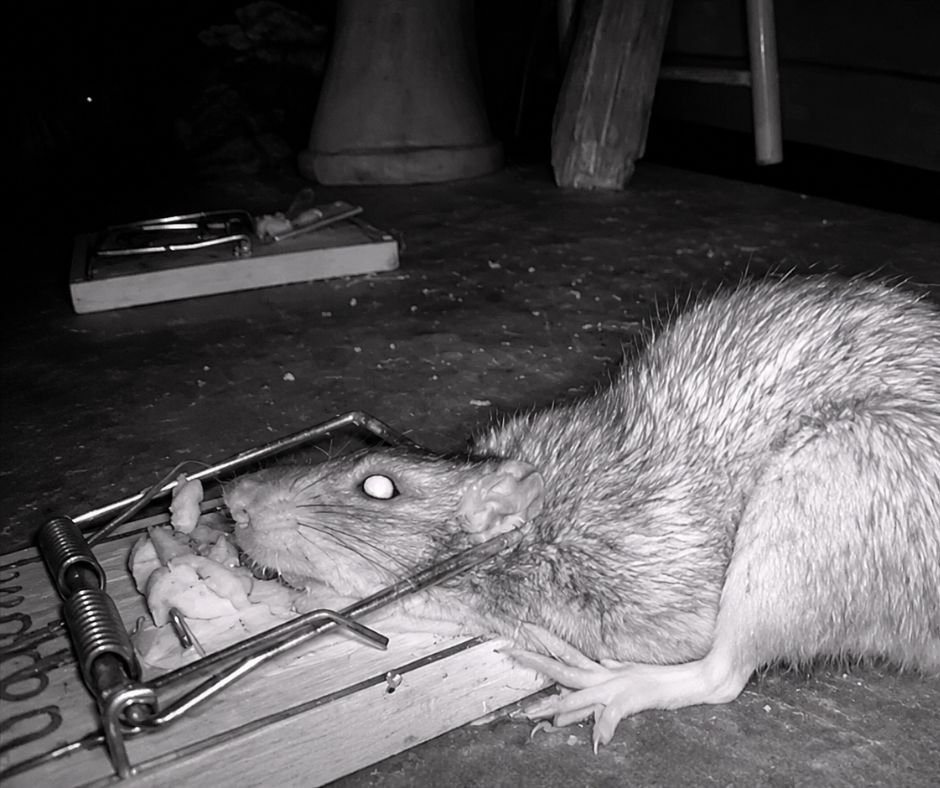
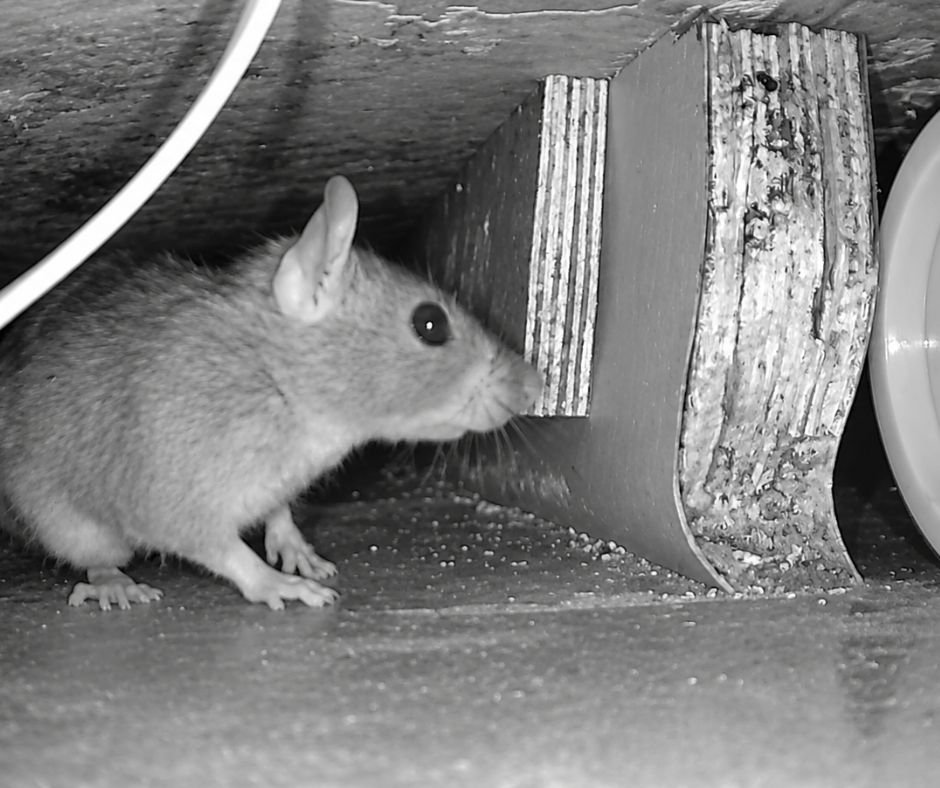
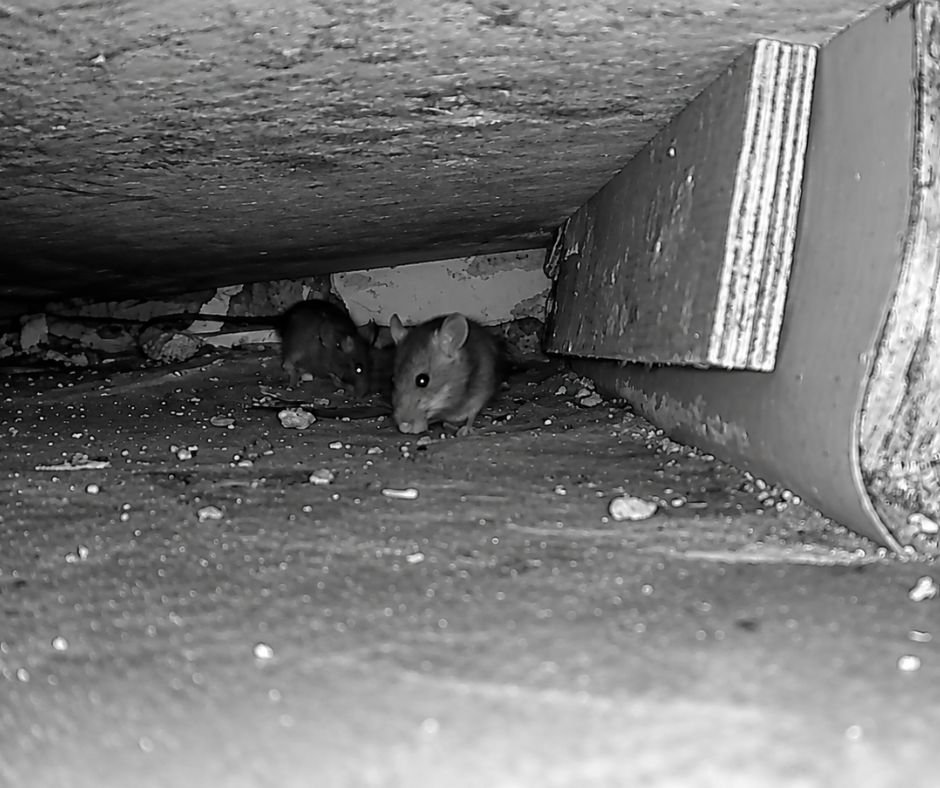
Often both. Mice inside your unit are usually yours to deal with, but they often come through shared walls, pipe chases and trash rooms that the association controls. Check your condo documents and tell the manager. We can give you a written list of what we find to share with the board.
Margate, Broward County
Rodent Control and Mouse Removal in Margate, FL
Margate grew fast in the 1960s and 1970s, and many of those homes and condo buildings now have the worn vents, tired seals and shared walls that rats and mice love. We find how they are getting in, close it with metal, trap what is inside and come back to make sure it worked.
The gateway city
Why a 1960s Boom Town Has Rodent Problems Today
Margate got its name from its founder, Jack Marqusee. The city took the first 3 letters of his last name and the first 4 letters of “gateway,” because it was seen as the gateway to western Broward County. It became a town in 1955, when much of the land was still farm fields and Everglades edge, and it became a city in 1961.
Then the houses came. Margate had about 2,600 people in 1960, about 8,900 in 1970 and about 35,900 by 1980. That means a large share of the homes and condo buildings you see on streets off State Road 7, Atlantic Boulevard and Royal Palm Boulevard are now 45 to 60 years old. The city has kept adding parks and amenities since, like the renovated Calypso Cove water playground at 6200 Royal Palm Boulevard, which reopened in 2025, but the housing stock is mostly from the boom years.
Age matters for rodent control in Margate. Screens on old gable and soffit vents rust out. Wood fascia boards soften. Gaps open where decades of AC swaps, cable lines and plumbing repairs went through the walls. A roof rat needs a gap of only about 1/2 inch. A house mouse needs about 1/4 inch.
Older home does not mean dirty home. It just means more small openings, and that is what we fix.
Margate at a glance
- County
- Broward, about 7.5 miles inland from the Atlantic
- Population
- 58,712 (2020 census)
- Housing units
- 25,985 in 2020
- Founded
- Town in 1955, city on June 22, 1961
- Main waterway
- Cypress Creek Canal (C-14)
- ZIP codes
- 33063 and 33068
- Rodents we see most
- Roof rats, house mice, Norway rats
Source: Wikipedia, Margate, Florida (2020 census and history). Gap sizes: UF/IFAS EDIS ENY-224.
Two kinds of Margate homes
Single-Family House vs. Condo: Where the Rodents Come From
Margate is a mix of block single-family homes on small lots and low-rise condo and villa communities, many around golf courses like the Oriole Golf and Tennis Club area. The problem looks different in each one, so the fix does too.
Single-family
Rats come down from the roof
In a 1960s or 1970s house, roof rats (Rattus rattus) usually climb a palm, a mango or oak limb, or the power line, then slip in at the roofline. We see them most often at:
- Rusted or torn soffit and gable vent screens
- Soft or split wood fascia at the corners
- Gaps where an addition or carport roof meets the old roof
- Open plumbing stacks and roof vents
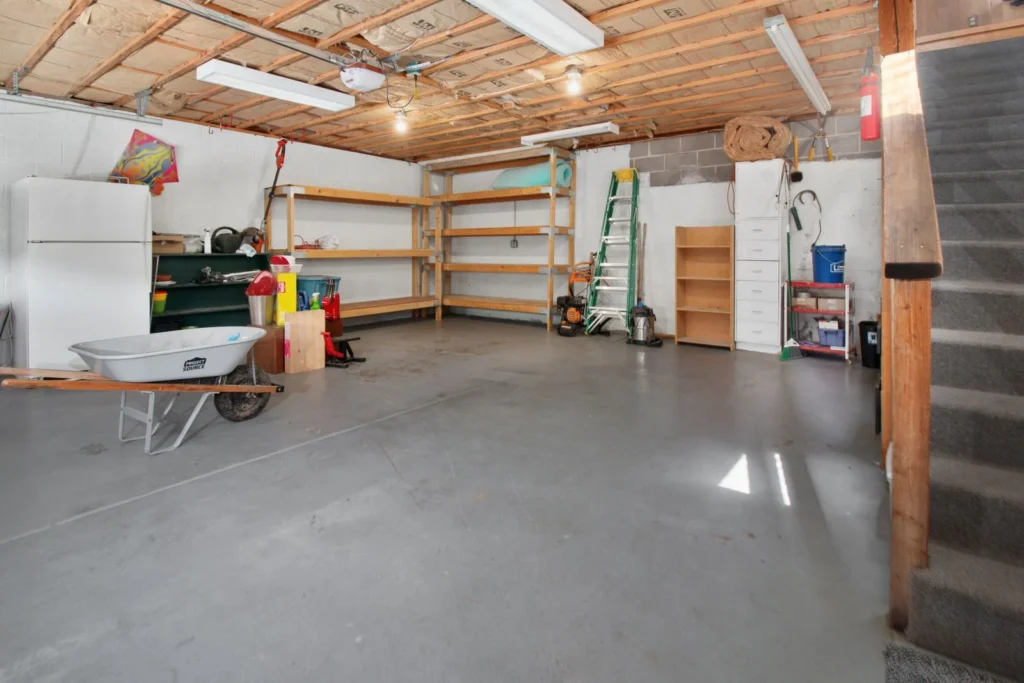
- Garage door corners and worn bottom seals
Condo and villa
Mice move through the building
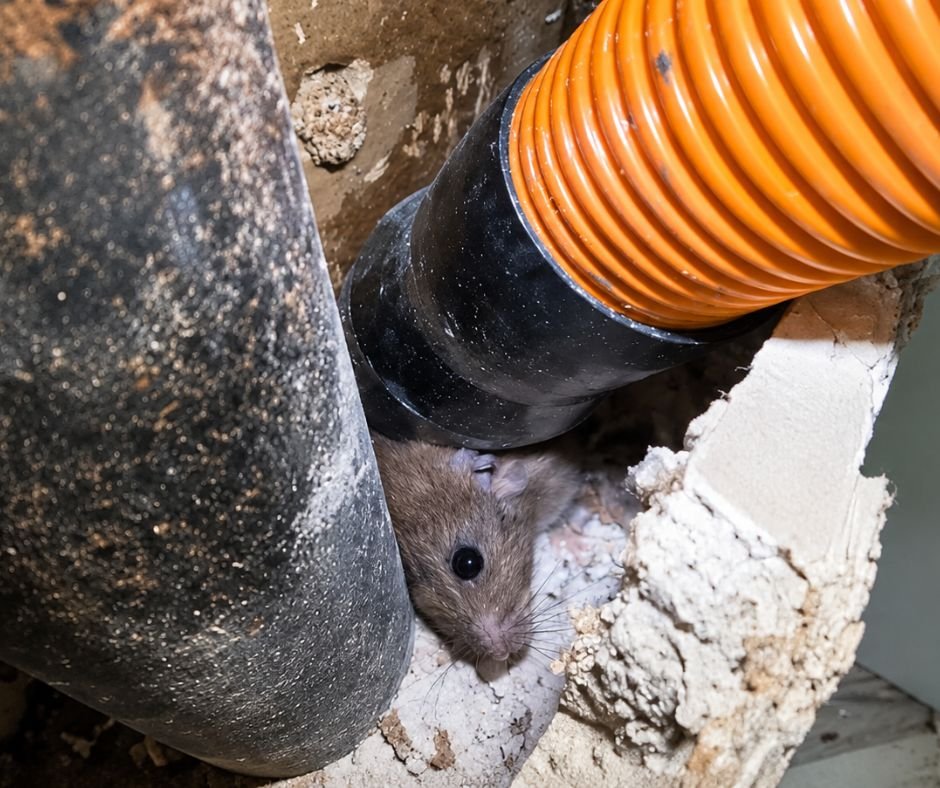
In a shared building, house mice (Mus musculus) and sometimes roof rats travel through the wall cavities, ceiling spaces and pipe chases that connect units. Sealing only your unit helps, but the source is often a shared space. We look at:
- Gaps under sinks and behind the stove and dishwasher
- Holes where pipes and AC lines pass between units
- Electrical and water heater closets
- Trash rooms and dumpster enclosures
- Breezeway doors and ground-floor screen rooms
If you live in a condo or villa, talk to your association too. Common walls, roofs and grounds are usually the association’s job, while the inside of your unit is yours. We can write up what we find so you can share it with the board or the manager.
Life along the C-14
The Cypress Creek Canal and Margate’s Ground Rats
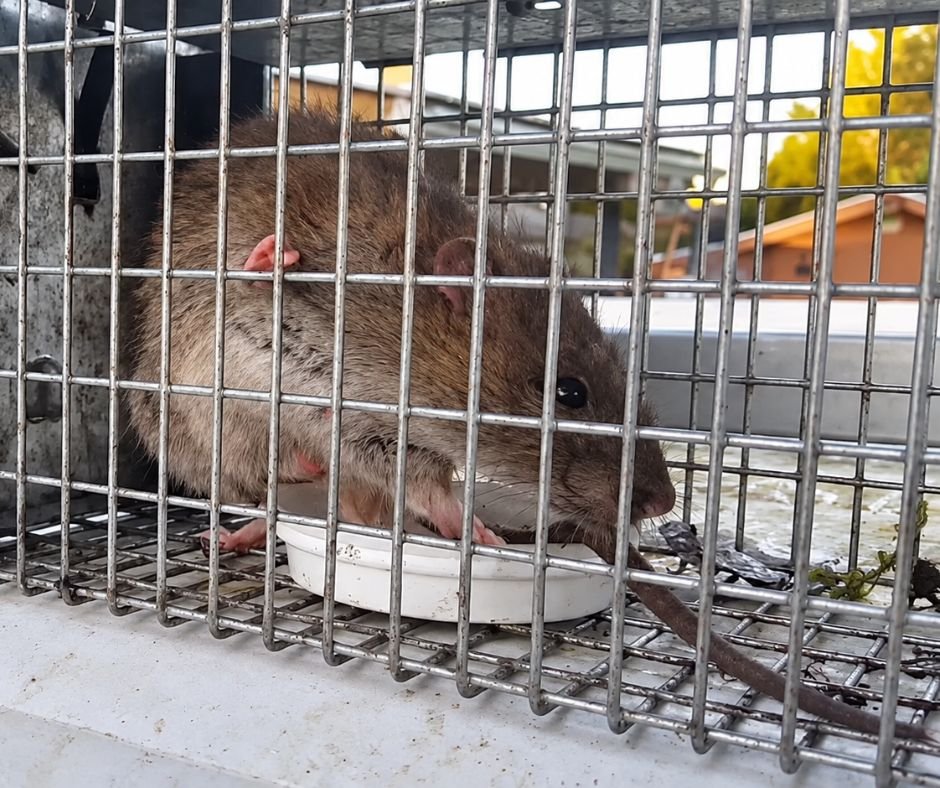
The Cypress Creek Canal, known as the C-14 runs through Margate. The city’s public boat ramp, the Margate Marina at Veterans Memorial Park on NW 1st Street, sits right on it. Water, soft banks and thick plants make canal edges a good place for Norway rats (Rattus norvegicus), the heavier rats that dig instead of climb.
C-14
The canal
A South Florida drainage canal shared by Margate, Coral Springs and Tamarac, each with a public ramp on it.
150yd
Travel range
Rats will travel up to about 150 yards from the nest for food and water, so a canal lot is not the only one at risk.
1/2in
Rat gap
A gap about the size of a thumb is enough for a young rat to squeeze under a slab, shed or door.
4-6
Spots to check
Seawall or bank edge, shed floors, slab cracks, dense ground cover, woodpiles and the base of the AC pad.
Bank
Burrows near the water
Round holes about 2 to 4 inches wide in the bank, under bushes or along a fence line, often with a smooth, packed path between them.
Yard
Food left outside
Fish scraps, pet bowls left out at night, bird seed under feeders and fallen fruit pull canal rats up into the yard.
House
Under the slab
Norway rats dig beside footings and under patio slabs, then find the gap at the garage, the dryer vent or a plumbing line.
Sources: howsyourriver.com and boatrampguide.com (FWC ramp data) for the C-14 and Margate Marina; UF/IFAS EDIS UW120 and ENY-224 for rat range and gap sizes.
Know what you have
Margate’s 3 Common Rodents, Side by Side
The right plan depends on the animal. A mouse in a condo kitchen and a rat in a house attic need different trap spots and different sealing.
| Rodent | Where it shows up in Margate | Droppings | What gives it away |
|---|---|---|---|
| Roof rat (Rattus rattus) | Attics, soffits, palms and fruit trees in single-family yards | About 1/2 inch, pointed ends | Running in the ceiling at night, hollowed citrus or mangos, greasy rub marks on beams |
| Norway rat (Rattus norvegicus) | Canal banks along the C-14, sheds, under slabs, dumpster areas | About 3/4 inch, blunt ends | Burrows in soil, gnawed doors and pipes at ground level |
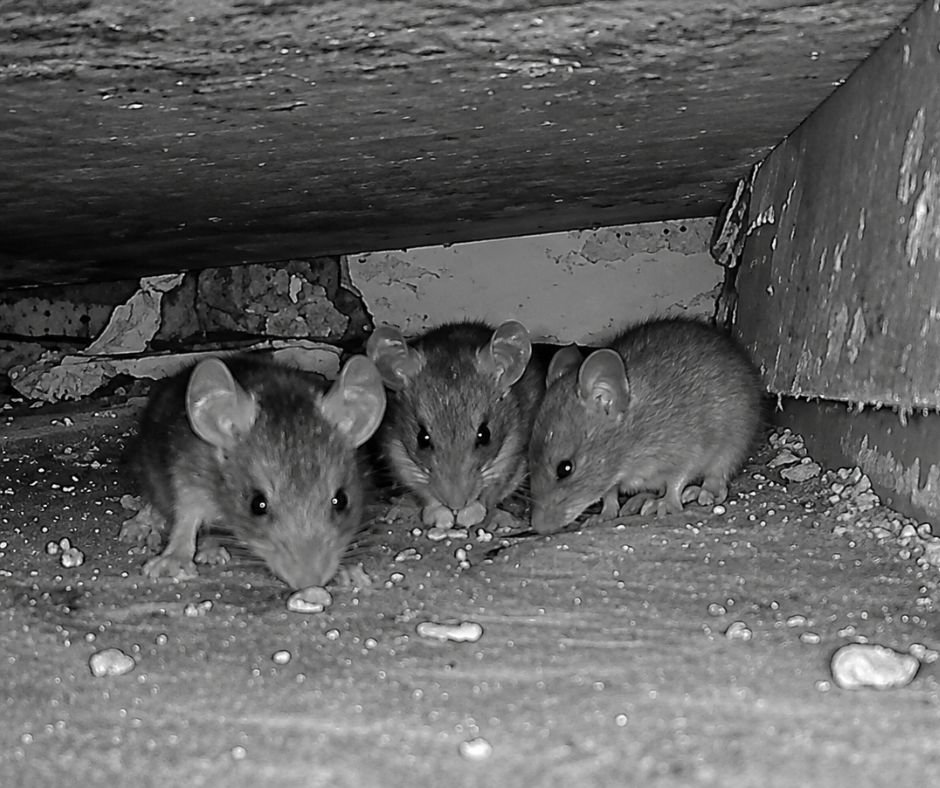
| House mouse (Mus musculus) | Condo and villa kitchens, pantries, garages, behind appliances | About 1/8 to 1/4 inch, like rice grains | Chewed food boxes, small droppings in drawers, a musky smell |
Source: UF/IFAS EDIS, Roof Rats (UW120) and Rat and Mouse Control (ENY-224).
Services available in Margate
Rat and Mouse Removal Services in Margate
Most Margate jobs combine a few of these: an inspection, sealing, trapping and cleanup. Choose a service to learn more, or call and we will tell you what your property needs.
Residential Rodent ControlAttic, garage and canal-bank rat removal for Margate homes, from Coral Bay to Village on the Lake.Learn More →
Commercial Rodent ControlScheduled service with written visit logs for shops and restaurants along Margate Boulevard and State Road 7.Learn More →
Rodent RemovalTraps placed on the paths rats use around canal banks, garages and attics, checked on return visits.Learn More →
Dead Rodent RemovalBad smell in a wall or ceiling? We find and remove the dead rodent, then clean and deodorize the area.Learn More →
Rodent CleanupRemoval of droppings, urine and nests from attics and garages, with advice on insulation replacement.Learn More →
Rodent ExterminatorEPA and FDACS certified technicians who use traps indoors and follow product labels around kids and pets.Learn More →
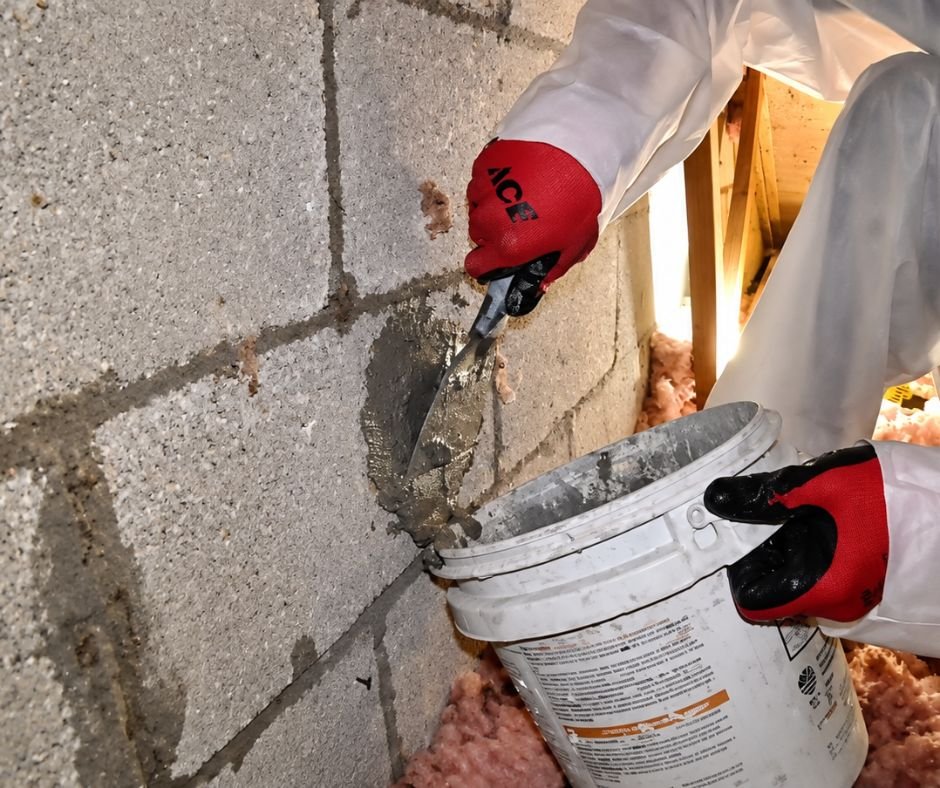
Rodent ExclusionWe seal soffits, roof vents, dock and seawall gaps and garage corners with metal and mortar so rats cannot get back in.Learn More →
Rodent Feces RemovalCareful cleanup of droppings with disinfectant, never sweeping or vacuuming, which can spread germs.Learn More →
Rodent ProofingDoor sweeps, vent screens, roof edge sealing and canal-bank landscaping advice for Margate properties.Learn More →
Downtown is changing
The Margate City Center Project and Rats on the Move
Margate is planning a new downtown at State Road 7 (US 441) and Margate Boulevard. The city and its Community Redevelopment Agency (CRA) offered up to 50 acres across 27 parcels for a mixed-use City Center, and Brookfield Properties has presented plans with shops, restaurants, homes, a performance pavilion, a pet park and open lawns.
Big projects are good news for the city. But when lots are cleared, old buildings come down and underground lines are dug up, rats that lived there have to go somewhere. Often that is the next block over. If you live or run a business near the site, it pays to check your openings before work ramps up, not after you hear scratching.
We do not claim the project has caused a rat problem. This is simple prevention for any home or shop near heavy construction.
Near a construction site? Do this
- Walk the outside of your home or shop and look for gaps at the ground and roof
- Close garage and back doors at night and add door sweeps
- Keep trash in a cart with the lid closed, every time
- Clear stacked boxes, lumber and clutter along fences
- Call early at the first droppings, not after a month
Sources: Bisnow, May 2024 (50 acres, 27 parcels, CRA); Margate Talk, City Center plan coverage (Brookfield Properties, Phase One features).
How the job runs
Your Margate Rodent Job, Step by Step
Most Margate homes take about 2 to 3 weeks from first visit to last check. A condo building or a large colony can take longer. You see the plan and price first, and nothing starts until you approve it.
- Visit 1
Look everywhere
Roofline, attic, garage, yard, canal edge and, for condos, the shared spaces we can reach. You get photos of each entry point.
- Day 1 to 2
Exclusion
We close gaps with 1/4 inch hardware cloth, sheet metal, vent guards and concrete. No foam alone, since rodents chew through it.
- Week 1 to 2
Trap inside
Snap traps on the runways rodents use, checked on return visits and moved as needed.
- Week 2 to 3
Clean up
Nests and droppings removed with disinfectant. We tell you if attic insulation is too soiled to keep.
- Last visit
Check it held
We confirm there is no new activity and the seals are still tight before we close out.
See more about rodent exclusion, rodent removal and rodent cleanup.
City of Margate rules
Margate Trash and Bulk Rules That Keep Rats Away
Margate’s garbage, recycling and bulk pickup is handled by Republic Services. Following the city’s set-out rules is one of the easiest ways to cut off food and hiding spots for rats on your block.
| Rule | What the city says | Why it matters for rodents |
|---|---|---|
| Garbage carts out | No earlier than 5 p.m. the day before, and by 7 a.m. on pickup day | Less time sitting at the curb overnight with food inside |
| Carts back in | Within 12 hours of collection | Empty carts still smell like food and draw rats |
| Bag it, close it | Bagged garbage goes inside the cart with the lid closed. Bags left outside or on top are not picked up. | A closed lid is the single best block against rats at the curb |
| Bulk piles | Out no earlier than 3 days before your bulk day, up to 3 cubic yards free | Old couches and mattresses make instant nests if left out for a week |
| Tree limbs and fronds | Loose pieces no more than 8 inches wide and 6 feet long; small yard waste in clear bags | Trimming palms and limbs off the roof is how you cut the roof rat’s path |
| Storms | No bulk or tree trimmings once a storm is forecast | Debris piles left after storms give rats cover |
Carts
Broken lid or cart?
Report it to Republic Services at 954-583-1830. Residents are responsible for keeping carts in good, sanitary condition.
City office
Environmental and Engineering
Margate’s Environmental and Engineering Services line is 954-972-0828, Monday to Friday, 8 a.m. to 6 p.m.
Neighbors
Junk yard next door?
Margate Code Compliance handles property issues by zone. You can find your zone’s code officer on the city’s Code Compliance page.
Sources: City of Margate 2026 Waste Collection Guide; margatefl.com Environmental and Engineering FAQ; margatefl.com Code Compliance page; Margate Talk 2026 garbage guide.
Skip these
- Poison inside the condo or attic. Rodents can die in the wall, and in a shared building the smell spreads to the neighbors.
- Ultrasonic plug-ins. UF/IFAS reports no good evidence they drive rats away.
- Steel wool stuffed in a hole by itself. It rusts fast in Margate’s humid air and pulls loose.
- Sealing before you know where they are. Trapping a rat inside the attic with no plan makes a bigger mess.
- Sweeping up droppings. The CDC says this can stir up harmful dust.
What actually helps
Simple Steps for Margate Homes and Condos
Keep palms, mango trees and oak limbs trimmed at least a few feet back from the roof. Pick up fallen fruit. Feed pets inside, or bring bowls in at night. Store bird seed and pet food in sealed bins.
On a canal lot, keep ground cover thin near the bank and the house, and do not stack wood or boat gear against the walls. In a condo, keep the area under the sink clear so you can spot droppings early, and tell the manager if you see signs in a trash room or hallway.
Any outdoor bait should be in locked, tamper-resistant bait stations, placed and labeled by a licensed pro, away from kids and pets.
Sources: UF/IFAS EDIS UW120; CDC, Clean Up After Rodents.
Safety and licensing
Hire Right and Clean Up Safely
Two things protect you more than any product on a store shelf: a licensed company and a safe cleanup.
License
FDACS and Chapter 482
Florida pest control companies must be licensed by the Florida Department of Agriculture and Consumer Services under Chapter 482, Florida Statutes. Ask for the license number. Our team is EPA and FDACS certified.
Cleanup
Wet it, do not sweep it
The CDC says to air out the space, wear gloves, spray droppings and nests with disinfectant or a mix of 1 part bleach to 9 parts water, wait 5 minutes, then wipe up with paper towels.
Odor
Smell in the wall?
A dead rodent in a wall or ceiling can smell for weeks. We find and remove it. See dead rodent removal.
Sources: Florida Statutes Chapter 482; CDC, Clean Up After Rodents.
Primary Margate response zone
Margate service coverage
Is your ZIP on the route?
Margate spans several ZIP codes across Broward County. These are the ones we serve most, but we cover the whole city. Call if you do not see yours.
3306333065330683307333093
Areas we serve
Check my address →
Coral Bay · Paradise Gardens · Oriole Golf and Tennis Club · Lakes of Carolina · Village on the Lake · City Hall and Calypso Cove corridor
Margate rodent questions
Margate Residents Ask, We Answer
Do not see your question? Call us any time, day or night.
Call (561) 562-7607 →Older homes build up small openings over time: rusted vent screens, soft fascia, and holes left by old AC, cable and plumbing work. A roof rat can fit through about 1/2 inch. Until those are sealed with metal or concrete, new rats will keep finding the way in.
Canal lots do see more Norway rats, which burrow in soft banks and under slabs. Keep ground cover thin near the bank, do not leave fish scraps or pet food out, and have the slab edges, shed and garage checked for gaps.
Any large site clearing can move rodents that lived there to nearby blocks. That does not mean it will happen to you, but it is a good time to check your openings and keep trash lids closed if you live or work near State Road 7 and Margate Boulevard.
Most single-family homes take about 2 to 3 weeks: sealing in the first day or two, 1 to 2 weeks of trapping, cleanup and a final check. Condo buildings with shared spaces can take longer.
It depends on how many entry points need sealing, where the rodents are and whether cleanup is needed. We price the job after the inspection, and you see the written plan and price before any work starts.
The city says no earlier than 3 days before your bulk day and by 7 a.m. on the day itself, up to 3 cubic yards. Putting an old couch out a week early gives rats a ready-made nest, so stick to the schedule.
Yes. We serve all of Margate in ZIP codes 33063 and 33068, plus nearby Coconut Creek, North Lauderdale, Coral Springs, Tamarac and the rest of Broward County.
Margate dispatch is ready
Rats in Your Margate Home or Business?
Call now. We will inspect the property, show you where rodents are getting in, and seal it so they stay out.
Request Margate service
Give us a call. We’ll handle the next step.
Call us, tell us what you are seeing and where you are located, and our team will confirm the right appointment type and timing.
Serving MargateMargate, Florida(561) 562-7607Open 24 hours · 7 days a week