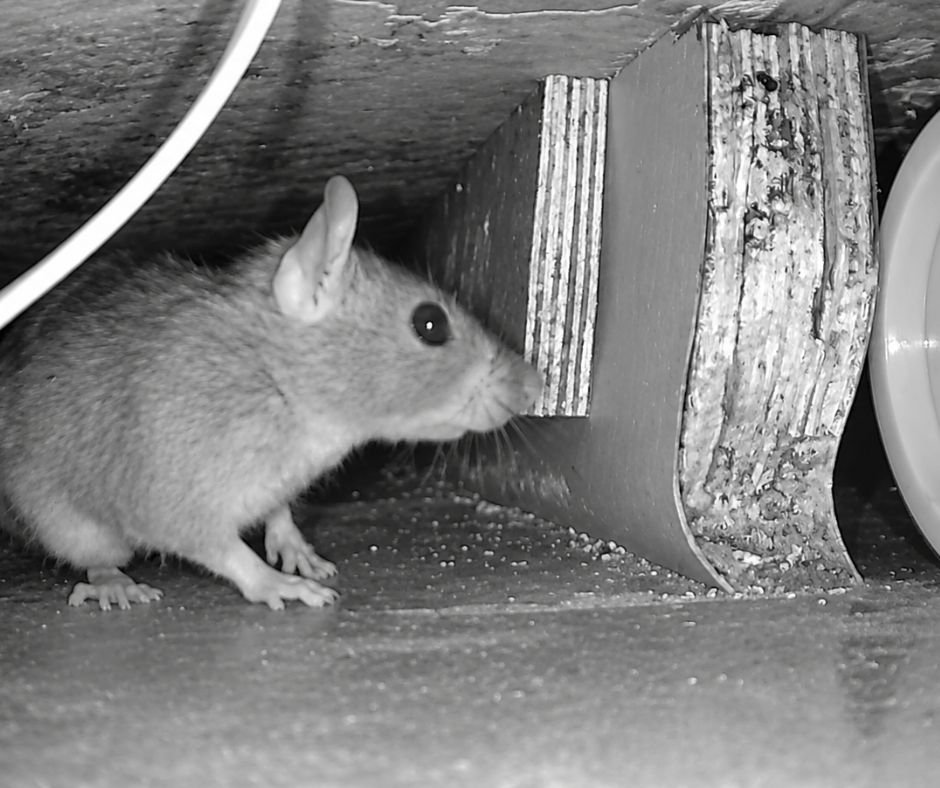
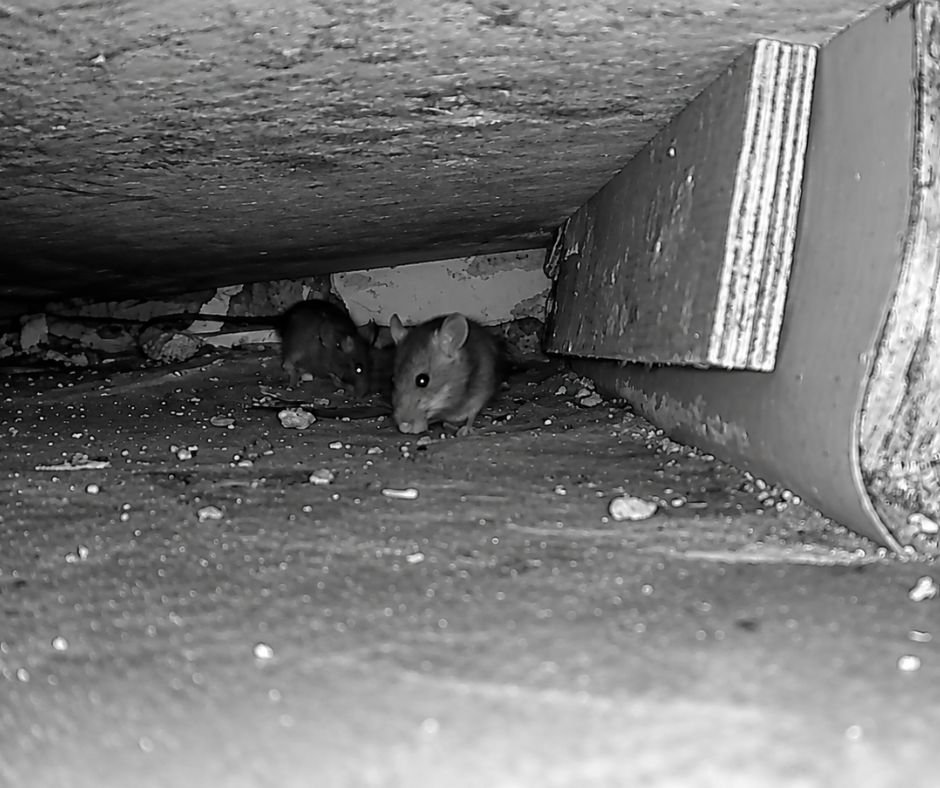
Rat Droppings vs Mouse Droppings: How to Tell the Difference
Size, shape and location tell you which rodent you have. Here is how to read the droppings, what else looks similar in Florida homes, and how to clean them up safely.
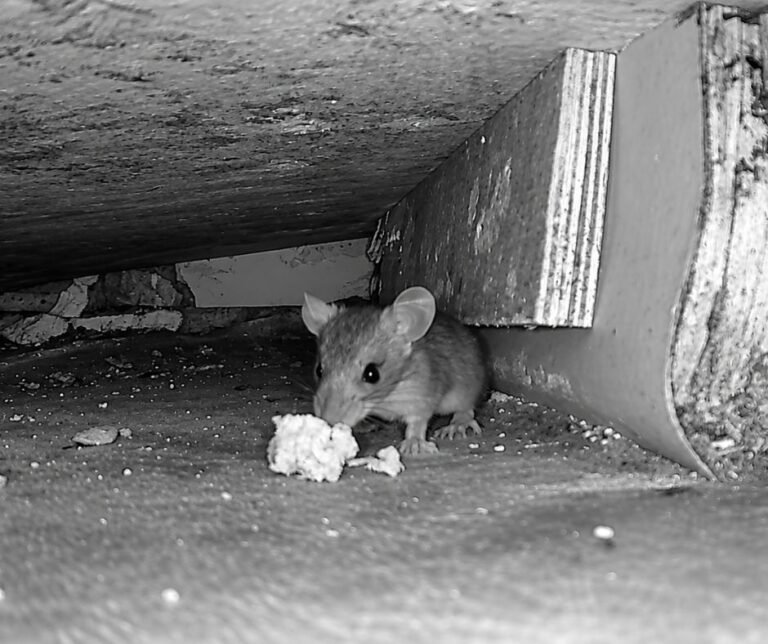
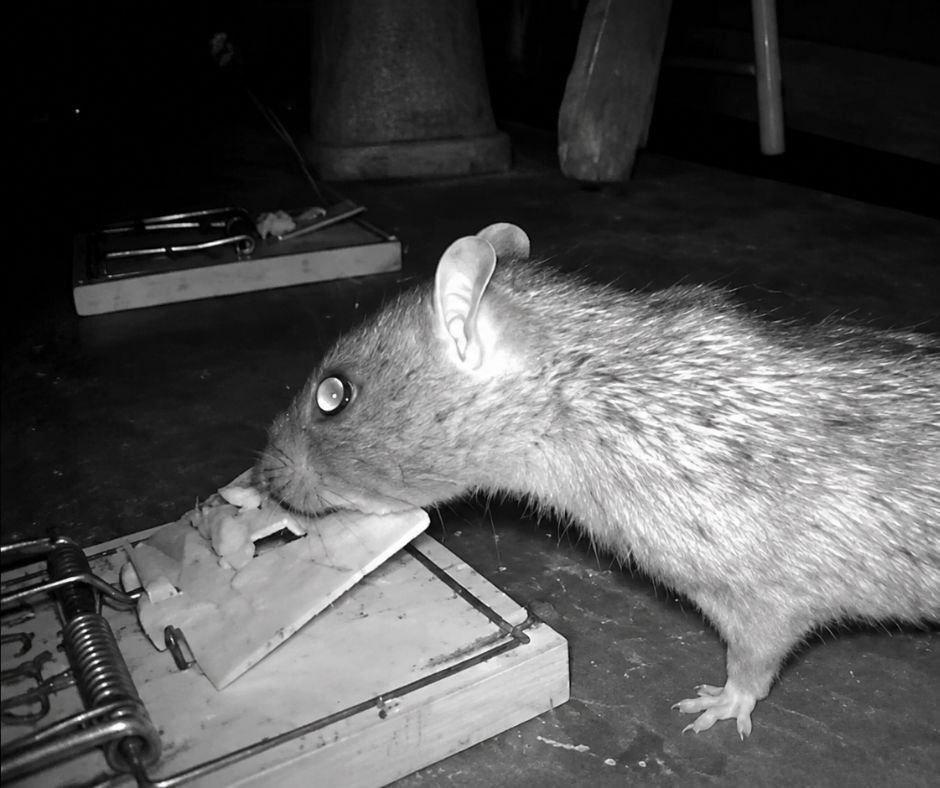
The fastest way to tell rat droppings from mouse droppings is size. Mouse droppings are tiny, about 1/8 inch long, like a grain of rice cut in half. Rat droppings are much bigger, from about 1/2 inch to 3/4 inch long. Shape and where you find them tell you the rest, including which kind of rat you are dealing with.
- House mouse: about 1/8 inch, thin and rod-shaped, often scattered in drawers and pantries.
- Roof rat: up to 1/2 inch, spindle-shaped with pointed ends, often in attics.
- Norway rat: about 3/4 inch, capsule-shaped with blunt ends, often in garages and near the ground.
- Never sweep or vacuum droppings. Spray them with disinfectant first.
Side-by-Side: Rat vs Mouse Droppings
The sizes below come from the University of Florida IFAS guide to rat and mouse control. Use a ruler or a coin for scale if you can.
| Rodent | Size | Shape | Where we usually find them in Florida homes |
|---|---|---|---|
| House mouse | About 1/8 inch | Rod-shaped, pointed ends | Kitchen drawers, pantry shelves, under sinks, behind appliances |
| Roof rat | Up to 1/2 inch | Spindle-shaped, pointed ends | Attics, on top of walls and beams, near fruit trees and palms |
| Norway rat | About 3/4 inch | Capsule-shaped, blunt ends | Garages, sheds, ground floors, near seawalls and canals |
What Mouse Droppings Look Like
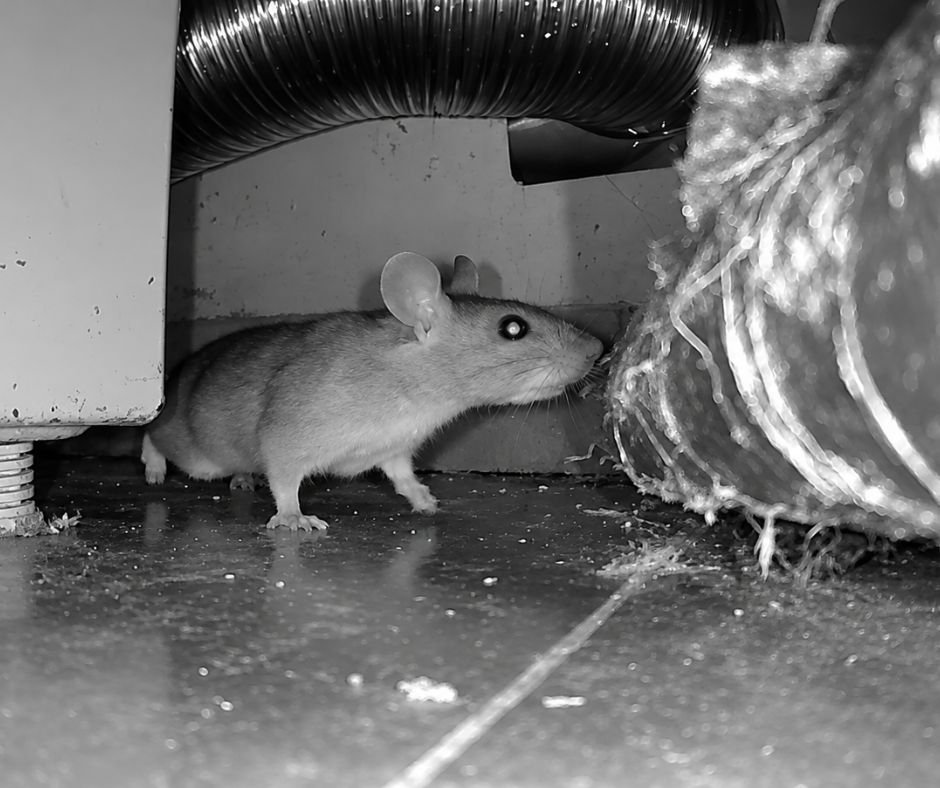
Mouse droppings are small, dark and thin, with pointed ends. Mice leave them as they move, so you usually find many of them spread out rather than in one pile.
- Look inside kitchen drawers, along the back of pantry shelves and under the sink.
- Check behind the stove, fridge and dishwasher, where it is warm and quiet.
- Chewed food packages nearby are a strong sign of mice.
What Rat Droppings Look Like
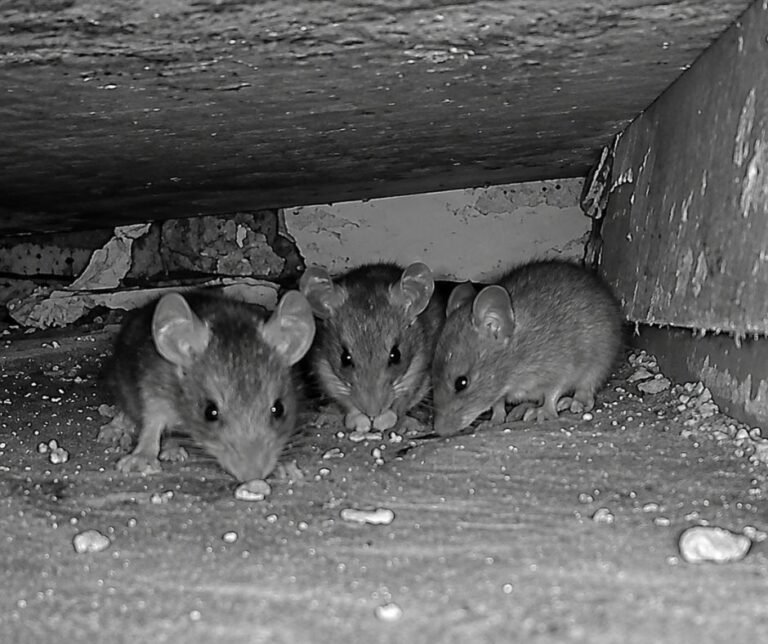
Rat droppings are much larger, and the shape helps you tell the two common Florida rats apart.
Roof rat droppings
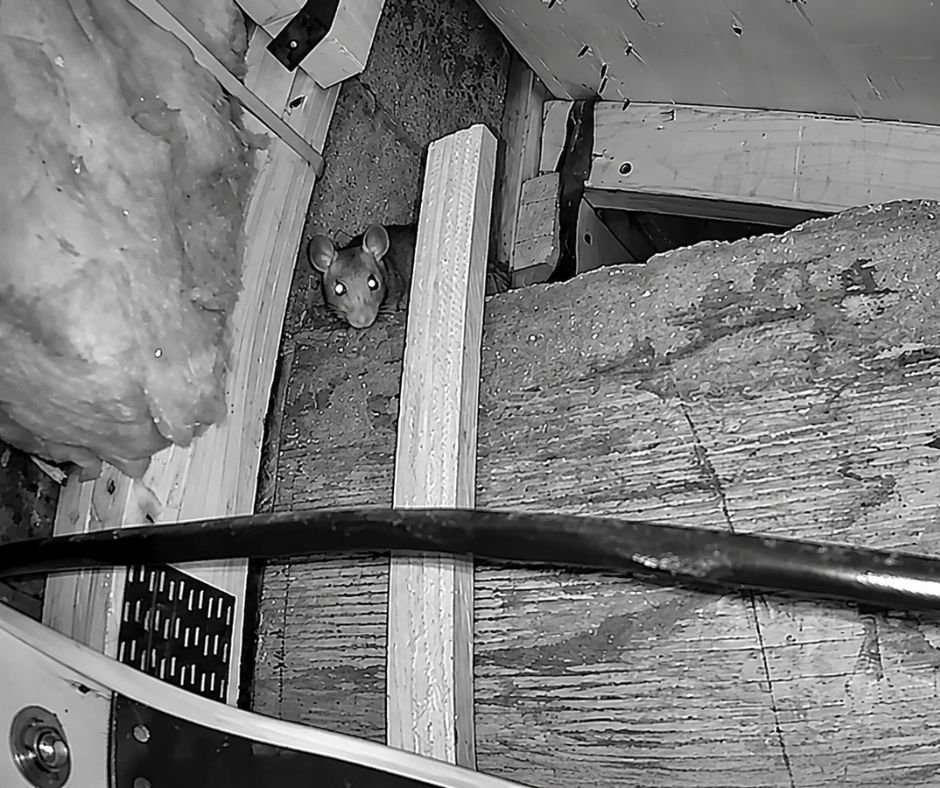
Roof rat droppings are up to 1/2 inch long with pointed ends. Roof rats are climbers. They use tree branches, palms and power lines to reach the roof, so their droppings usually turn up in the attic, on top of walls and along beams. If you also hear running in the ceiling at night, roof rats are the most likely cause.
Norway rat droppings
Norway rat droppings are the biggest, about 3/4 inch, with blunt, rounded ends. Norway rats stay low and dig burrows. UF/IFAS notes that in Florida they are most common along the coasts and canals. Look for their droppings in garages, sheds, crawl spaces and along the base of walls.
Fresh or Old? Why It Matters
Fresh droppings tell you rodents are still active. Old droppings may be left over from a problem that has already moved on.
- Fresh: dark, shiny and soft.
- Old: dry, dull or gray, and they crumble when pressed with a tool.
A simple test: clean an area completely, then check it again after 2 or 3 days. New droppings mean rodents are still using that spot.
Other Droppings That Get Mistaken for Rodents in Florida
- Cockroach droppings: much smaller than mouse droppings and look like ground black pepper or coffee grounds. They are often found in cabinet corners and hinges.
- Lizard droppings: Florida homes see a lot of small lizards. Their droppings are about the size of mouse or small rat droppings, but usually have a white tip at one end.
- Squirrel droppings: can show up in attics too. If you are not sure which animal is in your attic, an inspection will tell you.
Other Signs That Confirm Rats or Mice
Droppings are the most common clue, but these signs help confirm what you have:
- Gnaw marks: UF/IFAS explains that fresh gnawing in wood is light-colored with sharp edges, while old gnawing is smooth and darker.
- Rub marks: dark, greasy smudges along walls and beams where rodents travel. Fresh ones smudge when touched.
- Tracks: sprinkle a thin layer of flour or baby powder near where you found droppings. Footprints or tail marks the next morning show that rodents are still active.
- Noises and smells: scratching at night and a musty urine smell, especially in closets and the attic.
How to Clean Up Droppings Safely
These steps follow CDC guidance for cleaning up rodent urine and droppings:
- Wear rubber or plastic gloves.
- Do not sweep or vacuum. The CDC warns this can put tiny droplets containing viruses into the air.
- Spray the droppings and urine until very wet with a disinfectant or a bleach solution of 1.5 cups of household bleach in 1 gallon of water.
- Let it soak for 5 minutes, or as long as the product label says.
- Wipe up with paper towels and throw them away in a covered trash can.
- Mop or sponge the area with disinfectant.
- Wash your gloved hands, remove the gloves, then wash your hands with soap and warm water.
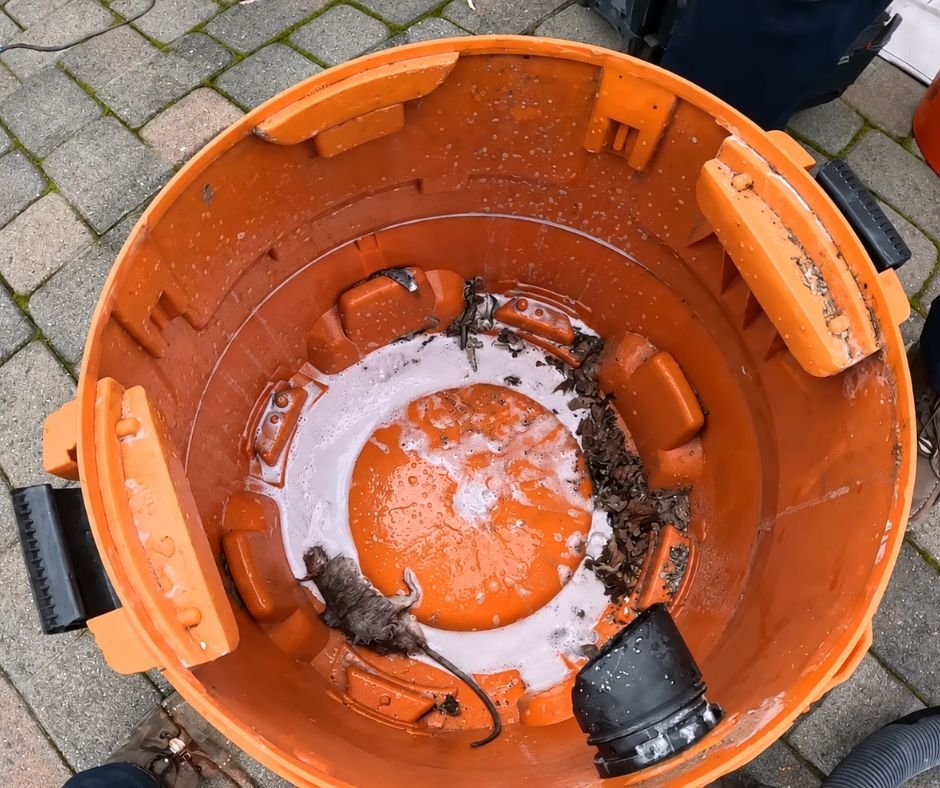
For attics, insulation or large amounts of droppings, it is safer to let a professional handle it. See our rodent feces removal and rodent cleanup services.
When to Call a Professional
A few droppings in one spot can sometimes be handled at home. Call us if you notice any of these:
- Droppings in the attic or inside walls
- Droppings in more than one room
- New droppings keep appearing after you clean
- Chewed wires, AC lines or food packages
- A strong urine smell or a dead rodent smell
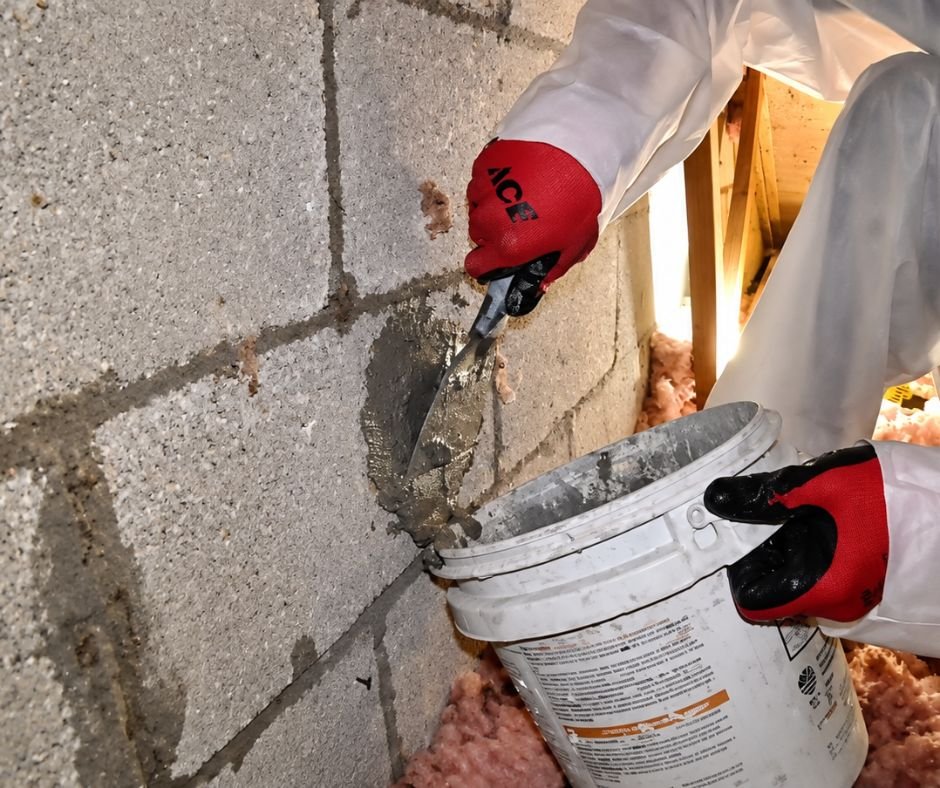
Cleaning up only solves part of the problem. Rodents keep coming back until the openings they use are sealed. Our team inspects the home, seals entry points with rodent-proof materials, traps the rodents inside and cleans up the mess. Learn more about rodent removal and rodent exclusion.
Rodent Help Across Florida
Florida Rodent Control Pros works with homes and businesses across the state. See our local pages for Sarasota, Bradenton, Tampa and Miami, or call (561) 562-7607. We answer 24/7.
Sources: UF/IFAS, Rat and Mouse Control (ENY-224); CDC, How to Clean Up After Rodents.