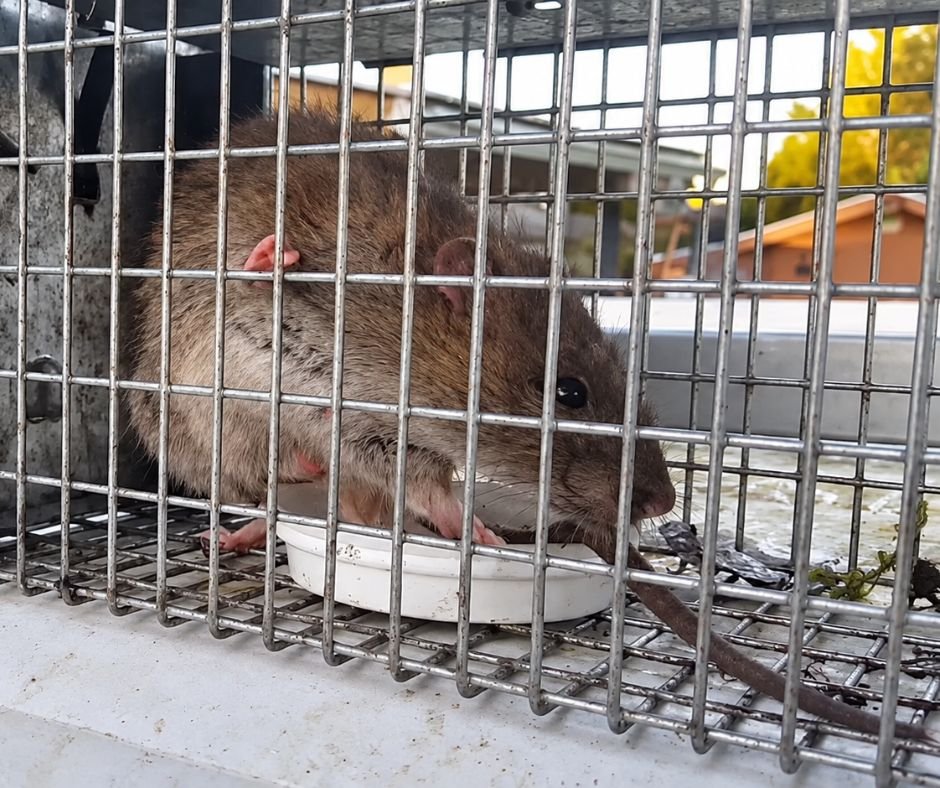
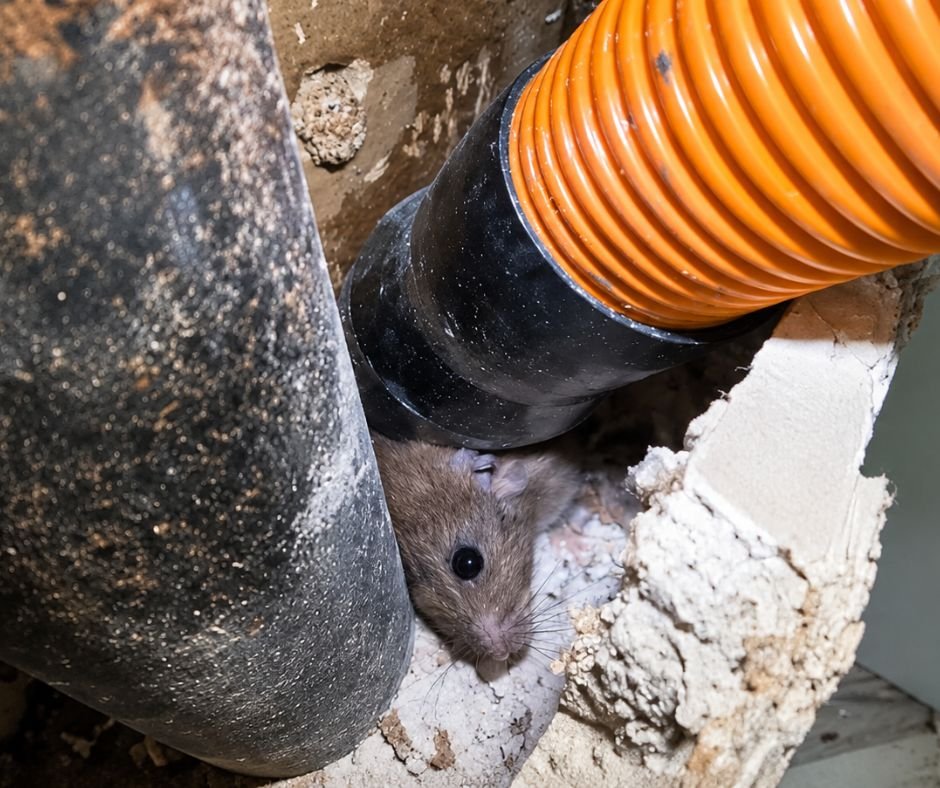
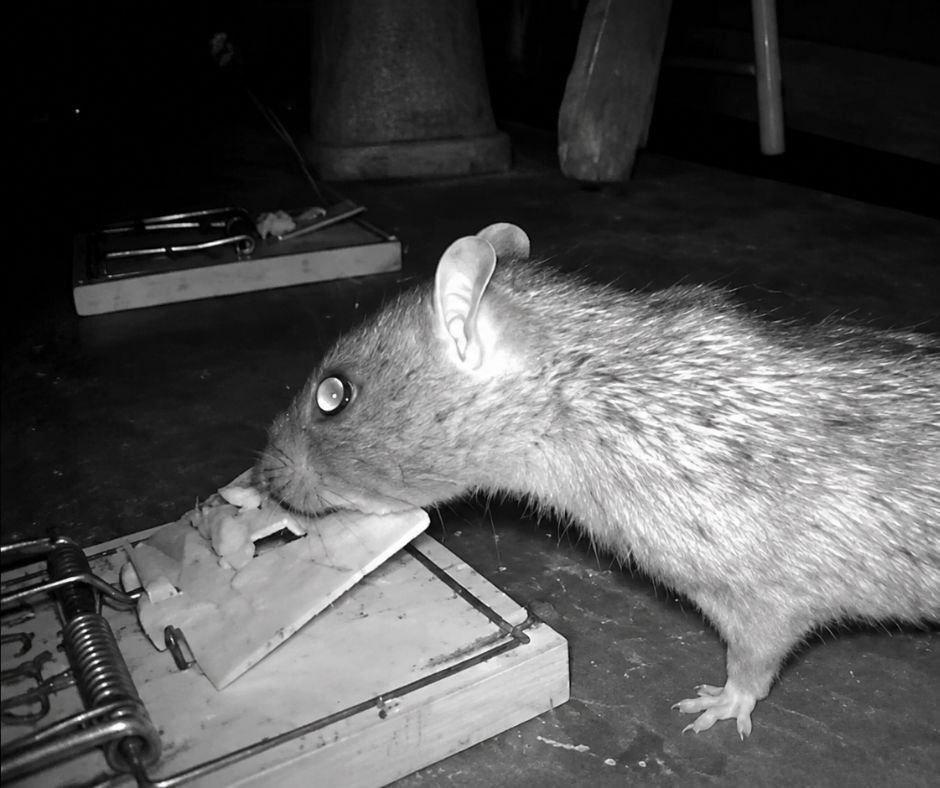
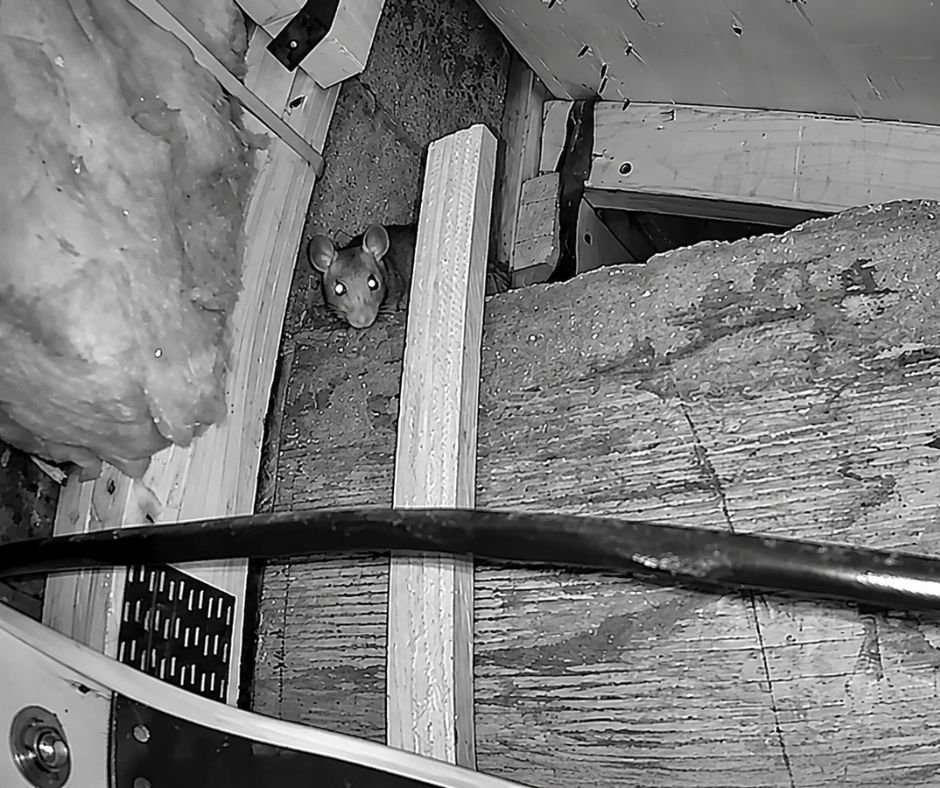
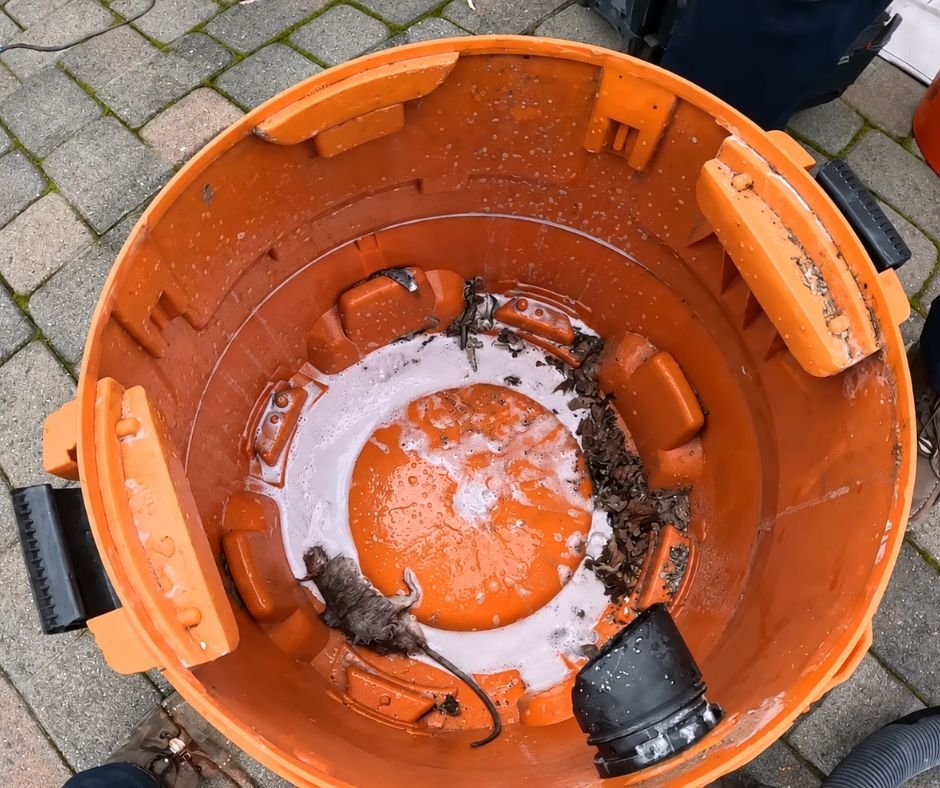
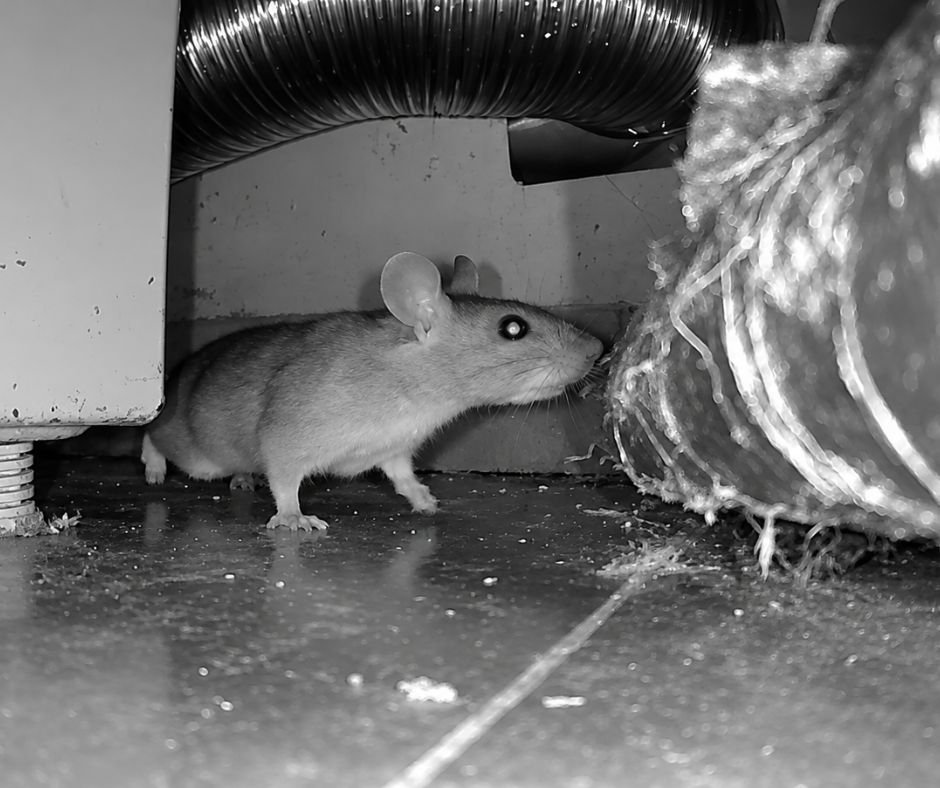
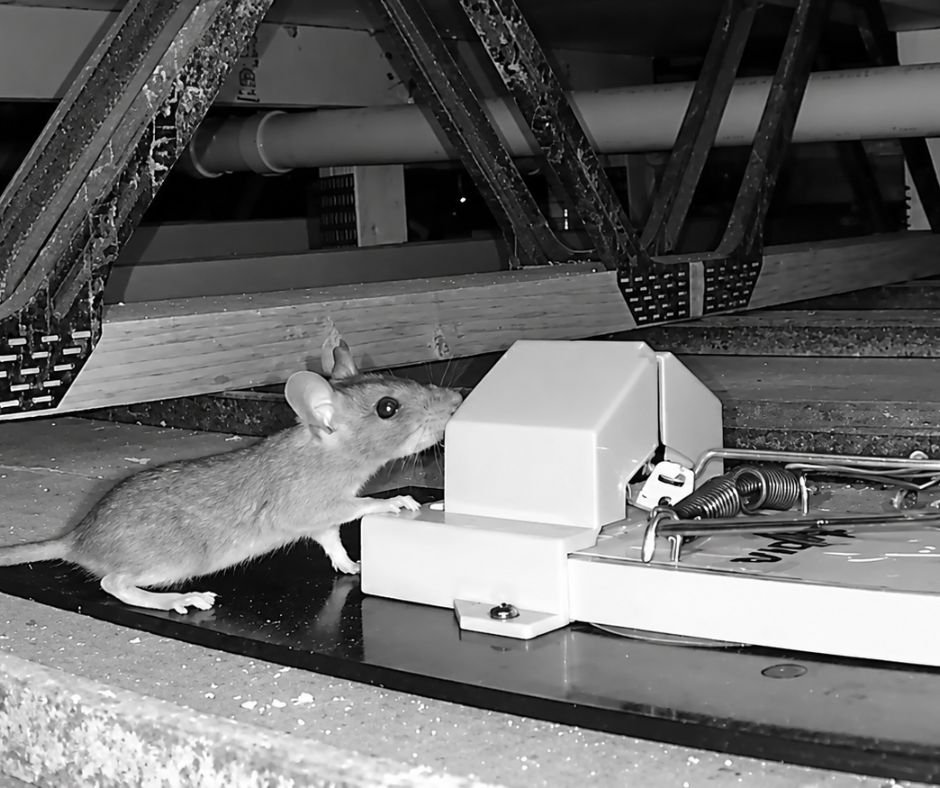
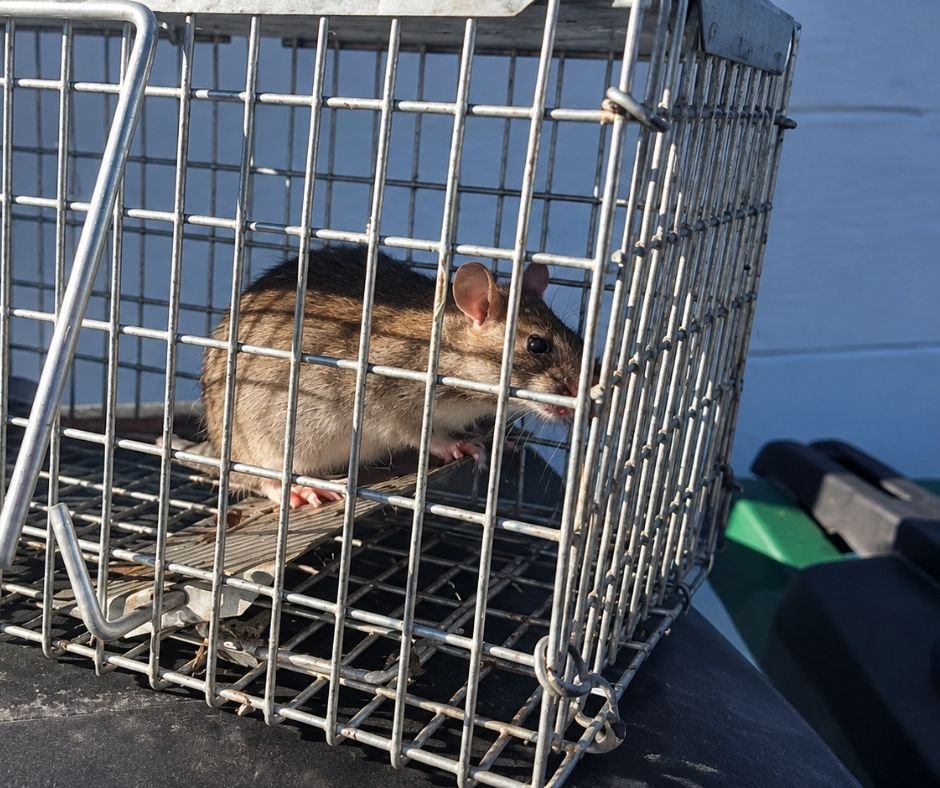
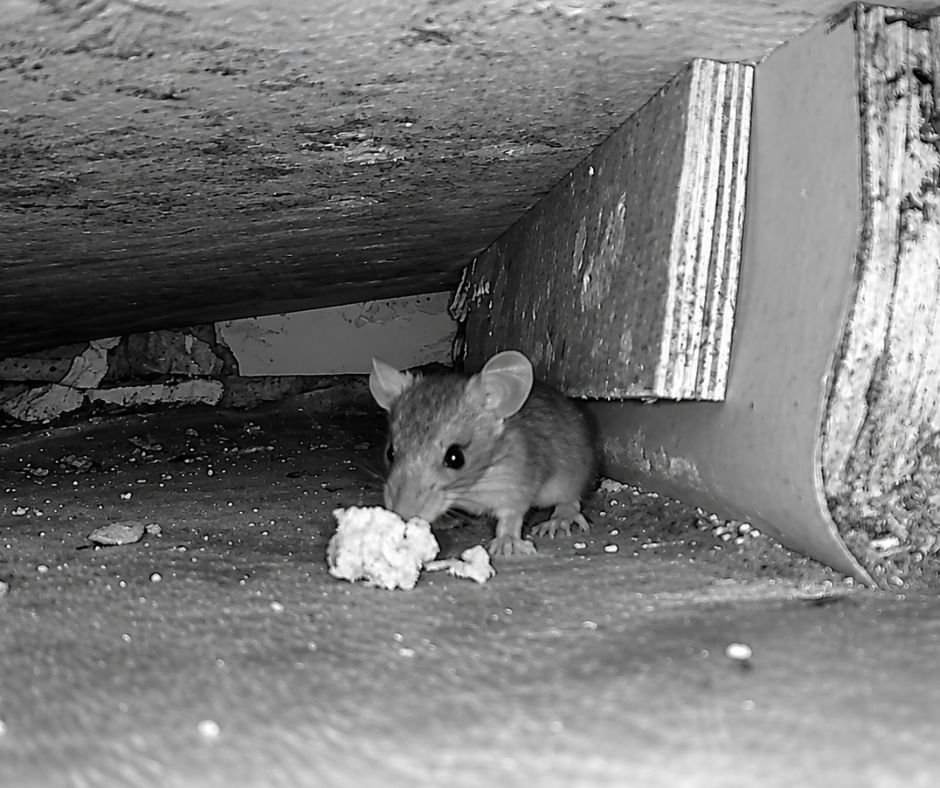
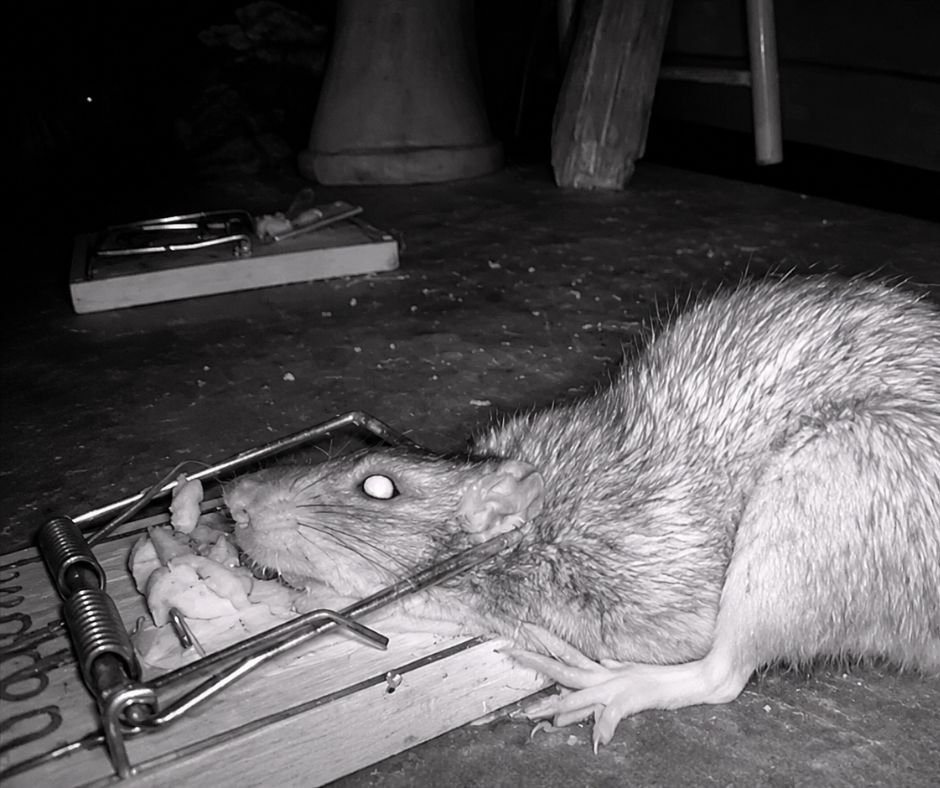
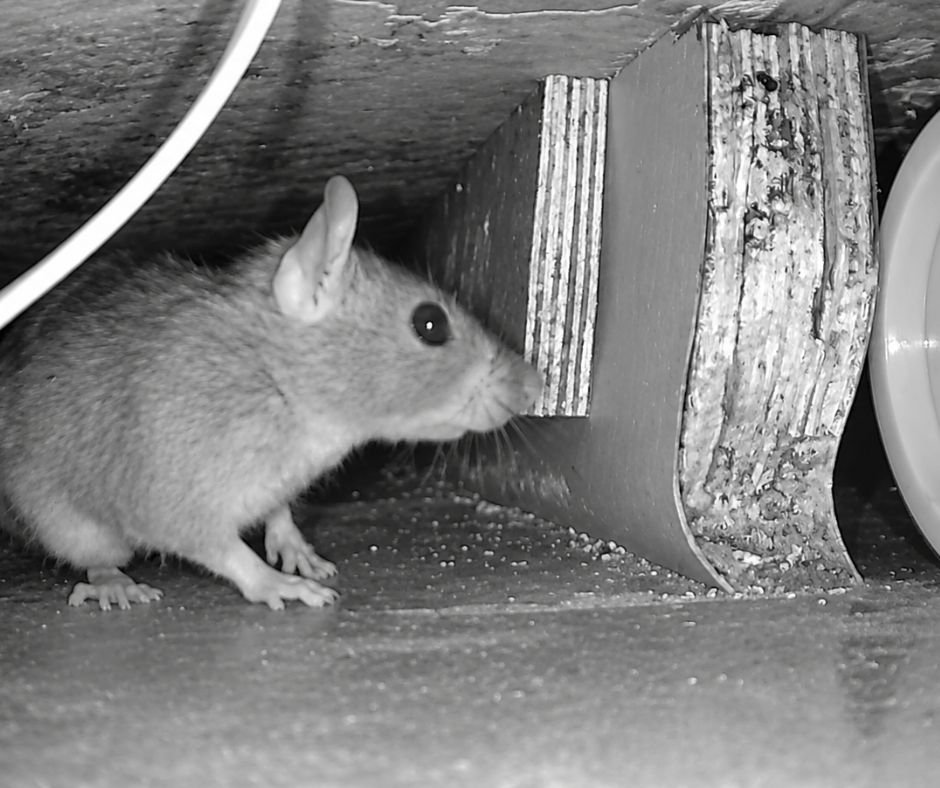
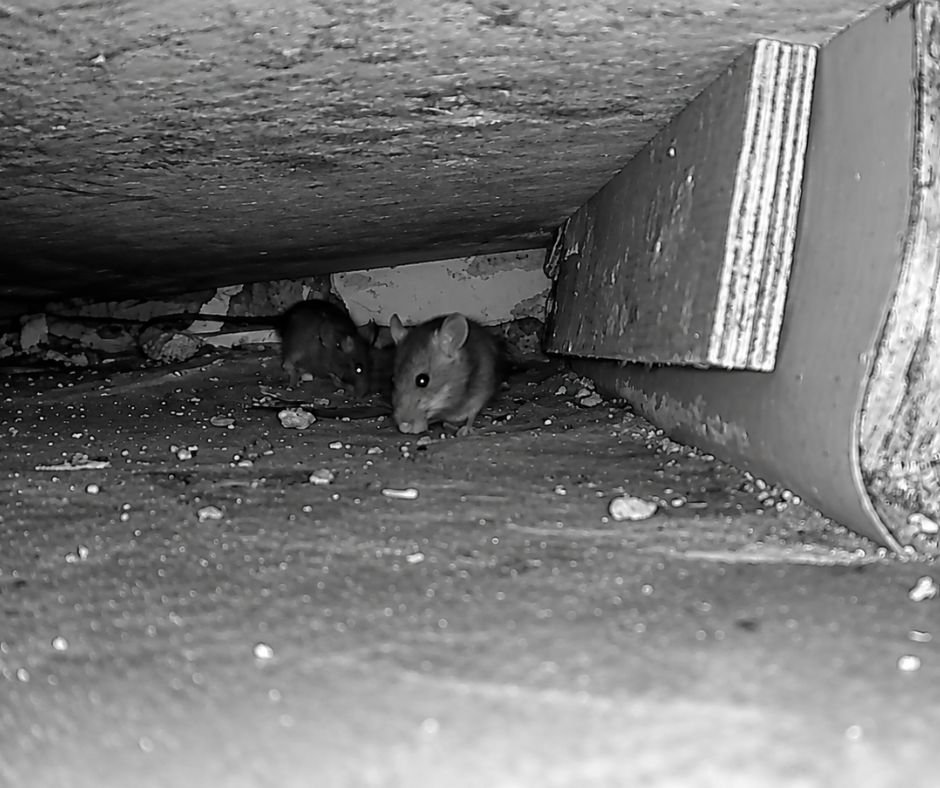
Roof rats travel through the tree canopy and along wires, not just across yards. If a neighbor’s oak or a cable line reaches your roof and there is a small gap at a soffit or vent, rats can get into your attic without ever crossing your lawn.
Winter Park, Orange County
Rodent Control and Rat Removal in Winter Park, FL
Winter Park has old live oaks over nearly every brick street, lakes on every side and houses that were built long before anyone thought about rat proofing. Roof rats love all three. We find how they get into your attic, close it with metal and trap the ones already inside.
In one paragraph
In Winter Park the rat is almost always a roof rat that walked in over a tree limb, and the fix is closing the roofline, not setting more bait.
Roof rats (Rattus rattus) climb like squirrels and travel on branches, power lines and cable wires. A city this shaded gives them a path to almost every roof. Older homes near Park Avenue and the lakes often have wood soffits, gable vents and crawl spaces with small gaps that have opened up over the decades.
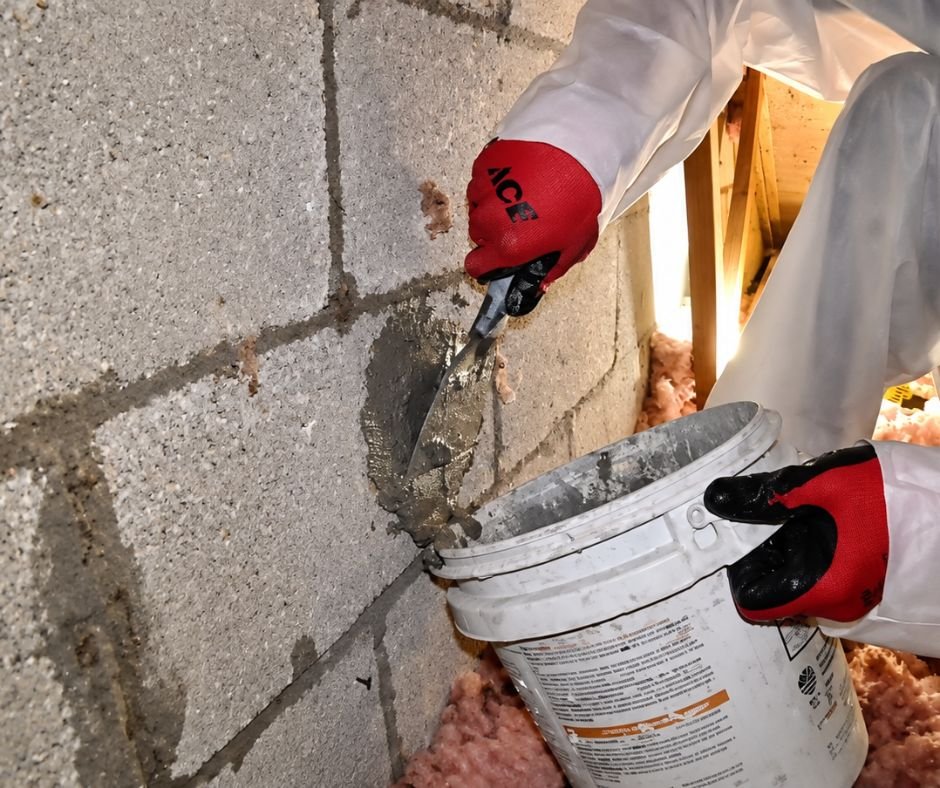
Our rodent control in Winter Park starts with a full inspection, then sealing every opening with hardware cloth, sheet metal or mortar, then trapping and cleanup. You see the plan and price first, and nothing starts until you approve it.
- City
- Winter Park, Orange County, north of Orlando
- Population
- 29,795 (2020 census)
- Size
- About 10.4 sq mi, with about 1.6 sq mi of it water
- ZIP codes
- 32789 and 32792
- Incorporated
- 1887, one of the older towns in Central Florida
- Main pest
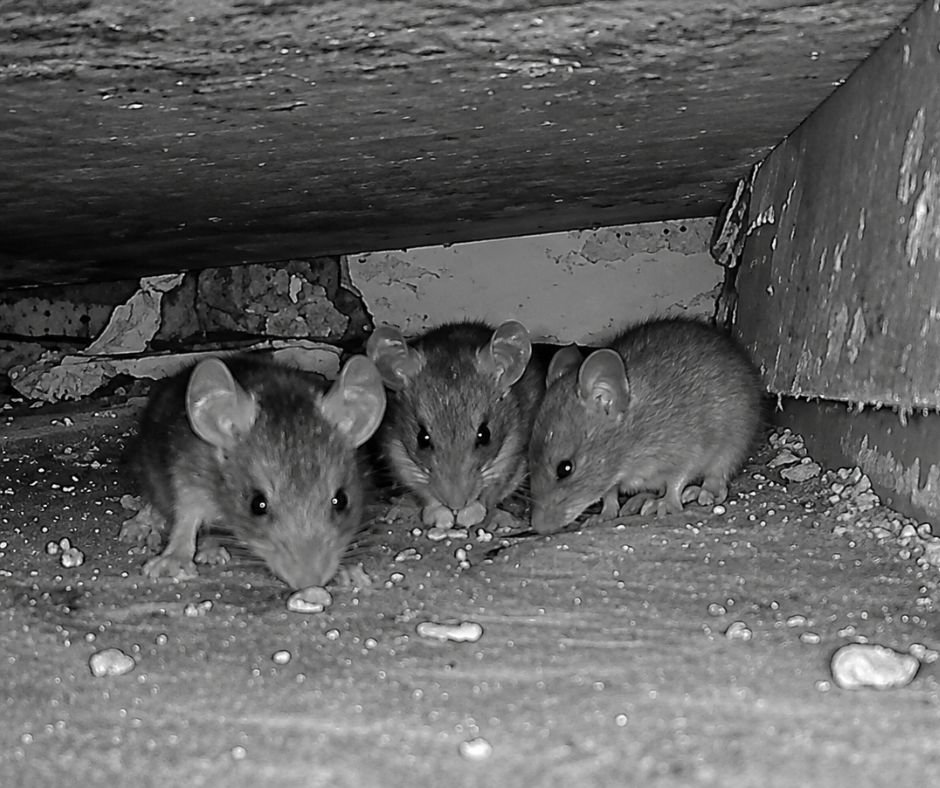
- Roof rats in attics, Norway rats near water, house mice indoors
- Call
- (561) 562-7607, open 24/7
Source: U.S. Census 2020 and Winter Park, Florida entry on Wikipedia.
Oaks, moss and brick streets
A Shade Tree City Is a Roof Rat Highway
Olde Winter Park is known for small, winding brick streets under old live oaks and camphor trees hung with Spanish moss. It is beautiful, and it is also exactly what roof rats need. They live up high, move from tree to tree and drop onto a roof from any limb that hangs over it.
UF/IFAS lists tree branches, utility lines, phone and cable wires and fence rails as the routes roof rats use most. In a neighborhood where canopies touch from one yard to the next, a rat can cross a whole block without touching the ground. That is why a Winter Park home can get rats even when the yard is spotless.
Palms matter too. UF/IFAS notes roof rats nest in old palm frond skirts and hollow trees, and many Winter Park yards have both next to the house.
Trimming is not a full fix, since rats also climb walls and wires. But branches cut back from the roof make sealing last much longer.
Tree checks we do on every visit
- Oak and camphor limbs over or near the roof edge
- Spanish moss and vines hanging onto gutters and fascia
- Dead frond skirts on palms beside the house
- Cable and power lines running from a tree to the eave
- Fallen fruit under citrus, loquat or avocado trees
- Bird feeders and seed spilled under the canopy
Source: UF/IFAS Extension, Roof Rats (UW120); Wikipedia on Olde Winter Park streets and trees.
The Chain of Lakes
Living on Lake Maitland, Osceola or Virginia
Winter Park’s Chain of Lakes is tied together by narrow canals that were first dug for flood control and to float logs to a sawmill on Lake Virginia. Today they carry boats past backyards, docks and boathouses. Water and thick shoreline plants draw Norway rats (Rattus norvegicus), which dig instead of climb.
Canal
Venetian Canal
Links Lake Maitland and Lake Osceola. Homes along the bank have seawalls and plantings right at the water line, a common spot for burrows.
Canal
Fern Canal
Links Lake Osceola and Lake Virginia. Shady, overgrown banks give rats cover between the water and the yard.
Lake
Lake Virginia
Home to the Rollins College boathouse and many lakefront homes. Boat storage, sheds and docks are where we look first.
Also
Mizell, Berry and others
Smaller lakes like Lake Mizell, Lake Berry and Lake Baldwin bring the same water edge issues farther from the main chain.
What we find on lakefront lots
- Burrows under seawall caps, slabs and pavers
- Rats nesting in boathouses and under dock decking
- Gnawed garage door corners facing the water
- Runways through dense ornamental beds along the bank
How we handle it
- Seal gaps where slabs, steps and walls meet
- Close boathouse and shed openings with hardware cloth
- Set traps on the runways, checked on a schedule
- Use locked, tamper-resistant bait stations outdoors only when needed, placed away from the water
Source: City of Winter Park, Venetian and Fern canals maintenance notice (2023); Wikipedia, Winter Park Chain of Lakes history.
Historic homes
Where Older Winter Park Houses Let Rodents In
Winter Park was founded as a resort town in the 1880s and has a Downtown Historic District and many early 1900s homes nearby. Older houses are built differently than new block homes, so they fail in different places. We seal them carefully, matching the house instead of covering it in foam.
| Part of the house | What goes wrong over time | What rats do with it | How we close it |
|---|---|---|---|
| Wood soffits and fascia | Boards shrink, rot or pull away at the corners | Roof rats squeeze into the attic at the roof corners | Repair the gap and back it with metal or 1/4 inch hardware cloth |
| Gable and attic vents | Old screens rust through or were never installed | A direct door into the attic insulation | Heavy gauge screen fastened over the vent so it still breathes |
| Raised floors and crawl spaces | Vent screens break, lattice falls off, pipes leave gaps | Norway rats and mice nest under the floor | Screen the vents, seal pipe and cable holes, close skirting |
| Chimneys and roof joints | Flashing lifts, mortar cracks | Rats climb in where the chimney meets the roof | Metal flashing and mortar, plus a cap where needed |
| Garage apartments and detached garages | Older doors with worn seals, open rafter tails | Mice and rats move from the garage to the main house | New door sweeps, rafter gaps closed, clutter cleared |
History source: Wikipedia, Winter Park, Florida. Repair notes are based on the older homes we inspect; every house gets a full check.
Park Avenue and Rollins
Shops, Restaurants and Student Housing Near Park Avenue
Park Avenue is a busy walking street of restaurants, cafes and shops across from Rollins College, with Central Park and the SunRail station in the middle of downtown. Dense food service, shared walls and back alleys with dumpsters are what Norway rats and house mice look for.
Rollins has about 3,000 students, and many rent nearby. Rentals change hands often, pantries get left open and nobody stays long enough to notice a gap under the back door. For landlords we seal each unit and the shared spaces at once, so rodents cannot just move next door.
See our commercial rodent control service for full details.
For downtown businesses and rentals
- Scheduled visits with a written log after each one, ready for a state food inspector
- Locked, numbered exterior bait stations mapped on a site plan
- Door sweeps on back doors and delivery doors along the alleys
- Dumpster pad and grease area checks
- Unit by unit sealing plans for duplexes and small apartment buildings
Services available in Winter Park
Rat and Mouse Removal Services in Winter Park
Most Winter Park jobs combine a few of these: an inspection, sealing, trapping and cleanup. Choose a service to learn more, or call and we will tell you what your property needs.
Residential Rodent ControlAttic and crawl space rat removal for Winter Park homes, from historic bungalows in Olde Winter Park to newer homes near Baldwin Park.Learn More →
Commercial Rodent ControlScheduled service with written visit logs for restaurants and shops on Park Avenue and along Fairbanks Avenue.Learn More →
Rodent RemovalTraps placed on the paths rats use and checked on return visits until the activity stops.Learn More →
Dead Rodent RemovalBad smell in a wall or ceiling? We find and remove the dead rodent, then clean and deodorize the area.Learn More →
Rodent CleanupRemoval of droppings, urine and nests from attics and garages, with advice on insulation replacement.Learn More →
Rodent ExterminatorEPA and FDACS certified technicians who use traps indoors and follow product labels around kids and pets.Learn More →
Rodent ExclusionWe seal soffits, roof vents, pipe gaps and garage corners with metal and mortar so rats cannot get back in.Learn More →
Rodent Feces RemovalCareful cleanup of droppings with disinfectant, never sweeping or vacuuming, which can spread germs.Learn More →
Rodent ProofingDoor sweeps, vent screens, roofline sealing and tree trimming advice for Winter Park homes.Learn More →
After storms and freezes
Brush Piles Bring Rats Down From the Trees
When a storm or a hard freeze hits a city with this many trees, the curbs fill with limbs and dead plants. After Hurricane Milton in 2024 the city ran special vegetative debris pickups into November. In March 2026 a freeze damaged so much landscaping that the city added an extra Saturday yard pickup. Piles that sit for days give rats shelter right next to your house.
Right away
Keep piles off the house
Stack limbs at the curb, not against the wall, fence or AC unit. A pile touching the house is a ladder and a hiding spot.
Same week
Look up at the roof
Broken limbs can tear soffits, shingles and screens. A small new hole after a storm is often where rats get in a month later.
Inside
Listen at night
Rats pushed out of fallen trees look for new shelter. Scratching in the ceiling after dark in the weeks after a storm is a warning sign.
Source: City of Winter Park press releases, Hurricane Milton yard debris final update (Nov. 8, 2024) and additional yard waste pickup (Mar. 5, 2026).
Our process
From First Visit to Quiet Attic
Roof rats breed all year in Florida. UF/IFAS says a female can have 4 or 5 litters a year with 5 to 8 pups each, so we move quickly once you approve the plan.
- Visit 1
Roof to crawl space
We check the roofline, attic, crawl space, garage and the trees and wires that touch the house, and show you photos of each entry point.
- Your call
Plan and price
You get a written plan and price. Work starts only after you approve it.
- Seal
Close the openings
Exclusion with sheet metal, hardware cloth and mortar. No foam, since rats chew through it.
- Trap
Remove what is inside
Snap traps on rat runways, set from dusk to dawn, checked on return visits until the catches stop.
- Finish
Clean and confirm
Droppings and nests removed with disinfectant, then a follow-up visit to make sure there are no new signs.
Source: UF/IFAS Extension, Roof Rats (UW120).
Local rules
Winter Park Yard Waste Rules and Rodent Tips
Trash and yard waste in Winter Park are collected by Waste Pro under contract with the city. Following the set out rules keeps debris from sitting around and feeding or sheltering rodents.
Yard waste
Wednesdays by 7 a.m.
Yard waste is picked up on Wednesdays. Put it at the curb by 7 a.m. in a container or bundled and stacked.
Bundles
4 feet, 50 pounds
Bundles can be no longer than 4 feet and no piece or stump over 50 pounds. Palm fronds can be stacked whole.
Extra bulk
Order a pickup
Extra bulk pickups can be ordered at 407-774-0800 for an added charge, so old furniture and boxes do not sit in the yard.
State license
Ask for FDACS
Pest control firms in Florida are licensed by FDACS under Chapter 482, Florida Statutes. Ask for the license before any work.
Safe cleanup, per the CDC
Do not sweep or vacuum rodent droppings. Air out the space, wear gloves, soak droppings with disinfectant or 1 part bleach to 9 parts water, wait 5 minutes and wipe up with paper towels. For large messes, see our rodent cleanup service.
Skip what does not work
- Ultrasonic devices, which UF/IFAS says lack evidence
- Bait blocks wired to tree branches, which UF/IFAS notes is illegal
- Spray foam in gaps
- Loose poison in the attic, which can leave dead rats in the walls
Source: City of Winter Park utility bill insert (May 2026) and press releases (2024, 2026); Florida Statutes Chapter 482; CDC rodent cleanup guidance; UF/IFAS UW120.
Primary Winter Park response zone
Winter Park service coverage
Is your ZIP on the route?
Winter Park has 4 ZIP codes. We cover all of them, plus the surrounding Orange County area. Call if you do not see yours.
32789327903279232793
Areas we serve
Check my address →
Olde Winter Park · Park Avenue and downtown · the Winter Park Chain of Lakes area · areas near Baldwin Park · areas near the UCF corridor
Winter Park FAQ
Rat and Mouse Questions From Winter Park
These are the questions we hear most from homeowners, landlords and business owners in Winter Park. Call us for anything else.
Call (561) 562-7607 →Usually not. Trimming limbs back from the roof and wires is enough to slow rats down. The real fix is sealing the openings on the house. Check the city’s rules before removing a large tree.
Often, yes. Near the water we see more Norway rats, which burrow along seawalls, under slabs and in boathouses. Roof rats still come in from the trees, so lakefront homes can have both at once.
Yes. We use sheet metal, hardware cloth and mortar fitted to the existing soffits, vents and crawl space openings, and we show you the plan before we start. The goal is to close gaps, not change how the house looks.
Yes. Restaurants and shops get scheduled visits, locked exterior bait stations, door sweeps and a written log after each visit that you can show a state food inspector. Shared walls mean we look at the whole building, not just your space.
Seal the unit between tenants, since that is when it is empty and easy to inspect. We close gaps under doors, around pipes under sinks and at the AC line. Ask tenants to keep food in sealed containers and take trash out often.
It can. Piles give rats cover, especially when they lean against the house or fence. Keep debris at the curb, follow the Wednesday yard waste rules and check the roof for new damage after any storm.
Yes. Along with both Winter Park ZIP codes, 32789 and 32792, we serve Maitland, Orlando, Casselberry, Oviedo and the rest of the area. Call 24/7 to set up a visit.
Winter Park dispatch is ready
Rats in Your Winter Park Home or Business?
Call now. We will inspect the property, show you where rodents are getting in, and seal it so they stay out.
Request Winter Park service
Give us a call. We’ll handle the next step.
Call us, tell us what you are seeing and where you are located, and our team will confirm the right appointment type and timing.
Serving Winter ParkWinter Park, Florida(561) 562-7607Open 24 hours · 7 days a week