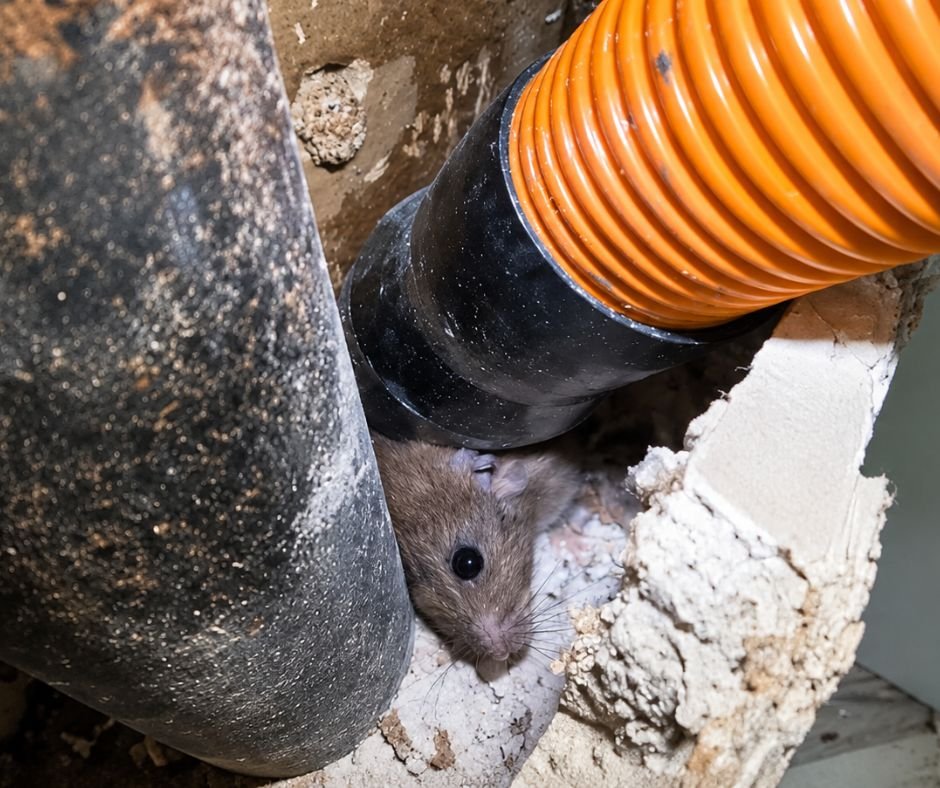
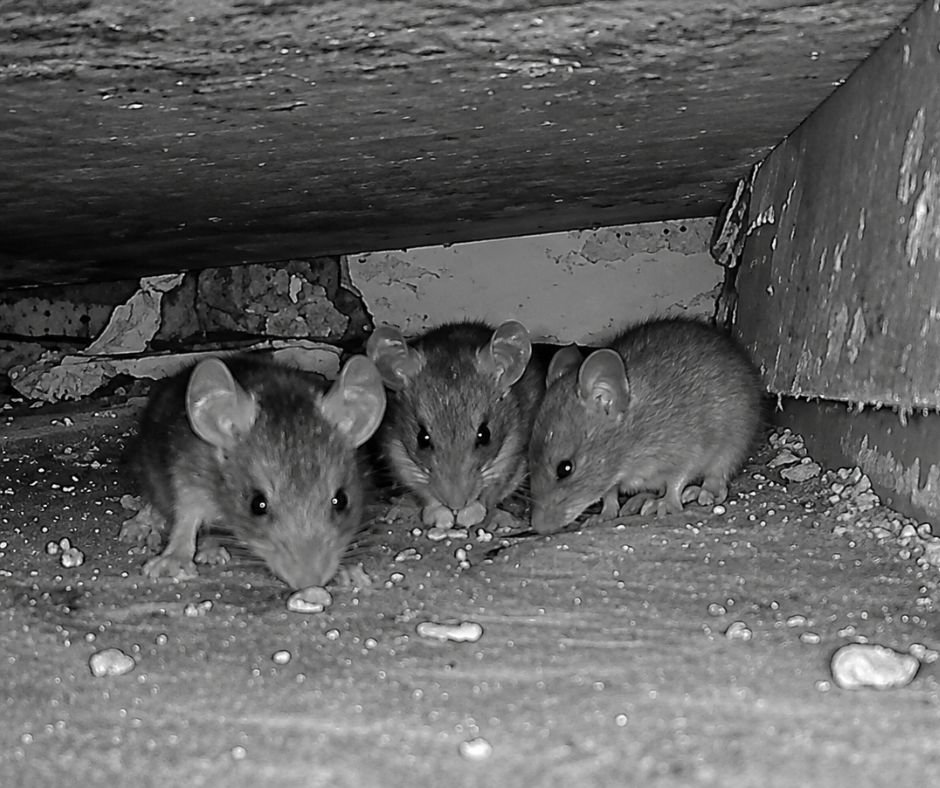
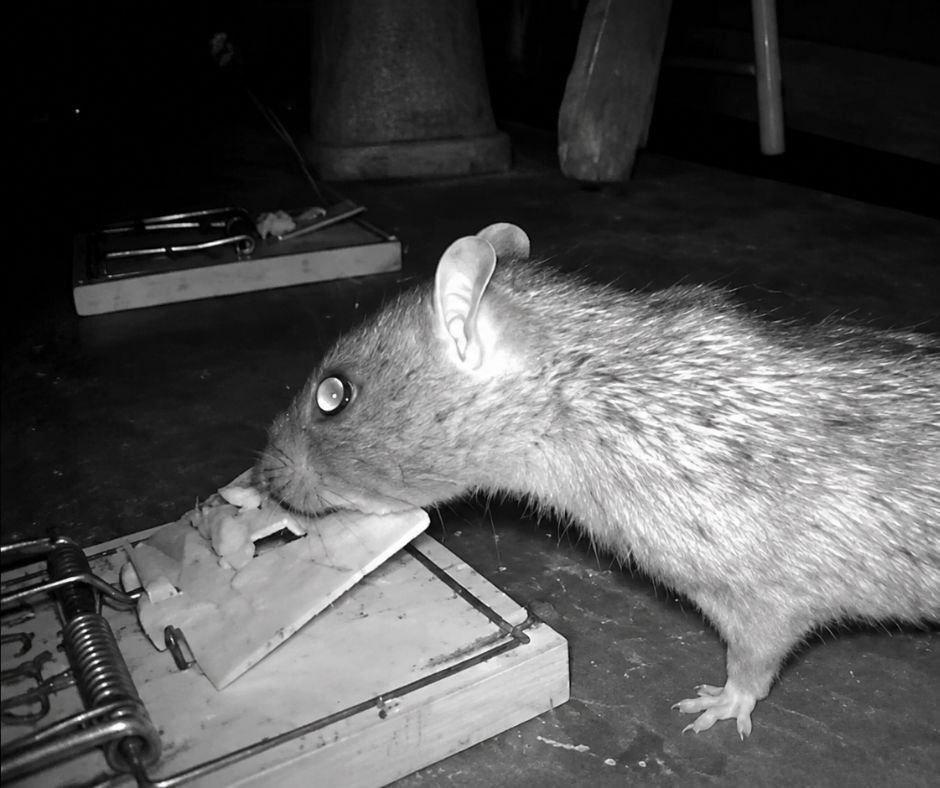
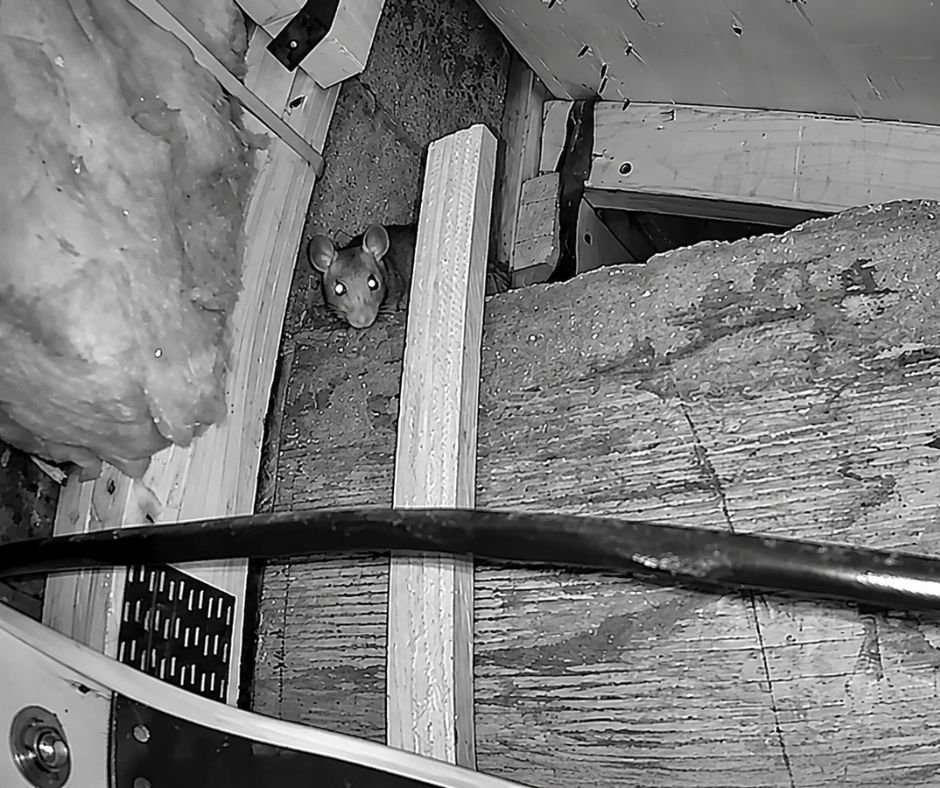
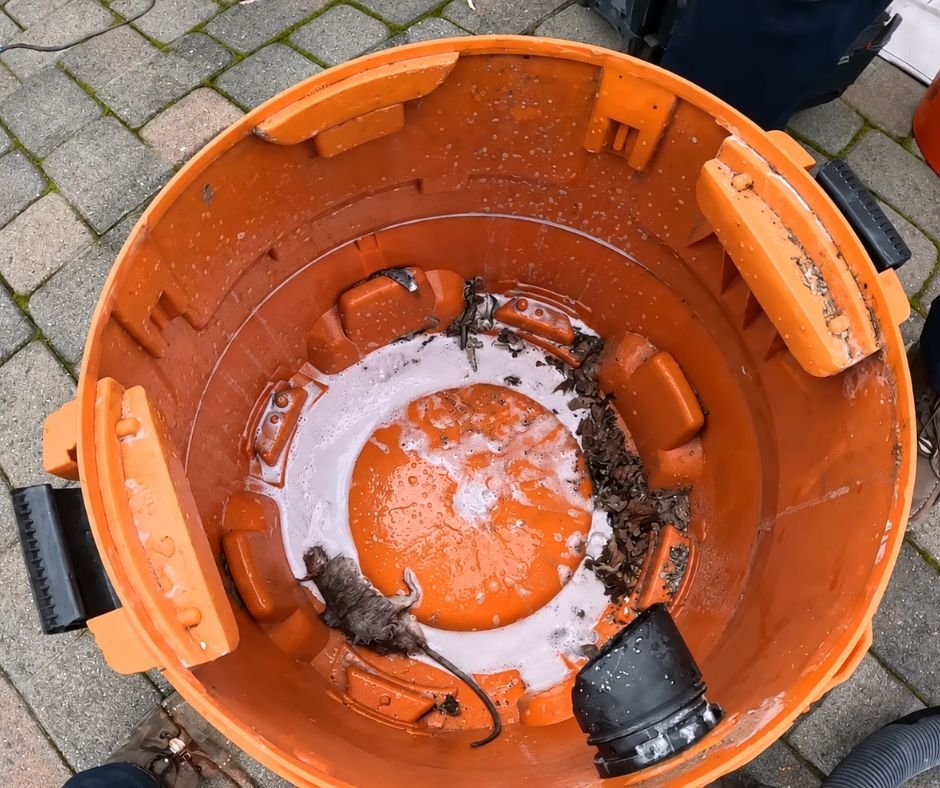
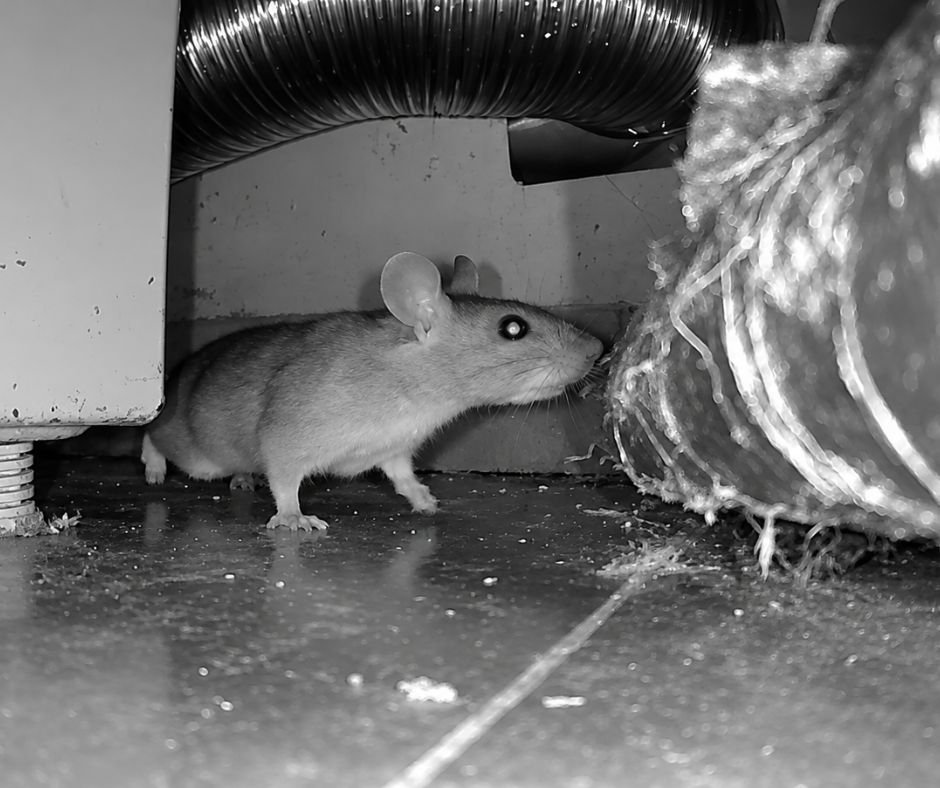
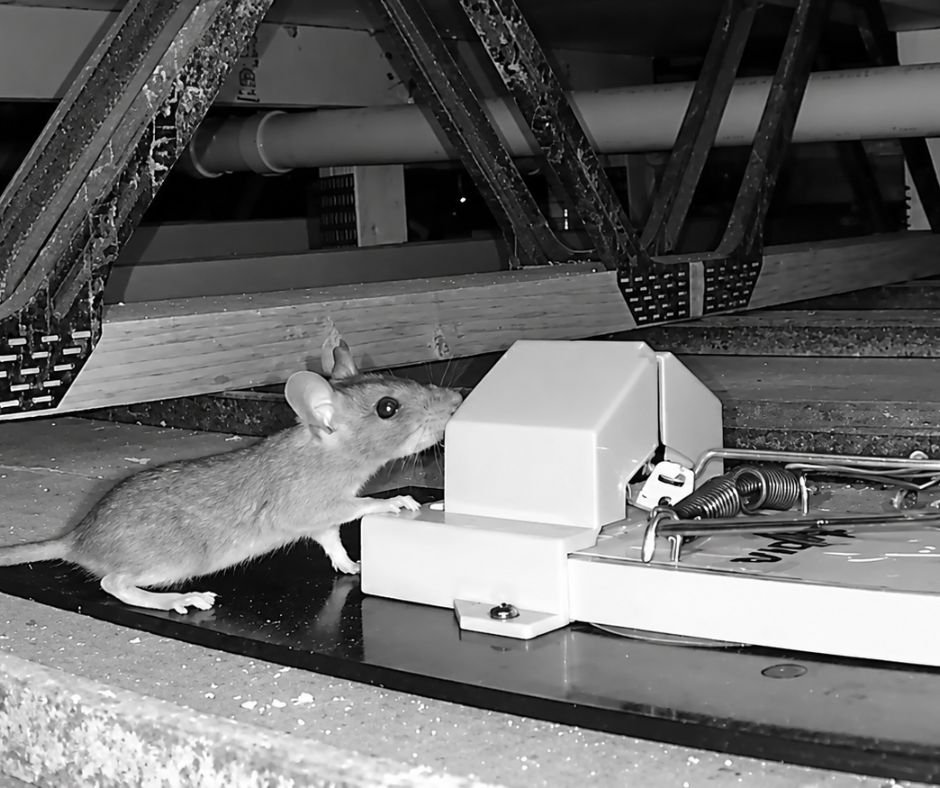
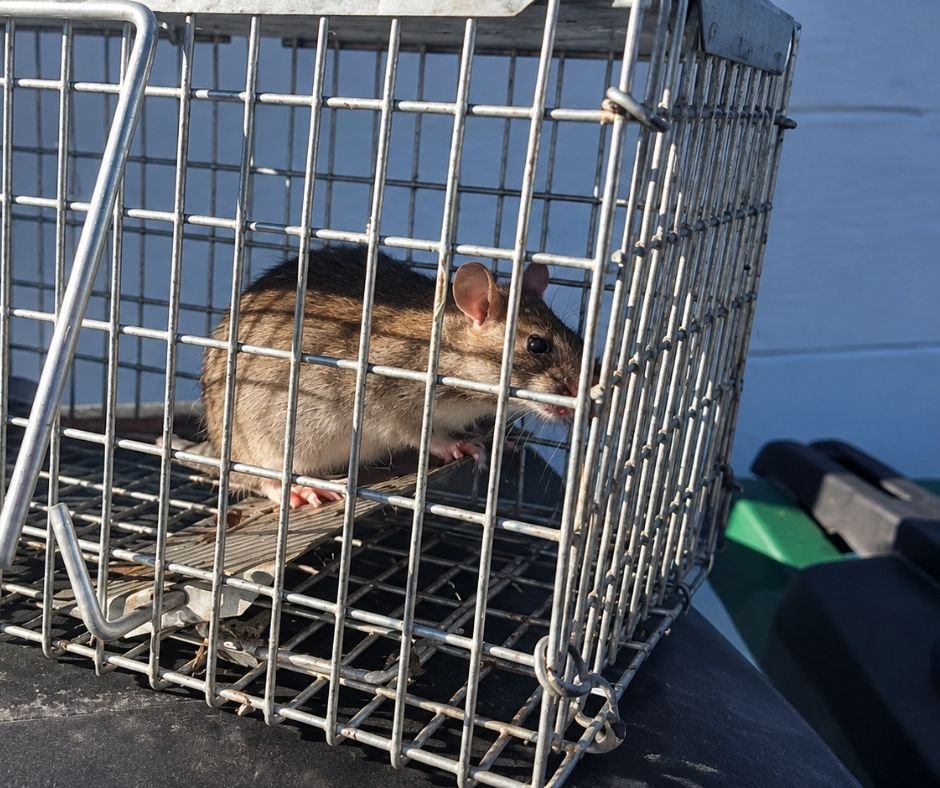
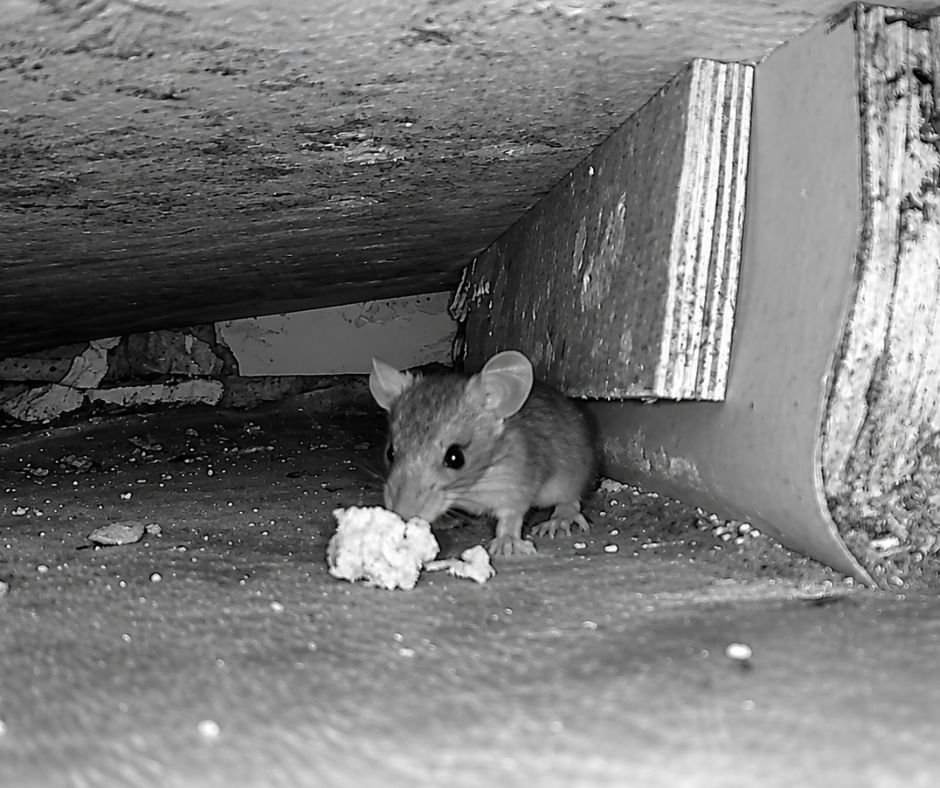
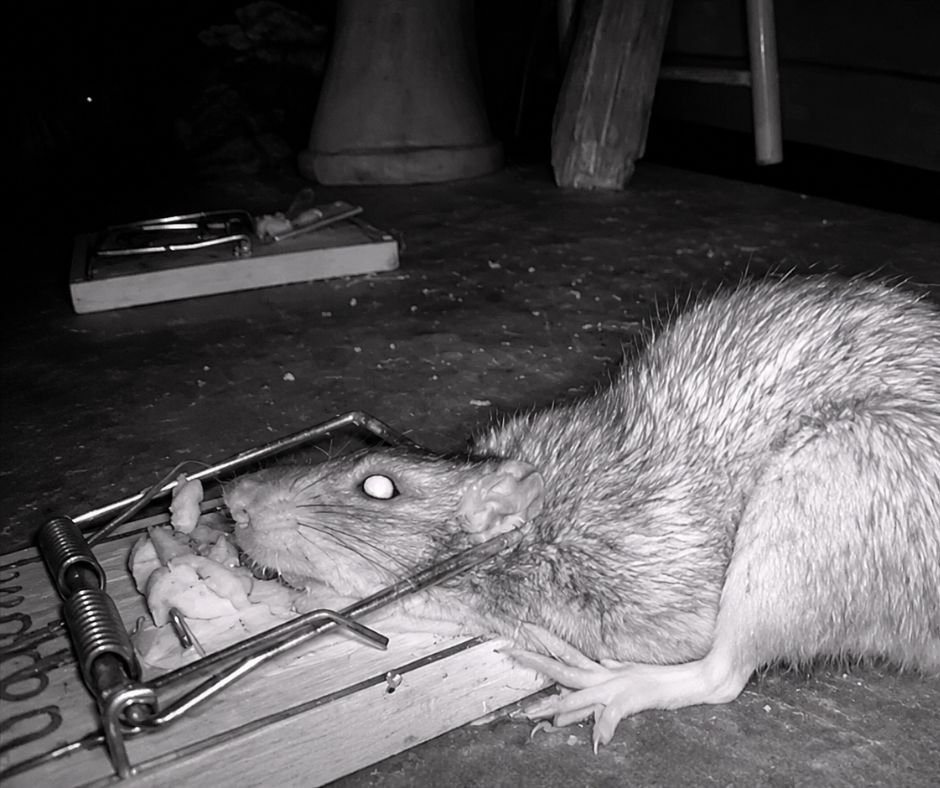
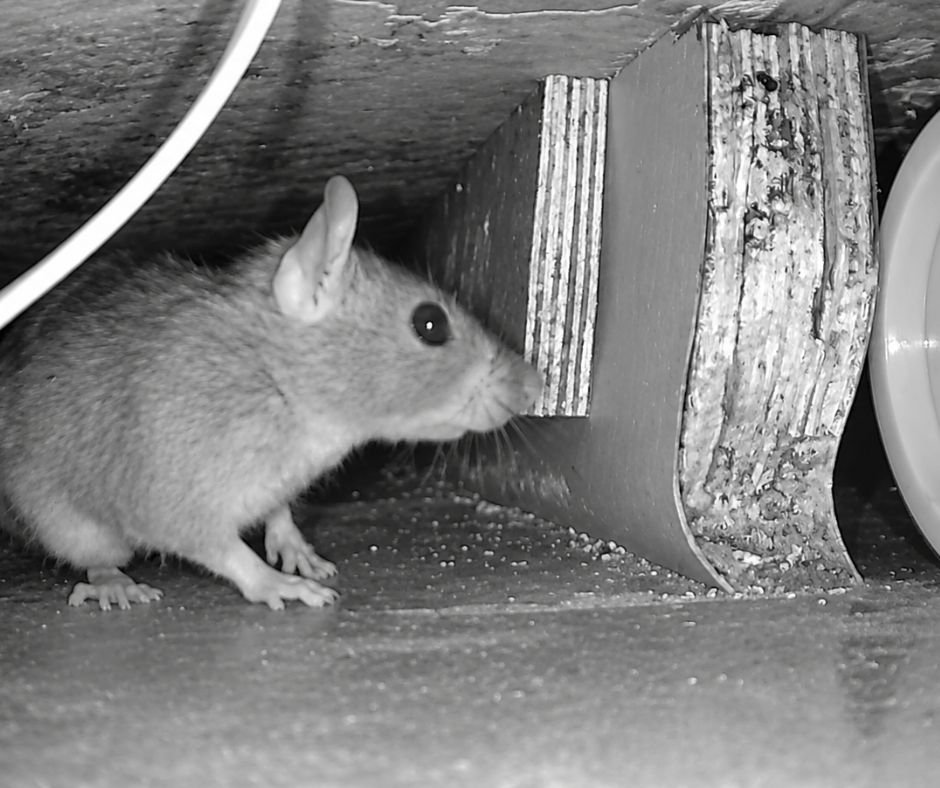
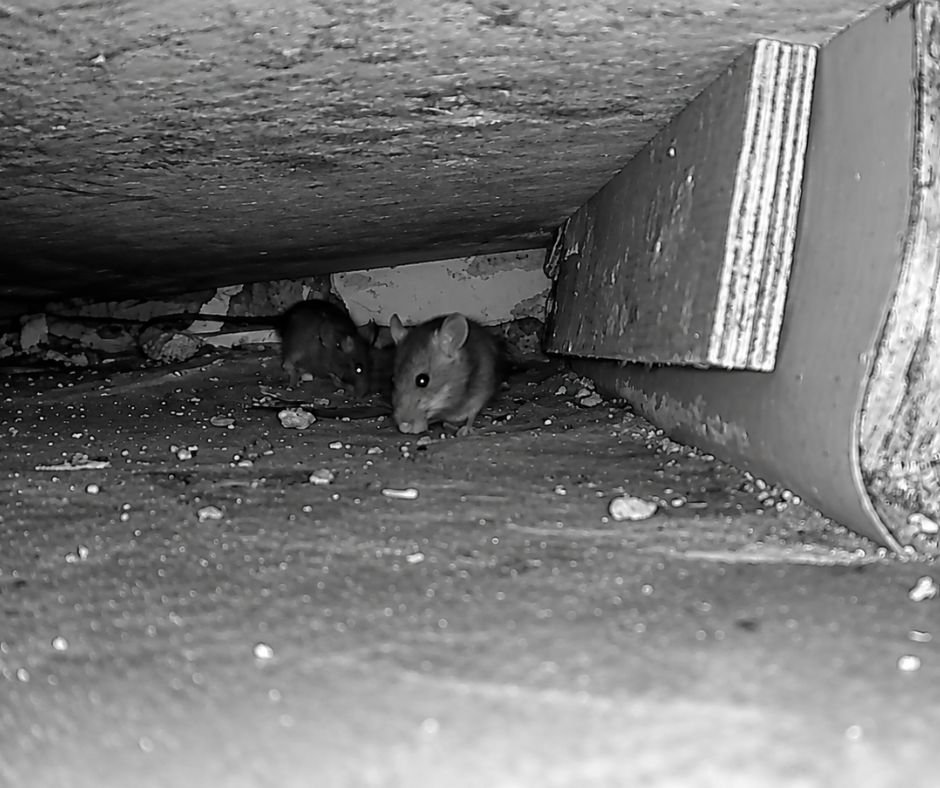
Tallahassee averages about 35 nights at or below freezing a year. As it gets cold, house mice leave leaf litter and fields and look for warm shelter. If there is a 1/4 inch gap at a garage door, vent or pipe, they come in. Sealing those gaps in the fall is the best fix.
The Capital City and Leon County
Rodent Control and Mouse Removal in Tallahassee, FL
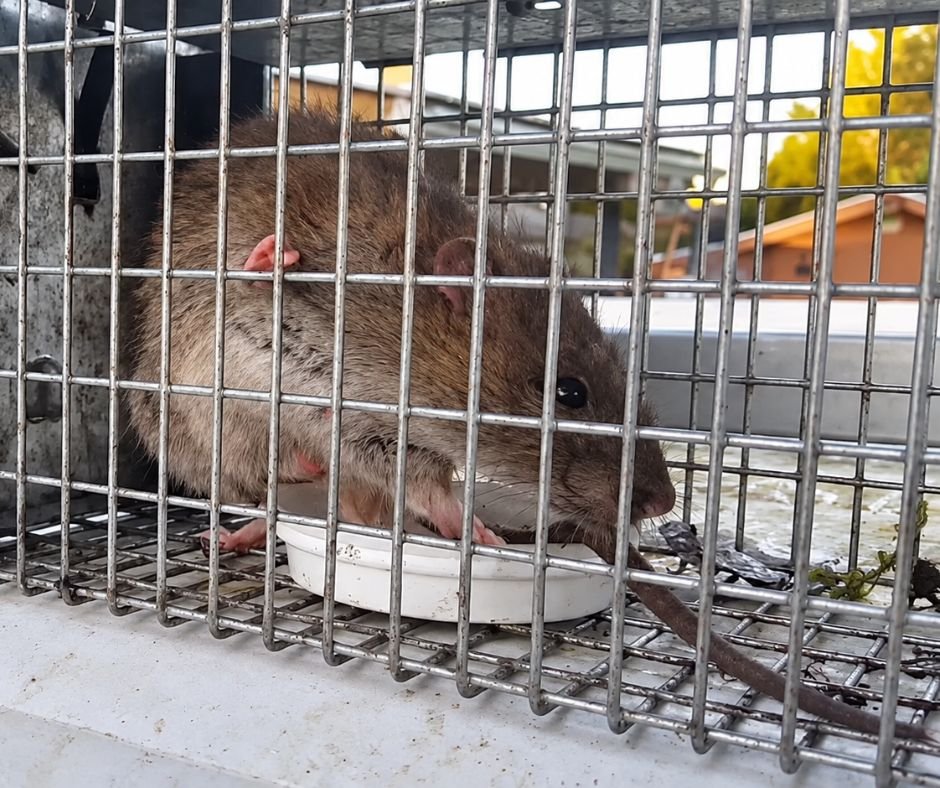
Tallahassee gets real cold nights, and that is when mice and rats move from the leaf litter and the oaks into walls, attics and crawl spaces. We find how they got in, close it with metal, trap what is inside and come back to make sure the activity has stopped.
Tallahassee by the numbers
Why Rodent Control in Tallahassee Works Differently
This is North Florida, not Miami. Tallahassee sits in the Red Hills, under a thick canopy of live oaks and pines, with freezing nights most winters and more renters than owners. Each of those facts changes where rodents live and when they come inside.
34.6
Freezing nights a year
On average, mostly between late November and mid March. Cold nights push mice indoors.
78mi
Of canopy roads
Leon County’s protected canopy road system, 20 miles of it inside the city limits.
59%
Of homes are rented
Only about 40.6% of housing units in the city are owner occupied, so landlords and tenants share the problem.
70K+
College students
FSU, FAMU and Tallahassee State College bring a big turnover of apartments and rental houses every year.
Sources: Wikipedia, Tallahassee, Florida (NOAA climate normals, student population); Leon County Public Works, Canopy Roads; U.S. Census Bureau QuickFacts, Tallahassee city, 2020 to 2024.
The Tallahassee rodent calendar
When Mice and Rats Move Indoors in Tallahassee
The average January low at the airport is about 40.5°F, and the first freeze usually lands around November 22. The Florida Fish and Wildlife Conservation Commission notes that house mice seek indoor shelter as the weather turns cold. Here is what that looks like across a Tallahassee year.
| Season | What the weather does | What rodents do | What to do now |
|---|---|---|---|
| Fall (September to November) | Nights cool off, acorns and pine seed drop, first freeze near the end of November | House mice leave fields and leaf litter for garages and walls. Roof rats have a breeding peak. | Seal before the first cold snap: garage door corners, dryer vents, AC line holes, crawl space vents |
| Winter (December to February) | Freeze window, about 35 nights at or below 32°F | Mice and rats nest in insulation, under kitchen cabinets and inside wall voids near warm appliances | Watch for droppings behind the stove and in the pantry, and for chewed wiring in the attic |
| Spring (March to May) | Last freeze around mid March, storm season starts | Second roof rat breeding peak. Young rats from the winter look for their own space. | Trim oak and pine limbs back from the roof, check storm damage to soffits and fascia |
| Summer (June to August) | Hot, wet, tropical systems possible | Rats stay active in attics and outdoor debris piles. Heavy rain floods ground burrows. | Clear brush, stored lumber and storm debris away from the house |
Sources: Wikipedia, Tallahassee, Florida (freeze dates and nights); FWC, House Mouse species profile; UF/IFAS Extension, Roof Rats publication UW120 (breeding peaks in spring and fall).
Canopy roads and big trees
Live Oaks, Pines and the Roof Rat Highway
Tallahassee is known for its canopy roads, the moss covered tunnels of live oaks you drive under on roads like Pisgah Church Road. Leon County protects 78 miles of them, with a tree protection area that covers land within 100 feet of the road’s centerline. The rest of the city is just as green, with pines, magnolias, hickories and oaks over most lots.
Those trees are great for shade, and they are also a road for the roof rat (Rattus rattus). Roof rats are climbers. They run along limbs, power lines and fences, drop onto the roof and look for a gap at the soffit, a gable vent or the spot where the roofline meets a wall. UF/IFAS says they travel up to 150 yards from the nest to eat, so a rat living in a neighbor’s oak can easily reach your attic.
On the ground, the same trees drop acorns and a deep layer of leaves and pine straw. That leaf litter is shelter for house mice (Mus musculus) all summer, until cold nights send them looking for a warmer spot.
If your home is on or near a designated canopy road, check with Leon County before cutting large limbs in the protection area. We can seal the house so trimming is not the only defense.
Tree and yard checks for Tallahassee homes
- Limbs touching or hanging over the roof, especially oaks and pines
- Spanish moss and vines that let rats climb the siding
- Thick pine straw or leaf beds piled against the foundation
- Acorns, pecans and bird seed collecting under feeders
- Woodpiles and stored lumber next to the house or the crawl space
- Utility lines running from a tree line straight to the roof
After the storm
Storm Damage Opens New Doors for Rats
Tallahassee’s big tree cover means storms bring down limbs, crush gutters and rip open soffits and roof vents. Every one of those holes is a new entry point. Debris piles left on the curb for weeks are perfect rat shelter. These recent storms hit the city hard.
2
EF2 tornadoes, May 10, 2024
Two EF2 tornadoes with peak winds near 115 mph crossed the city the same morning. Trees were snapped about 75 feet up, and about half of Tallahassee lost power.
2023
Hurricane Idalia
On August 30, 2023, a 100 year old oak split and fell onto the Governor’s Mansion. Fallen trees were reported across town.
95%
Hurricane Michael, 2018
Michael passed about 50 miles west of Tallahassee and left 95% of Leon County without power.
80%
Hurricane Hermine, 2016
A direct hit that cut power to about 80% of the city, including FSU.
Sources: National Weather Service Tallahassee, May 10, 2024 tornadoes; Wikipedia, 2024 Tallahassee tornadoes; FOX Weather, Idalia and the Governor’s Mansion; Wikipedia, Tallahassee, Florida (Michael and Hermine).
Student rentals and landlords
Rodents in Tallahassee Rentals: Who Handles What
With FSU, FAMU and Tallahassee State College in town and most homes rented, a lot of our calls come from apartments, duplexes and rental houses near campus. Florida law answers the first question everyone asks: who has to deal with it.
Tenants
If you rent an apartment
Under Section 83.51, Florida Statutes, the landlord of a dwelling unit other than a single family home or duplex must provide for the extermination of rats and mice, unless the lease or the law says otherwise. Single family homes and duplexes can have this changed in writing, so read your lease.
- Tell your landlord or property manager in writing, with photos of droppings or damage
- Keep food in sealed containers and take trash out often
- Do not plug holes with foam yourself. It hides the entry point and rats chew through it.
Landlords
If you own rentals
The best time to inspect and seal a unit is between leases, while it is empty. In buildings with shared walls, rodents travel between units, so we look at the whole building, not just the unit that called.
- Sealing plans for duplexes, quadplexes and small apartment buildings
- Exterior bait stations in locked, tamper resistant boxes
- Written notes after each visit for your records
- A plan and price you approve before any work starts
Source: Florida Statutes, Section 83.51, Landlord’s obligation to maintain premises. This is general information, not legal advice. See also commercial rodent control.
Services available in Tallahassee
Rat and Mouse Removal Services in Tallahassee
Most Tallahassee jobs combine a few of these: an inspection, sealing, trapping and cleanup. Choose a service to learn more, or call and we will tell you what your property needs.
Residential Rodent ControlAttic and crawl space rat removal for Tallahassee homes, from historic Frenchtown and Midtown to newer Killearn Estates and SouthWood.Learn More →
Commercial Rodent ControlScheduled service with written visit logs for restaurants and offices downtown, near the Capitol, and along the FSU and FAMU corridors.Learn More →
Rodent RemovalTraps placed on the paths rats use through attics and yards, checked on return visits until the activity stops.Learn More →
Dead Rodent RemovalBad smell in a wall or ceiling? We find and remove the dead rodent, then clean and deodorize the area.Learn More →
Rodent CleanupRemoval of droppings, urine and nests from attics and garages, with advice on insulation replacement.Learn More →
Rodent ExterminatorEPA and FDACS certified technicians who use traps indoors and follow product labels around kids and pets.Learn More →
Rodent ExclusionWe seal soffits, roof vents, pipe gaps and garage corners with metal and mortar so rats cannot get back in.Learn More →
Rodent Feces RemovalCareful cleanup of droppings with disinfectant, never sweeping or vacuuming, which can spread germs.Learn More →
Rodent ProofingDoor sweeps, vent screens, roofline sealing and tree trimming advice for Tallahassee homes.Learn More →
Know what you have
Rats and Mice Found in Tallahassee Homes
The right fix depends on the animal. A climber in the attic needs the roofline sealed. A burrower needs the foundation and ground level closed. Droppings are the easiest way to tell them apart.
Most winter calls
House mouse (Mus musculus)
Small, brownish, with large ears and a long tail. Not native to Florida but now found statewide, in houses and also in old fields and roadsides. CDC says a mouse can fit through a hole about the width of a pencil, 1/4 inch. Droppings are tiny, about the size of a grain of rice.
Attics and trees
Roof rat (Rattus rattus)
12 to 14 inches long with a tail longer than its body. Nests in attics, soffits, hollow trees and debris piles. Droppings are black, pointed and about 1/4 to 1/2 inch long. Noise in the ceiling at night is the classic sign.
Ground level
Norway rat (Rattus norvegicus)
A heavier rat that burrows. UF/IFAS calls it less common than the roof rat in Florida, but when we find one it is usually near dumpsters, sheds, under slabs or along ditches and creek banks.
Sources: FWC, House Mouse profile; CDC, How to Seal Up to Prevent Rodents; UF/IFAS Extension, Roof Rats UW120.
Inspection by home type
Where We Look First in Tallahassee Houses
A 1926 home in Los Robles and a newer house in SouthWood do not fail in the same places. CDC lists the main spots rodents use to get in. This is how those spots line up with the homes we see around Leon County.
| Home type | Where you see it | First places we check |
|---|---|---|
| Older homes near downtown | Los Robles (built from 1926, stucco and tile roofs), Magnolia Heights, Midtown, Frenchtown, streets around Lake Ella | Tile roof edges, gable and soffit vents, gaps where additions meet the old house, utility lines through old walls |
| Homes on a crawl space | Raised houses across town, on the hills and slopes | Crawl space vents and doors, the joint where the foundation meets the ground, plumbing and gas lines through the floor |
| Wooded lots on the north and east side | Killearn Estates, Killearn Lakes, Betton Hills, homes near Lake Jackson and Lake Lafayette | Roofline under overhanging oaks and pines, attic vents, garage door seals, dryer vents |
| Student apartments and rentals | Near FSU, FAMU and Tallahassee State College | Shared wall chases, pipes under sinks, gaps behind appliances, dumpster areas and back doors |
| Newer subdivisions | SouthWood and new builds on the edges of the city | Garage door corners, AC line and cable openings, weep gaps, construction nearby pushing rodents out |
| Manufactured homes | Mobile home parks around the county | Gaps in the skirting, plumbing openings in the floor, flashing at the base of the home |
Sources: Tallahassee and Leon County Heritage Neighborhoods (Los Robles, 1926); CDC, How to Seal Up to Prevent Rodents (inspection points). Every home is different, so we inspect the whole house.
How the job runs
From the First Call to the Last Check
Most Tallahassee homes follow the same order. Big attics, crawl spaces and multi unit buildings take longer, and we tell you that up front.
- Visit 1
Look everywhere
Roofline, attic, crawl space, garage and yard. You get photos of each entry point, a written plan and a price to approve.
- After approval
Close the gaps
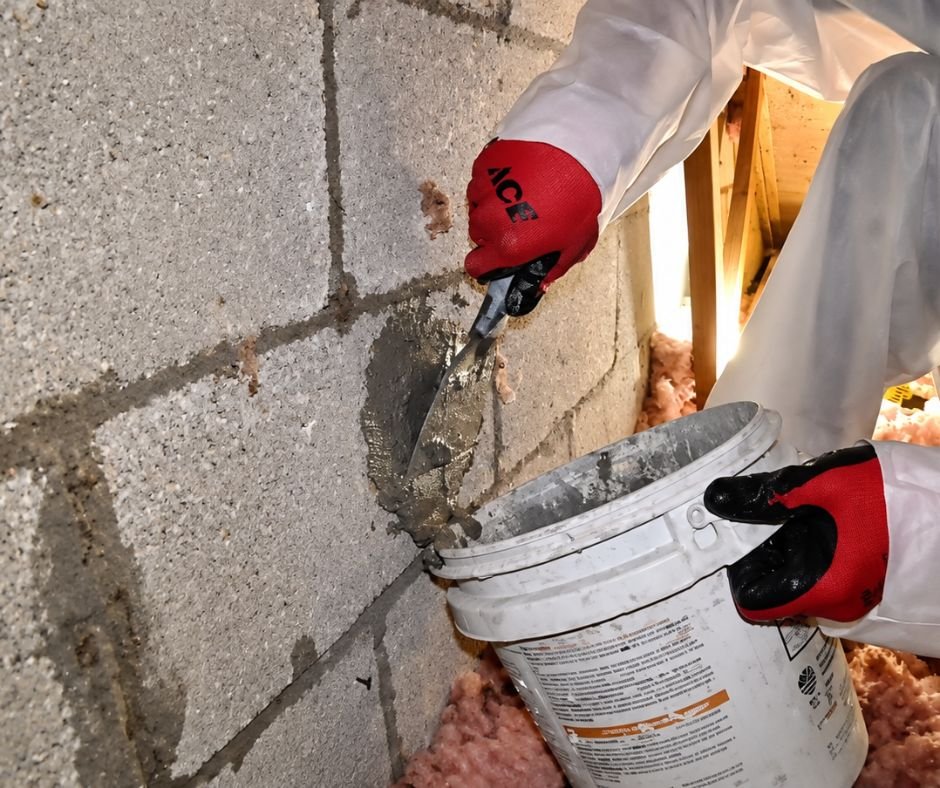
Exclusion with sheet metal, 1/4 inch hardware cloth, mesh and cement, cut to fit around pipes and vents.
- Next 1 to 2 weeks
Trap inside
Snap traps set on the runways rats and mice use, checked and moved on each return visit.
- Once activity stops
Clean and disinfect
Droppings, nests and soiled insulation removed the CDC way, wet with disinfectant and never swept.
- Follow-up
Confirm it is done
We come back to check for new droppings or rub marks before closing the job.
Mistakes and rules
What Backfires, and the Rules That Help
The CDC warns that sweeping or vacuuming droppings can put germs in the air. Open the space for 30 minutes first, wear rubber or plastic gloves, soak droppings and nests with disinfectant or 1 part bleach to 9 parts water for 5 minutes, then wipe up with paper towels.
Before you hire anyone, ask for the company’s license. Pest control in Florida is licensed by the Florida Department of Agriculture and Consumer Services (FDACS) under Chapter 482, Florida Statutes. Our team is EPA and FDACS certified.
If an overgrown or junk filled lot next door is feeding the problem, the City of Tallahassee treats untended growth over 12 inches and junk, trash and debris in the yard as code violations. Call Code Enforcement at 850-891-7007 or use the DigiTally app.
Sources: CDC, How to Clean Up After Rodents; CDC, How to Seal Up to Prevent Rodents; UF/IFAS Extension UW120; City of Tallahassee Code Enforcement, Common Violations and Contact.
Things that do not fix it
- Ultrasonic devices. UF/IFAS says there is no evidence they drive rodents away, and they may hurt dogs’ hearing.
- Repellent sprays and sachets. No repellent is registered for roof rats.
- Foam alone in holes. CDC only suggests foam to hold steel wool in place. Rats chew plain foam.
- Loose poison indoors. Rodents can die in the walls or crawl space and cause a strong odor. See dead rodent removal.
- Waiting for spring. Mice that move in during the freeze window keep breeding inside.
Primary Tallahassee response zone
Tallahassee service coverage
Is your ZIP on the route?
These are our most frequently served ZIP codes in Leon County. Nearby areas may also qualify. Call if you do not see yours.
323013230332305323083230932310323113231232317
Areas we serve
Check my address →
Frenchtown · Midtown · Killearn Estates · SouthWood · Lafayette Park · Myers Park · Apalachee Ridge · Seminole Manor
Tallahassee rodent control FAQ
Questions We Hear Around Tallahassee
From student apartments near campus to wooded lots in Killearn, these are the questions people in Leon County ask us most. Do not see yours? Call our team.
Call (561) 562-7607 →Squirrels are mostly busy in the morning and daytime. Rats and mice are busiest at night. Black, pointed droppings 1/4 to 1/2 inch long point to roof rats. Tiny rice sized droppings point to mice. We can tell you for sure at the inspection.
For most apartments, no. Section 83.51, Florida Statutes, requires landlords of units other than single family homes and duplexes to provide for the extermination of rats and mice, unless a condition was caused by the tenant. Houses and duplexes can be different if the lease says so in writing. This is general information, not legal advice.
Usually not. Trimming limbs back from the roof helps, but sealing the house is what keeps rats out. If you are near a designated canopy road, check with Leon County before cutting in the protection area.
Yes. A limb that cracks a soffit or knocks a vent cover loose opens a new entry point, and debris piles give rats shelter. After a storm like the May 2024 tornadoes or Hurricane Idalia, have the roofline checked when repairs are done.
It depends on how many entry points need sealing, the size of the attic or crawl space, and how many rodents are inside. We do not quote blind. After the inspection you get a written plan and price, and nothing starts until you approve it.
Yes. We check crawl space vents, doors, the foundation line and every pipe through the floor, seal them with hardware cloth, metal or cement, set traps and remove droppings and damaged insulation.
All of Tallahassee, from Midtown, Frenchtown and the campus areas to Killearn, Betton Hills, SouthWood and homes near Lake Jackson, plus the rest of Leon County and nearby towns like Bradfordville and Midway.
Outside Tallahassee?
Nearby Cities We Serve
Tallahassee dispatch is ready
Rats in Your Tallahassee Home or Business?
Call now. We will inspect the property, show you where rodents are getting in, and seal it so they stay out.
Request Tallahassee service
Give us a call. We’ll handle the next step.
Call us, tell us what you are seeing and where you are located, and our team will confirm the right appointment type and timing.
Serving TallahasseeTallahassee, Florida(561) 562-7607Open 24 hours · 7 days a week