Running in the ceiling
Quick footsteps or scratching above the ceiling after dark. Roof rats are most active a few hours after sunset.
Scratching in the attic at night or droppings in the garage? Florida Rodent Control Pros removes rats and mice from Sebring homes and businesses, from the historic buildings around Circle Park downtown to homes near Lake Jackson and out at Sun ‘n Lake. We find how they get in, seal it, and remove the rodents already inside.
Rodent problem right now? Our team is taking calls in Sebring.
Call (561) 562-7607Sebring is built around Lake Jackson, a 9,212 acre lake that makes water almost 38 percent of the city. Dinner Lake and Little Lake Jackson sit nearby too. Warm weather most of the year, citrus groves on the edge of town, and a mix of 1920s buildings downtown and newer homes near Sun ‘n Lake give rats plenty of places to hide.
Roof rats are the rodent we remove most in Sebring. They travel through oak trees and citrus groves at the edge of the city, then drop onto roofs and get in through soffit gaps and roof vents. Around the Downtown Historic District and Circle Park, the older Mediterranean Revival buildings and nearby homes often have original vents and rooflines that were never sealed.
Norway rats stay closer to the ground and water. We find them along the shoreline of Lake Jackson and Dinner Lake, in low drainage areas, and around dumpsters at businesses on US 27, the highway that runs through the middle of Sebring. Out at Sun ‘n Lake, a golf community off US 27 with its own lakes and a nature preserve, rats and mice move from the preserve edges and golf course into garages and screened lanais.
Most Sebring jobs combine a few of these: an inspection, sealing, trapping and cleanup. Choose a service to learn more, or call and we will tell you what your property needs.
Rodents move at night, so most Sebring homeowners find these clues before they ever see one. If you notice 2 or more, it is time for an inspection.
Quick footsteps or scratching above the ceiling after dark. Roof rats are most active a few hours after sunset.
Dark pellets about 1/2 inch long point to rats. Tiny ones about 1/8 inch point to mice.
Rats gnaw on wiring, AC insulation and irrigation lines. This can lead to shorts, leaks and costly repairs.
Hollowed oranges or grapefruit near a grove edge or backyard tree is a classic roof rat sign around Sebring.
Urine and nesting material leave a sharp odor, often strongest in closets, cabinets and the attic hatch.
Dogs or cats staring at a wall, sniffing under appliances or pawing at a cabinet often sense rodents first.
Roof rats cause most attic calls in Sebring, Norway rats show up near Lake Jackson, drainage canals and dumpsters, and house mice get into kitchens and pantries. Knowing which one you have tells us where to look and how to stop it.
Every job in Sebring starts with a full inspection, inside and out. We look for how rodents get in, where they live, and what is feeding them.
Trapping alone does not fix the problem if the openings stay open. We close the way in first, then remove the rodents already inside.
The CDC links rats and mice to several diseases. People can get sick from contact with droppings, urine or saliva, from bites, or from breathing dust from contaminated areas.
Source: CDC rodent control and cleanup guidance.
In Florida, pest control companies are licensed by the Florida Department of Agriculture and Consumer Services (FDACS) under Chapter 482, Florida Statutes. Rodent work falls under the General Household Pest and rodent control category.
Our team is EPA and FDACS certified. Call (561) 562-7607 with any questions.
We look at the whole property, from the roofline to the foundation. What we check depends on how the home is built, since a 1920s downtown building and a newer Sun ‘n Lake home have very different weak spots.
A rat can squeeze through a gap about 1/2 inch wide, and a mouse through about 1/4 inch.
Setting traps without sealing the openings only buys time. We follow the same 5 steps on every job so the rats do not come back.
We walk the property, check the attic and mark every entry point and sign of activity.
Openings are closed with metal flashing, 1/4 inch hardware cloth, mesh and mortar. We do not rely on foam.
Traps go on the paths rats use. We check them on return visits and remove what we catch.
Droppings and nests are removed and the area is disinfected. We tell you if insulation needs replacing.
We come back until there are no new signs, then give you simple tips to keep it that way.
The number of visits depends on how many rats are inside and how many openings the home has. We tell you what to expect after the first inspection.
According to the CDC, rats and mice can spread disease through their droppings, urine, saliva and bites. These are the main concerns.
Can spread when dust from dried droppings or urine is stirred up and breathed in. This is why you should never sweep droppings.
Spread through water or soil that has rodent urine in it. Standing water around Lake Jackson after heavy rain can be a concern.
Food and counters touched by rodents or their droppings can carry salmonella bacteria.
Spread by bites or scratches, or by handling rodents. Always use gloves or tools, never bare hands.
Rodents carry fleas and mites that can move to pets and people after the rodents are gone.
Chewed wires can start fires, and chewed water or AC lines can cause leaks inside walls.
A lot of common advice makes a rat problem last longer. Here is what actually works.
A single mouse in the kitchen can sometimes be handled with a few snap traps. Rats in the attic are a different job.
The problem with DIY: most store-bought fixes catch rats but leave the openings in place, so new rats move in from nearby citrus groves, oaks and the lake.
Ask a technician →| Situation | DIY | Professional |
|---|---|---|
| One mouse seen once | Snap traps may be enough | Call if it comes back |
| Noises in the attic | Hard to reach and seal safely | Roofline sealing and attic trapping |
| Droppings in several rooms | Usually means many rodents | Full inspection and plan |
| Chewed wires or AC lines | Risk of fire or leaks | Find the source and seal it |
| Dead rodent smell | Hard to locate in walls | Locate, remove and deodorize |
| Rats near a golf course pond or lake | Burrows are hard to find and close | Shoreline inspection and ground-level sealing |
From the historic buildings around Circle Park to homes on Lake Jackson and golf course homes at Sun ‘n Lake, each Sebring property has its own weak spots. We look at the roofline, attic, garage and yard, then seal the openings rats are using.
We check soffits, vents and roof edges, then walk you through what we found.
Openings are closed with metal flashing, hardware cloth and mortar, not foam alone.
Indoor trapping avoids dead rodents in the walls and keeps bait away from kids and pets.
We remove droppings and nests and tell you if insulation should be replaced.
Restaurants and shops around Circle Park and along US 27 deal with daily deliveries and doors that open all day. During race weeks at Sebring International Raceway, hotels and restaurants see a surge of visitors and cannot afford a rodent problem. Florida restaurants are inspected by the DBPR Division of Hotels and Restaurants, and signs of rodents are something inspectors look for.
Regular visits to check traps and stations, planned around your business hours.
A record of each visit that you can show a manager or inspector.
Door sweeps and gaps at docks and walls closed with rodent-proof materials.
Simple changes to dumpster areas and dry storage that make your site less attractive to rats.
Sebring has homes from the 1920s downtown to newer construction at Sun ‘n Lake. The way a property is built tells us where to look first.
Sebring is a small city with a few very different areas. Here is what we usually check first in each one.
Mediterranean Revival buildings from the 1920s with original rooflines. Rats nest in old vents and attic spaces above shops and offices.
Homes and docks along the shoreline. Norway rats burrow near the water and move into garages and sheds close to the lake.
A golf community off US 27 with its own lakes and a nature preserve. Rodents move from the preserve and golf course edges into garages and lanais, especially at seasonal homes.
Shops, restaurants and hotels along the highway that runs through the middle of Sebring. We set up scheduled commercial service with written logs here.
Hotels and restaurants near the track see a surge of visitors during the 12 Hours of Sebring each spring. We schedule extra checks before race week.
Homes bordering Florida’s first state park, about 4 miles west of downtown. Native scrub habitat means rodents are always close by.
Sebring has a humid subtropical climate, and about 57 percent of the year’s rain falls between June and September. Rodents stay active all year, but the weather and the seasonal population change where they go.
Afternoon storms from June to September raise the water level in Lake Jackson and Dinner Lake, pushing Norway rats toward garages, sheds and higher ground.
Tip: Keep garage doors closed and clear stored items off the floor.
Hurricane Ian caused agriculture damage and flooding across Highlands County in 2022, and repairs on roads and roofs followed for months. Storm damage to soffits and rooflines gives rats a new way in.
Tip: After a storm, walk around the house and check the roofline.
From late fall through spring, part-time residents return to homes at Sun ‘n Lake and around the city. A home that sat empty for months can have rodents already nesting inside by the time the owners arrive.
Tip: Have a seasonal home checked before you move back in for the season.
Highlands County is citrus country, and backyard and grove-edge citrus trees are an easy meal for roof rats, which is a reason they stay close to homes near groves.
Tip: Pick fruit as it ripens and clear what falls every day.
Sealing the openings does most of the work. These habits help keep new rodents from moving in.
Sebring is not one kind of property. What we do at a historic building near Circle Park is different from what we do at a golf course home at Sun ‘n Lake.
These 1920s Mediterranean Revival buildings have original vents and roof lines that were never built to be rodent-proof.
Our approach: We inspect the roofline and attic space, seal gaps with metal and hardware cloth, then trap until activity stops.
Homes bordering the golf courses, preserve and lake shoreline give rodents natural cover right up to the garage and lanai.
Our approach: We check the garage, lanai screen and roofline first, then seal the openings we find with metal flashing and hardware cloth.
A home that sits empty for months during the off season can have rats nesting inside long before the owner returns.
Our approach: We inspect the whole property, clear out any nests we find, and seal entry points so it stays that way until you are back.
These steps follow CDC cleanup guidance and help keep your family safe.
Call (561) 562-7607These are the ZIP codes we serve most in and around Sebring. Call if you do not see yours.
Downtown Sebring · Circle Park · Lake Jackson · Sun ‘n Lake of Sebring · US 27 corridor · Sebring International Raceway area · Highlands Hammock area
“Florida Rodent Control Pros did a thorough job at our home near Lake Jackson. They found where the rats were getting in and sealed it up.”
Jessica M.Sebring, FL
Verified“Called them for our restaurant near Circle Park. They set up scheduled visits and kept a log for our inspections.”
Tom R.Sebring, FL
Verified“We only use our place at Sun ‘n Lake part of the year. They checked it before we moved back in and explained what to watch for.”
Linda S.Sebring, FL
VerifiedHave a question that is not listed? Call and a team member will help.
Call (561) 562-7607 →Most homes need a first visit for the inspection and sealing, then follow-up visits over the next few weeks to check traps. The exact number depends on how many rats are inside and how many openings the home has. We tell you what to expect after the first inspection.
Many buildings around Circle Park and the Downtown Historic District date to the 1920s. Original vents, older rooflines and gaps in soffits give rats an easy way into the attic. We seal those openings with hardware cloth and metal.
Yes. A closed-up home near the golf course or preserve can get rats or mice nesting inside without anyone noticing for months. We recommend an inspection before you return for the season.
We do not recommend it. Poisoned rats often die inside walls or ceilings where you cannot reach them, which causes a strong smell. Trapping indoors and sealing the openings works better.
Rats are usually active at night, while squirrels are active in the daytime. Rat droppings are about 1/2 inch long. If you are not sure, an inspection will tell us which animal it is.
Highlands County saw flooding and agricultural damage from Hurricane Ian in 2022, and homes with storm damage to the roofline are more likely to have new entry points for rodents. If your home had storm repairs, it is worth having the roofline checked.
The CDC advises not to sweep or vacuum droppings. Air out the area, wear gloves, spray the droppings with disinfectant or a bleach solution, let it soak for 5 minutes, then wipe up with paper towels. For attics or large amounts, call us.
Yes. We also serve Lake Wales and Bartow. Call (561) 562-7607 to check your address.
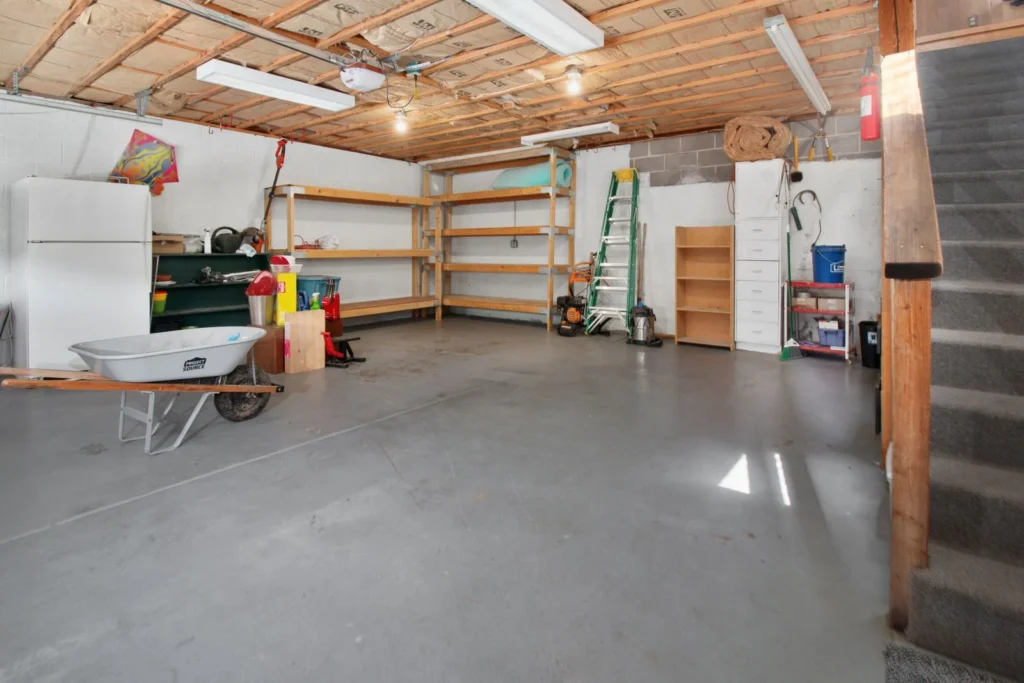
Call now. We will inspect the property, show you where rodents are getting in, and seal it so they stay out.
Call us, tell us what you are seeing and where you are located, and our team will confirm the right appointment type and timing.
These pictures come from our own inspection cameras and job sites: rats caught in traps, mice under cabinets, the entry points we find, and the sealing work that keeps them out.
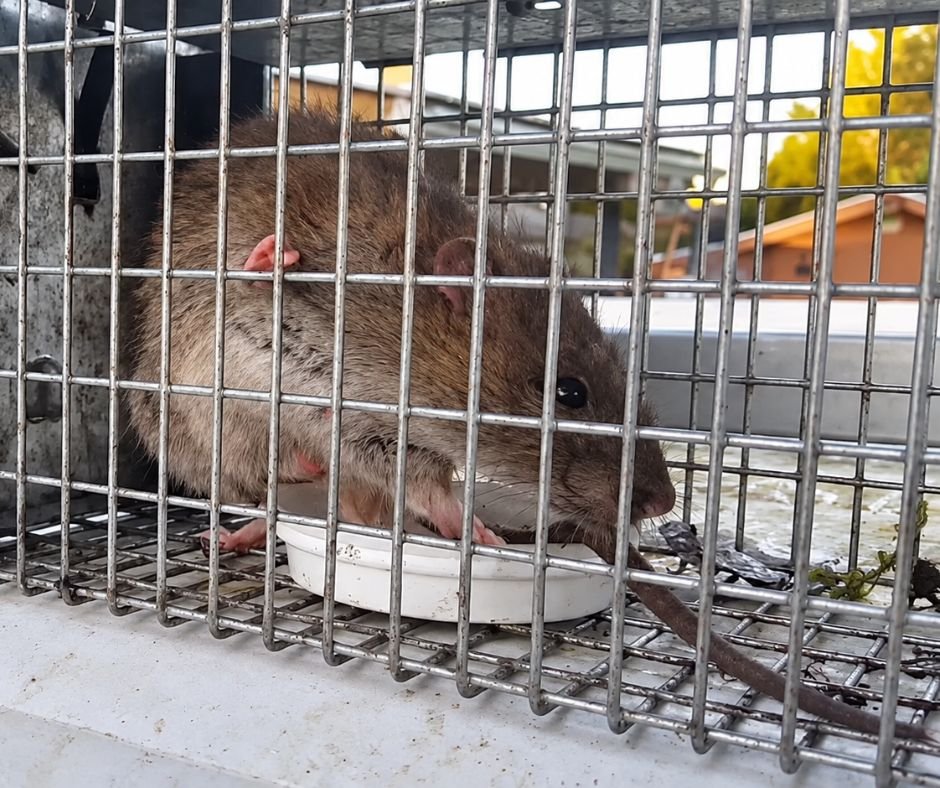 Rat caughtClose-up of a rat caught in a cage trap
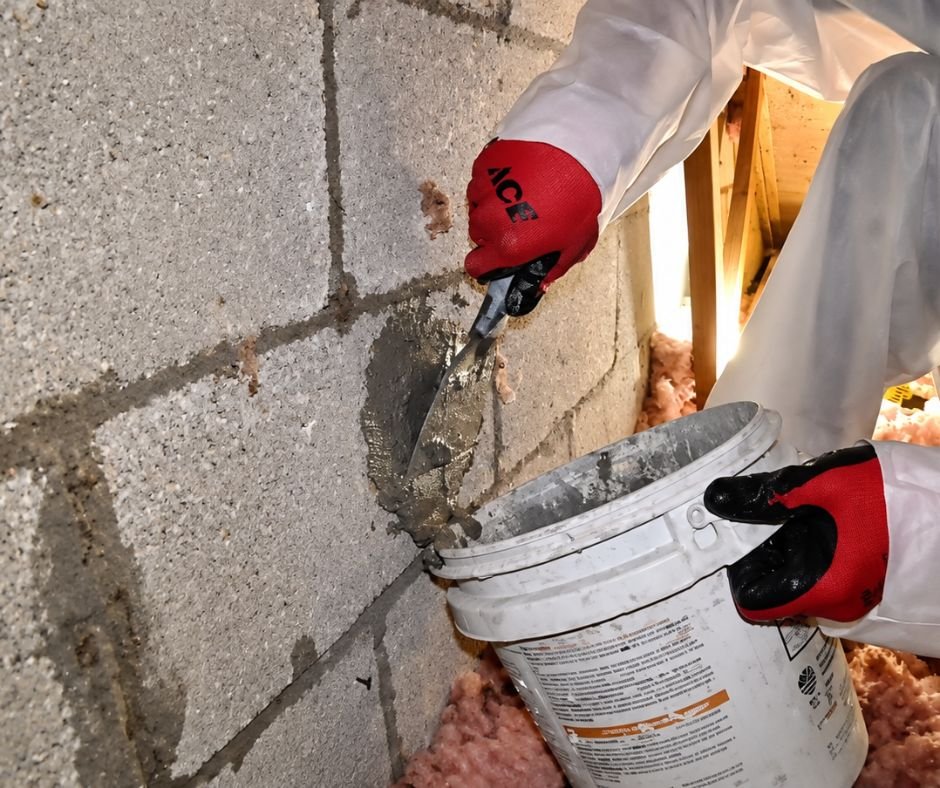 Exclusion workTechnician sealing a block wall gap with mortar
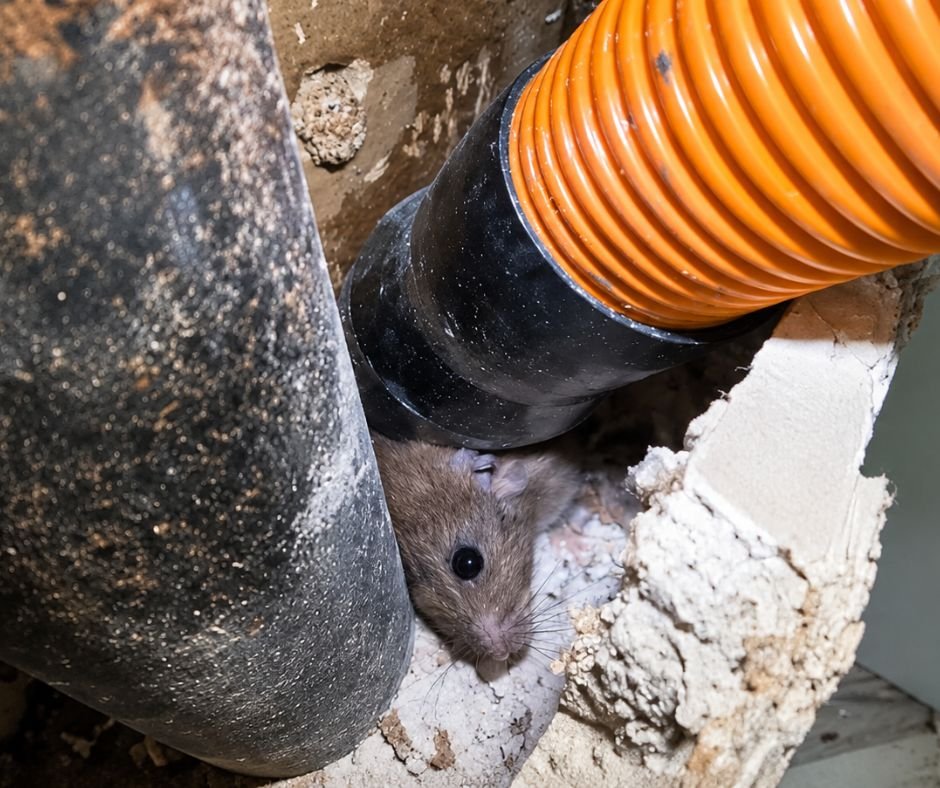 Entry point foundRat squeezing past an unsealed pipe penetration in a wall
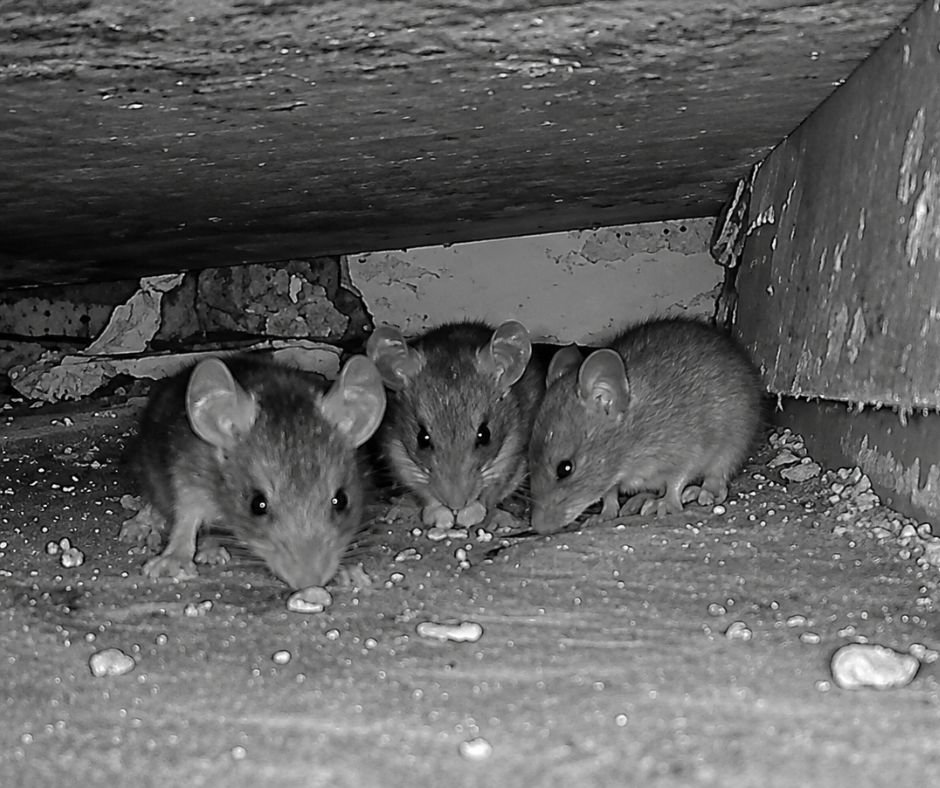 Kitchen inspectionThree mice caught on camera under a cabinet
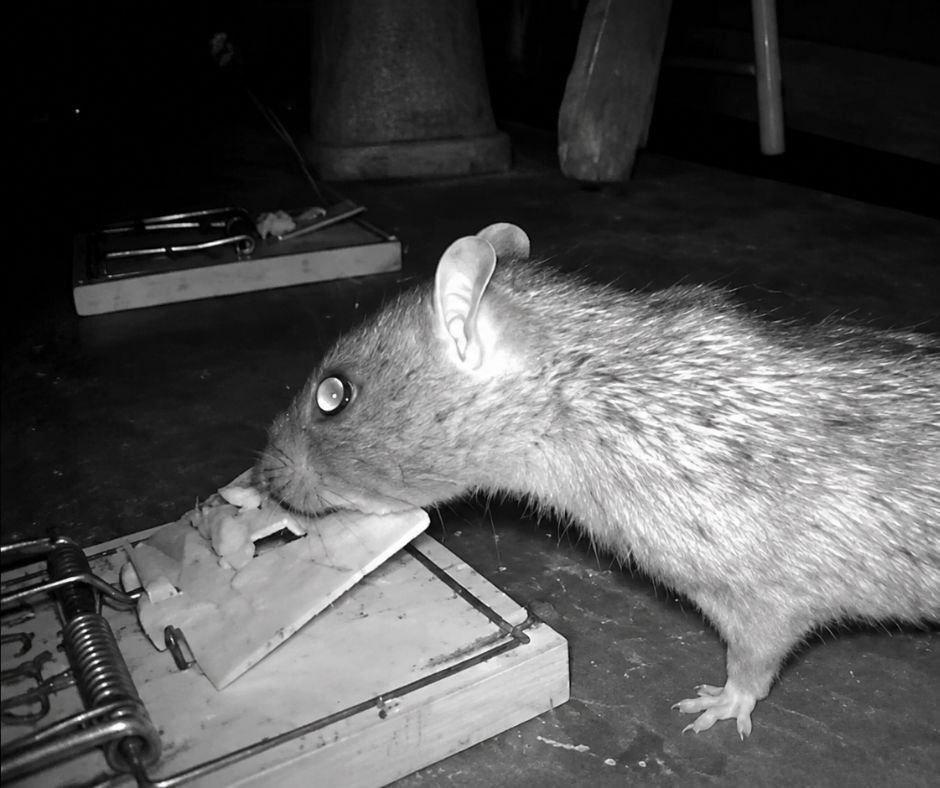 Trap cameraNight camera photo of a rat at a snap trap
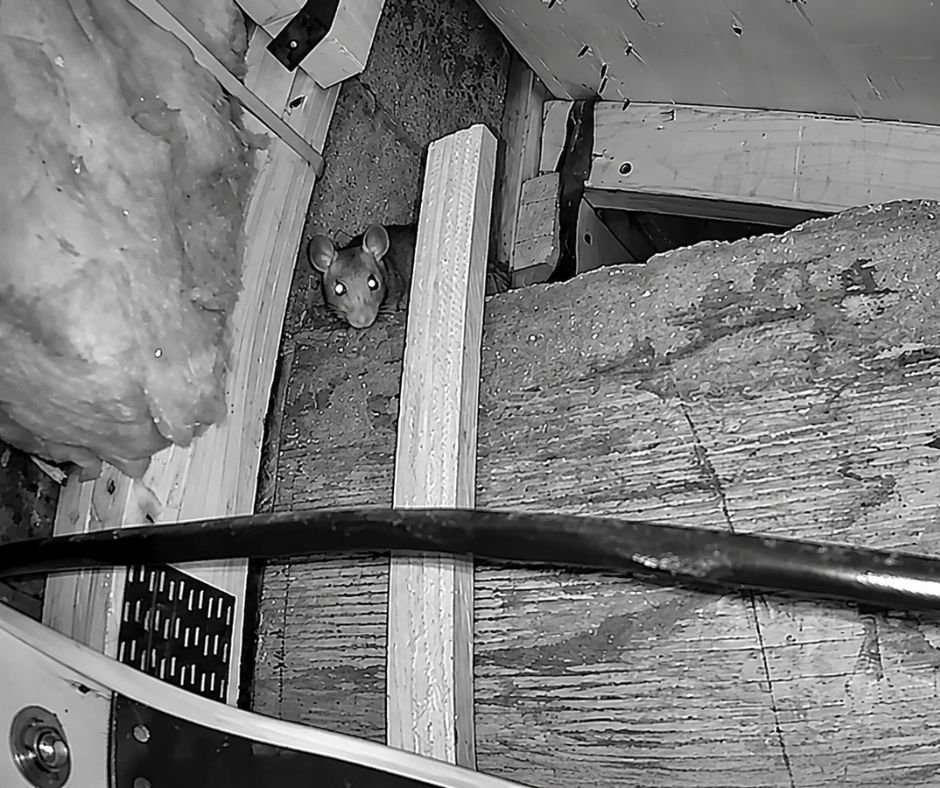 Attic inspectionMouse found near attic insulation
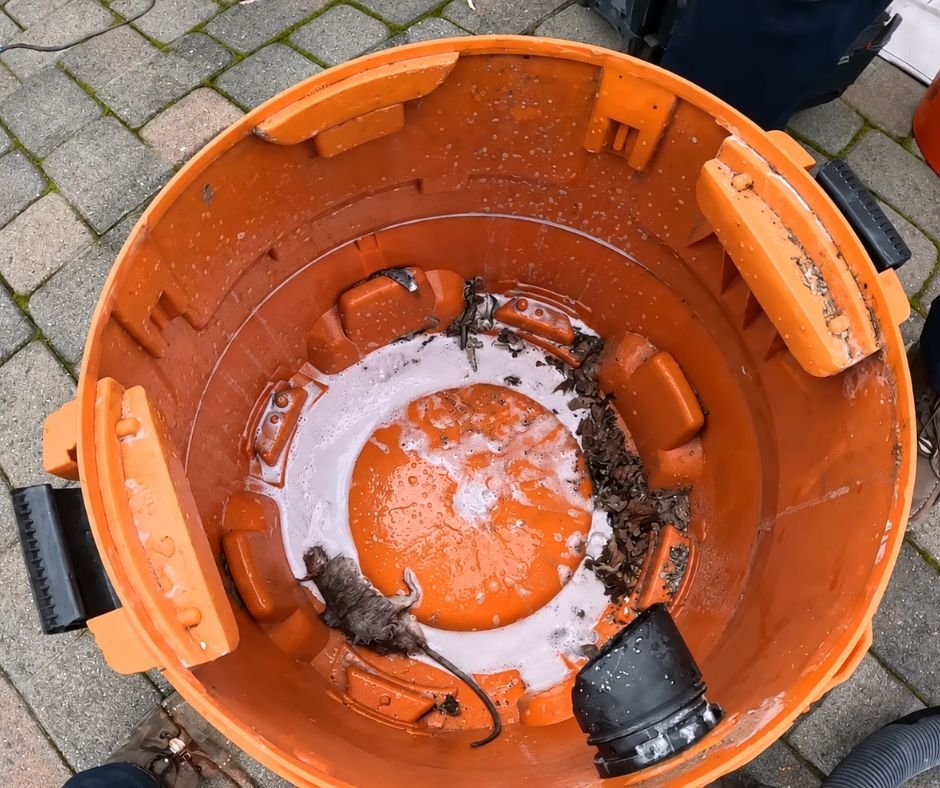 Station checkRat found inside a rodent station during a service check
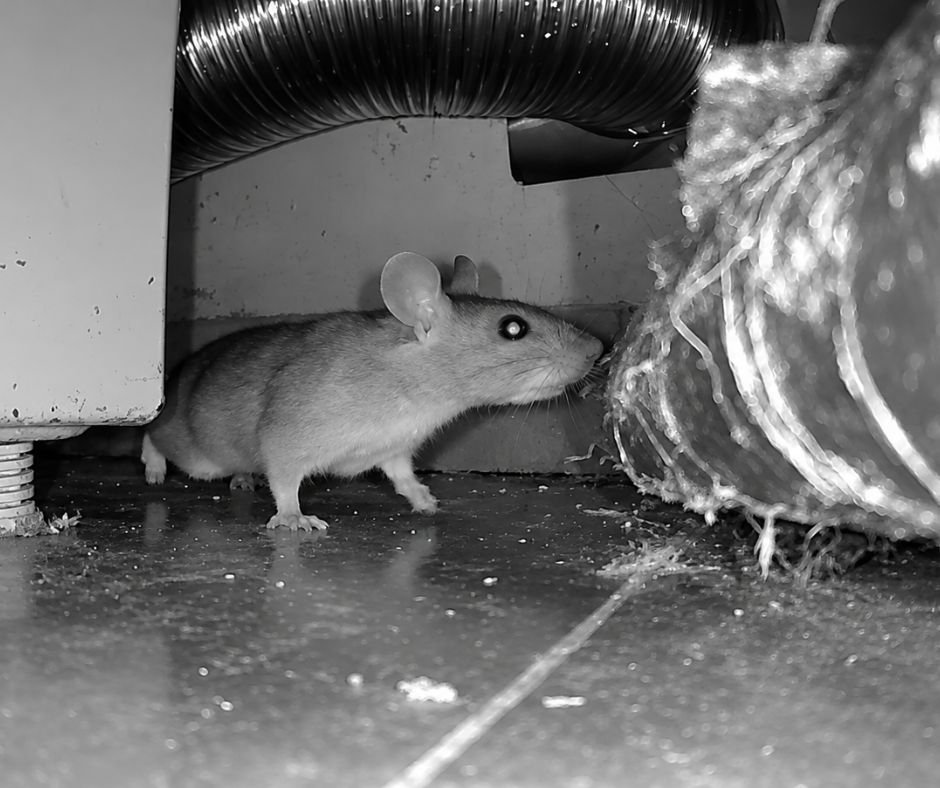 Entry point checkMouse beside a dryer vent duct
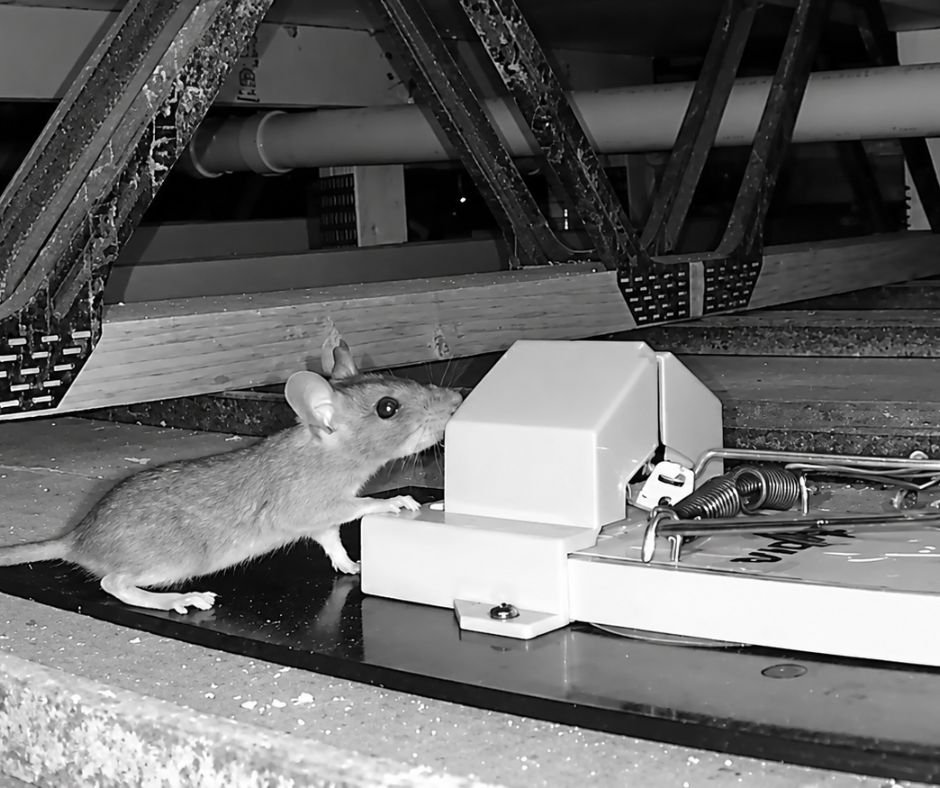 TrappingMouse approaching a trap station near roof trusses
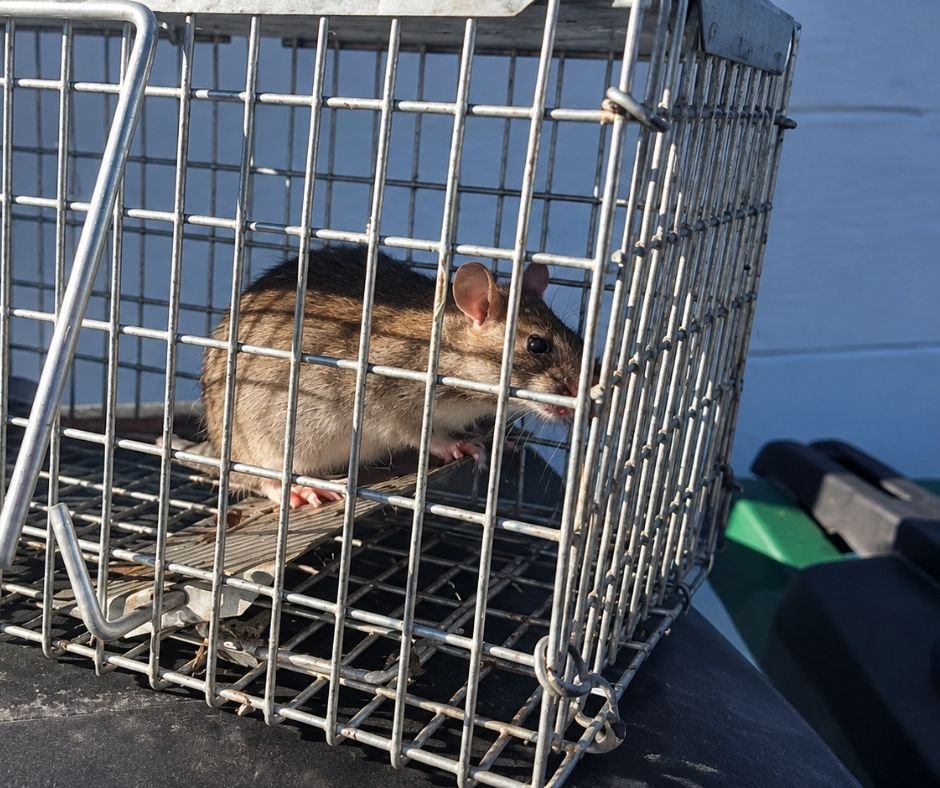 Rat caughtRat caught in a cage trap outside a Florida home
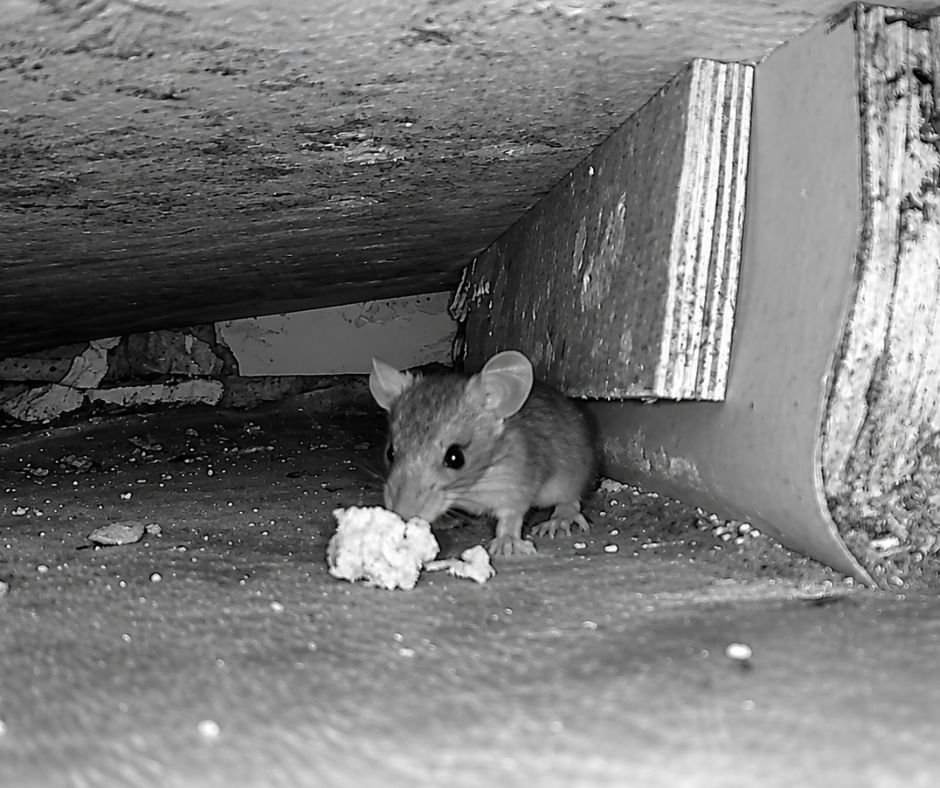 Food source foundMouse feeding on crumbs under a cabinet
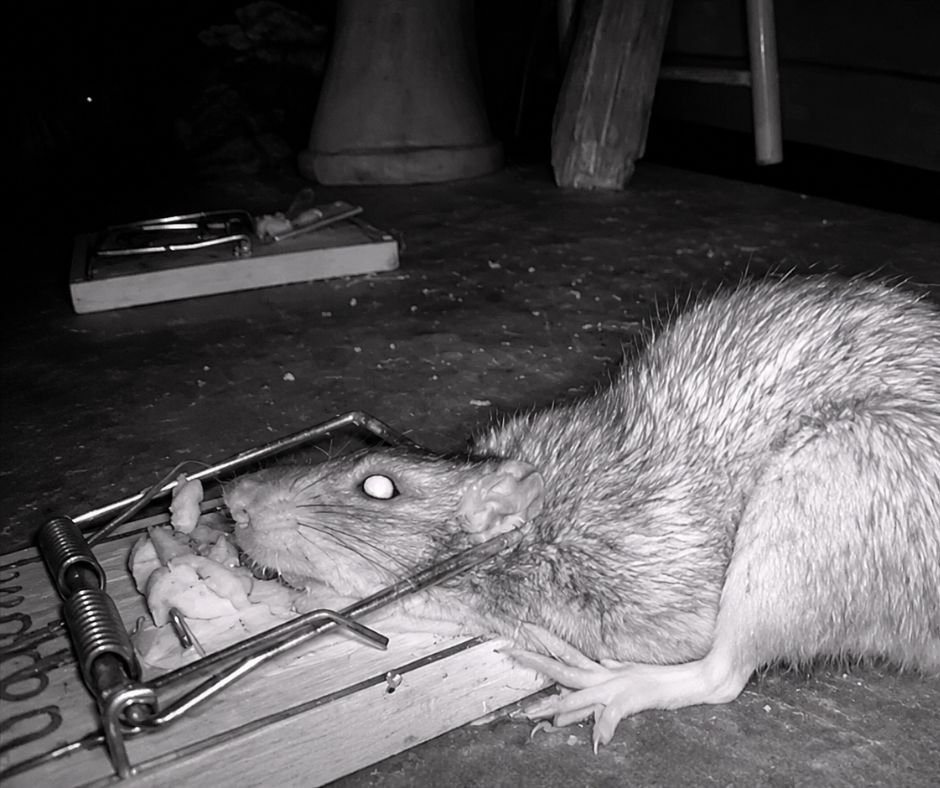 Trap cameraNight camera photo of a rat approaching a baited snap trap
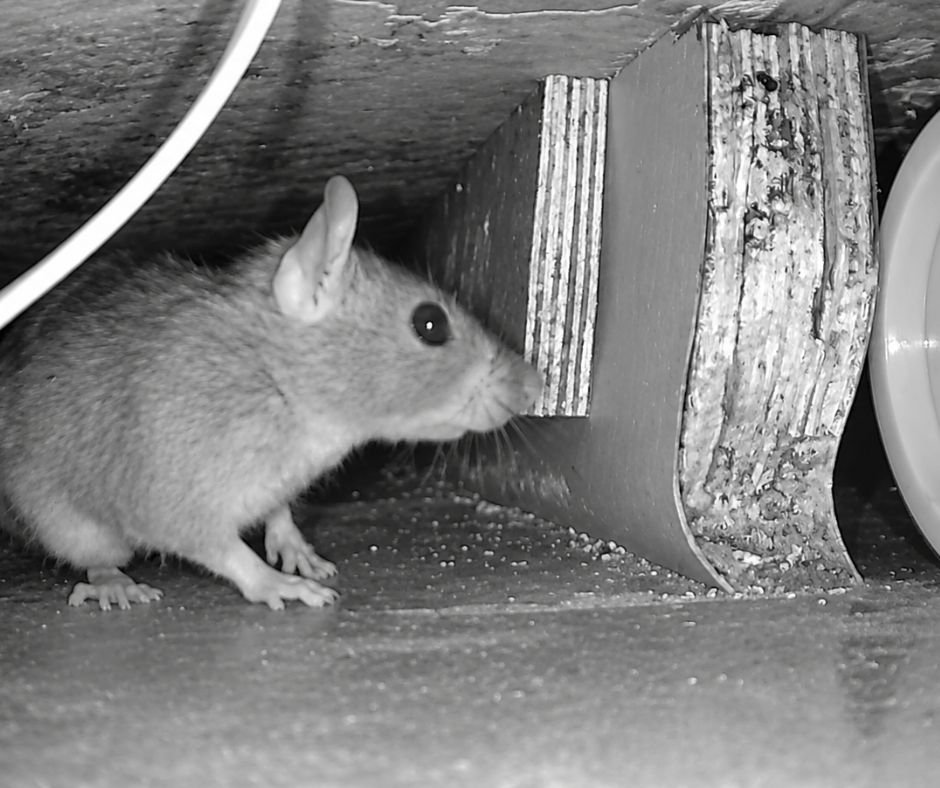 Kitchen inspectionMouse moving along a cabinet base
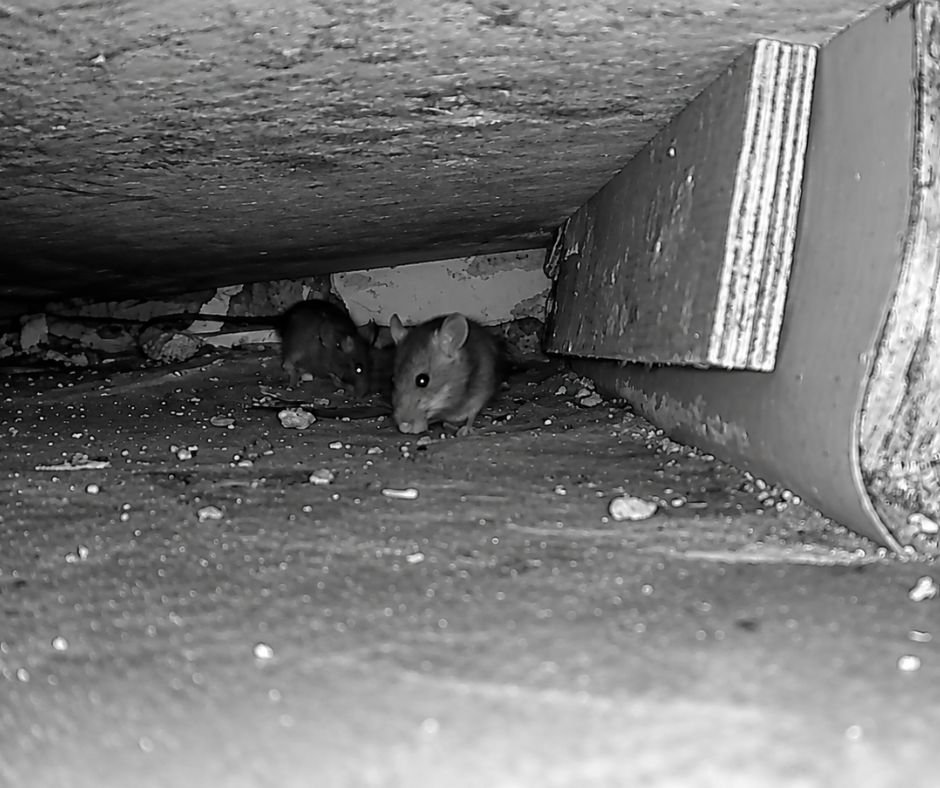 Kitchen inspectionTwo mice under a cabinet, a sign of active activity