Noises at night
Scratching or running in the attic or walls after dark usually means roof rats. Mice sound lighter and stay near the kitchen.
Hearing scratching above the ceiling or finding droppings in the garage? Florida Rodent Control Pros removes rats and mice from Rockledge homes and businesses, from the older houses along Rockledge Drive to the neighborhoods off Fiske Boulevard. We find how they get in, seal it, and remove the rodents already inside.
Rodent problem right now? Our team is taking calls in Rockledge.
Call (561) 562-7607Rockledge is the oldest city in Brevard County, incorporated in 1887, and it still shows. Rockledge Drive runs along the Indian River under century-old oaks, and many homes nearby are decades old. Big trees and older roofs are exactly what roof rats look for.
They climb the oaks and palms, cross to the roofline and slip in through worn soffits, gable vents and gaps around chimneys. Most neighborhoods, like Virginia Park, Levitt Park, Kings Grant, Fairway Estates and Woodsmere, were built between the 1950s and 1980s. After 40 to 70 years, small gaps around plumbing, AC lines and garage doors are common, and a rat only needs about 1/2 inch to squeeze through.
Along the Indian River Lagoon, Norway rats also dig burrows near seawalls, docks and the coquina rock ledges that gave the city its name. From there they move into garages, sheds and ground floors.
Most Rockledge jobs need more than one of these, usually an inspection, sealing, trapping and cleanup. Pick a service to learn more, or call and we will tell you what your home needs.
Rodents are active at night, so most people notice the signs before they ever see one. These are the ones we find most often.
Scratching or running in the attic or walls after dark usually means roof rats. Mice sound lighter and stay near the kitchen.
Rat droppings are about 1/2 inch or longer. Mouse droppings are about 1/8 inch. Fresh ones are dark and soft.
Fresh chew marks on wood, wires, AC lines or food packages. Rodents chew all the time to wear down their teeth.
Dark smudges along walls, beams or pipes where rodents run the same path every night.
Shredded insulation, paper or fabric in the attic, garage boxes or behind appliances.
A musty smell, or pets staring and pawing at a wall or cabinet, often means rodents are close.
In Rockledge, roof rats cause most attic problems, Norway rats turn up near the river and in garages, and house mice get into kitchens. Knowing which one you have tells us where it nests and how to stop it.
Every job in Rockledge starts with a full inspection, inside and out. We look for how rodents get in, where they live, and what is feeding them.
Trapping alone does not fix the problem if the openings stay open. We close the way in first, then remove the rodents already inside.
The CDC links rats and mice to several diseases. People can get sick from contact with droppings, urine or saliva, from bites, or from breathing dust from contaminated areas.
Source: CDC rodent control and cleanup guidance.
In Florida, pest control companies are licensed by the Florida Department of Agriculture and Consumer Services (FDACS) under Chapter 482, Florida Statutes. Rodent work falls under the General Household Pest and rodent control category.
Our team is EPA and FDACS certified. Call (561) 562-7607 with any questions.
A good inspection covers both: where rodents are living now and how they got inside. These are the spots we check in every Rockledge home.
A rat can fit through a gap about 1/2 inch wide. A mouse needs only about 1/4 inch.
Trapping alone does not fix the problem if the openings stay open. Every job follows the same five steps.
We check the roof, attic, garage and yard, and find every opening and sign of activity. You see what we find before work starts.
We seal entry points with rodent-proof materials like metal flashing, 1/4 inch hardware cloth and mortar. Foam alone does not stop rats.
Traps go along active runways and are checked on return visits. Captured rodents are removed from the property.
We remove droppings and nesting material, disinfect the area and tell you if insulation should be replaced.
We come back to confirm activity has stopped and give you a short list of changes to keep rodents out.
Most homes need one main visit plus follow-up visits over the next few weeks, depending on how many rodents are inside.
Store-bought traps can catch a mouse. They rarely solve a rat problem in a Florida attic.
Why DIY often fails here: warm Space Coast weather lets rodents breed all year, so one missed gap lets new rats replace the ones you caught.
Talk to a technician →| What matters | DIY | Professional |
|---|---|---|
| Finds every entry point | Easy to miss gaps on the roof | Full roof-to-slab inspection |
| Seals gaps properly | Foam or steel wool that rats chew through | Metal, hardware cloth and mortar |
| Safe around kids and pets | Risky if bait is left in the open | Locked stations only where needed |
| Dead rodent smell in walls | Common when poison is used indoors | Trapping indoors to avoid it |
| Attic cleanup | Health risk without the right gear | Protective gear and disinfectant |
| Follow-up | Up to you | Scheduled return visits |
Sealing is the big fix. These simple habits make your home less attractive once the gaps are closed.
Many Rockledge homes, from Rockledge Drive to Virginia Park and Levitt Park, have been standing for decades. Older soffits, vents and garage doors give roof rats easy ways in, and big oaks and palms give them a path to the roof.
We check soffits, gable vents, roof edges and AC line openings, then show you what we found.
Gaps are closed with metal flashing, hardware cloth and mortar, not foam alone.
We trap inside the home to avoid dead rodents in the walls and keep bait away from kids and pets.
Droppings and nests are removed and the area is disinfected. We tell you if insulation should be replaced.
Restaurants, shops and offices along US-1, Barton Boulevard, Fiske Boulevard and Murrell Road deal with deliveries, dumpsters and back doors that open all day. Florida restaurants are inspected by the DBPR Division of Hotels and Restaurants, and rodent activity is something inspectors look for.
Regular visits to check traps and stations, set around your hours.
A record of each visit that you can show a manager or inspector.
Door sweeps, gaps at loading areas and wall openings closed with rodent-proof materials.
Simple changes to trash areas and dry storage that make your site less attractive to rats.
Rockledge does not get a real winter, so rats and mice stay active all year. Weather still changes where they go and when people notice them.
On cool nights, rodents look for warm, dry shelter. This is when many people first hear noises in the attic.
Tip: Check soffits and vents in the fall, before the first cool fronts.
Heavy afternoon rain can flood burrows near the river and low yards, pushing Norway rats toward garages and sheds.
Tip: Keep garage doors closed and fix leaks, since rodents also need water.
Storms break branches, damage roofs and leave debris piles, which open new ways in and new places to hide.
Tip: After a storm, check the roofline and clear debris away from the house.
Warm weather lets rodents breed in every season, so a small problem can grow fast if gaps stay open.
Tip: Call at the first sign. Sealing early costs less than cleaning a full attic.
We do not treat every Rockledge home the same way. The right approach depends on the age of the house, how close it sits to the water, and what is growing around it.
In neighborhoods like Virginia Park, Levitt Park and Kings Grant, roofs and soffits are 40 to 70 years old, which gives roof rats an easy way into the attic.
Our approach: We start at the roofline, seal soffit and gable vent gaps with metal flashing and hardware cloth, then trap inside the attic until activity stops.
Homes near the Lagoon, seawalls, docks and the coquina ledges deal with Norway rats digging burrows close to the foundation.
Our approach: We check the shoreline and foundation for burrow activity, then bait and close off the ground-level openings we find.
Mature oak canopies and palms along Rockledge Drive give rats a path straight from the branches onto the roof.
Our approach: We look at where trees touch the roofline first and focus our sealing work on those entry points.
A few quick steps keep your family safe until we arrive.
Call (561) 562-7607Words you may hear during an inspection, and what they mean for your home.
Each part of the city has its own mix of homes, trees and water. Here is what we usually check first.
Older homes under large oaks along the Indian River. Roof rats use the branches to reach the roof, and Norway rats dig near seawalls and docks.
Established neighborhoods where decades-old soffits, vents and gaps around pipes and AC lines are common entry points.
We check attic vents, garage door seals and shrubs that grow against the walls, where rodents like to hide.
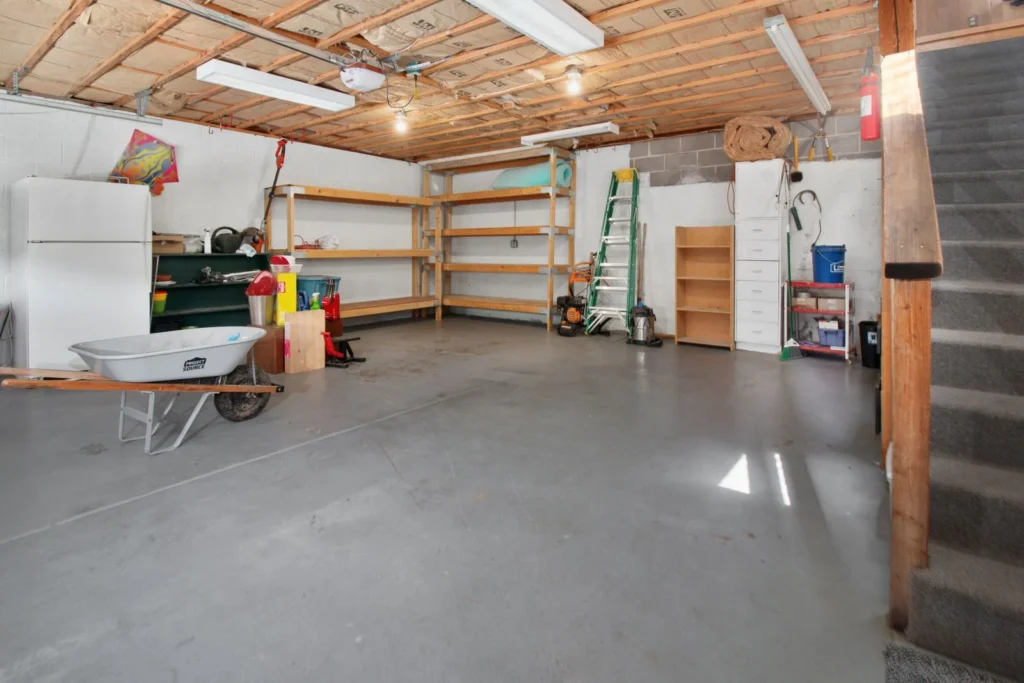
Single-family homes where we often find rodents in garages, attics and storage areas.
Restaurants, shops and offices with dumpsters and delivery doors. We set up scheduled service with written logs.
Main roads heading south toward Viera, with homes and businesses along the way. We cover both.
Rockledge uses ZIP codes 32955 and 32956. We also serve nearby Cocoa, Merritt Island and Viera. Call if you are not sure we cover your street.
Rockledge Drive · Virginia Park · Levitt Park · Kings Grant · Fairway Estates · Woodsmere · Georgetown · Marlin Manor
“Florida Rodent Control Pros did an outstanding job with our rodent issue. Their team was professional and resolved the problem quickly. Highly recommend!”
John D.Rockledge, FL
Verified“I appreciated their prompt response and thorough service. The team was knowledgeable about the specific challenges in Rockledge.”
Lisa M.Rockledge, FL
Verified“Great experience! They handled our rodent problem efficiently, and I feel much safer in my home now.”
Mark S.Rockledge, FL
VerifiedStill have a question? Call us and a team member will help.
Call (561) 562-7607 →Rat droppings are about 1/2 inch or longer, and mouse droppings are about 1/8 inch. In Rockledge, noises in the attic at night usually mean roof rats, while mice tend to show up in kitchen cabinets and pantries.
The inspection and most of the sealing are usually done on the first visit. Trapping and follow-up visits continue over the next few weeks until there are no new signs. Larger homes and bigger problems take longer.
You may catch a mouse or two with store-bought traps. Rats in an attic are harder, because new ones keep coming in until every gap is sealed with rodent-proof materials. That is the part most people miss.
We trap inside the home instead of using poison, which also avoids dead rodents in the walls. When bait is needed outside, it goes in locked, tamper-resistant stations and is used as the label directs.
Yes. The CDC notes that rodents can spread diseases such as hantavirus, leptospirosis and salmonellosis through their droppings, urine and bites. That is why cleanup should be done carefully.
Do not sweep or vacuum them, because that can put germs in the air. The CDC recommends wearing gloves, spraying the droppings with disinfectant or a bleach solution, letting it soak for 5 minutes, and wiping up with paper towels. For an attic or a large amount, call us.
Pest control companies in Florida are licensed by the Florida Department of Agriculture and Consumer Services (FDACS). You can look up a company’s license on the FDACS website before you hire anyone.
Yes. We also serve Cocoa, Merritt Island and Viera West. Call (561) 562-7607 to check your address.
Call now. We will inspect your home, show you how rodents are getting in, and seal it so they stay out.
Call us, tell us what you are seeing and where you are located, and our team will confirm the right appointment type and timing.
These pictures come from our own inspection cameras and job sites: rats caught in traps, mice under cabinets, the entry points we find, and the sealing work that keeps them out.
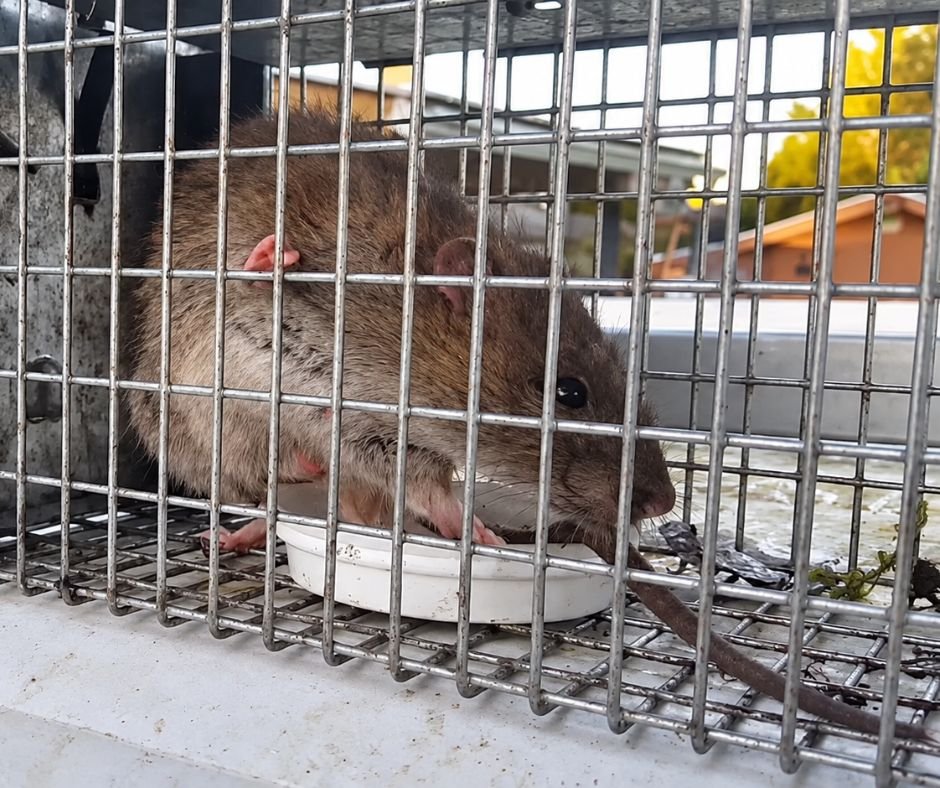 Rat caughtClose-up of a rat caught in a cage trap
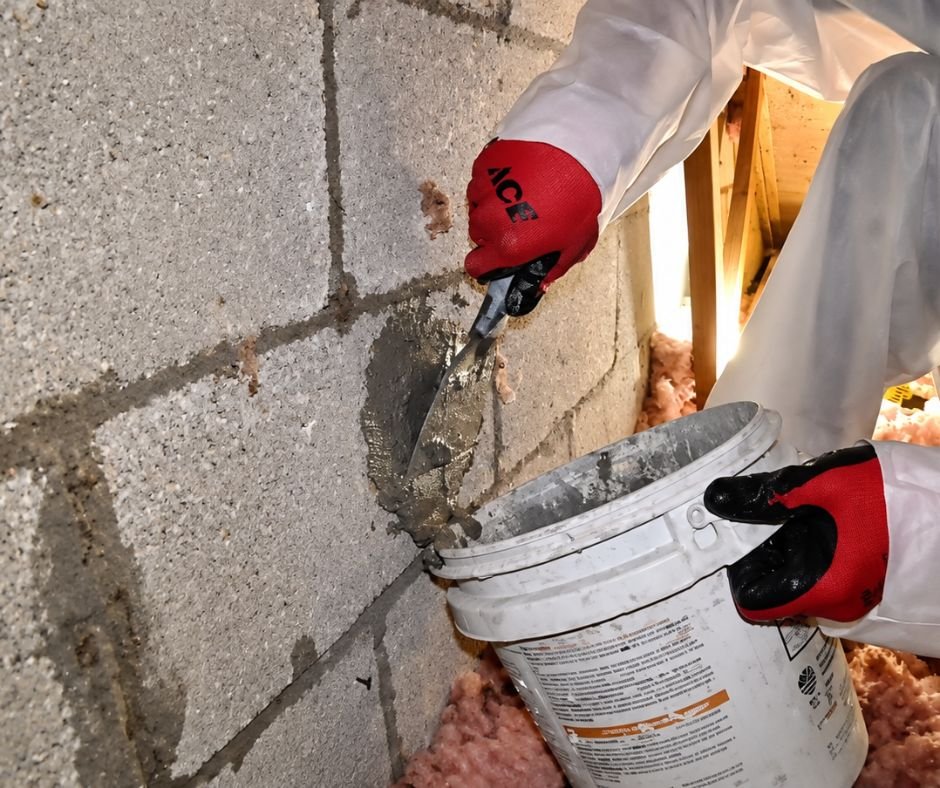 Exclusion workTechnician sealing a block wall gap with mortar
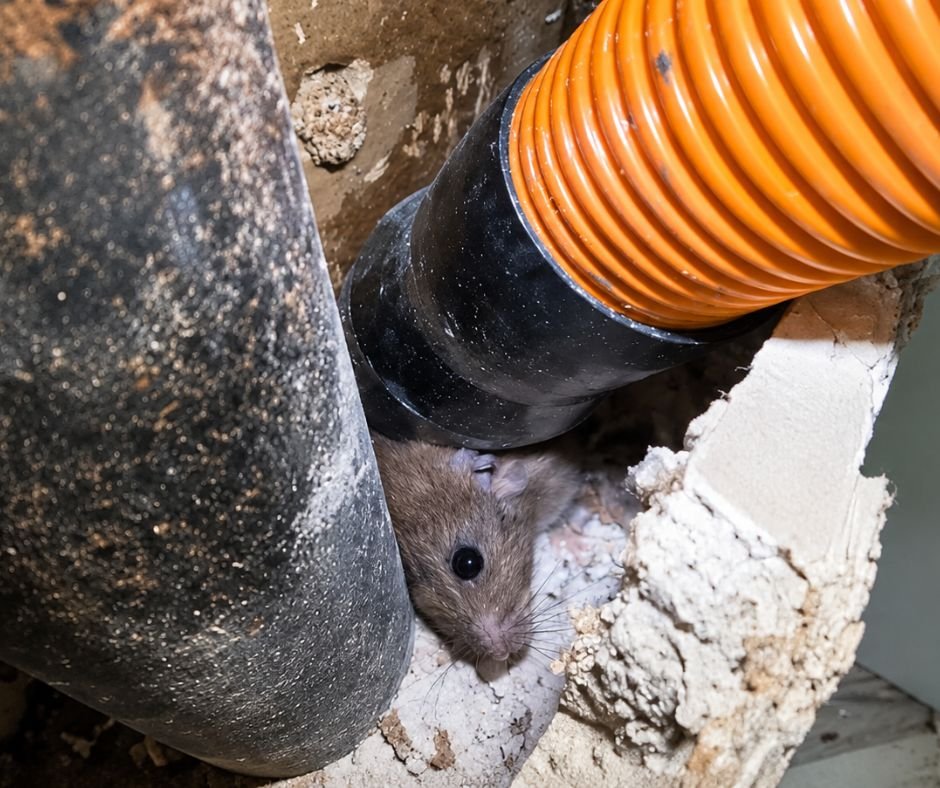 Entry point foundRat squeezing past an unsealed pipe penetration in a wall
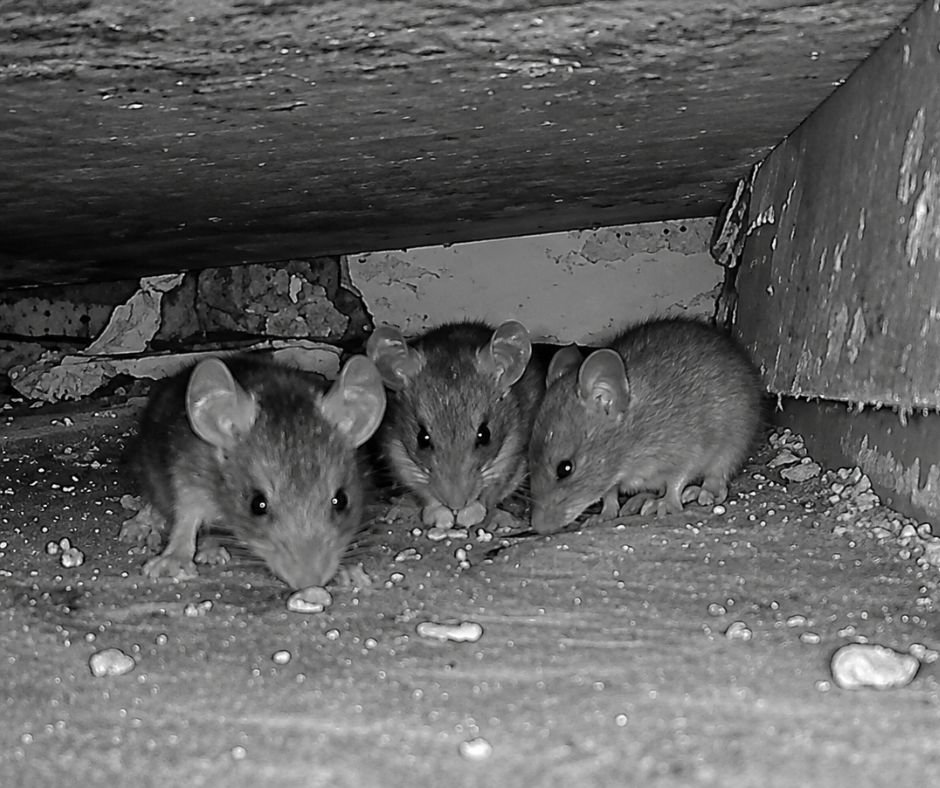 Kitchen inspectionThree mice caught on camera under a cabinet
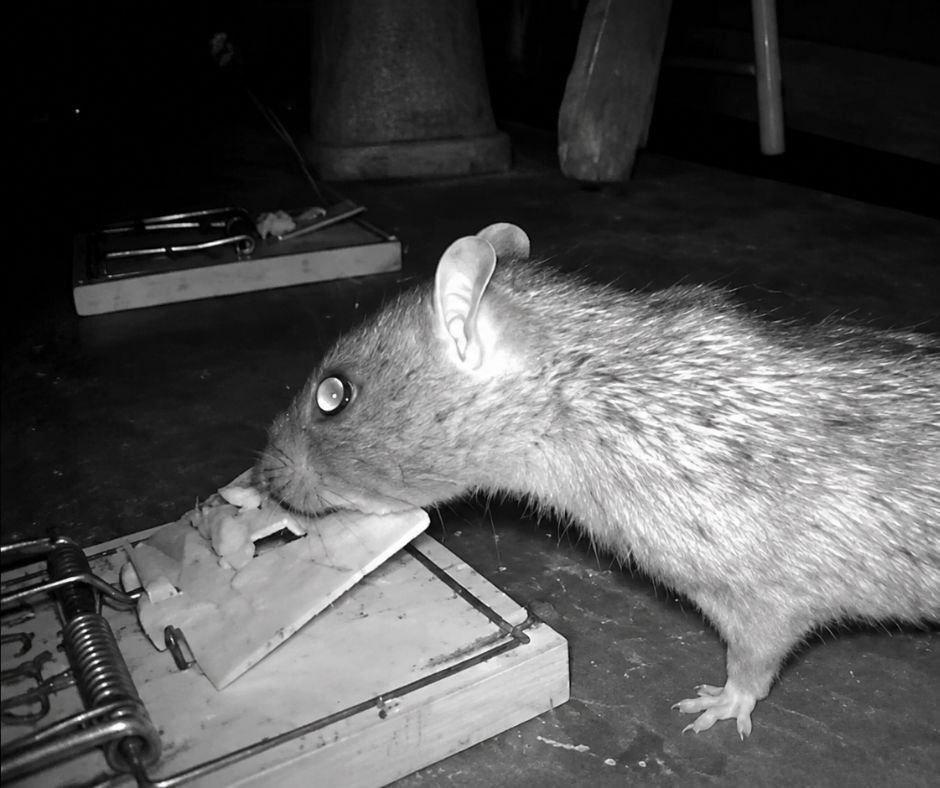 Trap cameraNight camera photo of a rat at a snap trap
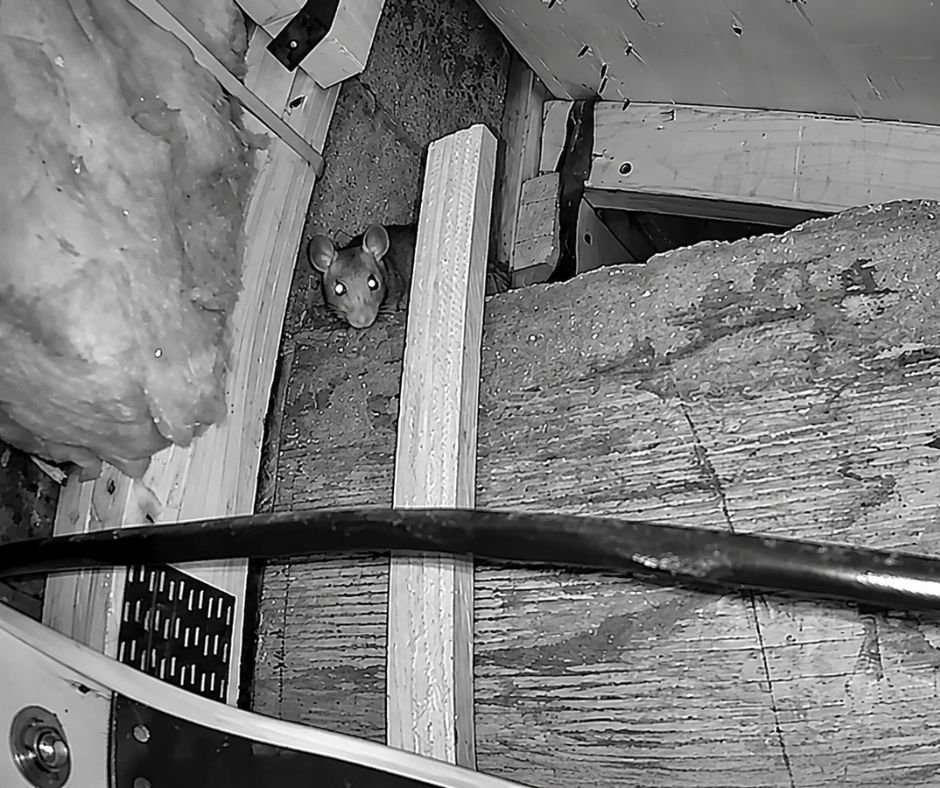 Attic inspectionMouse found near attic insulation
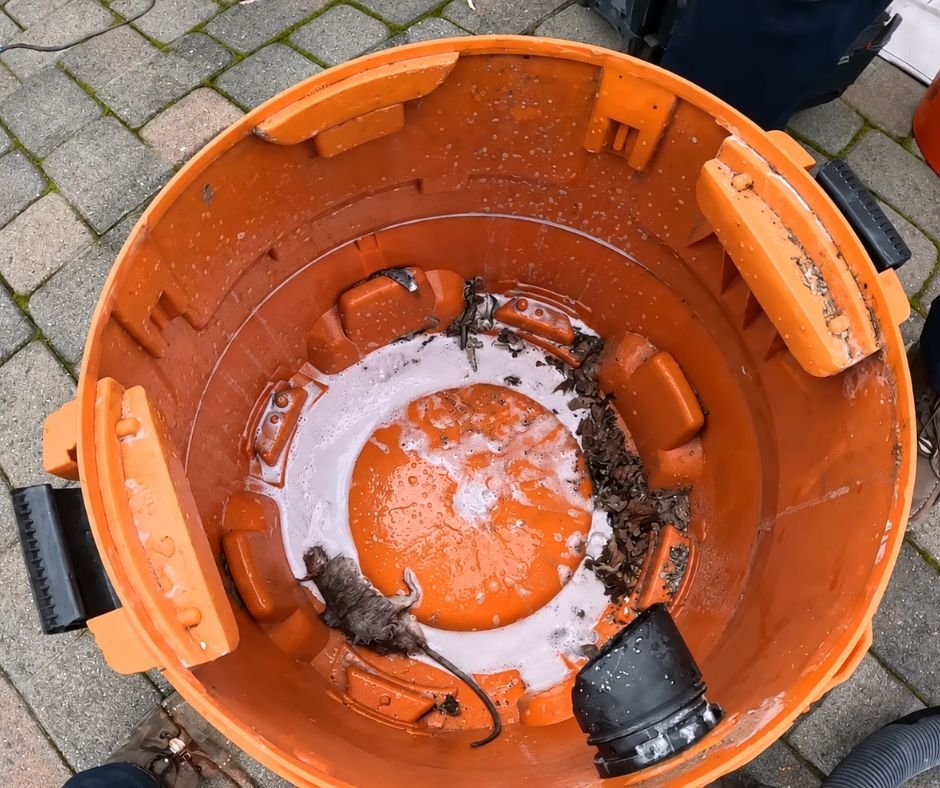 Station checkRat found inside a rodent station during a service check
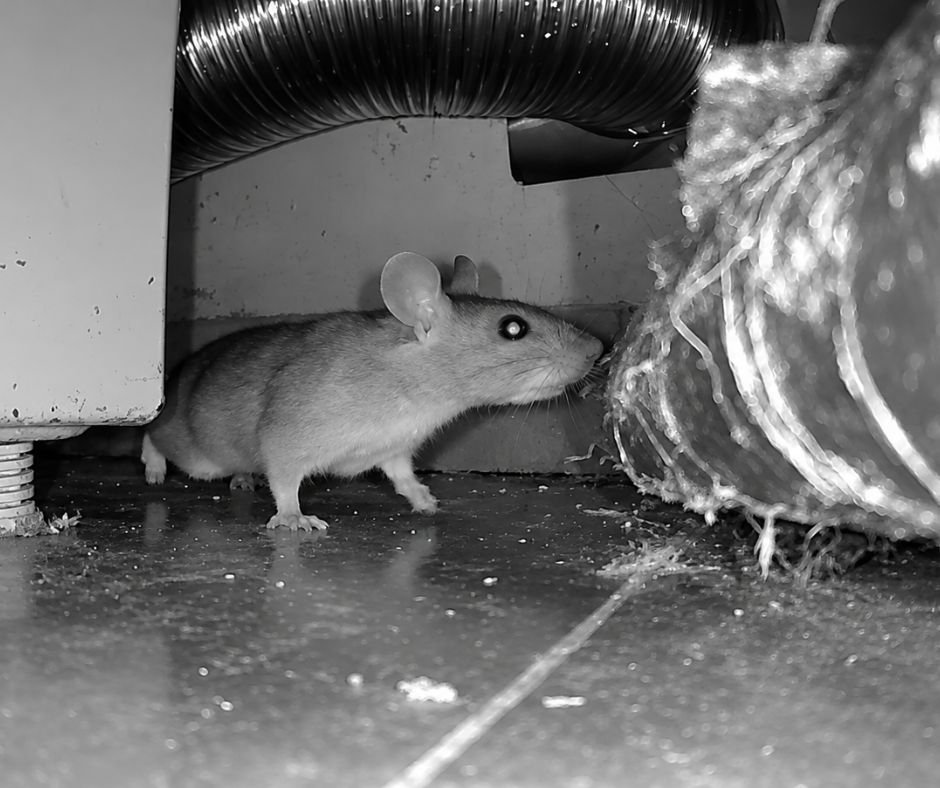 Entry point checkMouse beside a dryer vent duct
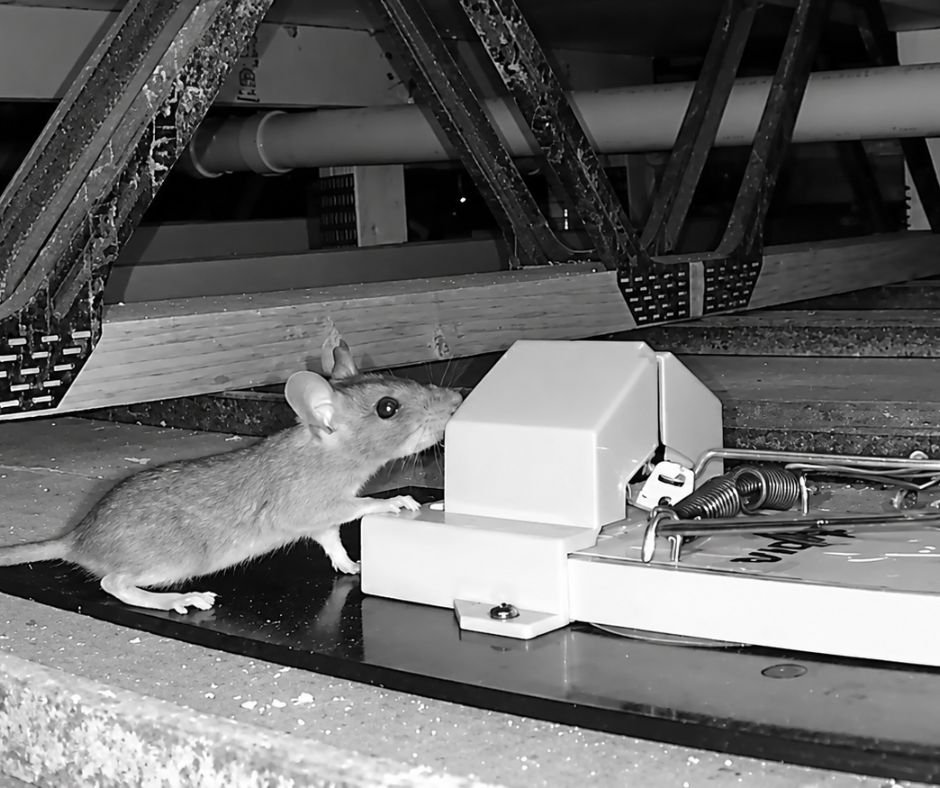 TrappingMouse approaching a trap station near roof trusses
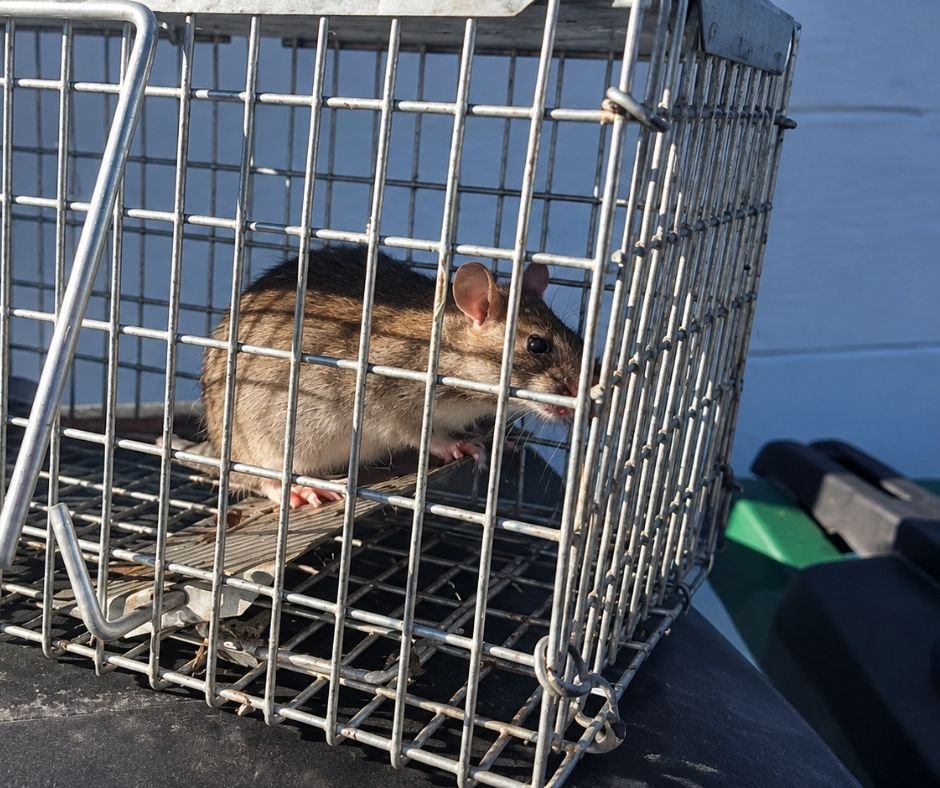 Rat caughtRat caught in a cage trap outside a Florida home
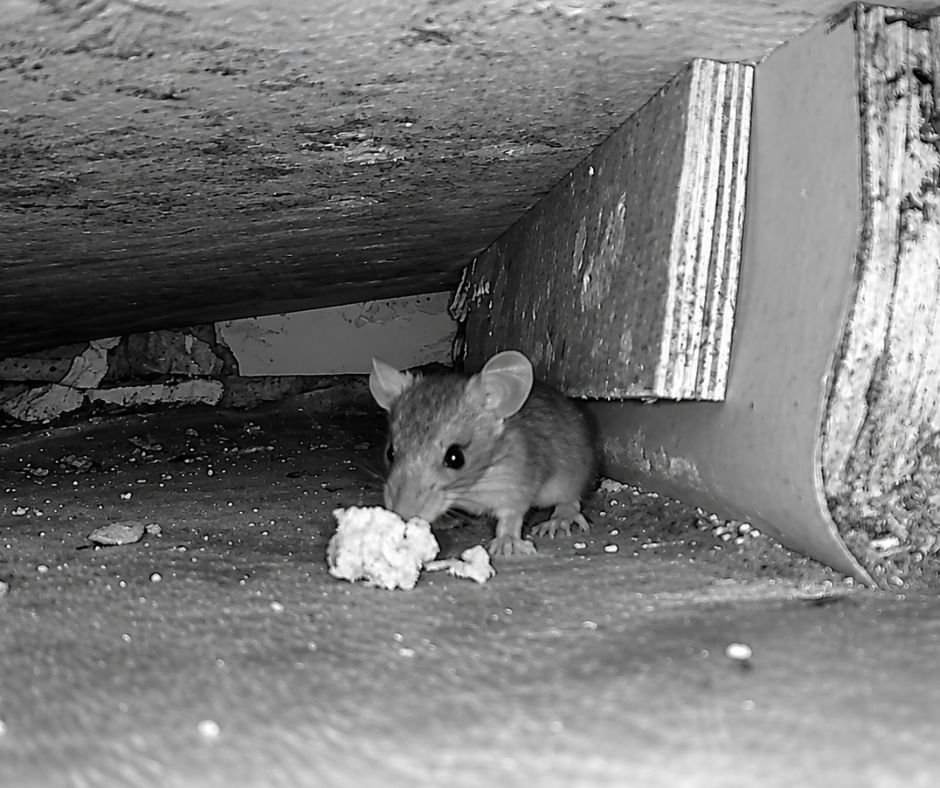 Food source foundMouse feeding on crumbs under a cabinet
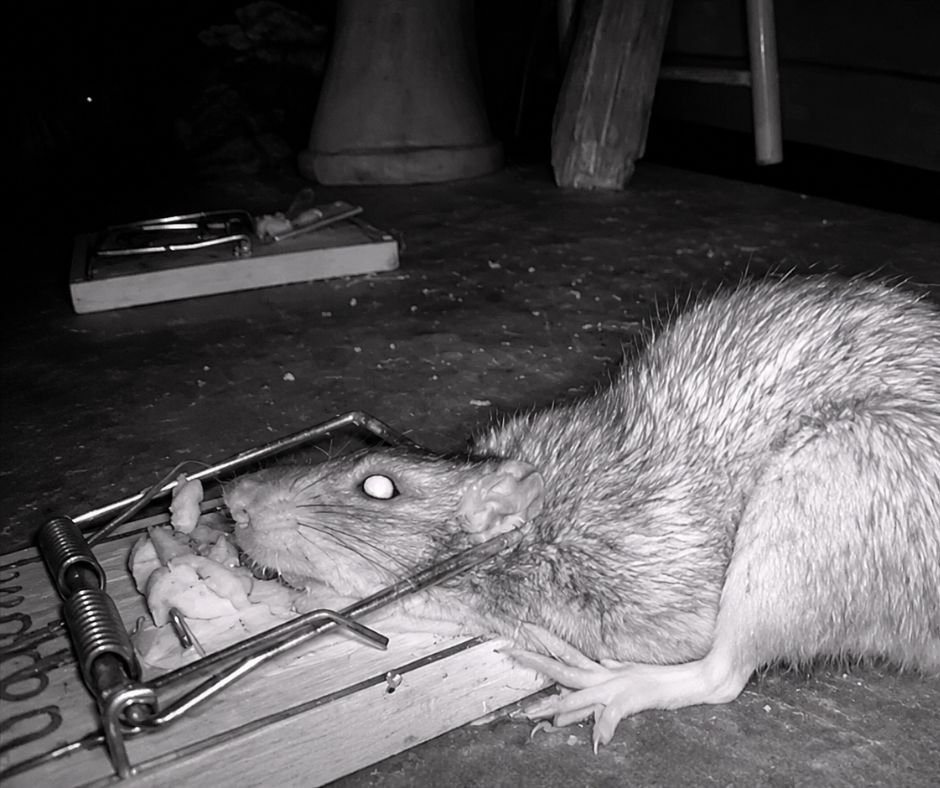 Trap cameraNight camera photo of a rat approaching a baited snap trap
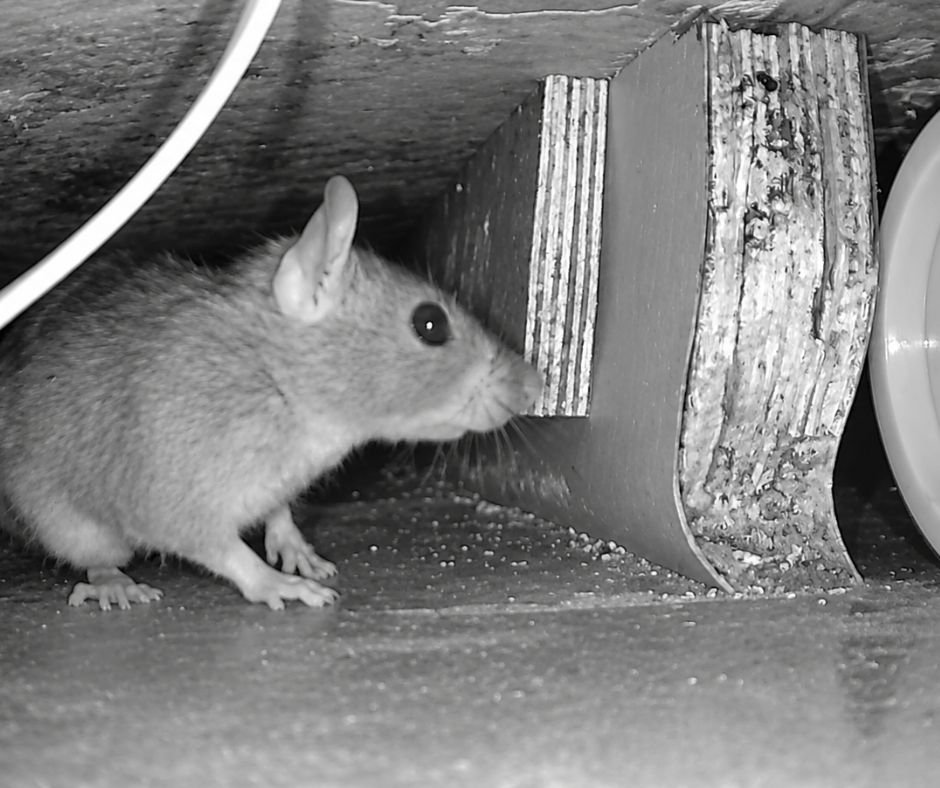 Kitchen inspectionMouse moving along a cabinet base
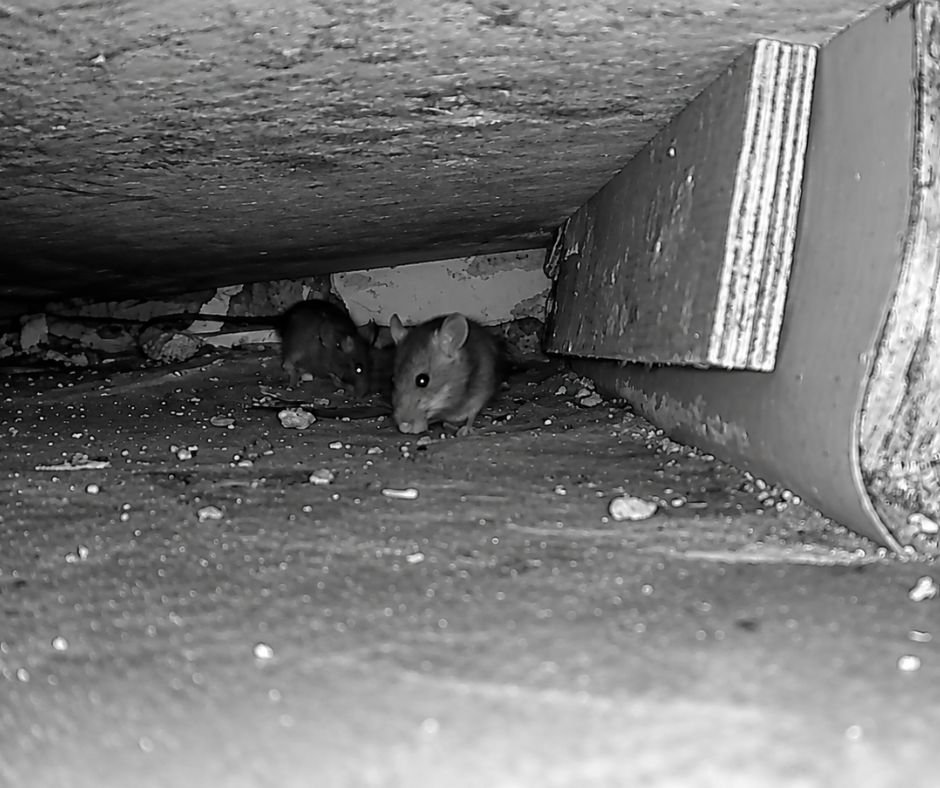 Kitchen inspectionTwo mice under a cabinet, a sign of active activity
Florida, 24 hours a day
Call any time and talk to a local rodent pro. We find how they get in, seal it, remove the ones inside and come back until the activity stops. Homes, rentals and businesses.