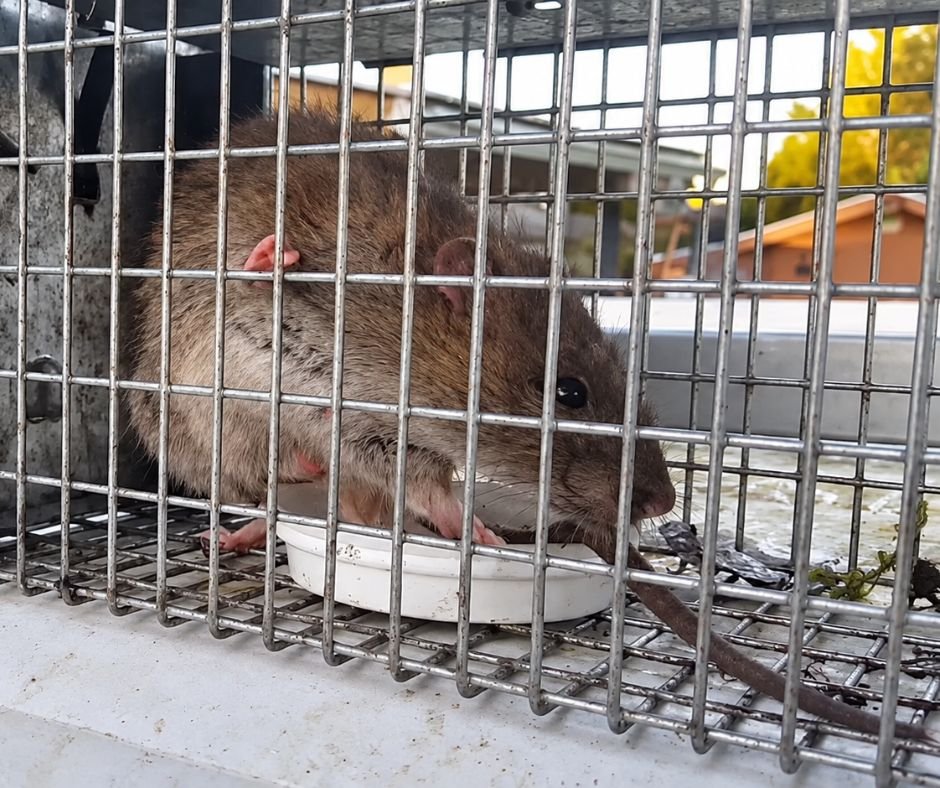
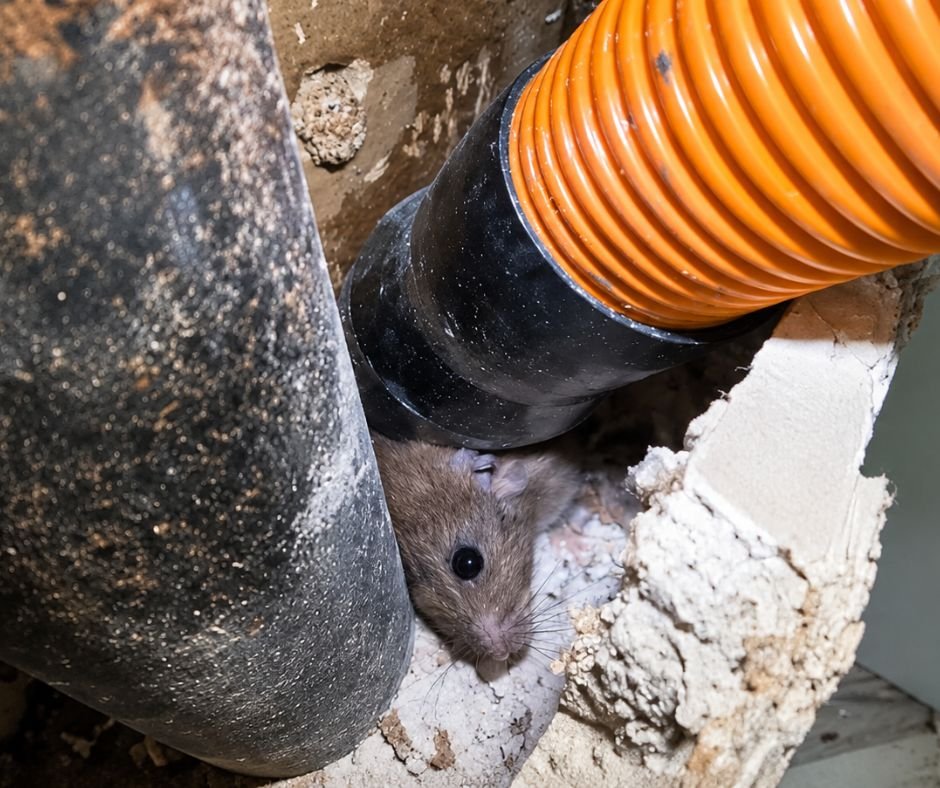
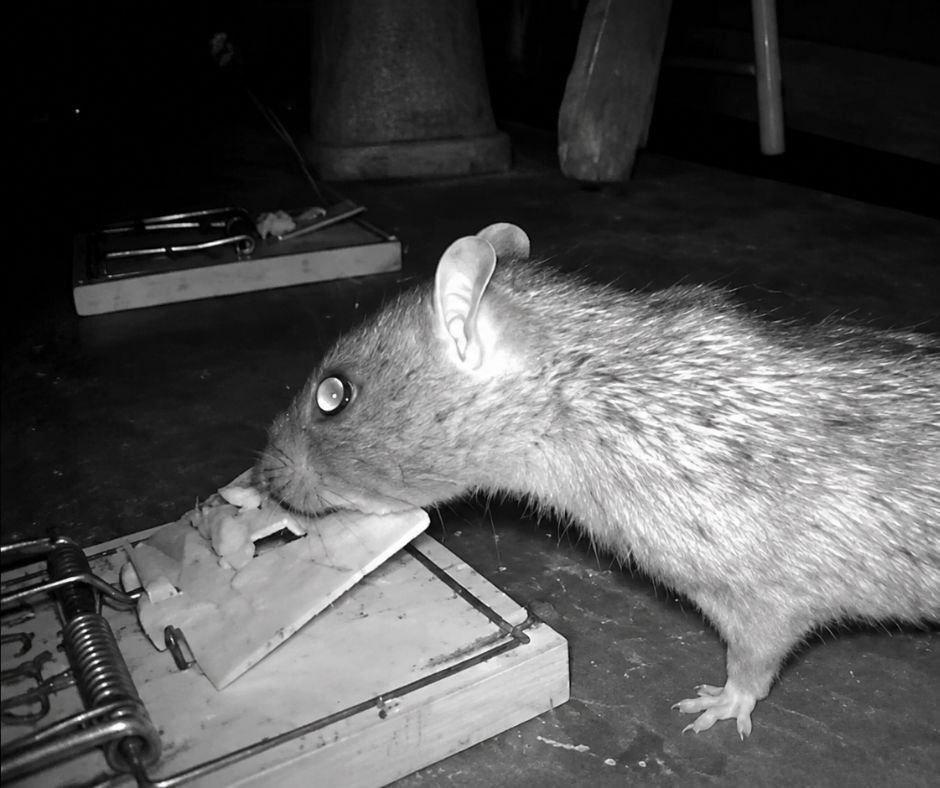
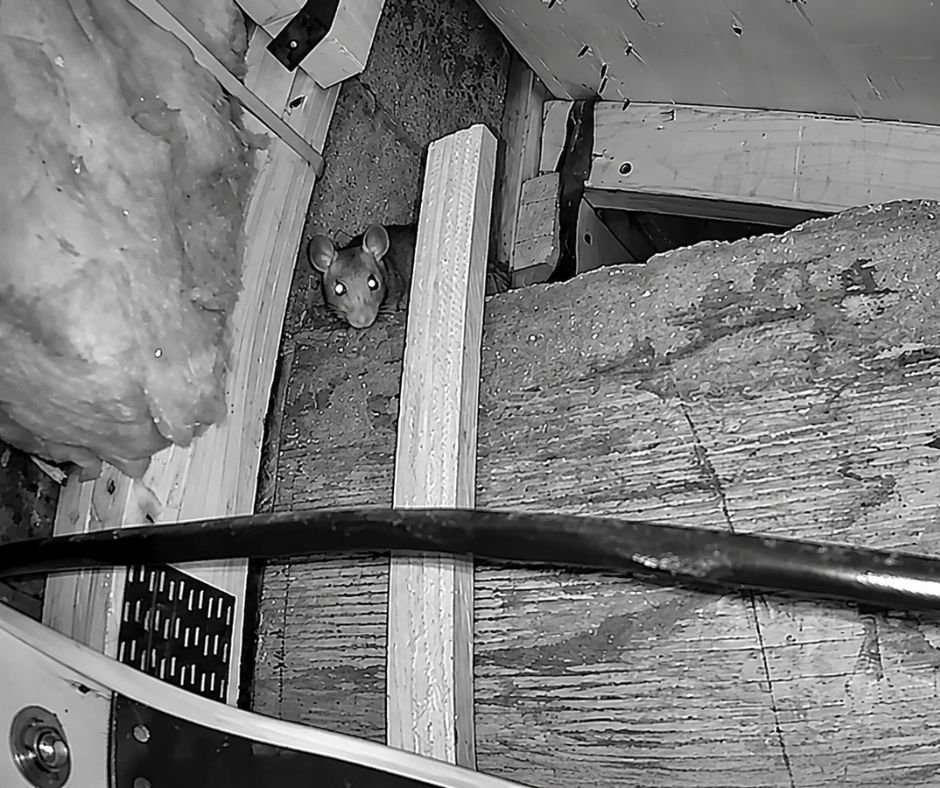
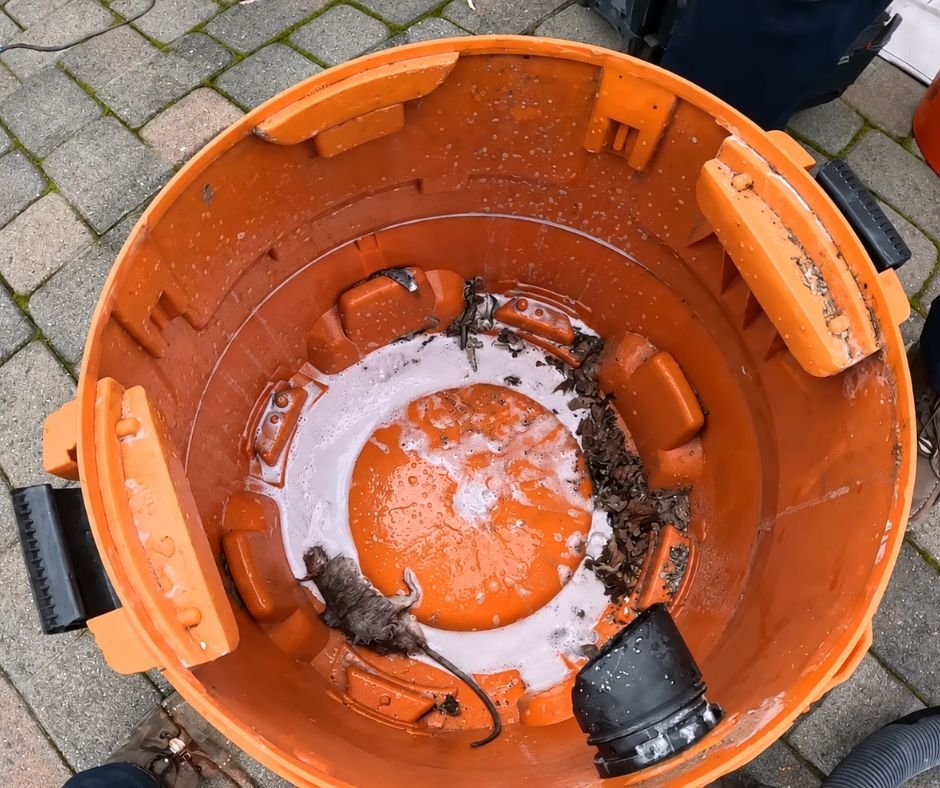
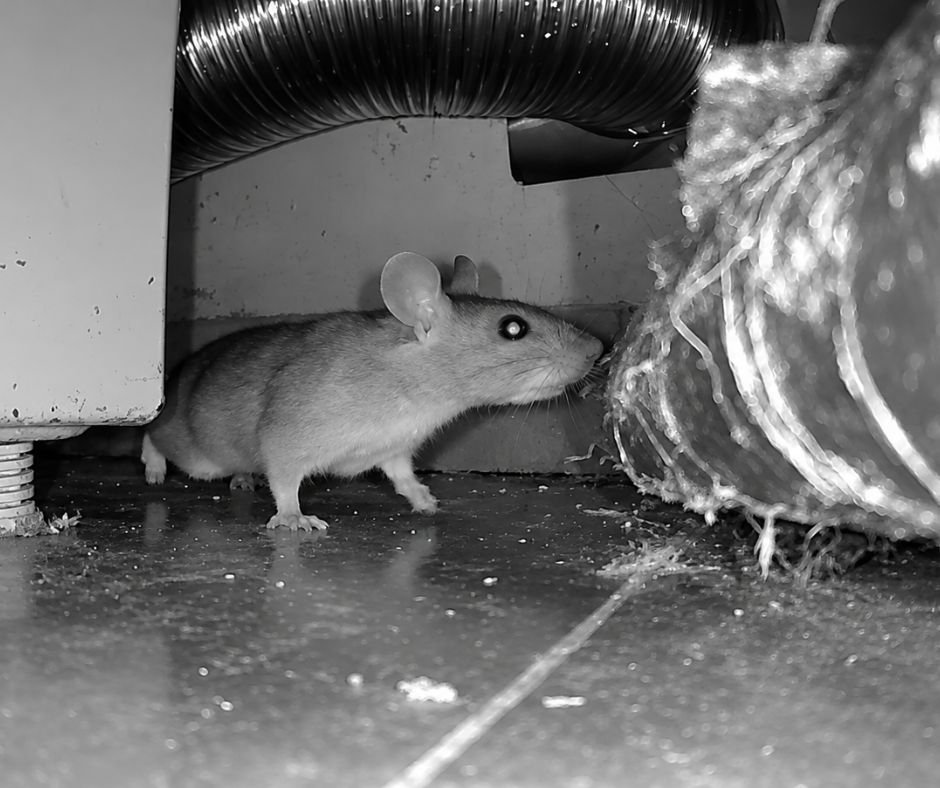
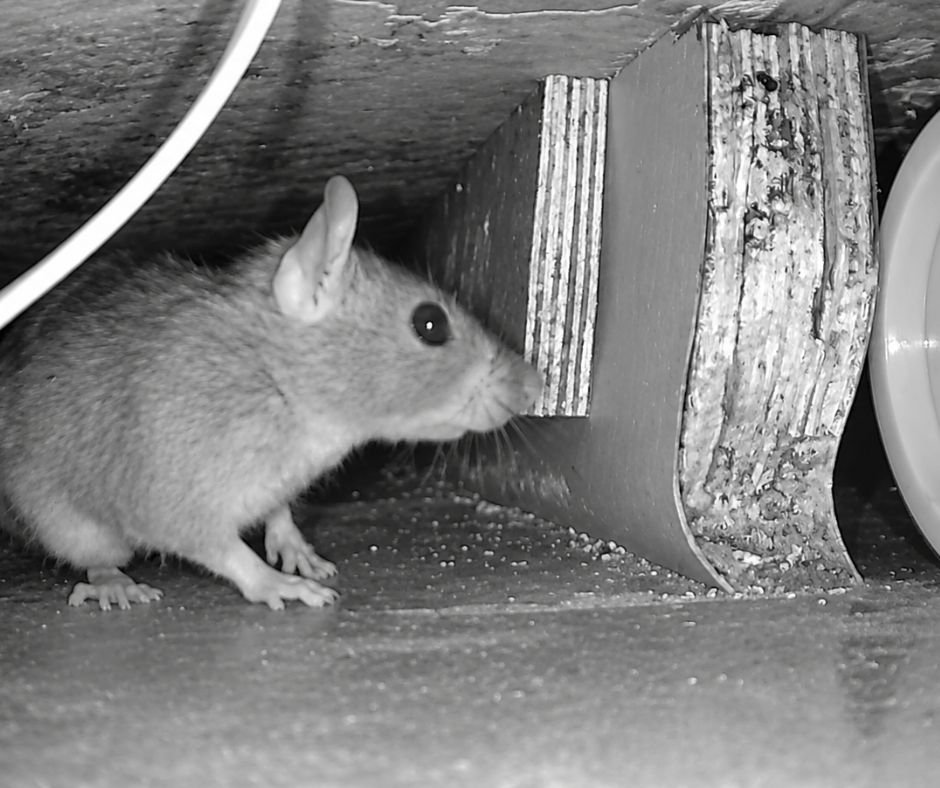
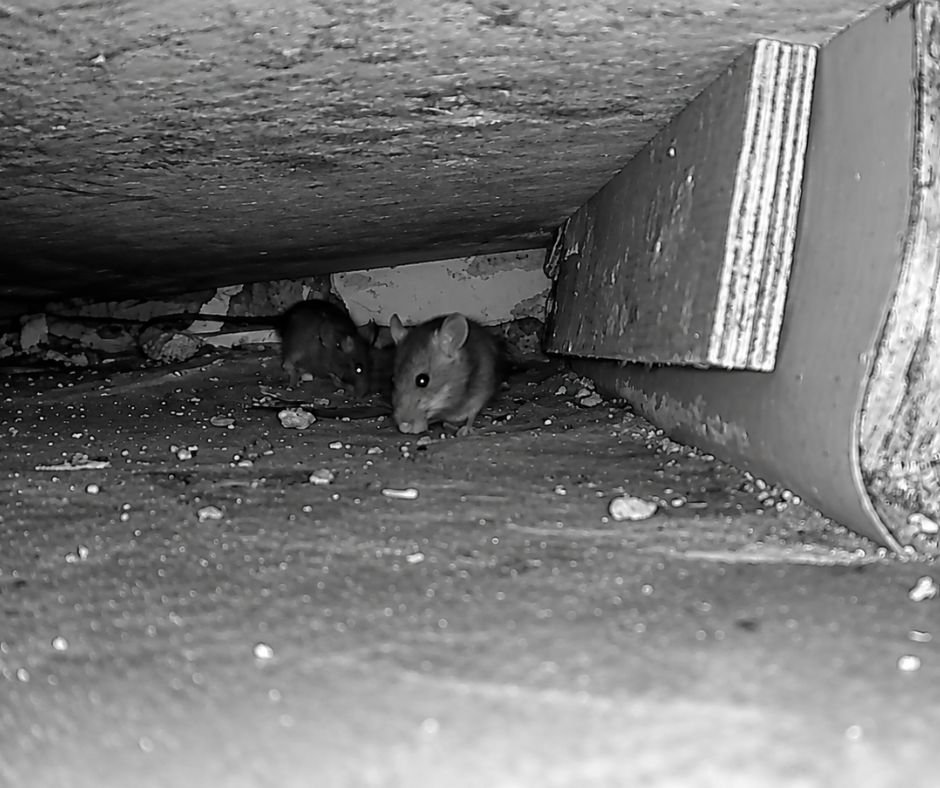
Age alone does not cause rats, but it makes entry easier. Original wood soffits, unscreened gable vents and old pipe holes are common in homes from that decade, and a rat only needs a 1/2 inch gap. Sealing those spots is the main fix.
Miami Gardens, north Miami-Dade
Rodent Control and Rat Removal in Miami Gardens, FL
Most homes in Miami Gardens went up between 1950 and 1979, and 50 to 70 years of sun and rain open small gaps at the roofline, the vents and the slab. Roof rats and mice use them. We find each opening, close it with metal, trap what is already inside and check back until it is quiet.
A young city with older homes
Why Rats Find Miami Gardens Homes Easy to Enter
Miami Gardens only became a city on May 13, 2003, but the neighborhoods inside it are much older. Carol City, Norland, Andover, Bunche Park, Lake Lucerne, Scott Lake and Opa-locka North were built out over decades as unincorporated Miami-Dade County, and more than 6 in 10 homes here date from 1950 to 1979.
Older roofs, original soffit boards, unscreened gable vents and settled slabs leave the kind of gaps a roof rat (Rattus rattus) or a house mouse (Mus musculus) needs. A rat fits through a 1/2 inch hole. A mouse needs only 1/4 inch.
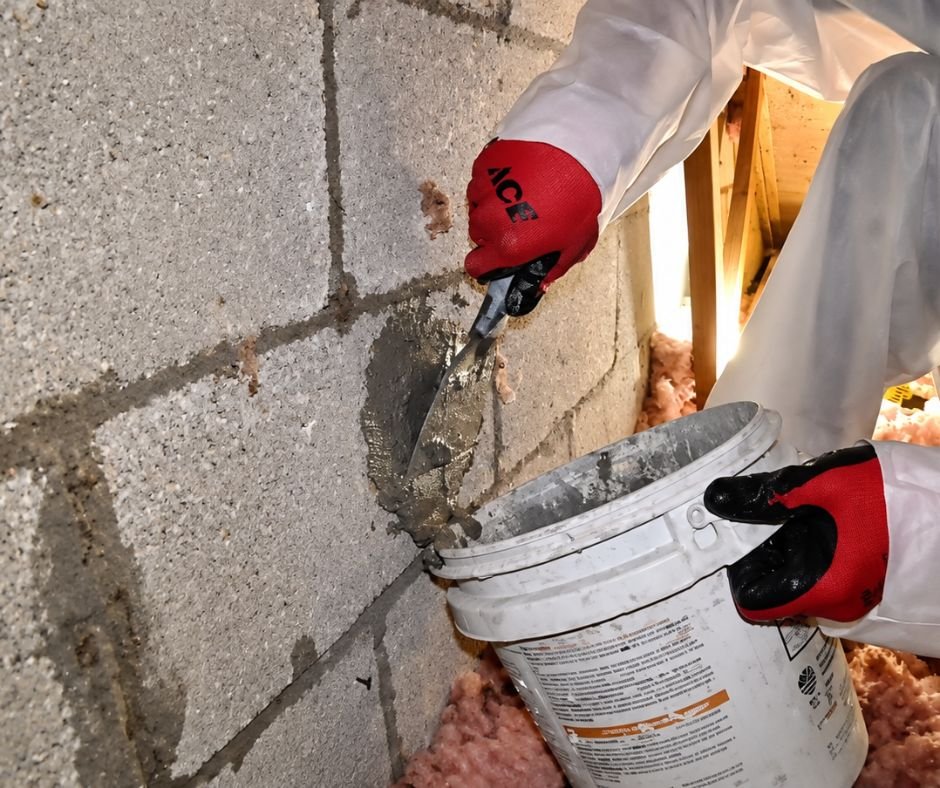
That is why rodent control in Miami Gardens starts with exclusion, not poison. We walk the whole house, show you every entry point in photos and give you the plan and price. Nothing starts until you approve it. See our rodent exclusion and home rodent control pages for more.
Miami Gardens at a glance
- County
- Miami-Dade, about 16 miles north of downtown Miami
- Incorporated
- May 13, 2003, the 33rd city in the county
- Population
- 111,640 (2020 census)
- Land area
- 18.23 square miles
- Borders
- Broward County line to the north, 151st Street to the south, I-95 to the east
- Homes built 1950 to 1979
- 23,363 of 37,364 housing units
- Call
- (561) 562-7607, 24/7
Sources: Wikipedia, Miami Gardens, Florida (2020 census, area, borders). City of Miami Gardens, About the City. U.S. Census ACS year built data via MapOfZipCodes.
Housing age in Miami Gardens
When Was Your House Built? That Tells Us Where to Look
The 1950s was the biggest building decade in Miami Gardens by far. Each era of home has its own weak spots, so the year on your property record is a good first clue.
| Built | Homes in the city | What we often find | Rodent most likely |
|---|---|---|---|
| 1950 to 1959 | 10,242, the largest group | Original wood soffits and fascia with rot or gaps, gable vents with no screen, old plumbing and gas line holes through the wall | Roof rats in the attic |
| 1960 to 1969 | 5,585 | Additions and enclosed carports that left a seam at the old roofline, gaps where the new roof meets the old one | Roof rats, mice in the converted rooms |
| 1970 to 1979 | 7,536 | Worn garage door seals, open dryer vents, AC line holes that were never sealed or were sealed with foam | House mice and roof rats |
| 1980 to 1999 | 6,855 | Roof vents and ridge caps after reroofing, pipe gaps under sinks, shared walls in townhomes | House mice |
| 2000 and newer | 5,727 | Tile roof edges, utility cutouts and construction nearby pushing rodents into finished homes | House mice |
Source: U.S. Census Bureau American Community Survey, housing units by year built for Miami Gardens, via MapOfZipCodes. Entry point notes are what we commonly check in homes of each era. Every house is inspected in full.
Hard Rock Stadium
Living Near a Stadium Means Big Crowds and Big Food Waste
Hard Rock Stadium sits at 347 Don Shula Drive in Miami Gardens. It hosts Dolphins and Hurricanes football, the Orange Bowl, the Miami Open, the Miami Grand Prix and, in 2026, World Cup matches. Every event brings food, drink and trash. Rats follow food, and roof rats will travel up to 150 yards from a nest to reach it.
64,767
Seats
Football capacity after the 2015 to 2016 renovation.
140ac
Of parking
Tailgating lots cover about 140 acres around the stadium.
1987
Opened
As Joe Robbie Stadium, years before Miami Gardens was a city.
150yd
Roof rat range
How far a roof rat may travel from its nest for food and water.
Homes nearby
Event weeks are a good time to check
If you live near the stadium or along the routes fans walk, keep cans closed tight on event weekends, pick up any food or wrappers that end up in your yard and look for fresh droppings in the garage the week after.
Businesses
Restaurants and stores on game day
Food businesses that serve stadium crowds handle far more waste than usual. We set locked, numbered bait stations outside, seal back doors and leave a written log after each visit. See commercial rodent control.
Sources: Wikipedia, Hard Rock Stadium (address, capacity, parking, opening, events). UF/IFAS Extension, Roof Rats publication UW120 (150 yard range).
City bulk waste pickup
Bulk Trash Piles and Rats: Use the City Pickup the Smart Way
A pile of old furniture, a mattress or tree cuttings by the curb is shelter for rats. The longer it sits, the more likely something moves in. The City of Miami Gardens gives single-family homes free bulk pickups, so plan your cleanout around the pickup date instead of building a pile for weeks.
Set items out by the ready date you pick, since collection can come as early as day 1. Cleaning out a garage or shed where rodents have nested? Do not sweep or shake out nests. Spray droppings with disinfectant first, or let us handle the rodent cleanup before you haul things out.
Food and kitchen garbage is not bulk waste. Keep it in your closed cart, because a bag left on the pile is an open meal.
Miami Gardens bulk pickup rules
- Free pickups
- 2 per fiscal year, October 1 to September 30
- Size limit
- Up to 25 cubic yards each
- How to book
- Call 3-1-1 or request online
- Collection
- 1 to 8 days after your ready date
- Placement
- Curbside, within 10 feet of the street, 5 feet from mailboxes, cars, trees and poles
- Not taken
- Garbage, chemicals, auto parts, central AC units, fiberglass insulation, items over 150 pounds
- Drop-off
- Norwood TRC, 19901 NW 7 Avenue, or North Dade 2, 21500 NW 47 Avenue
Source: City of Miami Gardens, Bulk Waste Pickup flyer.
First clues
What Miami Gardens Homeowners Notice First
These are the signs that usually lead to a call. One clue can be a passing animal. Two or more in the same area usually means rodents are living in or on the house.
Soffit
Stains at the roof edge
Dark greasy rub marks where the soffit meets the wall, or a chewed corner on an old wood soffit board.
Kitchen
Tiny droppings in drawers
House mouse droppings are about 1/8 inch, often under the sink or behind the stove. Rat droppings are 1/4 to 1/2 inch.
Yard
Eaten mangos and other fruit
Fruit hollowed out on the tree, with only the skin left hanging, points to roof rats moving through the canopy.
Ceiling
Running sounds at night
Fast scratching above the ceiling after dark. Roof rats are most active from dusk to dawn.
Slab
Holes along the foundation
Round holes about 3 inches wide near the slab, a shed or a fence line can be Norway rat (Rattus norvegicus) burrows.
Smell
A sour or dead odor
Strong urine smell in a closet or a dead smell in one wall. We also handle dead rodent removal.
Sources: UF/IFAS Extension, Roof Rats (UW120) and Rat and Mouse Control (ENY-224).
Services available in Miami Gardens
Rat and Mouse Removal Services in Miami Gardens
Most Miami Gardens jobs combine a few of these: an inspection, sealing, trapping and cleanup. Choose a service to learn more, or call and we will tell you what your property needs.
Residential Rodent ControlAttic and garage rat removal for Miami Gardens homes, from large lots in Andover and Norland to block homes in Carol City.Learn More →
Commercial Rodent ControlScheduled service with written visit logs for offices, warehouses and shops along NW 27th Avenue and near Hard Rock Stadium.Learn More →
Rodent RemovalTraps placed on the paths rats use and checked on return visits until the activity stops.Learn More →
Dead Rodent RemovalBad smell in a wall or ceiling? We find and remove the dead rodent, then clean and deodorize the area.Learn More →
Rodent CleanupRemoval of droppings, urine and nests from attics and garages, with advice on insulation replacement.Learn More →
Rodent ExterminatorEPA and FDACS certified technicians who use traps indoors and follow product labels around kids and pets.Learn More →
Rodent ExclusionWe seal soffits, roof vents, pipe gaps and garage corners with metal and mortar so rats cannot get back in.Learn More →
Rodent Feces RemovalCareful cleanup of droppings with disinfectant, never sweeping or vacuuming, which can spread germs.Learn More →
Rodent ProofingDoor sweeps, vent screens, roof edge sealing and tree trimming advice for Miami Gardens homes.Learn More →
Know the animal
Three Rodents, Three Ways In
The rodent decides the repair. A climber that lives in the attic needs a sealed roofline. A digger needs a protected slab. A mouse needs every small gap closed.
Climber
Roof rat (Rattus rattus)
The most common rodent pest in Florida. Slim, with a tail longer than its body. Nests in attics, palm fronds and thick vines, and travels on power lines and fences.
- Fix: seal soffits, vents and roof gaps
- Trim limbs back from the roof
Digger
Norway rat (Rattus norvegicus)
Heavier, with a shorter tail. Less common in Florida, but found along canals, under slabs and around dumpsters. Burrows can run about 18 inches deep.
- Fix: close gaps at ground level
- Clear piles and debris near walls
Squeezer
House mouse (Mus musculus)
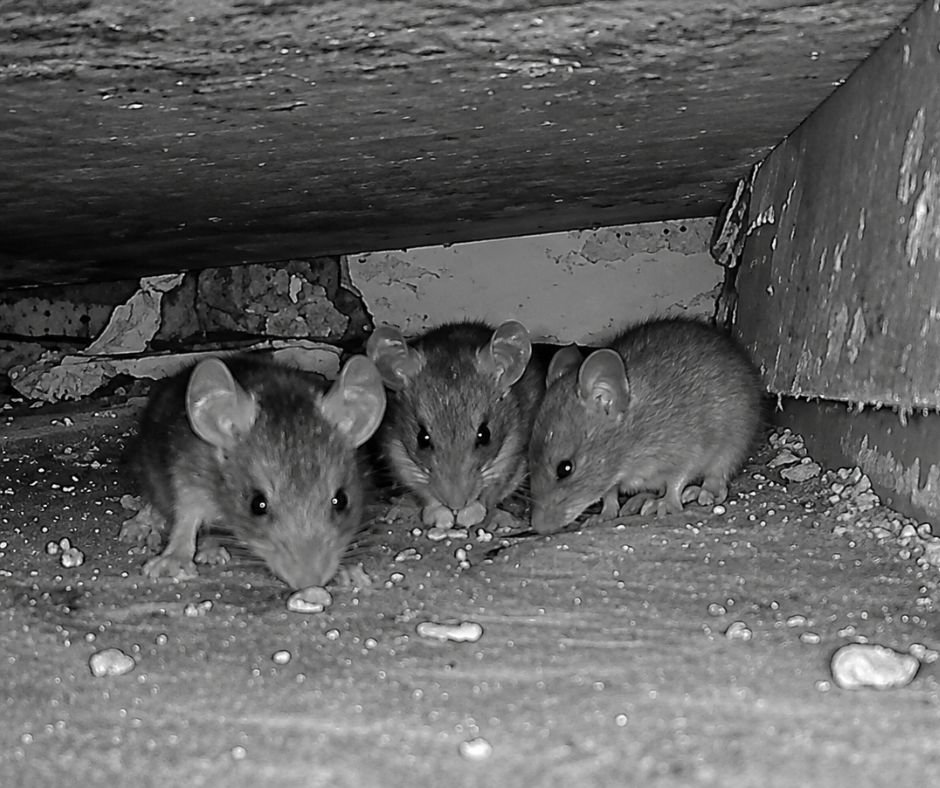
Small and gray brown. Lives in kitchens, pantries, garages and inside walls. Fits through a gap about 1/4 inch wide.
- Fix: door sweeps and pipe gaps
- Store food in sealed containers
Sources: UF/IFAS Extension, Roof Rats (UW120) and Rat and Mouse Control (ENY-224).
Our process
From the First Call to a Quiet Attic
A typical Miami Gardens house is done in 2 to 3 weeks. Older homes with a lot of open soffit or a large colony may need more time, and we tell you that up front.
- Visit 1
Walk the house
Roof, attic, soffits, garage, slab and yard. You get photos of each entry point, the plan and the price.
- After approval
Close the gaps
Sheet metal, 1/4 inch hardware cloth and concrete patch. Foam alone is not used, because rodents chew it.
- Week 1
Set traps inside
Snap traps along the runways rats use, out of reach of kids and pets.
- Week 2
Check and remove
Return visits to clear traps, move them if needed and watch for new activity.
- Final visit
Clean and confirm
Droppings and nest material removed with disinfectant. We confirm no new activity before closing the job.
Campuses and commercial sites
Universities, Dorms and Businesses in Miami Gardens
Miami Gardens is home to 2 universities, Hard Rock Stadium and Calder Race Course, which opened in 1971. Large buildings with dining halls, dorms and loading areas need a plan for the whole property, not one room at a time.
HBCU
Florida Memorial University
A private historically black university founded in 1879 that moved to its present campus in 1968. Dorms, dining and grounds on about 44 to 50 acres.
Catholic
St. Thomas University
A 150 acre campus under the sponsorship of the Archdiocese of Miami, with about 5,900 students. Big lawns, trees and buildings mean many possible entry points.
Commercial
What we provide
- Locked, mapped bait stations outside
- Door sweeps on kitchens and loading doors
- Dumpster and grease area checks
- Written logs after every visit
Sources: Wikipedia, Florida Memorial University and St. Thomas University (Florida).
Renters, licenses and cost
Florida Law, Safe Cleanup and What Rat Removal Costs
About 40% of Miami Gardens homes are rented. These rules help both renters and owners.
Renters
Who pays in an apartment?
Under Florida Statutes 83.51, unless the lease says otherwise in writing, the landlord of a unit other than a single-family home or duplex must provide extermination of rats and mice.
License
Check FDACS
Pest control companies are licensed by the Florida Department of Agriculture and Consumer Services under Chapter 482, Florida Statutes. Ask for the license number.
CDC
Clean up safely
Air the room out for 30 minutes, wear gloves, spray droppings with 1 part bleach to 9 parts water, wait 5 minutes, then wipe. Never sweep or vacuum.
Cost
National averages
HomeAdvisor lists a national average of about $395 for rodent removal, most jobs $189 to $655, and exclusion $200 to $600. These are national market numbers, not our quote.
Sources: Florida Statutes, Section 83.51. FDACS, Chapter 482. CDC, How to Clean Up After Rodents. HomeAdvisor, Rodent Removal Cost (national). Census ACS owner and renter share via MapOfZipCodes.
Primary Miami Gardens response zone
Miami Gardens service coverage
Is your ZIP on the route?
These are the ZIP codes we serve most in Miami Gardens, but we cover the whole city and Miami-Dade County. Call if you do not see yours.
3301433054330553305633169
Areas we serve
Check my address →
Andover · Bunche Park · Carol City · Lake Lucerne · Norland · Opa-locka North · Scott Lake
Miami Gardens rodent FAQ
Miami Gardens Rat and Mouse Questions
Real questions from homeowners, renters and business owners in Miami Gardens. Do not see yours? Call us any time.
Call (561) 562-7607 →Rats go where food is. Big events create a lot of food waste, so homes and businesses near the stadium should keep trash cans shut and pick up litter after event days. If a rat finds an open gap in your house, sealing it is what keeps it out.
Furniture, mattresses and similar items are accepted on Miami Gardens bulk pickup. Book it through 3-1-1 and set items out by your ready date so the pile does not sit long. Disinfect droppings before you move anything, and keep food garbage out of the pile.
For apartments and most rentals other than a single-family home or duplex, Florida law puts rat and mouse extermination on the landlord unless your lease says otherwise in writing. Tell your landlord in writing. We work with landlords and property managers too.
We use materials rodents cannot chew through: sheet metal, 1/4 inch hardware cloth and concrete patch. Foam may be used behind metal as filler, but never alone. Every sealed spot is photographed so you can see the work.
We did not find published price data for Miami Gardens itself. HomeAdvisor reports a national average of about $395, with most jobs between $189 and $655. Your price depends on how many openings need sealing, and you get it in writing before work starts.
Inside, we rely on sealing and snap traps, because poisoned rats often die in walls and cause odor. Any bait outdoors goes in locked, tamper-resistant bait stations and follows the label.
All of them, including Carol City, Norland, Andover, Bunche Park, Lake Lucerne, Scott Lake and Opa-locka North, from the Broward County line down to 151st Street. We are available 24/7 at (561) 562-7607.
Miami Gardens dispatch is ready
Rats in Your Miami Gardens Home or Business?
Call now. We will inspect the property, show you where rodents are getting in, and seal it so they stay out.
Request Miami Gardens service
Give us a call. We’ll handle the next step.
Call us, tell us what you are seeing and where you are located, and our team will confirm the right appointment type and timing.
Serving Miami GardensMiami Gardens, Florida(561) 562-7607Open 24 hours · 7 days a week