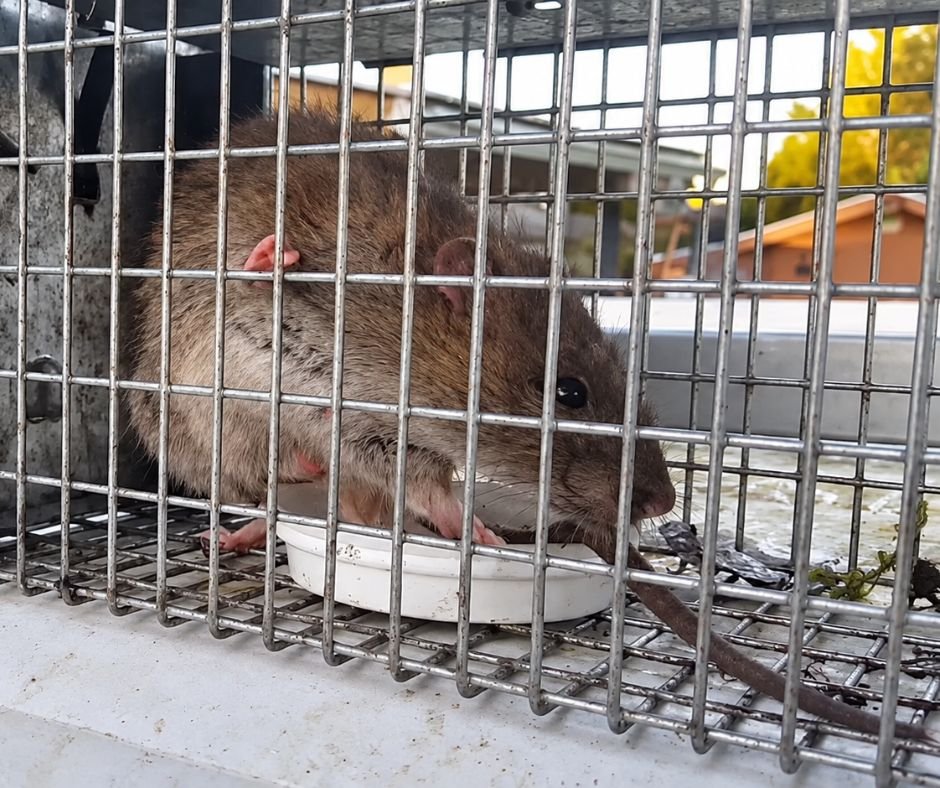
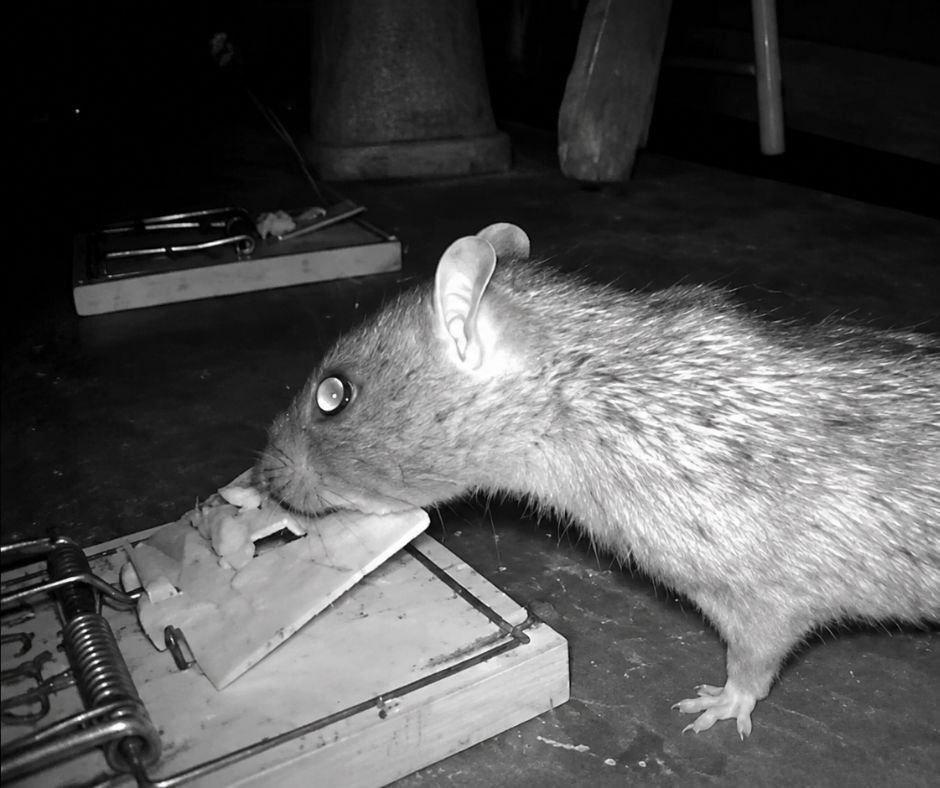
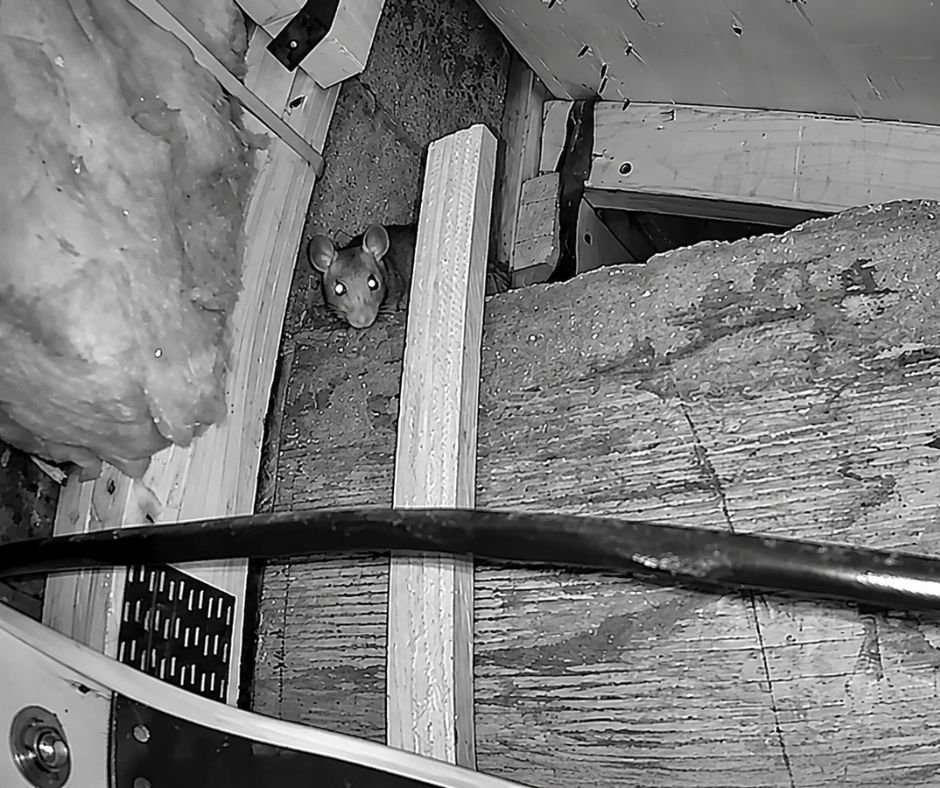
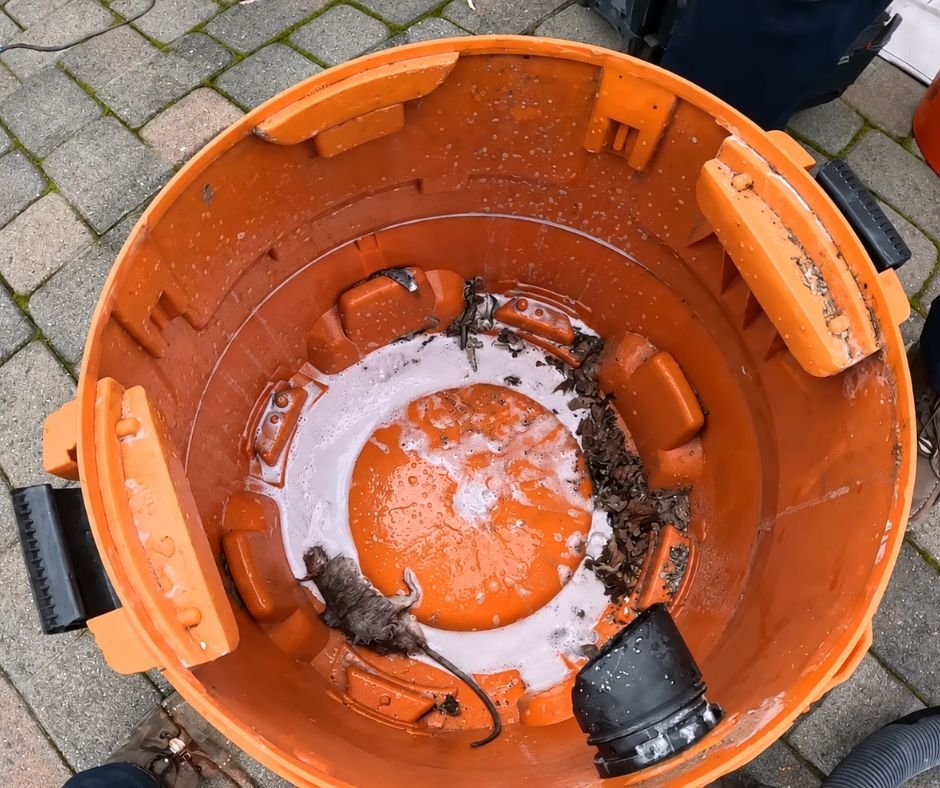
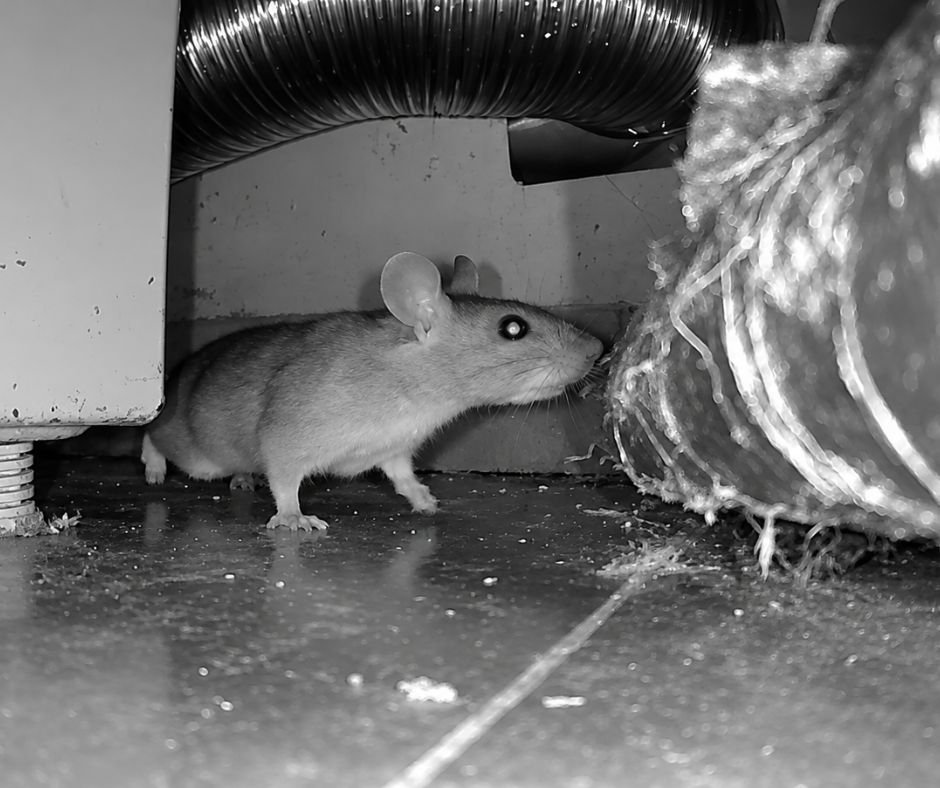
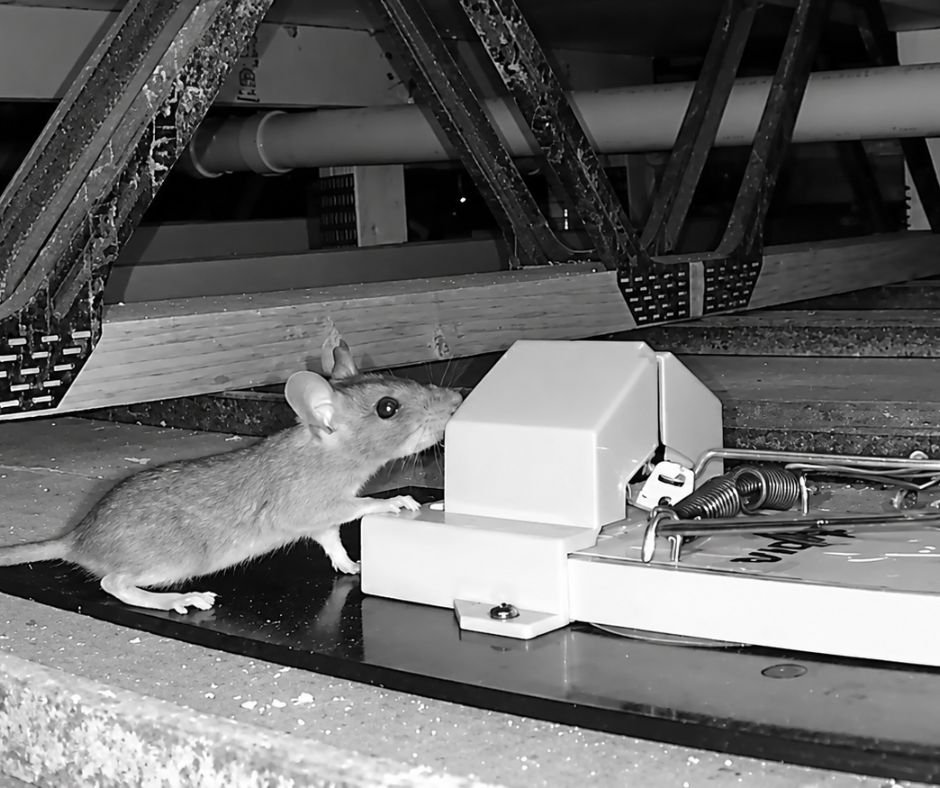
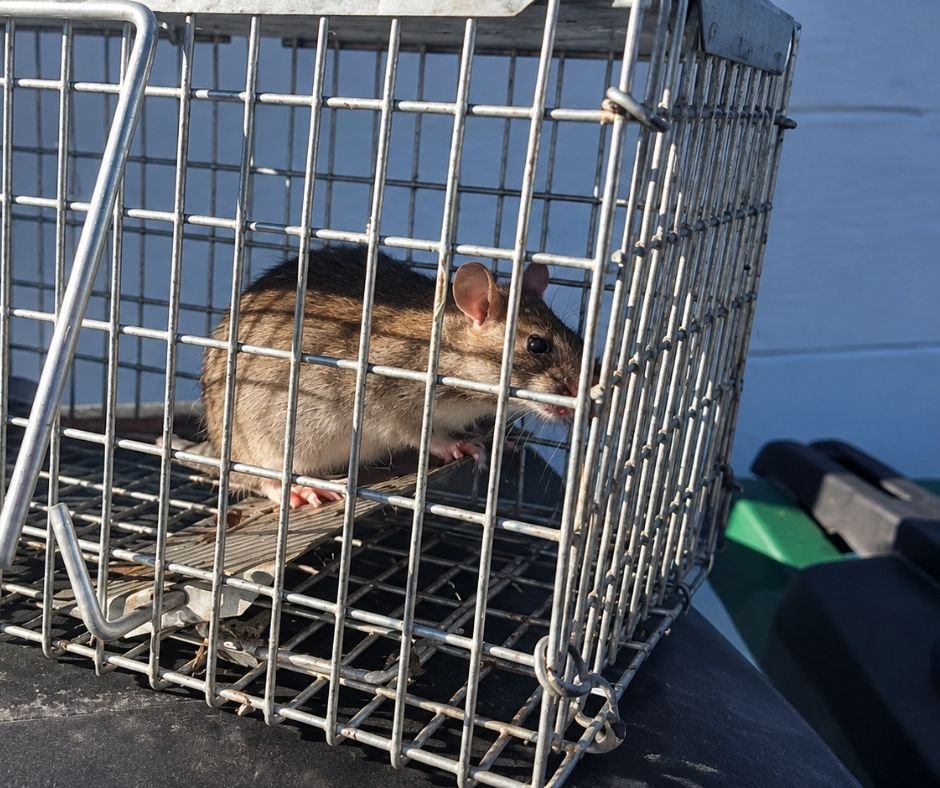
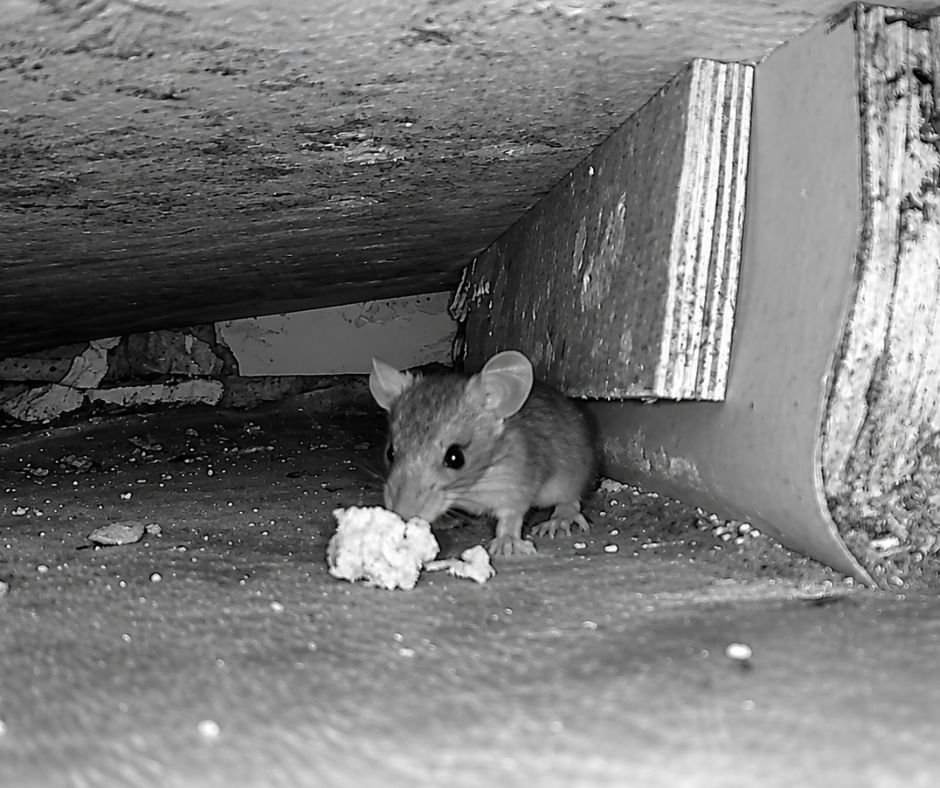
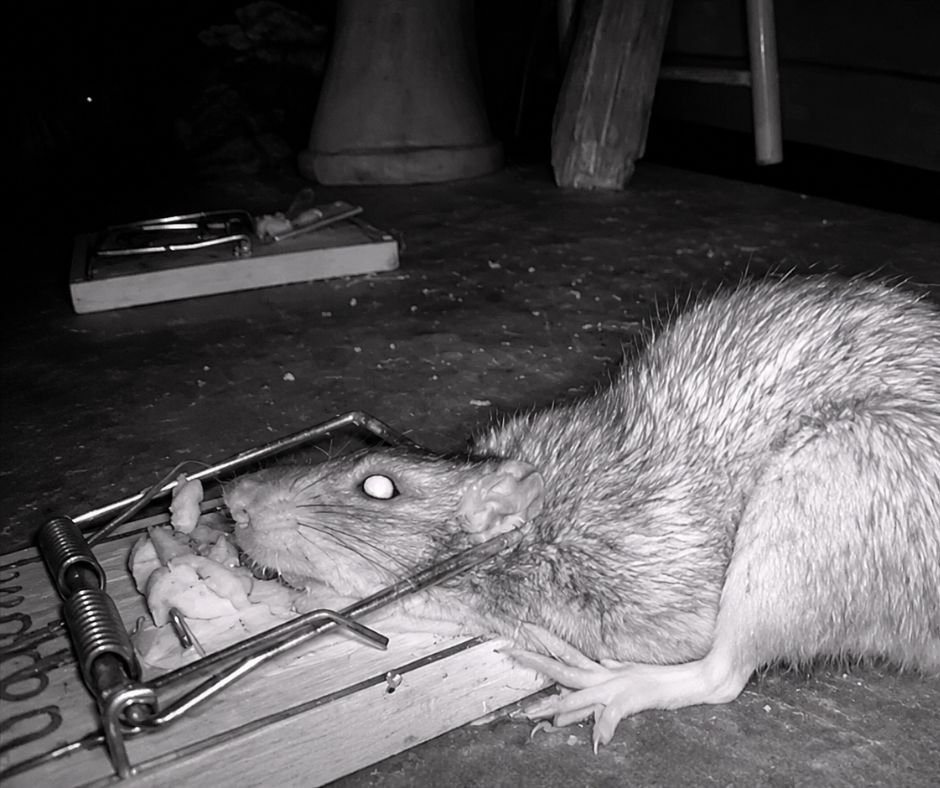
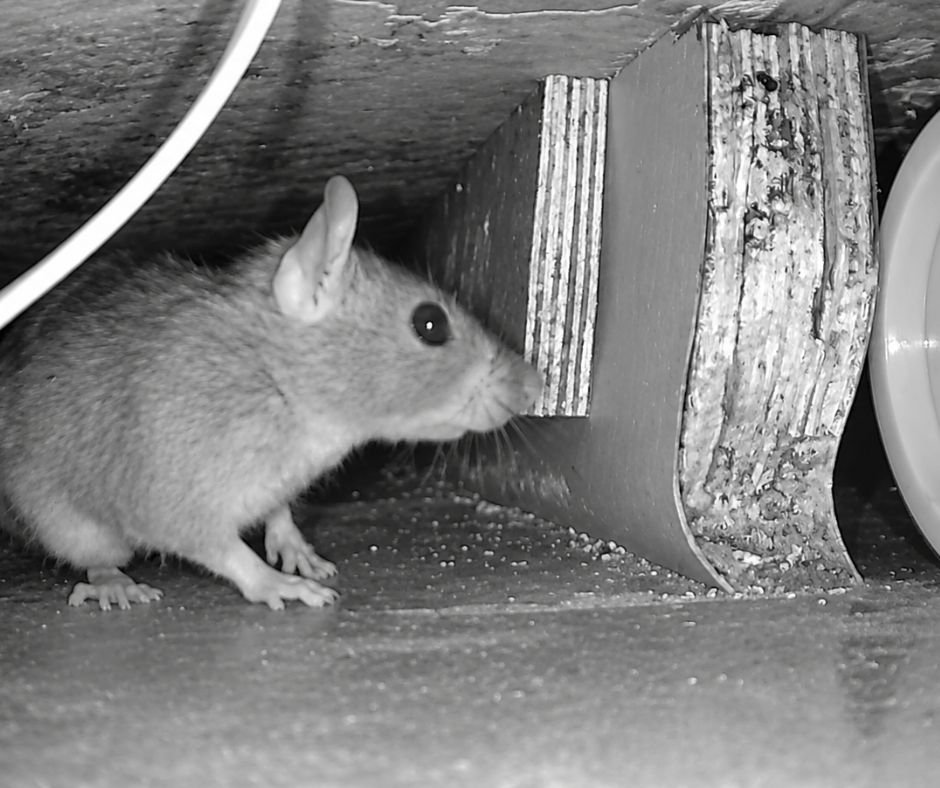
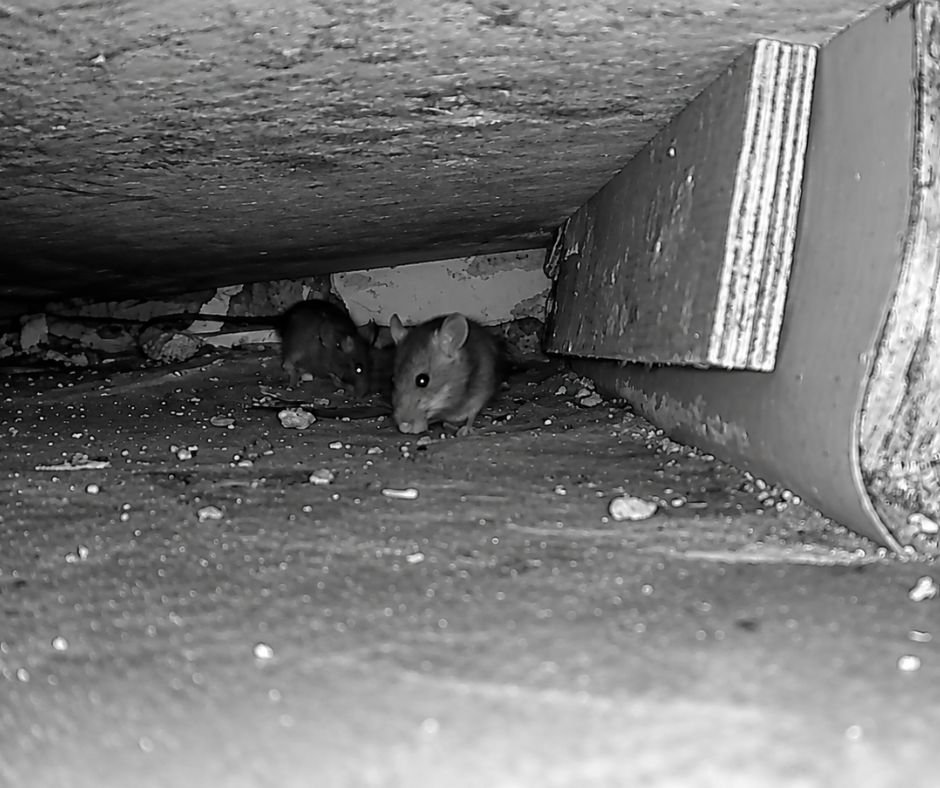
Not much. Gainesville averages only about 15 freezing nights a year, and UF/IFAS says roof rats breed all year in Florida, with peaks in spring and fall. A few rats in an attic can keep growing right through the winter.
Gainesville and Alachua County
Rodent Control and Rat Exclusion in Gainesville, FL
From a Victorian porch house in the Duckpond to a student rental off University Avenue to a newer home out by Haile Plantation, rats in Gainesville usually come down from the trees and in through the roofline. We find each opening, close it with metal, trap the rodents already inside and come back to confirm the house is quiet.
A city under the trees
Why Gainesville Is Built for Roof Rats
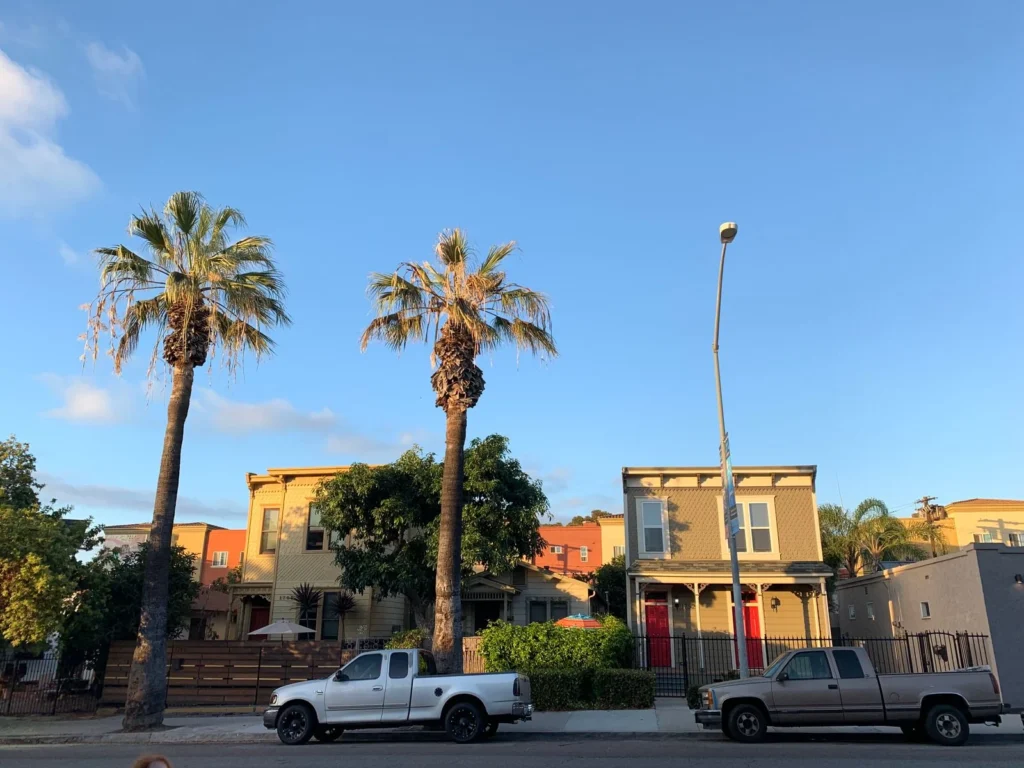
Gainesville has been named a Tree City USA every year since 1982, and a 2016 study put the city’s tree canopy at about 47% of its land. On the south edge sits Paynes Prairie Preserve State Park, more than 21,000 acres of marsh, live oak hammock and pine sandhill. Few Florida cities have this much green so close to so many roofs.
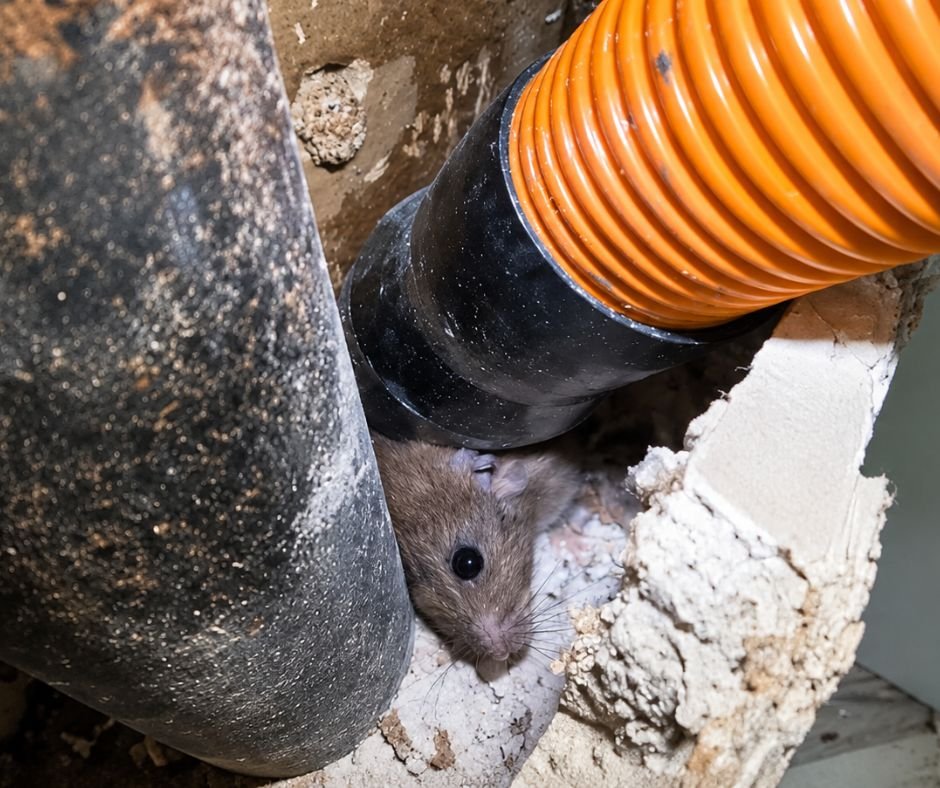
That is good news for shade and bad news for attics. The roof rat (Rattus rattus) is a climber. It uses oak limbs, power lines and fences to reach the roof, then slips in at a soffit gap, an open gable vent or the seam where a porch roof meets the wall. UF/IFAS says roof rats will travel about 150 yards from the nest for food or water, so the rat in your attic may live in a tree 2 lots away.
Winters here are mild for North Florida. Gainesville averages only about 15 nights at or below freezing, mostly between early December and late February. Roof rats breed all year in Florida, with peaks in spring and fall, so there is no long cold break that slows them down.
Trimming limbs back from the roof helps, but in a city this green it is never enough on its own. Sealing the house is what keeps rats out.
Gainesville at a glance
- County
- Alachua County seat
- Population
- 141,085 (2020 census), about 148,671 (2025 estimate)
- Tree canopy
- About 47% of city land (2016)
- Freezing nights
- About 15 a year, Dec 4 to Feb 24 on average
- University
- University of Florida, 54,814 students (fall 2023)
- Homes owner occupied
- 37.7%, so most homes are rented
- Call
- (561) 562-7607, 24/7
Sources: Wikipedia, Gainesville, Florida (Tree City USA, 2016 canopy study, freeze data); Florida DEP, Paynes Prairie Preserve State Park unit management plan (21,654 acres); U.S. Census Bureau QuickFacts, Gainesville city; Wikipedia, University of Florida; UF/IFAS Extension, Roof Rats UW120.
Research from right here
What UF/IFAS in Gainesville Says About Florida Rodents
The University of Florida Institute of Food and Agricultural Sciences (UF/IFAS) is based in Gainesville, and its Extension service publishes the guides most Florida pest pros work from. Here is what its roof rat guide says, and what it means for a Gainesville home.
Most common
Roof rat (Rattus rattus)
UF/IFAS calls the roof rat the worst rodent pest in Florida and the most abundant. Adults are 12 to 14 inches long, nose to tail, and weigh 5 to 10 ounces. Their droppings are black, banana shaped and about 1/4 to 1/2 inch long. Noise in the attic at night is the classic sign.
Less common
Norway rat (Rattus norvegicus)
The same guide says the Norway rat is rare in Florida. When we do find a burrowing rat, it is usually under a slab, a shed or a pile of stored material at ground level, not in the attic.
Native
Cotton rat (Sigmodon)
UF/IFAS names the native cotton rat, together with the roof rat, as a crop pest in Florida fields. A rat in your attic or running a fence line is almost always a roof rat. A rodent seen only out in a field or pasture edge may be the native one.
5-8
Pups a litter
After a pregnancy of about 21 to 23 days.
4-5
Litters a year
For each female roof rat.
3-4mo
Old enough to breed
So young rats start new colonies fast.
0
Registered repellents
None are registered for roof rats, and UF/IFAS finds no evidence ultrasonic devices work.
Source: UF/IFAS Extension, Roof Rats, publication UW120 (EDIS). UF/IFAS location from Wikipedia, Institute of Food and Agricultural Sciences.
Duckpond to Haile Plantation
Where Rats Get Into Gainesville Homes, Part of Town by Part of Town
The Northeast Gainesville Residential District, known locally as the Duckpond, has 229 historic buildings and was added to the National Register of Historic Places in 1980. Those homes fail in very different places than a new build on the west side. This is where we look first.
| Part of Gainesville | What the homes are like | First places we check |
|---|---|---|
| The Duckpond (Northeast Gainesville Residential District) | Late 1800s and early 1900s homes in Victorian, Mediterranean and Colonial styles, under big shade trees | Roofline and attic. Old gable and soffit vents, porch roof seams, gaps where later additions meet the original house, utility lines through old walls |
| Pleasant Street and the Southeast Gainesville Residential District | Older historic neighborhoods near downtown | Foundation vents and floor openings, gaps around plumbing, eaves and fascia boards with age or storm damage |
| Near campus, around University Avenue and the UF area | Student apartments, rental houses, duplexes and fraternity and sorority houses | Shared walls. Pipe chases under sinks, gaps behind appliances, back doors, dumpster pads and trash areas |
| Downtown, Depot Park and Innovation Square | Restaurants, offices and new infill apartments | Loading and back doors, grease and dumpster areas, ceiling spaces and utility runs between units |
| South side near Paynes Prairie, Bivens Arm and Sweetwater Wetlands Park | Homes close to big natural areas and tree lines | Limbs and vines touching the roof, garage door corners, sheds and woodpiles near the house |
| Haile Plantation and the west side | Planned communities and newer subdivisions | Small gaps. Garage door seals, AC line and cable holes, dryer vents, roof edges near tall trees |
Sources: Wikipedia, Northeast Gainesville Residential District (229 historic buildings, NRHP 1980, styles); Wikipedia, Gainesville, Florida (historic districts, Depot Park, Haile Plantation, landmarks). Every home is different, so we inspect the whole house.
Gainesville’s own rules
City of Gainesville Trash and Yard Rules That Starve Rats
Rats come for food and cover. The City of Gainesville’s curbside and code rules already cut off a lot of both, if you follow them. These are the ones that matter most for rodents.
7am
Carts out the same day
Set the garbage cart at the curb by 7 AM on collection day, not the night before, and bring it back by 9 PM. Keep the lid fully closed.
0
Bags on top of the cart
The city says not to pile garbage bags on or around the cart. Extra trash goes in Official Yellow Bags, 4 feet from the cart.
5ft
Longest branch
Yard waste is picked up weekly. Branches up to 5 feet long and 8 inches thick. Leaves go in paper bags, never plastic, so piles do not sit for weeks.
12in
Grass limit
City code says to keep grass 12 inches or less, and junk, trash and debris cannot be left in the yard.
Property owners
A pest control program is part of the code
Gainesville Code Enforcement tells owners to maintain a pest control program to get rid of harmful insects and rodents. Rental units also fall under the city’s Residential Rental Unit Ordinance, Chapter 14.5. Questions about rentals go to the Rental Housing line at 352-334-5035.
Neighbors
Report a lot that is feeding rats
Overgrowth, junk piles or loose trash next door can keep a rat problem going. Call Code Enforcement at 352-334-5030 or file online through the city. Gainesville does not accept anonymous complaints, so you will need to give your name and address.
Sources: City of Gainesville Public Works, Garbage Collection and Yard Waste Collection pages; City of Gainesville Code Enforcement, Code Violation FAQs and Report a Code Violation. Collection days changed for many homes in October 2026, so check your day with the city.
Services available in Gainesville
Rat and Mouse Removal Services in Gainesville
Most Gainesville jobs combine a few of these: an inspection, sealing, trapping and cleanup. Pick a service to learn more, or call and we will tell you what your property needs.
Residential Rodent ControlAttic and crawl space rat removal for Gainesville homes, from the historic districts to Haile Plantation.Learn More →
Commercial Rodent ControlScheduled service with written visit logs for restaurants and shops along Archer Road, 13th Street and Newberry Road.Learn More →
Rodent RemovalTraps placed on the paths rats use and checked on return visits until the activity stops.Learn More →
Dead Rodent RemovalBad smell in a wall or ceiling? We find and remove the dead rodent, then clean and deodorize the area.Learn More →
Rodent CleanupRemoval of droppings, urine and nests from attics and crawl spaces, with advice on insulation replacement.Learn More →
Rodent ExterminatorEPA and FDACS certified technicians who trap indoors and follow product labels around kids and pets.Learn More →
Rodent ExclusionWe seal soffits, vents, crawl space openings and garage corners with metal and mortar so rats cannot get back in.Learn More →
Rodent Feces RemovalCareful cleanup of droppings with disinfectant, never sweeping or vacuuming, which can spread germs.Learn More →
Rodent ProofingDoor sweeps, vent screens and tree trimming advice for homes under Gainesville’s heavy oak canopy.Learn More →
The order of the work
Rat Removal in Gainesville, Step by Step
A tight newer home may need only a few gaps closed. A 100 year old house in the Duckpond can have openings along the whole roofline. Either way the work runs in this order, and you approve the plan and price before anything starts.
- First visit
Full walkaround
Roof, attic, eaves, foundation, garage and yard, including limbs over the roof. You get photos of every entry point and a written plan.
- After you approve
Exclusion
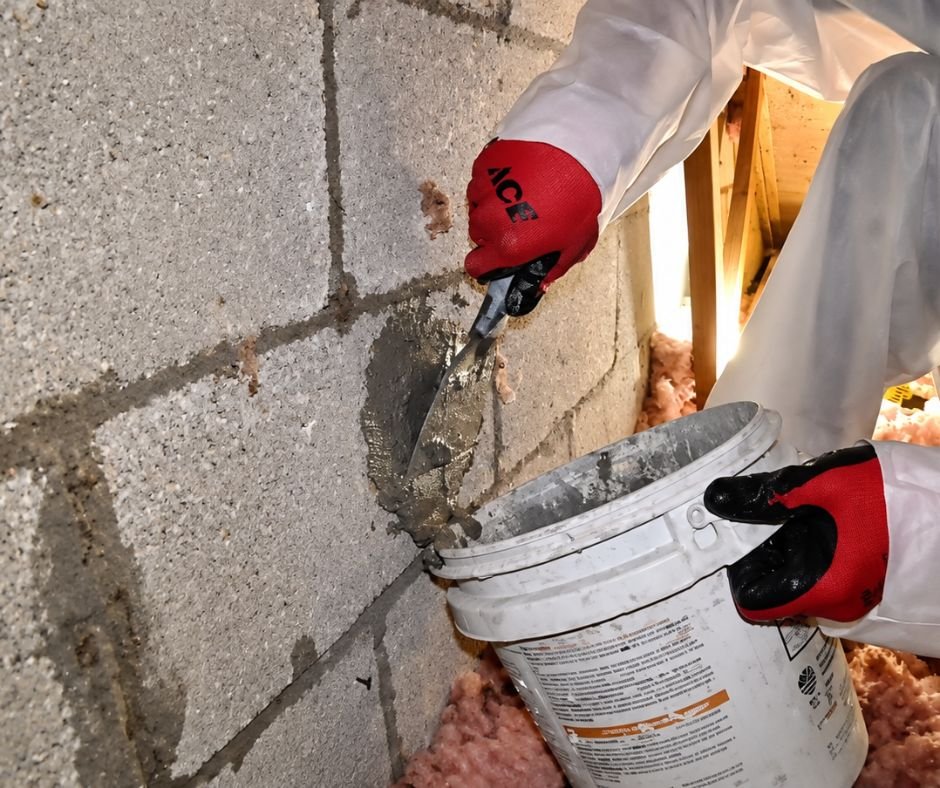
Gaps sealed with sheet metal, 1/4 inch hardware cloth, mesh and cement. Spray foam alone is not used, because rats chew through it.
- Following 1 to 2 weeks
Trapping
Snap traps placed on the runways rats use, marked by droppings and greasy rub marks, then checked and moved on return visits.
- When activity stops
Cleanup
Droppings, nests and soiled insulation removed wet with disinfectant, never swept or vacuumed dry.
- Final check
Follow-up visit
We look for fresh droppings, new chew marks or moved bait before we close the job.
Renting near UF
Rats in a Gainesville Rental: What Florida Law Says
The University of Florida had 54,814 students in fall 2023, and only about 9,200 of them live in campus residence halls. Most of the rest rent in Gainesville, which is a big reason only 37.7% of homes in the city are lived in by their owners. Rodent calls from apartments, duplexes and shared houses are a normal part of the year here.
Section 83.51, Florida Statutes, says the landlord of a dwelling unit other than a single family home or duplex must provide for the extermination of rats, mice, roaches, ants, wood destroying organisms and bedbugs, unless the lease or the law says otherwise. For single family homes and duplexes, that duty can be changed in writing, so check your lease.
The same section covers what happens if you have to leave during a treatment. The tenant may be asked to move out for up to 4 days, with 7 days’ written notice. The landlord is not liable for damages in that case but must reduce the rent for that time.
Sources: Florida Statutes, Section 83.51 (2024); Wikipedia, University of Florida (enrollment, residence halls); U.S. Census Bureau QuickFacts, Gainesville city, 2020 to 2024. General information, not legal advice.
Tips for tenants and owners
- Tenants: tell the landlord or manager in writing, with photos of droppings or chewed food
- Tenants: keep food in sealed glass, metal or hard plastic containers
- Owners: summer turnover between leases is the easiest time to inspect and seal an empty unit
- Owners: in buildings with shared walls, have the whole building checked, not just the unit that called
- Both: do not stuff holes with foam or steel wool alone, which hides the entry point
- See our commercial rodent control for apartment complexes
Clues around the house
Signs That Point to Rats, Not Squirrels or Bats
Gainesville attics also get squirrels, bats, raccoons and opossums. Rodents leave their own set of clues. Two or more of these is a good reason to call.
Timing
Running after dark
Rats are busiest at night. Steady daytime noise points more to squirrels.
Shape
Banana shaped droppings
Black, 1/4 to 1/2 inch, along walls and on insulation. Mouse droppings are much smaller, like rice.
Trees
Fruit hollowed out
Citrus with a hole about the size of a quarter and the inside eaten is a roof rat sign, per UF/IFAS.
Walls
Dark smudges
Greasy rub marks on beams, pipes and the top of walls where rats run the same path every night.
Source: UF/IFAS Extension, Roof Rats UW120.
Safe cleanup and the right company
Do It Right the First Time
The CDC warns that sweeping or vacuuming rodent droppings can put germs into the air. Air the space out for 30 minutes, wear rubber or plastic gloves, soak droppings and nests with disinfectant or 1 part bleach to 9 parts water for 5 minutes, then wipe them up with paper towels.
In Florida, pest control companies are licensed by the Florida Department of Agriculture and Consumer Services (FDACS) under Chapter 482, Florida Statutes. Ask for the license number before work starts. Our team is EPA and FDACS certified.
Found a dead rat? The City of Gainesville lists dead animals among things that should not go in the garbage cart. Call the Solid Waste Division at 352-334-2330, or ask us about dead rodent removal.
Sources: CDC, How to Clean Up After Rodents; CDC, How to Seal Up to Prevent Rodents; Florida Statutes, Chapter 482; City of Gainesville, Garbage Collection page.
What tends to fail in Gainesville homes
- Plug-in sound devices. UF/IFAS finds no evidence they drive rodents away.
- Repellent sprays and pouches. None are registered for roof rats.
- Only cutting the trees back. With about 47% canopy, rats can still find a route.
- Loose poison in the attic. Rats can die in walls and leave a strong odor.
- Setting trash out the night before. An open or overfilled cart on the curb overnight is a free meal.
Primary Gainesville response zone
Gainesville service coverage
Is your ZIP on the route?
These are the main residential ZIP codes we serve in and around Gainesville. Call if you do not see yours.
326013260332605326063260732608326093264132653
Areas we serve
Check my address →
Duckpond · Pleasant Street · University Heights · Haile Plantation · Northwest Gainesville · Eastside · Near campus
Gainesville rodent control FAQ
Gainesville Rat and Mouse Questions, Answered
From historic homes in the Duckpond to apartments near campus, these are the questions Alachua County residents ask us most. Call if yours is not here.
Call (561) 562-7607 →Older homes in the Northeast Gainesville historic district often have many small openings: old vents, porch roof seams, gaps where additions meet the original walls and utility lines through old siding. Big shade trees give rats a path to all of them. Sealing the whole roofline, not just one hole, is what makes it stop.
In most apartments, the landlord. Section 83.51, Florida Statutes, says landlords of units other than single family homes and duplexes must provide for extermination of rats and mice. Houses and duplexes can be different if the lease says so in writing. This is general information, not legal advice.
Yes. You will likely always have some rodents outside, since roof rats can travel about 150 yards for food. The goal is to keep them out of the house. Once every gap at the roof, walls and foundation is closed with metal or hardware cloth, they have no way in.
UF/IFAS lists the native cotton rat as a pest in Florida fields and crops. A rat living in your attic, walls or trees and running along fences is almost always a roof rat, which UF/IFAS calls the most abundant rodent pest in the state. We identify the species at the inspection.
It depends on how many entry points need sealing, the size of the attic and how many rodents are inside. We do not guess over the phone. After the inspection you get a written plan and price, and nothing starts until you approve it.
The City of Gainesville lists dead animals among items that should not go in the garbage cart. Call the Solid Waste Division at 352-334-2330 for options, or have us remove it. If you smell one inside a wall, we can find it, remove it and clean the area.
All of Gainesville, from the Duckpond, Pleasant Street and the UF area to the south side near Paynes Prairie and Haile Plantation, plus nearby towns such as Alachua, Newberry, High Springs, Archer, Micanopy, Hawthorne and Waldo.
Gainesville dispatch is ready
Hearing Rats in Your Gainesville Attic?
Call now. We will inspect the property, show you where rodents are getting in, and seal it so they stay out.
Request Gainesville service
Give us a call. We’ll handle the next step.
Call us, tell us what you are seeing and where you are located, and our team will confirm the right appointment type and timing.
Serving GainesvilleGainesville, Florida(561) 562-7607Open 24 hours · 7 days a week