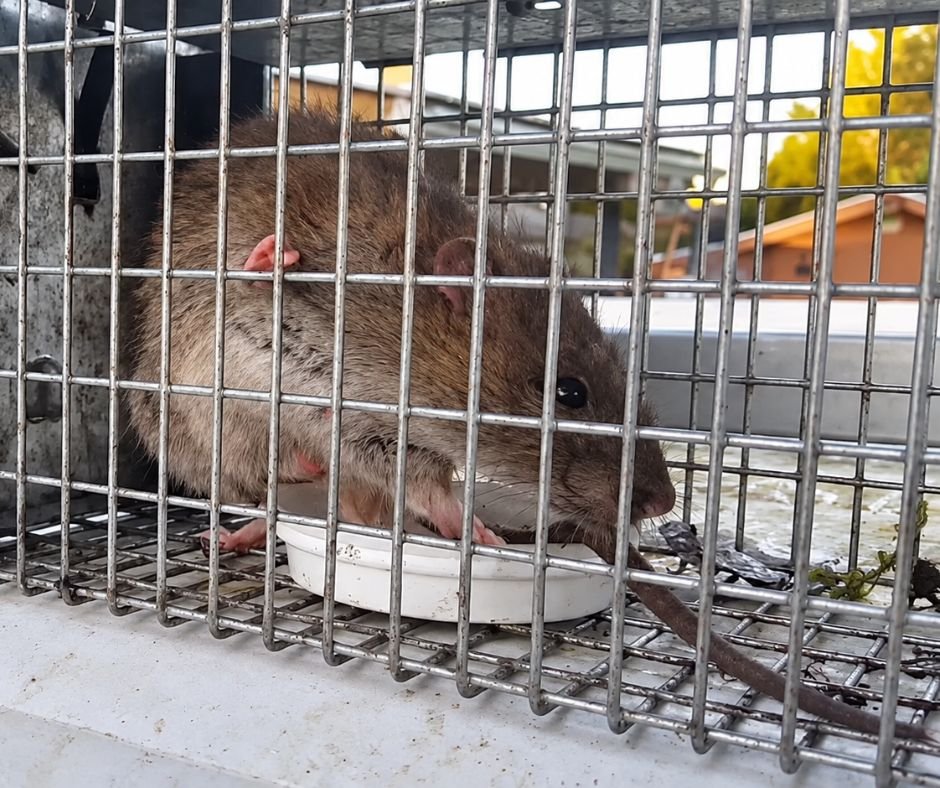
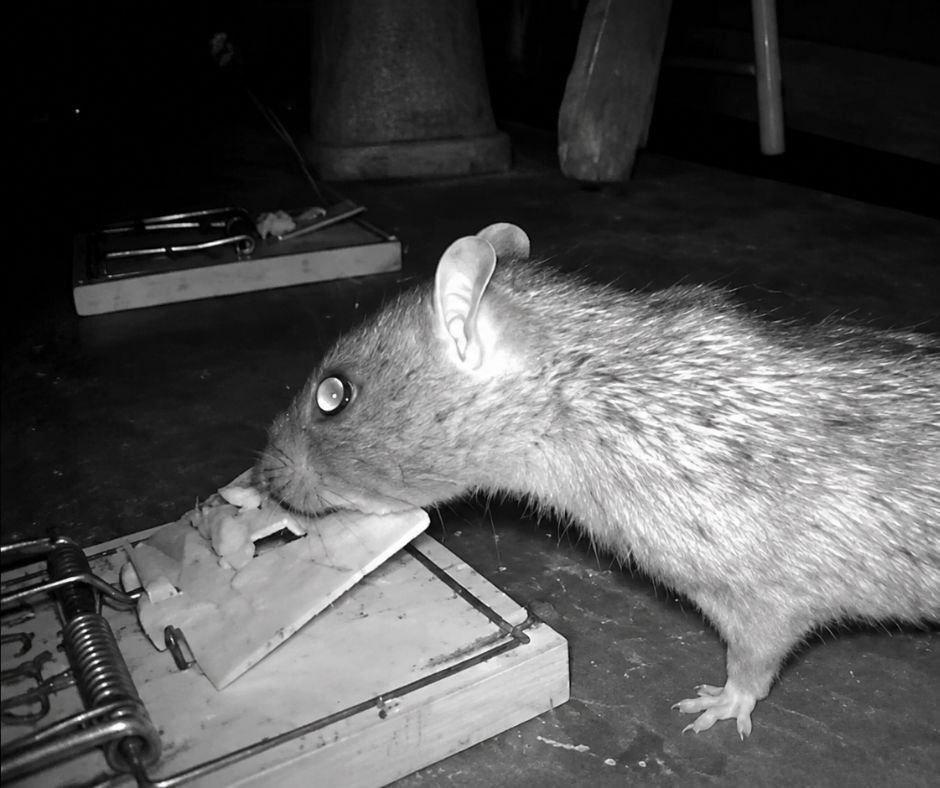
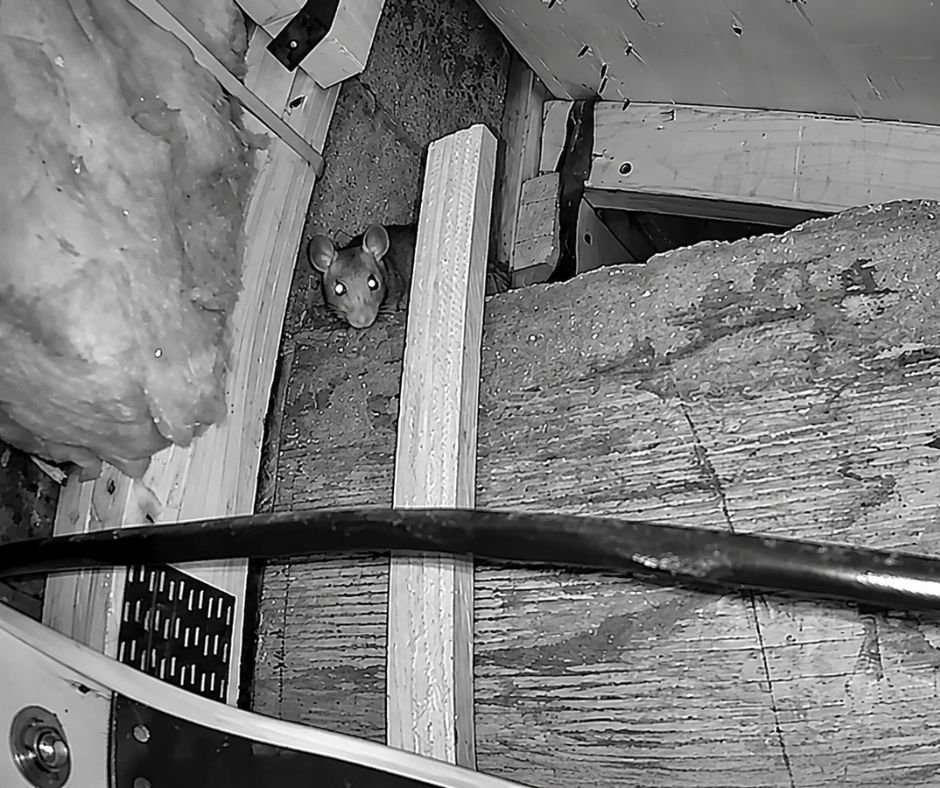
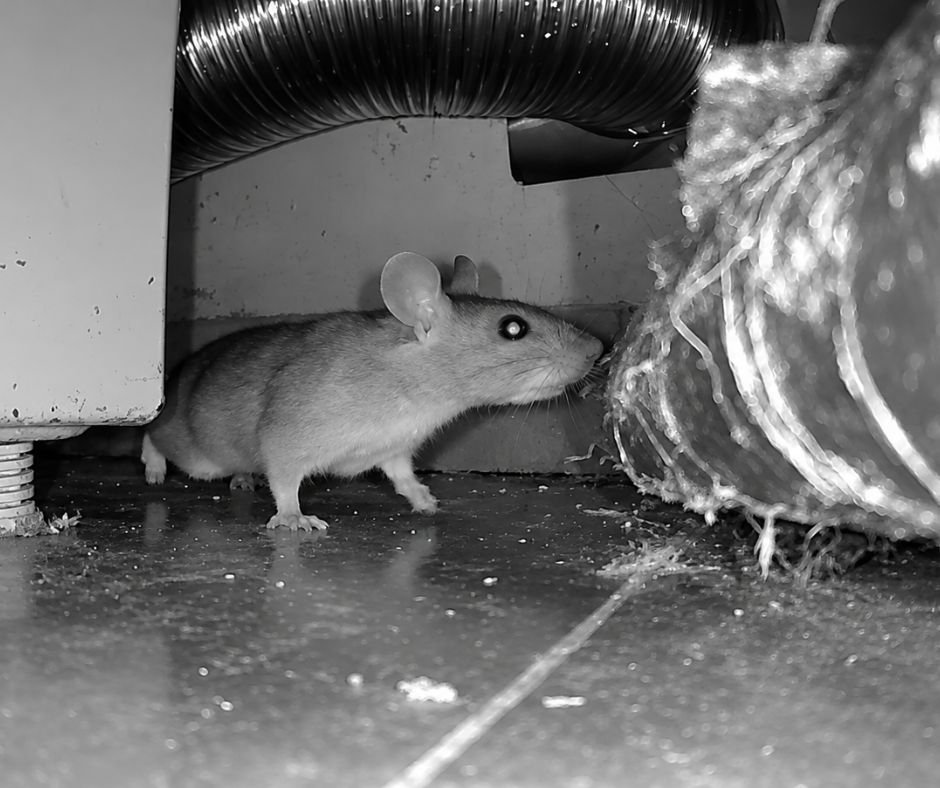
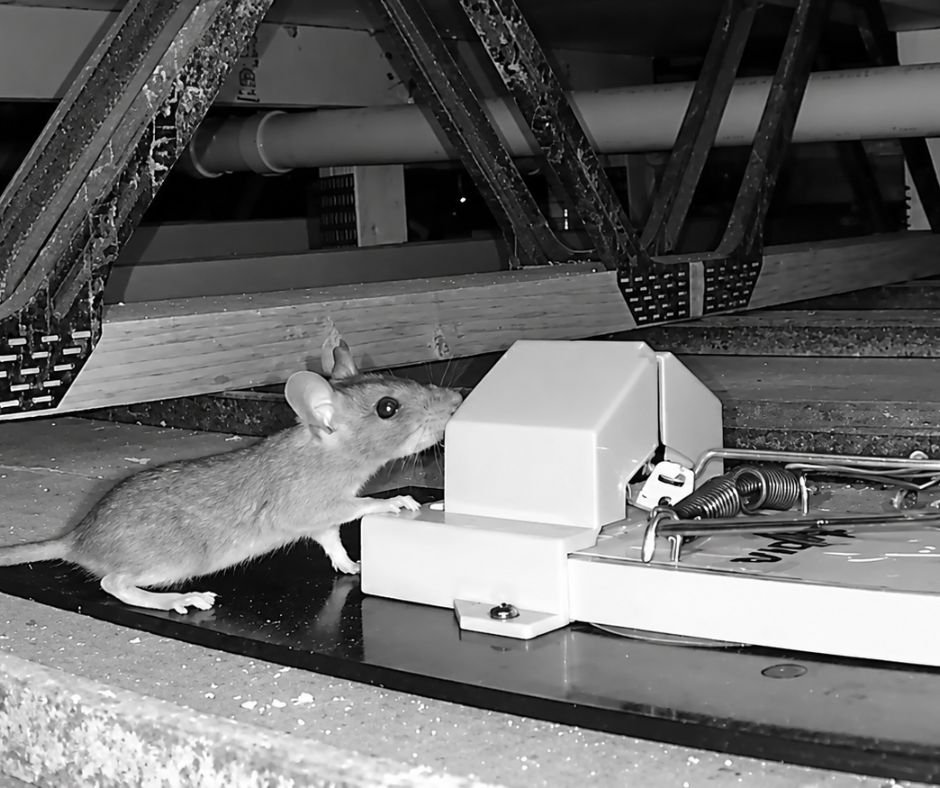
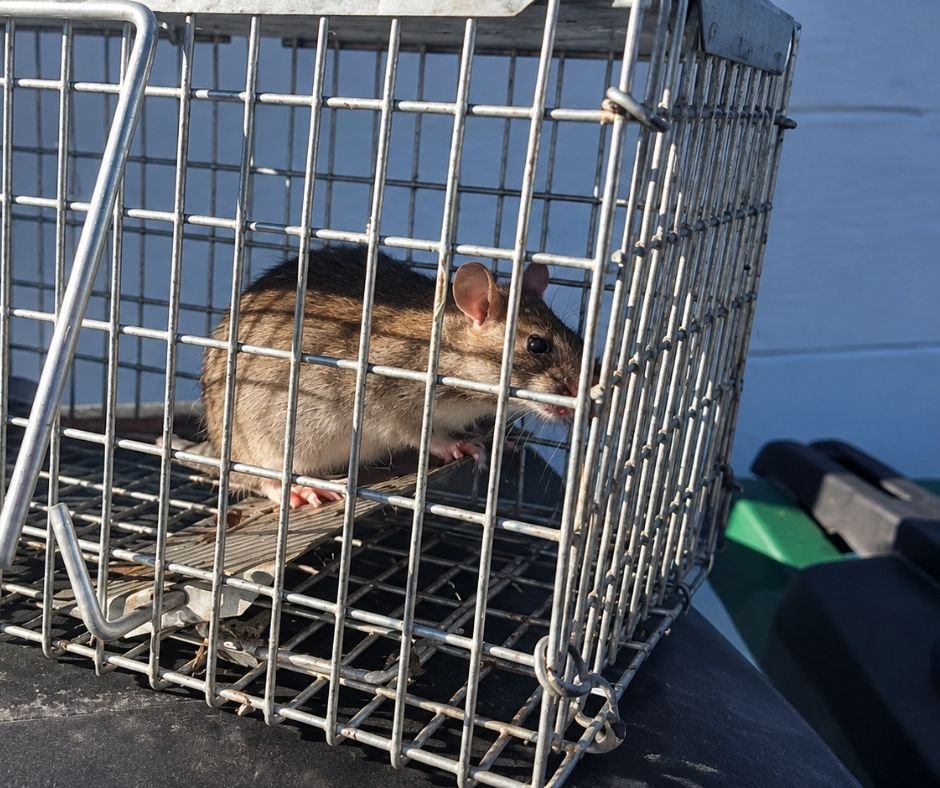
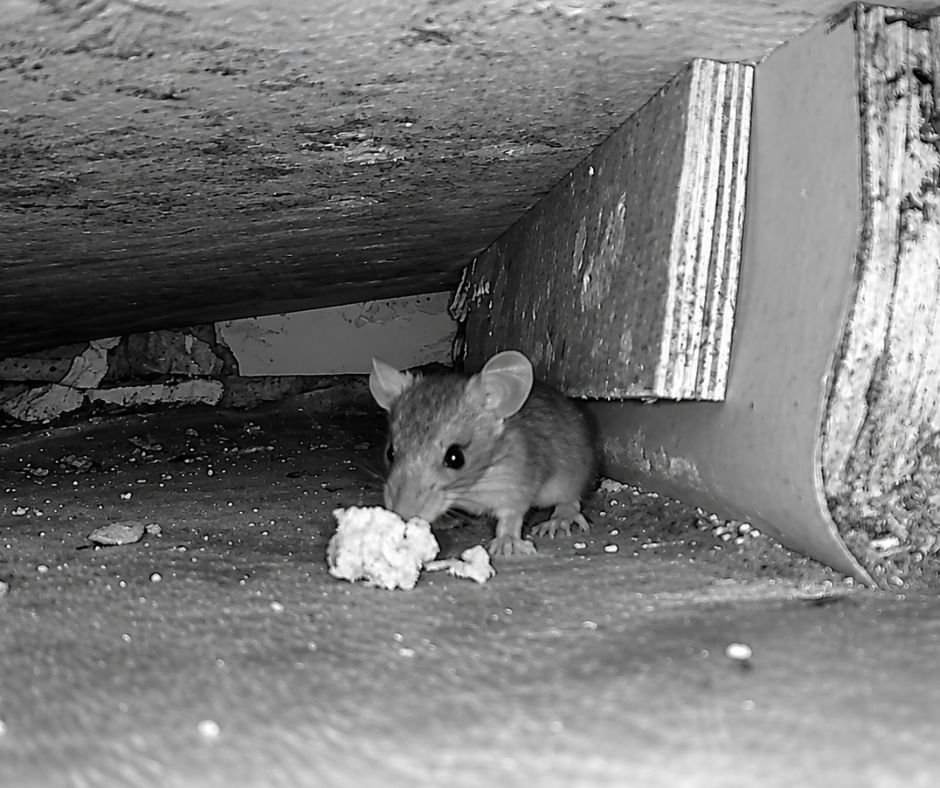
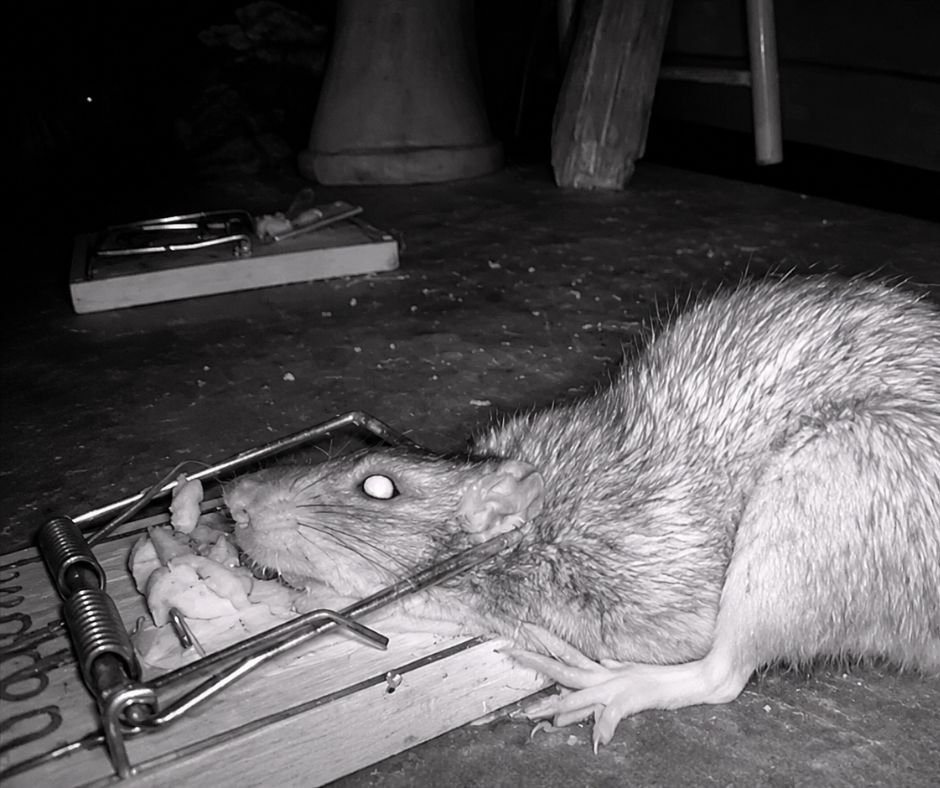
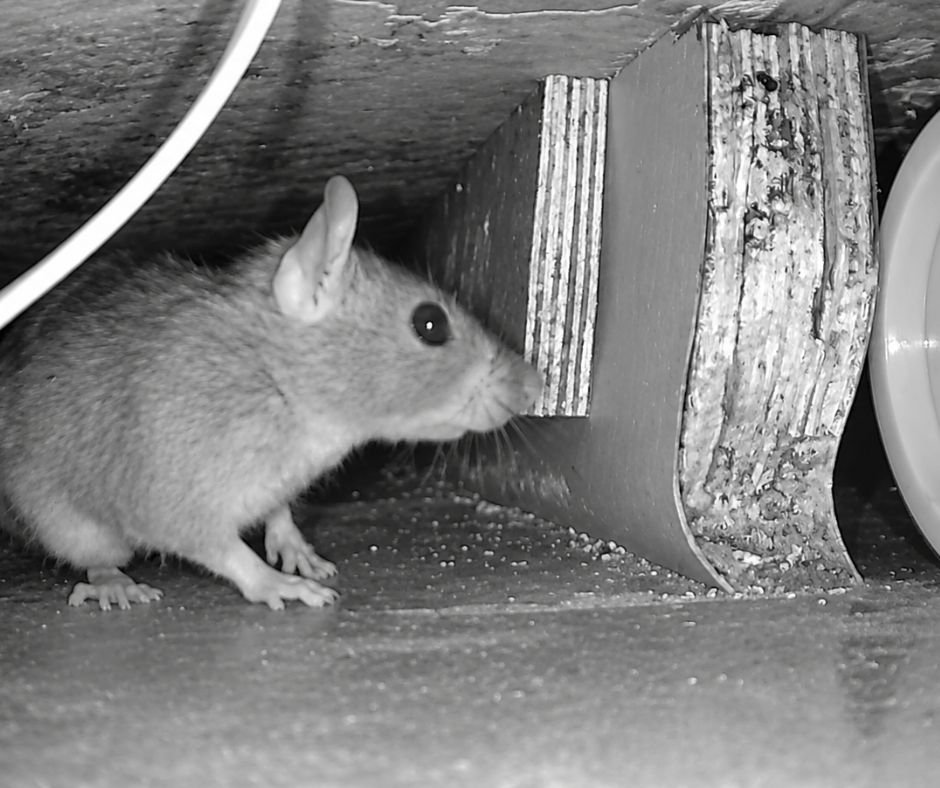
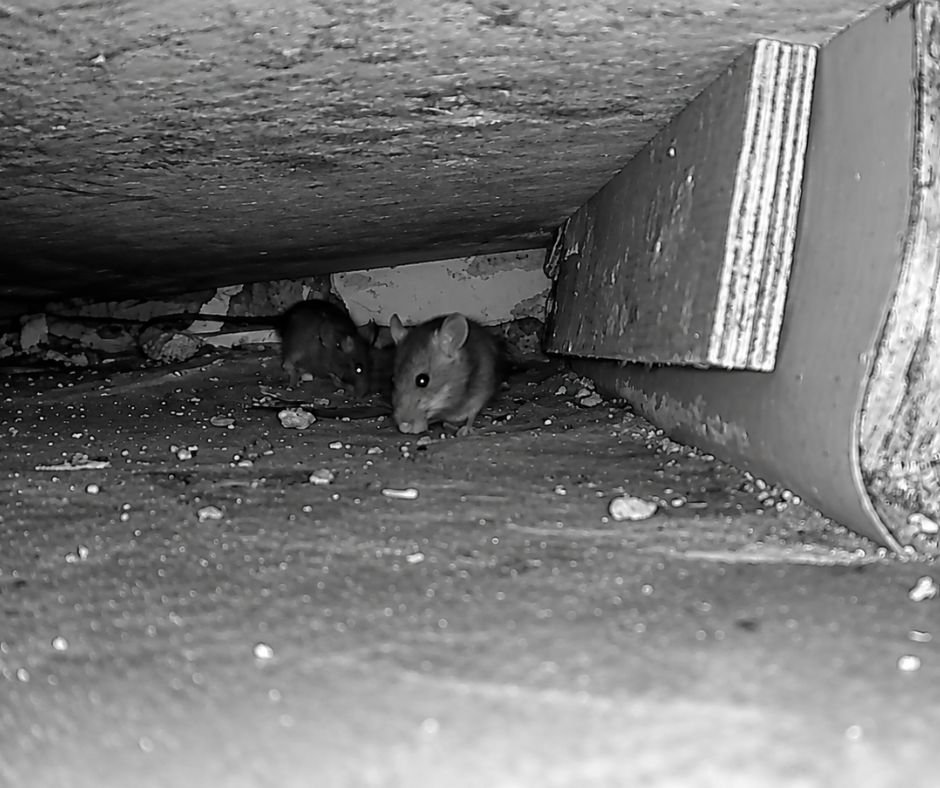
Clean streets do not stop roof rats. They live in trees, and Coral Gables has about 58% tree cover. Big oaks, banyans, palms and fruit trees give them food and shelter, and limbs over the roof give them a way inside.
The City Beautiful, Miami-Dade County
Rodent Control and Rat Removal in Coral Gables, FL
Coral Gables has one of the thickest tree canopies in Florida, and roof rats use every limb of it. We trace the path from the oak or banyan to the opening in your roofline, close it in a way that respects the look of a Gables home, and trap the rats already inside.
Coral Gables at a glance
In Coral Gables, rats rarely walk in through the front door. They come over the top, from tree limbs to the roof, and the fix starts with sealing those high openings.
George Merrick planned Coral Gables during the Florida land boom of the 1920s, and the city was incorporated in 1925. Its Mediterranean Revival homes, shaded streets and miles of waterfront are a big part of why people love living here. The same mature trees, hedges, fruit trees and water also give the roof rat (Rattus rattus) food, cover and a highway to your attic all year.
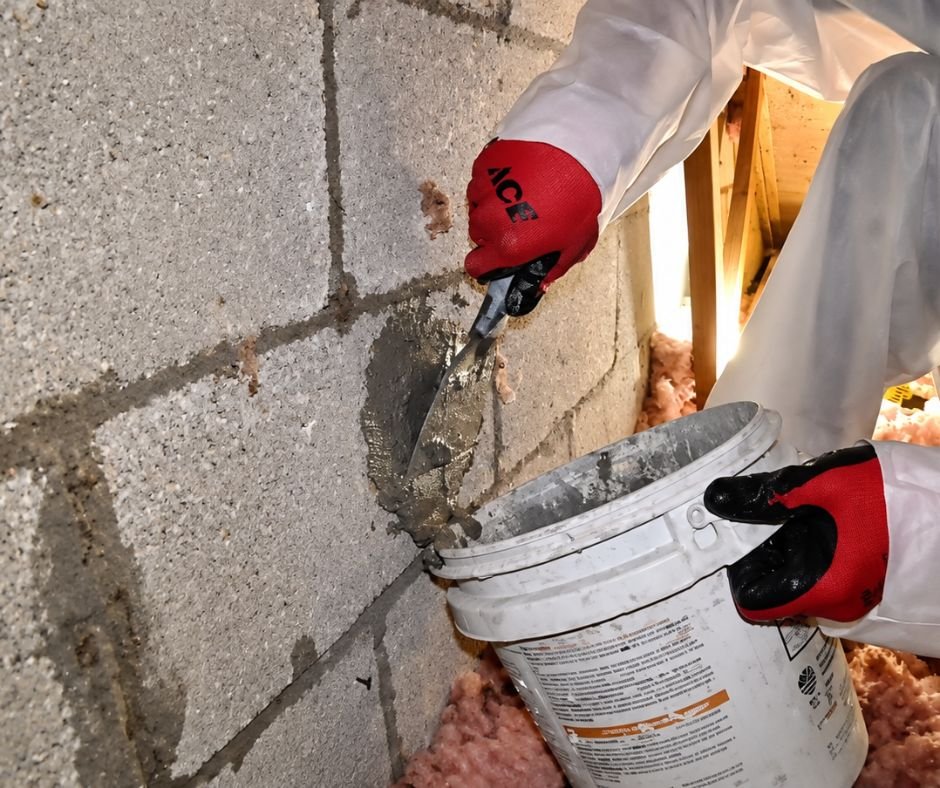
Rodent control in Coral Gables is our usual 3 step job done with extra care for the house: seal the entry points with metal, mesh or mortar, trap the rodents inside and clean up droppings and nests. You see the plan and price first, and nothing starts until you approve it.
- County
- Miami-Dade County
- Population
- 49,248 (2020 census)
- Tree canopy
- 58% citywide, public and private property
- Main rodent
- Roof rat (Rattus rattus) in attics and trees
- Also seen
- Norway rats (Rattus norvegicus) near seawalls and dumpsters, house mice (Mus musculus) in kitchens
- Climate
- Tropical, warm all year, so rodents breed in every season
- Call
- (561) 562-7607, 24/7
Sources: Wikipedia, Coral Gables, Florida (2020 census, climate, history); City of Coral Gables, Tree Canopy Ranking (August 2026); UF/IFAS Extension, Roof Rats UW120.
Sealing a home the Board would approve of
Rat Proofing Under the Eye of the Coral Gables Board of Architects
Few Florida cities guard their look the way Coral Gables does. The city’s Board of Architects reviews projects against the Design Review Standards in Section 5-100 of the Zoning Code, which call for compatible color, materials and proportion. Roof tiles are on the list of items the Board reviews, and the city publishes pre-approved paint color lists.
That matters for rodent work. A quick fix like a bright aluminum patch, a plastic vent cover or a strip of foam on a stucco wall may stop a rat for a week, but it can look out of place on a Gables facade. Our approach is to close openings with materials that sit behind or under the finish whenever possible: hardware cloth behind decorative vent grilles, mortar and sheet metal under the first row of tile, and screens painted to match the trim.
If a repair would change what your home looks like from the street, such as replacing tile or changing a vent, we point it out before work starts so you can check with the city’s Development Services or your roofer. Call the City at 305-446-6800 with questions.
Source: City of Coral Gables, Board of Architects (Development Services, Planning and Zoning Division).
How we keep the work out of sight
- 1/4 inch hardware cloth set behind clay or cast stone vent grilles, not over them
- Tile eave closures and mortar hidden under the first course of tile
- Metal flashing at roof to wall joints, bent to follow the parapet
- Stucco gaps at AC lines and pipes packed with metal mesh, then sealed
- Door sweeps and garage seals in neutral colors
- Photos of every fix so you can show your roofer or the city
A Tree City since 1985
The Canopy That Makes Coral Gables Beautiful Is Also a Rat Road
Banyans, live oaks and coconut palms shade almost every Gables street. Roof rats are climbers. They nest in thick foliage and palm skirts, then cross to your roof wherever a branch, vine or utility line touches it. These numbers show how much tree cover rats have to work with.
58%
Canopy cover
Share of the city covered by trees on public and private land, one of the highest in Florida.
38,175
Public trees
Trees the city has catalogued on streets and in parks, before counting backyards.
150yd
Roof rat range
Roof rats travel up to 150 yards from the nest for food and water, easily crossing several lots.
10in
Pruning limit
Cutting branches over 10 inches across needs city authorization and an ISA Certified Arborist.
Trimming trees back from the roof is one of the best things you can do against roof rats, but in Coral Gables it has to be done the right way. Large branch pruning is covered by Chapter 82 of the City Code, with fines of up to $500 a day for violations. We mark the limbs rats are using and tell you which ones need trimming. For big limbs, hire a licensed tree service that pulls the city permit.
Sources: City of Coral Gables, Tree Canopy Ranking (2026); Coral Gables Magazine, Keeper of the Canopy (2019); City of Coral Gables, Authorization for Large Diameter Branch Pruning form; UF/IFAS Extension, Roof Rats UW120.
Side yard trash, rat’s eye view
Your Garbage Cans Live Beside the House. So Do the Rats.
Coral Gables keeps garbage cans out of sight. City rules say cans stay on the side of the home, not visible from the street, and Coral Gables Magazine reports that collectors come to the rear or side of about 11,000 single-family homes twice a week. It is a great service, and it also puts food right next to your walls. Here is how each city rule helps or hurts with rodents.
| City rule | What it says | Why it matters for rats |
|---|---|---|
| Can location | Garbage cans are kept on the side of the home, out of view from the street | Cans sit next to AC lines, hose bibs and garage corners. Check that wall for gnaw marks and burrows. |
| Containers | Up to two 30 gallon cans, galvanized metal or plastic, lids fully closed and secured | A tight lid is the single best rat stopper at the can. Replace any cracked can or broken lid. |
| Bagged trash | Bags and small household items go to the swale only after 6 p.m. the night before collection | Bags left out longer are an open buffet for rats and raccoons. Follow the 6 p.m. rule. |
| Yard debris | Loose branches and leaves can go out during the week, up to about 1 cubic yard per pickup | Brush piles in the swale make shelter. Put them out close to your pickup day when you can. |
| Trash pits | Pits may not sit within 5 feet of trees or on top of drains or meters | A pit with old debris in it can hold rodents. The city can fill a pit to ground level on request. |
| Pet waste | Not allowed in the swale, with a civil penalty of $500 under Chapter 54 | Rats eat pet waste. Pick it up daily and bag it in your closed can. |
Sources: City of Coral Gables, “We’re Talking Trash” and Trash (Yard Debris and Household Items) pages; Coral Gables Magazine, The Great Trash Debacle. Solid Waste Division: 305-460-5000. Apartments, condos and businesses are served by Waste Management of Dade County.
Merrick’s “Venice of sorts”
Rodents Along the Gables Waterway and the Bay
Coral Gables has more than 40 miles of coastline, and about 1,600 homes sit on the water. The Gables Waterway runs from Biscayne Bay to the Biltmore Hotel, and neighborhoods like Cocoplum, Gables Estates, Gables by the Sea and Deering Bay back up to canals and mangroves. Water changes which rodent you get.
Ground level
Norway rats at the seawall
Norway rats burrow in soft soil behind seawalls, under boat lifts and along dock footings. Look for round holes with smooth, packed edges and fresh dirt in front.
Up high
Roof rats in mangrove and palm edges
Thick waterfront landscaping and palms along the canal give roof rats a nest site right next to large, complex rooflines with many tile valleys.
Outbuildings
Boathouses, cabanas and summer kitchens
Outdoor kitchens, pool baths and storage rooms often have open eaves and stored food or bait. We seal and check them along with the main house.
Source: Coral Gables Magazine, On the Waterfront (city estimate of waterfront homes and coastline).
Services available in Coral Gables
Rodent Control Services Available in Coral Gables
Most Coral Gables jobs combine a few of these: an inspection, sealing that matches the home’s finish, trapping and cleanup. Choose a service to learn more, or call and we will tell you what your property needs.
Residential Rodent ControlAttic and roofline rat removal for Coral Gables homes, from 1920s Mediterranean Revival houses to newer construction in South Gables.Learn More →
Commercial Rodent ControlScheduled service with written visit logs for restaurants and shops on Miracle Mile, Giralda Avenue and Coral Gables Merrick Park.Learn More →
Rodent RemovalTraps placed on the paths rats use, checked on return visits until the activity stops.Learn More →
Dead Rodent RemovalBad smell in a wall or attic under the tile roof? We find and remove the dead rodent, then clean and deodorize the area.Learn More →
Rodent CleanupRemoval of droppings, urine and nests from attics and garages, with advice on insulation replacement.Learn More →
Rodent ExterminatorEPA and FDACS certified technicians who use traps indoors and follow product labels around kids and pets.Learn More →
Rodent ExclusionWe seal barrel tile edges, old vents, pipe gaps and garage corners with metal and mortar so rats cannot get back in.Learn More →
Rodent Feces RemovalCareful cleanup of droppings with disinfectant, never sweeping or vacuuming, which can spread germs.Learn More →
Rodent ProofingDoor sweeps, vent screens, barrel tile edge sealing and tree trimming advice for Coral Gables homes.Learn More →
Our Gables visit
From the Tree Line to a Quiet Attic
Most single-family homes in the Gables take about 2 to 3 weeks from first visit to final check. Large waterfront estates and homes with several outbuildings can take longer.
- First visit
Trees, roof and attic
We start outside with the trees and hedges rats are using, then walk the roofline, soffits and vents, the attic, garage and the side yard where your cans sit.
- Plan
Photos and price
You get photos of every opening, notes on which limbs touch the roof and a written price. Nothing starts until you say yes.
- Seal
Close it in matching style
Hardware cloth, sheet metal and mortar, placed so the fix blends in with the house. Read more about rodent exclusion.
- Week 1 to 2
Trap and check
Snap traps on the runways inside, checked and moved on return visits. Outdoor bait only in locked stations, when it makes sense.
- Finish
Clean and confirm
Droppings and nests removed with disinfectant, then a follow-up visit to confirm no new activity. See rodent cleanup.
Miracle Mile, campus area and downtown Gables
Commercial Rat Control in Coral Gables
Miracle Mile is the main street of the Coral Gables business district, lined with restaurants, shops and offices. Restaurants share back alleys, dumpster pads and grease traps, so rats move from one kitchen to the next. Near the University of Miami, the city’s largest employer, rentals and small apartment buildings turn over often, and rodents can move in while a unit sits empty.
For businesses we set a regular schedule, keep written service logs you can show a state inspector, and seal the building as one connected system. See our commercial rodent control page for more.
What commercial service covers
- Numbered, locked exterior bait stations with a site map
- Door sweeps on back and service doors
- Dumpster pad and grease trap area checks
- Sealing of utility runs between shared walls
- Written logs after every visit
Know before you hire
Licenses, Health Tips and Who to Call in Coral Gables
A few rules and contacts help you pick a company and handle a rodent problem the safe way.
State law
FDACS license
Pest control in Florida is licensed by the Florida Department of Agriculture and Consumer Services under Chapter 482, Florida Statutes. Ask any company for its license number.
City help
Dumping or a missed pickup
Call the Solid Waste Division at 305-460-5000 for missed collection. Report illegal dumping to police non-emergency at 305-442-1600 or email Code Enforcement.
CDC
Clean droppings wet, not dry
Do not sweep or vacuum droppings. Air out the area, wear gloves, spray with disinfectant or 1 part bleach to 9 parts water, wait 5 minutes, then wipe up with paper towels.
Sources: Florida Statutes Chapter 482; City of Coral Gables, Trash page; CDC, Clean Up After Rodents.
Primary Coral Gables response zone
Coral Gables service coverage
Is your ZIP on the route?
These are the ZIP codes we serve most in Coral Gables, but we cover the whole city and Miami-Dade County. Call if you do not see yours.
3313333134331433314433146331553315633158
Areas we serve
Check my address →
Biltmore area · Italian Village · French Normandy Village · Miracle Mile · Giralda Avenue · Coral Gables Merrick Park · Cocoplum · Gables Estates · South Gables · Douglas Entrance
Coral Gables rodent FAQ
Coral Gables Rat Questions, Answered
Do not see your question? Call and talk to our team any time.
Call (561) 562-7607 →It should not. We place hardware cloth behind vent grilles and seal under the tile, so most work is not visible from the street. If a repair would change the exterior, we tell you first so you can check with the city.
Small branches and vines, usually yes. Pruning branches over 10 inches across needs city authorization and must be done or supervised by an ISA Certified Arborist under Chapter 82 of the City Code. We show you which limbs matter most.
They can. Keep lids fully closed, replace cracked cans and only put bagged trash in the swale after 6 p.m. the night before pickup, as city rules require. Also check the wall behind the cans for burrows and gnaw marks.
Usually both kinds. Norway rats burrow at seawalls and under docks, and roof rats nest in waterfront palms and landscaping. We inspect the dock, boathouse and outdoor kitchen along with the main house.
Most homes take about 2 to 3 weeks: inspection and sealing first, then 1 to 2 weeks of trapping, cleanup and a follow-up check. Large estates and buildings with many outbuildings can take longer.
Yes. Businesses get scheduled visits, locked bait stations outside and written logs. For rentals near the University of Miami, we can seal and treat between tenants so the unit is clear before the next move in.
Yes. We cover all of Miami-Dade County, including Coral Terrace, University, Westchester, Kendall, South Miami and Miami itself.
Coral Gables dispatch is ready
Rats in Your Coral Gables Home or Business?
Call now. We will inspect the property, show you where rodents are getting in, and seal it so they stay out.
Request Coral Gables service
Give us a call. We’ll handle the next step.
Call us, tell us what you are seeing and where you are located, and our team will confirm the right appointment type and timing.
Serving Coral GablesCoral Gables, Florida(561) 562-7607Open 24 hours · 7 days a week