Noises after dark
Scratching or running sounds in the attic or ceiling, especially between dusk and early morning when roof rats are active.
Citrus Park sits about 15 miles northwest of downtown Tampa in unincorporated Hillsborough County, wedged between Keystone, Northdale, Carrollwood, Town ‘n’ Country, and Westchase. With over 28,000 residents packed into just 10.8 square miles and dense tree canopy running right up against subdivisions and the Veterans Expressway corridor, roof rats and house mice have no trouble finding a way into attics, garages, and pantries year-round. We handle the inspection, removal, and exclusion work for homes and businesses across ZIP 33625.
Citrus Park is a built-out unincorporated community in northwestern Hillsborough County, about 15 miles northwest of downtown Tampa. The 2020 Census counted 28,178 residents across 10.8 square miles, up from 24,252 in 2010 and 20,226 in 2000, so the housing stock here is a mix of established 1990s and 2000s-era subdivisions along with newer infill construction packed close together.
That density, combined with the mature oak and citrus tree canopy that gives the area its name, is exactly what roof rats look for. They travel branch to branch, drop onto roof lines, and slip into attics through gaps around soffits, roof-to-wall joints, and gable vents. Florida’s humid subtropical climate keeps them breeding through every season, with the heaviest indoor pressure from June through September when the rainy season floods burrows and pushes rodents up into dry structures.
Citrus Park Town Center and the retail corridor along Gunn Highway and Veterans Expressway (SR 589) also mean a steady mix of restaurants, retail, and warehouse-style buildings sitting close to residential subdivisions, which is a common path for rodents moving between food sources and nesting sites.
From a single mouse in the pantry to a full attic colony of roof rats, this is the complete list of what we handle for homes and businesses in the 33625 ZIP code.
Most calls we get in the 33625 ZIP start with one of these.
Scratching or running sounds in the attic or ceiling, especially between dusk and early morning when roof rats are active.
Dark, rice-grain-sized droppings along baseboards, in cabinets, or scattered across attic insulation.
Fresh chew marks on soffits, beams, or wire insulation, which is also how rodents start electrical fires in attics.
Dark rub marks where rodents travel the same route repeatedly, usually along a wall base or roofline.
Torn insulation, cardboard, or fabric balled up in attic corners or behind stored boxes in the garage.
Dogs or cats scratching, sniffing, or staring at a specific wall, vent, or ceiling spot on a regular basis.
Roof rats are the dominant nuisance rodent in Tampa Bay attics, and Citrus Park’s mature tree canopy makes it worse. Here is what typically shows up.
Source: CDC, Rodents home page and disease list.
We operate under Florida Department of Agriculture and Consumer Services pest control licensing requirements, with EPA-registered materials and documented service records for every visit in Citrus Park.
Same process whether you’re near Citrus Park Town Center or one of the subdivisions off Gunn Highway.
We ask what you’re hearing or seeing so the tech arrives prepared for roof rats, Norway rats, or mice.
Interior and exterior walkthrough, attic check, and a list of every entry point we find.
Traps and bait stations placed based on activity, not a generic template.
Every entry point gets sealed with rodent-proof materials, not just a temporary patch.
We come back to confirm the exclusion held and there’s no new activity.
Most Citrus Park jobs run start to finish in 2-3 visits, depending on the size of the infestation.
Store-bought traps catch individual rodents. They don’t find or seal the entry points that keep letting new ones in.
A licensed inspection tells you exactly where the colony is getting in, which is the part DIY skips.
Book an inspection →| Situation | DIY | Professional |
|---|---|---|
| Identify entry points | Rarely | Always |
| Attic and roofline inspection | Limited | Full inspection |
| Exclusion and sealing | Usually skipped | Included |
| Follow-up verification | No | Yes |
| Handles active colonies | Difficult | Standard |
Single-family homes throughout Citrus Park, Citrus Park Estates, and the subdivisions off Gunn Highway and Hutchison Road.
Businesses along Gunn Highway and near Citrus Park Town Center, including restaurants and warehouse-style buildings that need documented, health-inspection-ready service.
Citrus Park grew fast between 2000 and 2020, so the housing stock is a real mix. Where rodents get in depends on which era your home was built.
Either way, the fix is the same: find the gap and seal it properly.
We know this side of Hillsborough County, from Veterans Expressway to the bordering communities.
The roughly 1-million-square-foot mall on Citrus Park Town Center Mall drive, anchored by Dillard’s, JCPenney, and Macy’s, sits at the commercial heart of the area we service.
This toll road runs north-south through Citrus Park and is the main route our crews use to reach jobs quickly from either direction.
The main east-west commercial strip through Citrus Park, lined with retail and restaurant space we service on a recurring basis.
This nonprofit exotic animal sanctuary is located in Citrus Park and is one of the area’s best-known landmarks.
We regularly cross into the neighboring Keystone and Northdale areas just north and northeast of Citrus Park.
Citrus Park borders Carrollwood to the east, Town ‘n’ Country to the south, and Westchase to the west, and we cover all three.
Breeding picks up as temperatures warm, and rodents start scouting attics before the rainy season hits.
Best time to schedule a preventive inspection.
June through September rain floods burrows and outdoor nests, pushing rodents up into dry attics and wall voids.
Peak season for indoor calls in Citrus Park.
Activity stays steady as colonies established over the summer keep growing before winter.
Good window to finish exclusion work before the holidays.
Florida winters rarely get cold enough to kill rodents off, but cooler nights push more of them indoors seeking warmth.
Attic activity often spikes on colder nights.
Simple habits that make a real difference in Citrus Park’s climate.
Every property is different. Here is how we approach the three property types we see most often in the 33625 ZIP.
The problem: Homes built in the 1990s and 2000s often have weathered roof flashing and soffit vents that have loosened over time, plus mature tree canopy now touching the roofline.
Our approach: Full roofline inspection, tree-contact assessment, and sealing of any soffit or flashing gaps with rodent-proof materials.
The problem: Commercial buildings near the mall and along Gunn Highway sit close together, and shared loading docks or dumpster areas give rodents easy food access.
Our approach: Scheduled monitoring with documented service logs for health-inspection compliance, plus exclusion at shared walls and utility penetrations.
The problem: Newer infill homes often have unsealed gaps around fresh plumbing and electrical penetrations that were never rodent-proofed during construction.
Our approach: Targeted inspection of utility penetrations and ridge vents, with sealing done to match the home’s existing materials.
A few quick steps make the first visit more effective.
Call (561) 562-7607 →We run daily routes through Citrus Park and the surrounding communities.
Had roof rats in the attic for weeks before I called. They found the gap in the soffit the first visit and sealed it same day.JMJ. MartinezCitrus Park, FLVerified
Our restaurant near the mall needed a documented rodent program for the health inspection. They set it up and we passed with no issues.DPD. PatelCitrus Park, FLVerified
Mice kept getting into the pantry. Turned out to be a gap behind the dryer vent. Fixed and no issues since.RSR. SanchezCitrus Park, FLVerified
We run daily routes through the 33625 ZIP, and same-day service is usually available if you call before early afternoon.
Yes. The mature tree canopy that gives Citrus Park its name gives roof rats a direct path from branches onto rooflines, so they’re the most common rodent call we get here.
We use EPA-registered materials placed in locations kids and pets can’t reach, and we’ll walk you through exactly what’s used and where.
Yes. Inspection covers the full exterior, roofline, attic, and interior, not just one area.
Most Citrus Park jobs clear in 2-3 visits, depending on colony size and how much exclusion work is needed.
Yes, including restaurants and retail that need documented service records for health inspections.
We do a follow-up check after exclusion work to confirm it held, and we address any new entry points we find.
Yes, we also serve Keystone, Northdale, Carrollwood, Town ‘n’ Country, and Westchase.
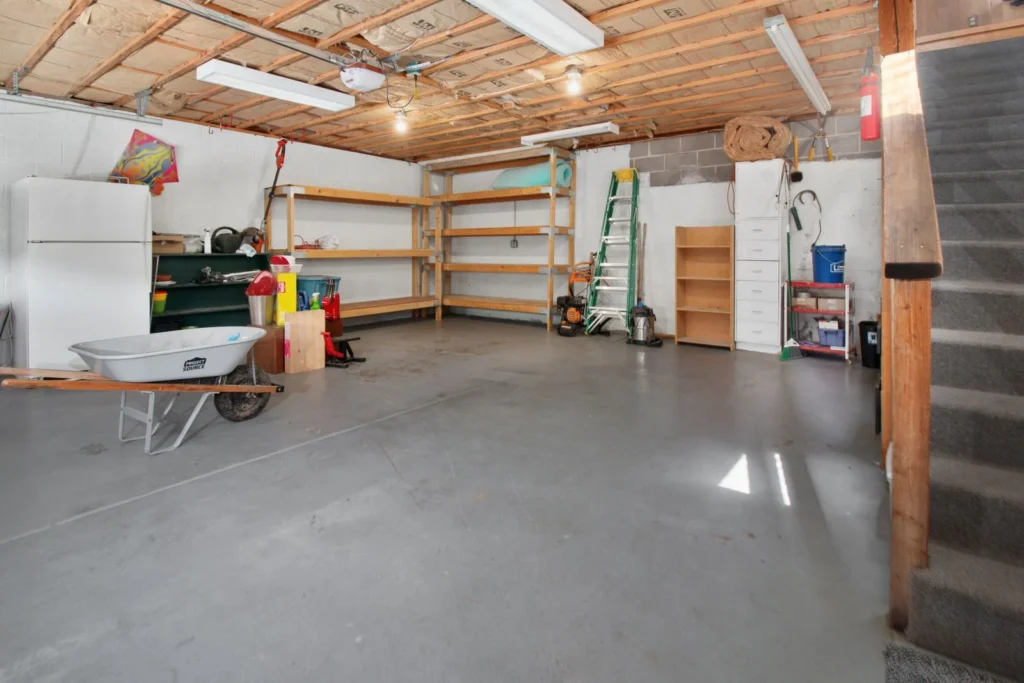
From Gunn Highway to the Westchase border, we know where rodents get into Citrus Park homes and businesses.
Serving Citrus Park and the surrounding 33625 ZIP code, 24 hours a day.
These pictures come from our own inspection cameras and job sites: rats caught in traps, mice under cabinets, the entry points we find, and the sealing work that keeps them out.
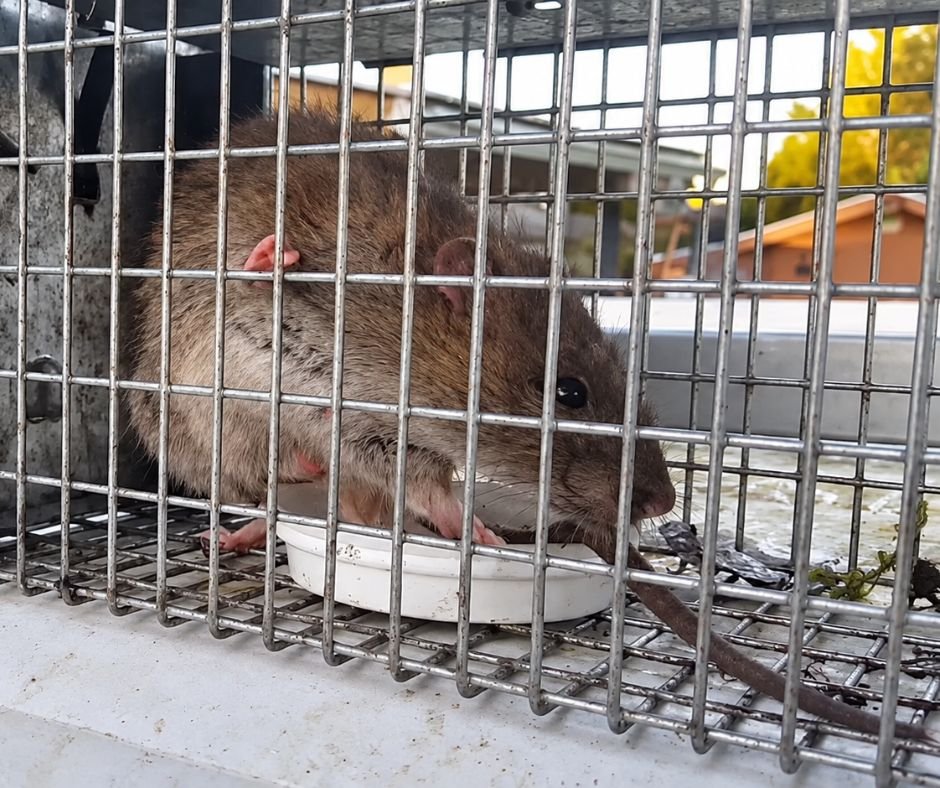 Rat caughtClose-up of a rat caught in a cage trap
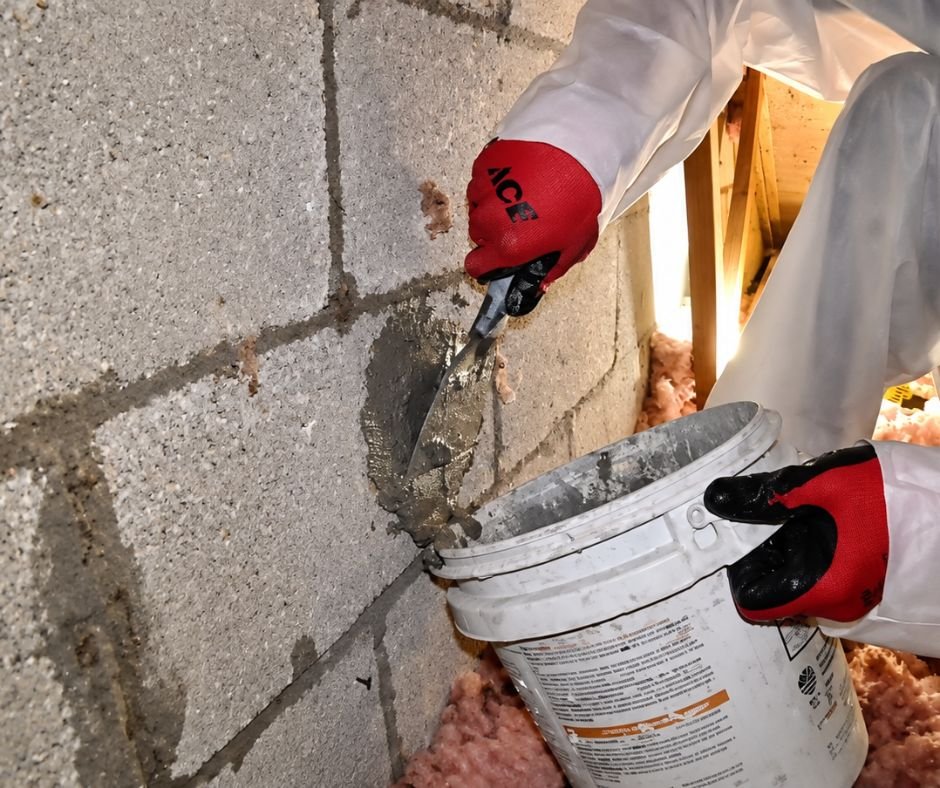 Exclusion workTechnician sealing a block wall gap with mortar
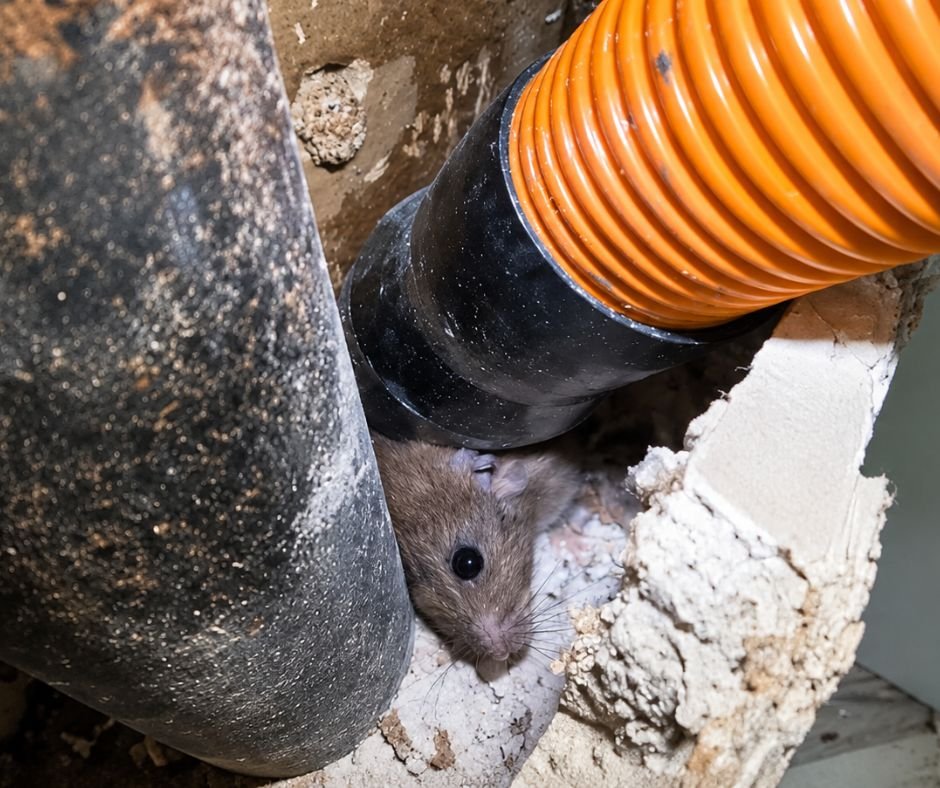 Entry point foundRat squeezing past an unsealed pipe penetration in a wall
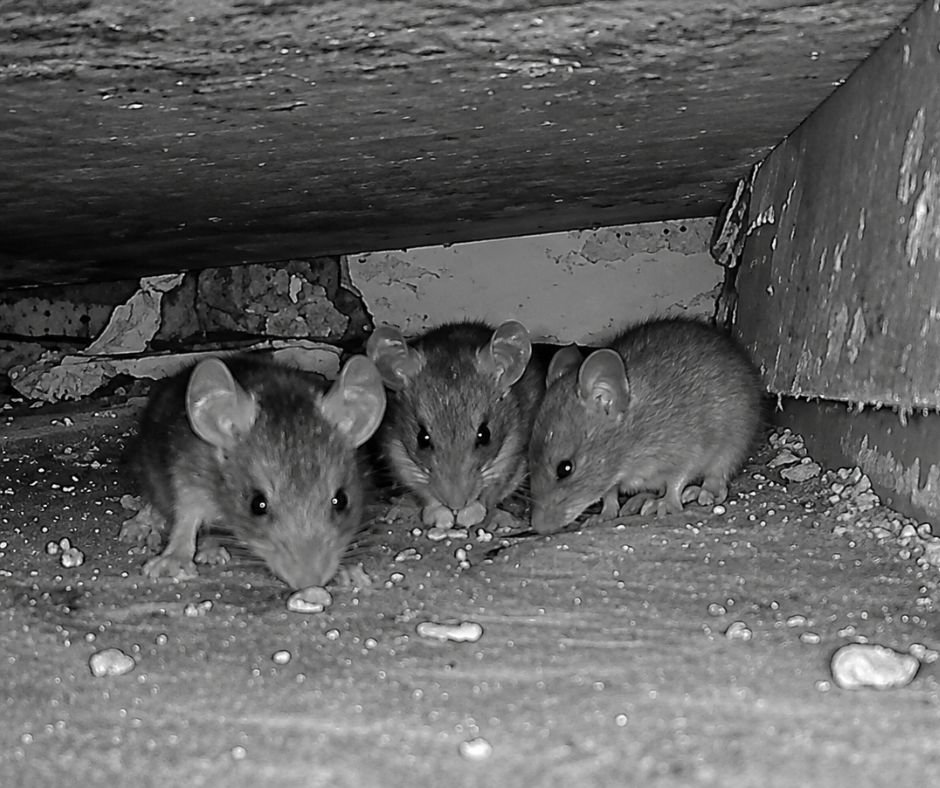 Kitchen inspectionThree mice caught on camera under a cabinet
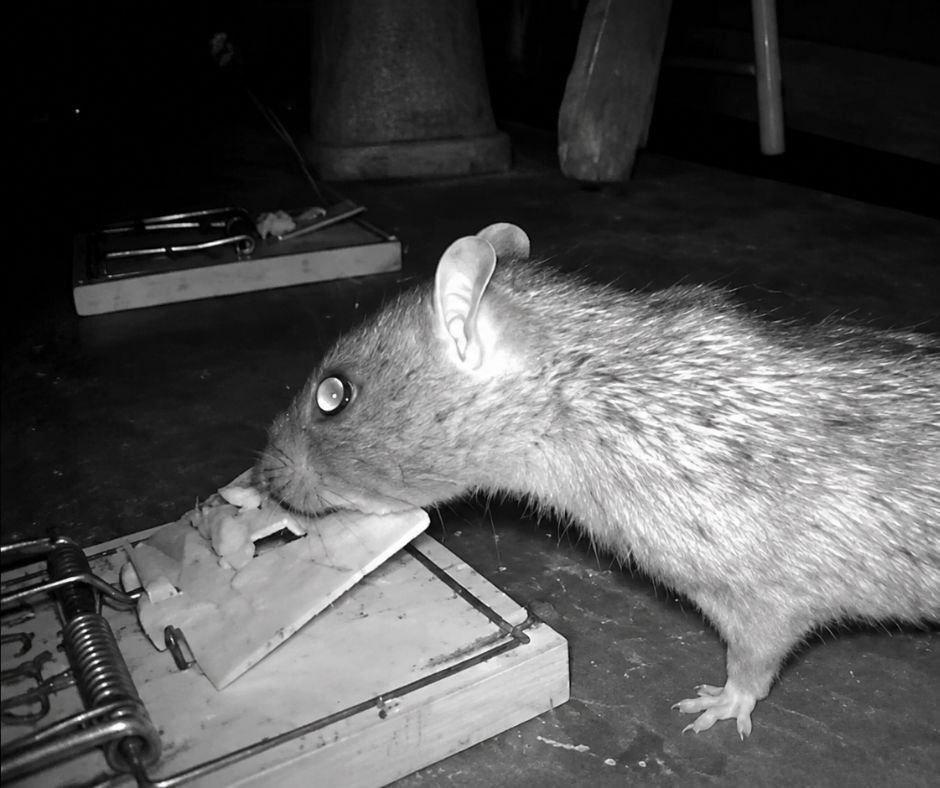 Trap cameraNight camera photo of a rat at a snap trap
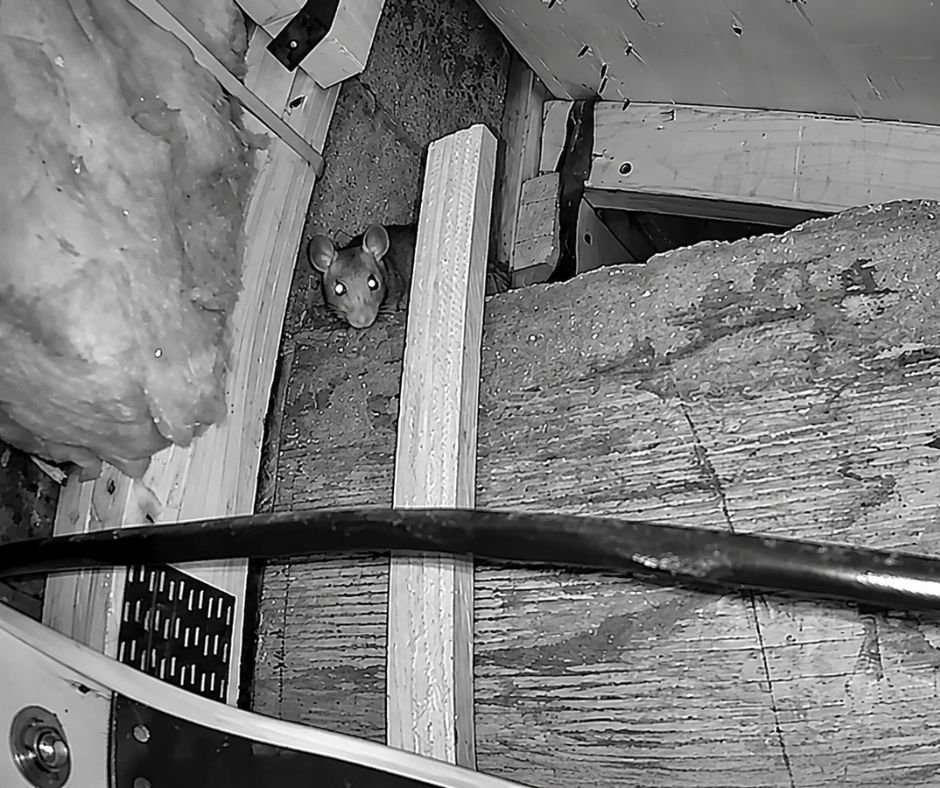 Attic inspectionMouse found near attic insulation
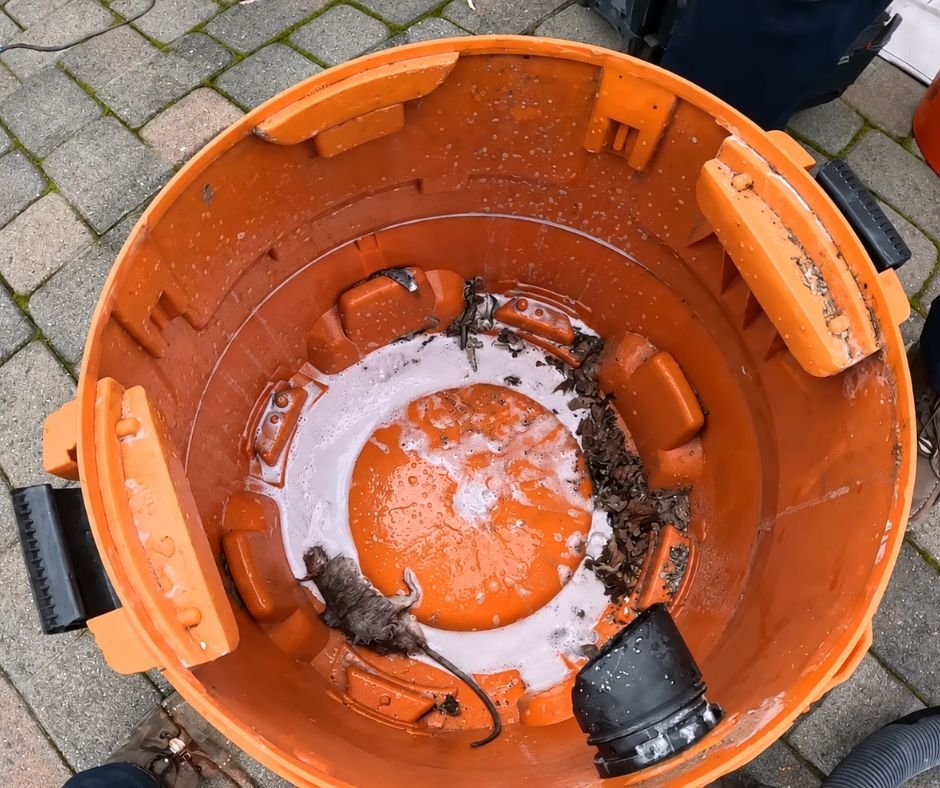 Station checkRat found inside a rodent station during a service check
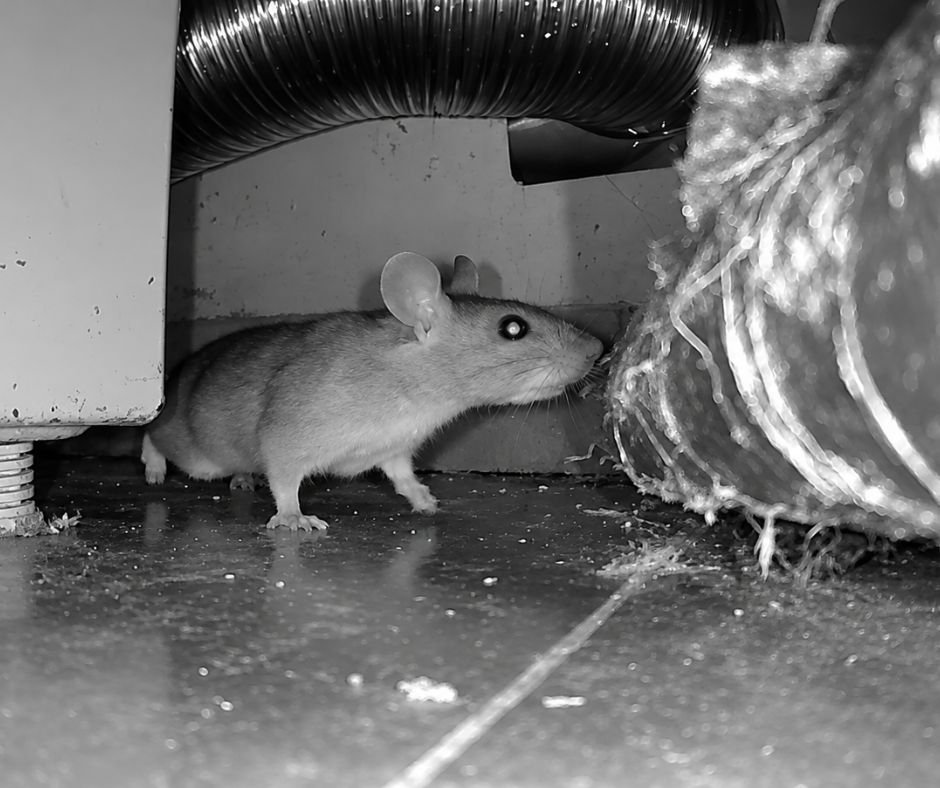 Entry point checkMouse beside a dryer vent duct
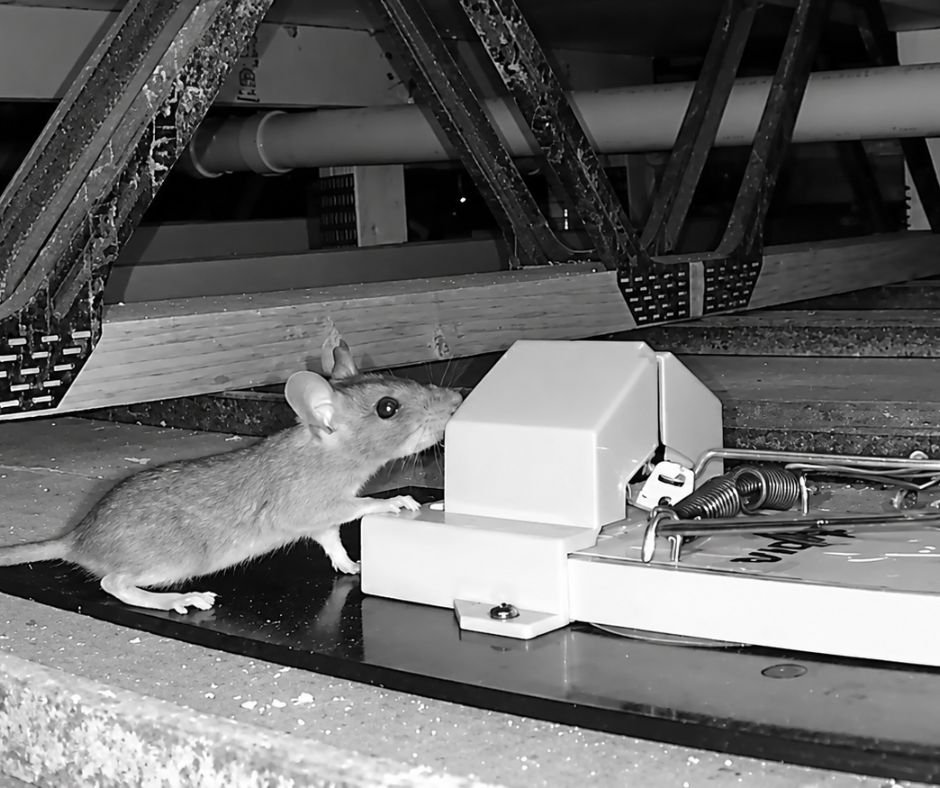 TrappingMouse approaching a trap station near roof trusses
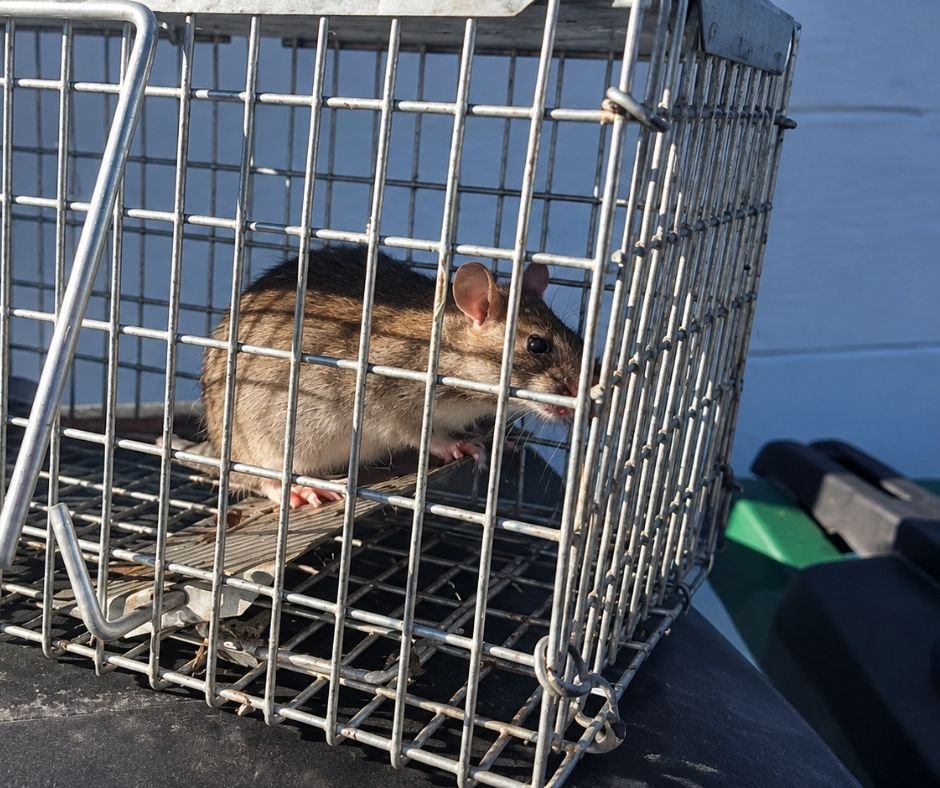 Rat caughtRat caught in a cage trap outside a Florida home
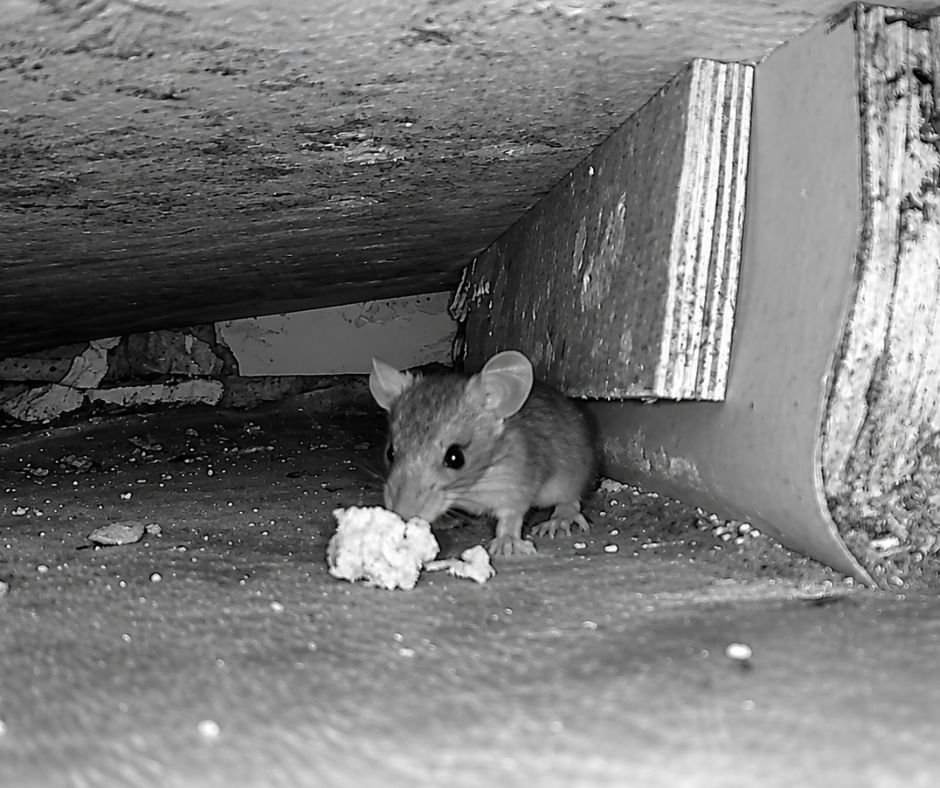 Food source foundMouse feeding on crumbs under a cabinet
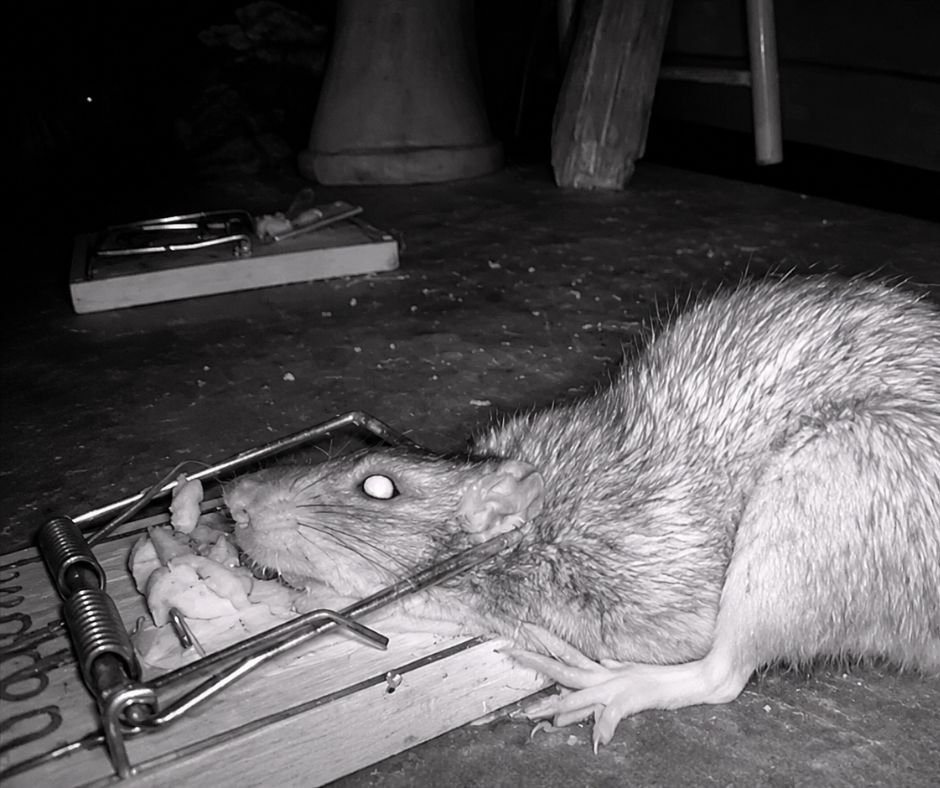 Trap cameraNight camera photo of a rat approaching a baited snap trap
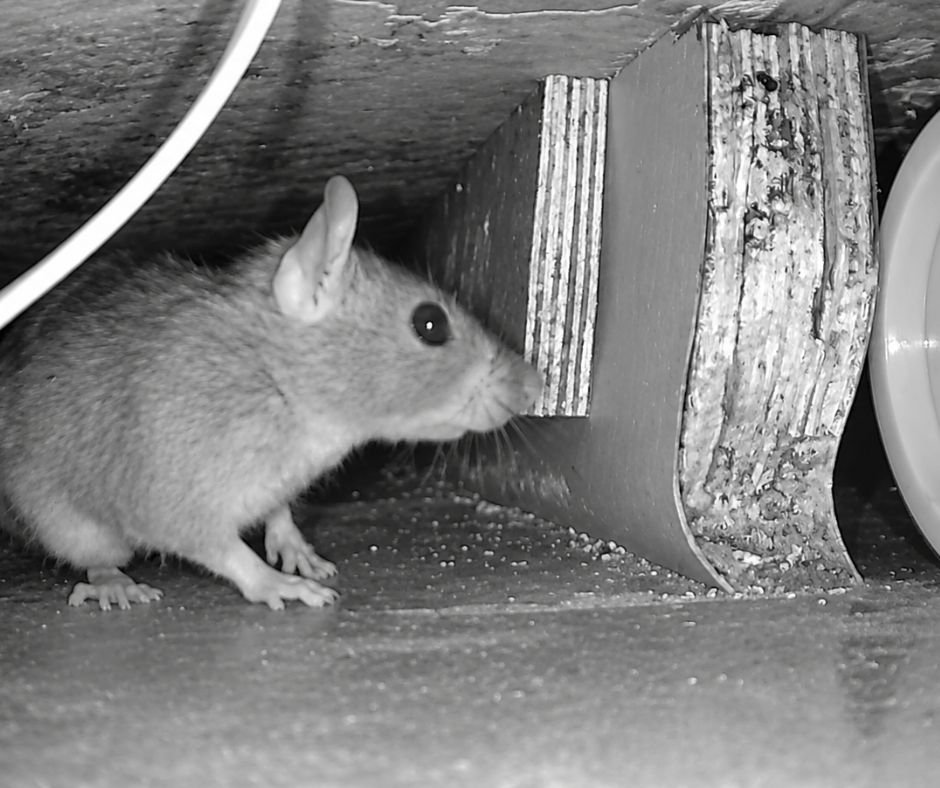 Kitchen inspectionMouse moving along a cabinet base
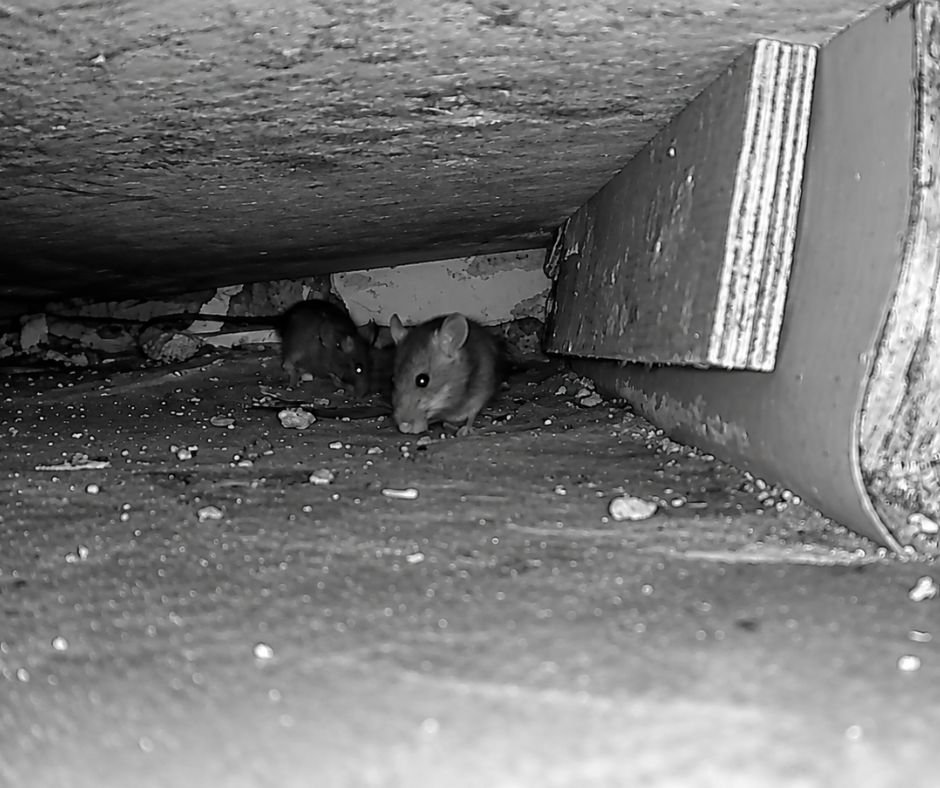 Kitchen inspectionTwo mice under a cabinet, a sign of active activity
Florida, 24 hours a day
Call any time and talk to a local rodent pro. We find how they get in, seal it, remove the ones inside and come back until the activity stops. Homes, rentals and businesses.